
Are you curious about a career that puts you right in the heart of the operating room? Becoming a surgical tech might be the perfect path for you.
Imagine playing a crucial role in life-saving surgeries, working closely with surgeons, and being part of a team that makes a real difference every day. But how do you get started? What steps do you need to take to become a skilled surgical tech?
Keep reading, and you’ll discover the clear, simple path to turning this exciting career dream into your reality.
Career Path For Surgical Techs
The career path for surgical techs offers a clear route from education to hands-on experience. This path includes formal training, certification, and gaining work experience in medical settings. Surgical techs support surgeons and nurses during operations, making their role essential in healthcare teams.
Advancement opportunities exist through specialized training and additional certifications. Surgical techs can work in different environments, such as hospitals, outpatient clinics, or specialized surgical centers. The career path encourages continuous learning and skill development.
Education And Training
Surgical techs usually start with a certificate or associate degree program. These programs cover anatomy, surgical procedures, and sterilization techniques. Hands-on practice in labs or clinical settings is part of the training.
Certification improves job prospects and shows professional competence. The Certified Surgical Technologist (CST) credential is widely recognized. Some states require licensing to work as a surgical tech.
Gaining Work Experience
Entry-level jobs help build practical skills in surgery rooms. Surgical techs learn to work with surgical teams and manage instruments. Experience increases confidence and job opportunities.
Specialization And Advancement
Surgical techs can specialize in areas like cardiovascular or orthopedic surgery. Additional courses and certifications support these specializations. Leadership roles, such as lead tech or supervisor, become possible with experience.

Credit: www.facebook.com
Educational Requirements
Becoming a surgical tech requires a clear understanding of the educational path ahead. Your training lays the foundation for the skills you’ll use every day in the operating room. Knowing the right steps can save you time and ensure you meet all professional standards.
High School Preparation
Start by focusing on science courses like biology and chemistry in high school. These subjects give you a head start on understanding human anatomy and medical terminology. Don’t overlook math and communication classes—they help with calculations and teamwork later on.
Volunteering or job shadowing in healthcare settings can give you a real-world glimpse into the surgical tech role. Have you thought about asking your school counselor for guidance on healthcare career programs? Early exposure can confirm if this path fits your interests.
Accredited Surgical Tech Programs
Once you complete high school, enrolling in an accredited surgical tech program is essential. Accreditation ensures the program meets quality standards and employers recognize your credentials. Look for programs approved by the Commission on Accreditation of Allied Health Education Programs (CAAHEP).
These programs combine classroom learning with hands-on clinical practice. You’ll learn about surgical procedures, sterilization techniques, and patient care. Have you checked if local hospitals partner with schools for clinical rotations? This experience is invaluable.
Associate Degree Vs. Certificate
You can choose between an associate degree or a certificate program to become a surgical tech. An associate degree usually takes about two years and covers more in-depth subjects, including general education. A certificate program is shorter, often under a year, focusing mainly on core surgical tech skills.
| Aspect | Associate Degree | Certificate |
|---|---|---|
| Duration | Approximately 2 years | 6-12 months |
| Course Content | Includes general education and advanced topics | Focuses on essential surgical tech skills |
| Career Opportunities | May offer more advancement options | Quicker entry into the workforce |
| Cost | Typically higher | Usually more affordable |
Which option fits your lifestyle and career goals better? Consider your time availability, budget, and long-term plans before deciding.
Essential Skills And Qualities
Becoming a surgical tech requires more than just formal education. You need a specific set of skills and qualities that help you thrive in the fast-paced, high-stakes environment of the operating room. These essential skills not only improve your performance but also ensure patient safety and smooth teamwork.
Technical Skills
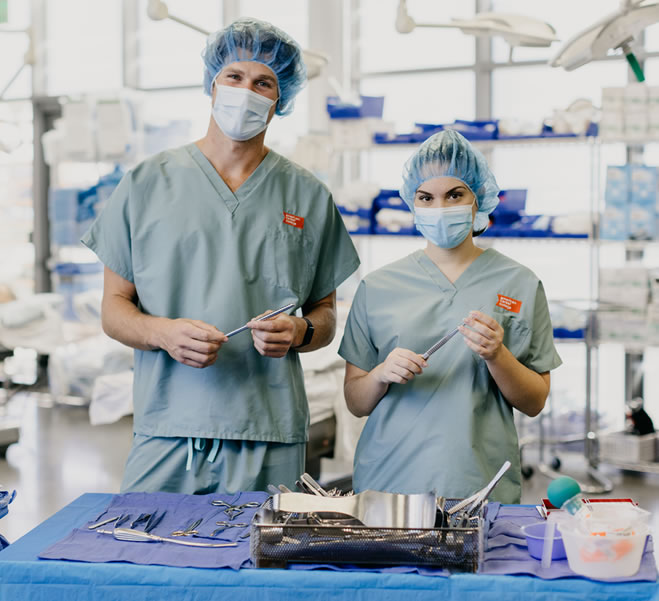
Mastering the technical skills is a must for any surgical tech. You must know how to prepare and sterilize surgical instruments correctly. Handling equipment efficiently during surgery can make a critical difference.
Think about how quickly you can respond to a surgeon’s request for a specific tool. Your ability to anticipate needs comes from solid training and hands-on experience. You’ll also need to understand anatomy basics and surgical procedures to support the team effectively.
Communication And Teamwork
Clear communication is vital in the operating room. You must listen carefully and relay information accurately to surgeons, nurses, and anesthesiologists. Misunderstandings can lead to serious errors, so being precise and calm is key.
Working well with others means you can keep the environment organized and focused. Have you ever noticed how a quiet, efficient team can reduce stress during surgery? Your role is central to maintaining that flow.
Attention To Detail
Attention to detail is not just about spotting mistakes; it’s about preventing them before they happen. You need to check equipment sterility, count sponges, and monitor the surgical field constantly.
Missing a small step can affect patient safety. Ask yourself: How thorough are you when preparing for a procedure? The smallest oversight can have big consequences, so developing sharp focus is essential.
Credit: americancareercollege.edu
Certification And Licensing
Certification and licensing play a crucial role in shaping your career as a surgical tech. They prove your skills and knowledge meet industry standards, boosting your credibility with employers and patients alike. Understanding these requirements helps you stay on the right path and avoid delays in your career progression.
Certified Surgical Technologist (cst)
The Certified Surgical Technologist (CST) credential is the most recognized certification for surgical techs. To earn it, you must pass the National Board of Surgical Technology and Surgical Assisting (NBSTSA) exam. The exam covers topics like anatomy, sterile techniques, and surgical procedures, so preparation is key.
Many successful surgical techs share that practical experience gained during their training was invaluable for passing the exam. Have you considered how hands-on practice could sharpen your test readiness?
State Requirements
Licensing rules vary widely depending on where you live. Some states require surgical techs to hold a certification like the CST, while others have additional licensing exams or registration processes. Research your state’s specific requirements early to avoid surprises after your training.
State health departments and professional boards usually publish clear guidelines online. Are you keeping track of these updates to ensure you meet all legal obligations?
Maintaining Certification
Once certified, you must maintain your credentials by earning continuing education credits. This often involves attending workshops, completing courses, or participating in relevant professional activities every few years. Staying current not only keeps your license valid but also sharpens your skills.
Many surgical techs find that ongoing learning opens doors to new specializations or leadership roles. What opportunities could you unlock by committing to continuous improvement?
Gaining Practical Experience
Gaining practical experience is a crucial part of becoming a skilled surgical tech. It bridges the gap between classroom knowledge and real-world application. You need hands-on practice to build confidence and master the techniques that textbooks can’t fully teach.
Clinical Rotations
Clinical rotations let you work directly in hospital operating rooms under supervision. These rotations expose you to various surgical procedures, helping you understand the flow of the OR team and sterile techniques.
During rotations, pay close attention to how surgical techs prepare instruments and assist surgeons. Ask questions and observe how they anticipate needs—this insight can set you apart. Have you ever noticed how small actions can make a big difference during surgery?
Internships And Externships
Internships and externships offer extended, hands-on training in real healthcare settings. Unlike brief rotations, these experiences often last several weeks or months, allowing you to take on more responsibility.
Look for programs that provide mentorship and feedback. This helps you improve your skills and learn how to handle unexpected challenges. Think about what type of surgical environment fits your style best—do you prefer fast-paced trauma or planned elective surgeries?
Entry-level Positions
Starting in an entry-level position, such as a surgical tech assistant or sterile processing technician, gives you a foot in the door. These jobs let you familiarize yourself with hospital protocols and build relationships with surgical teams.
While you may not assist in surgery right away, this experience teaches you the importance of organization and teamwork. Are you ready to start small and prove your dedication to move up quickly?
Job Search Strategies
Searching for a surgical tech job requires more than just submitting applications. You need clear strategies that highlight your skills and connect you with the right people. Approaching your job search with focus and preparation can significantly improve your chances of landing your ideal position.
Building A Strong Resume
Your resume is the first impression you make on potential employers. Focus on showcasing relevant certifications, hands-on experience, and technical skills clearly and concisely.
Use bullet points to list your duties and achievements in previous roles. Include specific examples such as assisting in complex surgeries or maintaining sterile environments. Tailor your resume for each job by matching keywords from the job description.
Networking In Healthcare
Connections can open doors that online applications cannot. Attend local healthcare events, join surgical tech associations, and participate in online forums related to surgical technology.
Reach out to former instructors or colleagues for advice and job leads. Sometimes, a quick informational interview can lead to unexpected opportunities. Ask yourself: who in my current network could introduce me to hiring managers?
Interview Tips
Preparation is key to acing your surgical tech interview. Research the hospital or clinic thoroughly, and be ready to discuss how your skills match their needs.
Practice common interview questions, such as explaining how you handle stressful situations in the operating room. Show enthusiasm and confidence without exaggerating your experience. Remember, your goal is to demonstrate that you are reliable and ready to work as part of a surgical team.
Career Growth And Specializations
Building a career as a surgical tech offers more than just a stable job—it opens doors to diverse growth opportunities and specializations. As you gain experience, you can choose paths that align with your interests and strengths, making your work more rewarding. Understanding how to expand your skills and knowledge will help you stay competitive and satisfied in this dynamic field.
Advanced Certifications
Obtaining advanced certifications can significantly boost your career. Certifications like the Certified Surgical Technologist (CST) or Certified Surgical First Assistant (CSFA) demonstrate your expertise and commitment. These credentials often lead to higher pay and more responsibility in the operating room.
Think about what additional skills you want to showcase. Would you prefer assisting surgeons more directly or managing complex surgical setups? Choosing the right certification depends on where you want your career to go.
Specialty Areas
You don’t have to stay general if a particular surgical field fascinates you. Many surgical techs specialize in areas such as cardiovascular surgery, orthopedic procedures, or neurosurgery. Specializing allows you to deepen your knowledge and become an indispensable part of specialized surgical teams.
Which surgical specialty excites you the most? Pursuing a specialty can make your day-to-day work more engaging and open up unique job opportunities that generalists might not access.
Continuing Education
Medical technology and procedures constantly evolve, making continuing education vital. Attending workshops, seminars, and courses keeps you updated on the latest techniques and safety standards. It also helps you maintain certifications and enhances your professional credibility.
How often do you invest in learning new skills or updates in your field? Regular education can be the difference between staying stuck and moving ahead in your surgical tech career.

Credit: tjc.edu
Frequently Asked Questions
What Education Is Required To Become A Surgical Tech?
You need a postsecondary certificate or associate degree in surgical technology. Programs typically last 1-2 years and include classroom and clinical training.
How Long Does Surgical Tech Training Usually Take?
Training programs usually take 12 to 24 months to complete. This includes both coursework and hands-on clinical experience in healthcare settings.
Is Certification Mandatory For Surgical Technologists?
Certification is not always mandatory but highly recommended. It improves job prospects and demonstrates professional competence in surgical technology.
What Skills Are Essential For A Surgical Technologist?
Key skills include attention to detail, manual dexterity, teamwork, and knowledge of surgical instruments and procedures.
Conclusion
Becoming a surgical tech takes clear steps and dedication. Start with proper training and education. Gain experience through hands-on practice. Stay focused on learning and improving skills. Remember, teamwork is key in the operating room. This career offers a chance to help patients every day.
Keep your goals in mind and move forward steadily. A surgical tech role can be rewarding and stable. Take the first step and pursue your dream today.