
Have you ever wondered what a tech engineer really does? Maybe you’re curious about the skills they need or how they solve problems that affect your daily life.
Understanding what a tech engineer is can open doors to exciting career options or simply help you appreciate the technology around you. Keep reading, and you’ll discover the key role these experts play behind the scenes—and why their work matters to you.
Role Of A Tech Engineer
A tech engineer plays a crucial role in designing, building, and maintaining technology systems. They work behind the scenes to ensure software and hardware operate smoothly. Their role combines problem-solving skills with technical knowledge to create efficient solutions.
Tech engineers often collaborate with teams to develop new products or improve existing ones. They must stay updated on the latest technologies and apply them effectively. Their work impacts many industries, from software development to network management.
Key Responsibilities
- Design and develop technical solutions
- Test and troubleshoot software or hardware
- Maintain and upgrade existing systems
- Collaborate with other engineers and teams
- Document processes and technical details
- Ensure system security and performance
Daily Tasks And Challenges
- Writing and reviewing code or system designs
- Fixing bugs and solving technical problems
- Meeting deadlines and managing project tasks
- Communicating with team members and stakeholders
- Adapting to new tools and technologies
- Balancing multiple projects and priorities
Skills And Qualifications
Understanding the skills and qualifications of a tech engineer is key if you’re aiming to join this dynamic field. These professionals blend technical know-how with soft skills to solve complex problems and innovate daily. Let’s break down what you really need to succeed and how to prepare effectively.
Technical Skills Needed
Tech engineers must master a range of technical skills to build and maintain systems that work flawlessly. Proficiency in programming languages like Python, Java, or C++ is often essential. You’ll also need a solid grasp of system architecture, networking, and database management.
Hands-on experience with tools such as Git for version control and Docker for containerization adds real value. Understanding cloud platforms like AWS or Azure can set you apart in the job market. How comfortable are you with debugging code or optimizing algorithms? These tasks require sharp analytical skills and attention to detail.
Soft Skills That Matter
Technical expertise alone won’t get you far without strong soft skills. Communication is crucial—you must explain complex ideas clearly to teammates and clients who might not share your technical background. Being adaptable helps when projects change direction or new technologies emerge suddenly.
Problem-solving isn’t just about finding solutions; it’s about thinking critically and creatively. Teamwork matters too; most projects require collaboration across different departments. Can you handle feedback and use it to improve your work? This mindset often distinguishes top tech engineers from the rest.
Educational Pathways
Most tech engineers start with a degree in computer science, software engineering, or related fields. However, many successful engineers have also entered the field through coding bootcamps or self-study. What matters more is your ability to demonstrate skills and real-world problem-solving.
Certifications like CompTIA, Cisco’s CCNA, or AWS Certified Solutions Architect can boost your credentials. Internships and project portfolios often serve as proof of your capabilities to potential employers. Are you ready to invest time in continuous learning? Technology evolves fast, and staying updated is part of the job.
Areas Of Specialization
Tech engineering covers a wide range of fields, each with its own unique focus and skill set. Understanding these areas of specialization helps you identify where your passion and talents fit best. Whether you like coding, building devices, or managing complex systems, there’s a path for you.
Software Engineering
Software engineers write and maintain the code that powers apps, websites, and operating systems. They solve problems by designing programs that meet user needs efficiently.
If you enjoy logical thinking and creating solutions with code, this could be your area. Have you ever tweaked a script to make a task faster? That’s software engineering in action.
Hardware Engineering
Hardware engineers design and build physical devices like computers, sensors, and circuit boards. Their work ensures that the components perform reliably and fit together perfectly.
This specialization suits those who like working with tangible technology and understanding how things operate on a physical level. Have you ever taken apart a gadget to see what’s inside? That curiosity drives hardware innovation.
Network Engineering
Network engineers focus on connecting systems and devices to share data securely and efficiently. They set up, manage, and troubleshoot networks that keep businesses and users online.
If you’re interested in how information flows between computers and enjoy solving connectivity issues, network engineering might appeal to you. Have you ever helped fix a Wi-Fi problem or set up a home network? That’s where this specialization shines.
Systems Engineering
Systems engineers oversee the integration of various technology components to work as a whole. They ensure that software, hardware, and networks function together smoothly.
This role requires big-picture thinking and coordination skills. If you like managing projects that involve multiple moving parts, you’ll find systems engineering rewarding. Can you think of a time you organized different tools or teams to complete a complex task?

Credit: www.ivytech.edu
Tech Engineer And Innovation
Tech engineers play a key role in driving innovation across industries. They design, build, and improve technology systems that change how we live and work. Their work pushes the boundaries of what machines and software can do. Tech engineers combine creativity with technical skills to solve complex challenges.
Innovation depends on engineers who explore new ideas and test fresh solutions. They focus on making technology faster, smarter, and more efficient. These professionals adapt to rapid changes and help businesses stay competitive. Their impact spreads through every sector, from healthcare to entertainment.
Driving Technological Advances
Tech engineers develop new tools and methods that advance technology. They create software, hardware, and systems that improve user experience. Innovation happens when engineers experiment and test ideas quickly. They use the latest materials and techniques to build better products. Their work leads to faster devices, stronger networks, and smarter applications.
Problem-solving Techniques
Tech engineers solve problems by breaking them into smaller parts. They use logic and data to find root causes and solutions. Testing and prototyping help refine their ideas. Engineers apply critical thinking to handle complex technical issues. They often use trial and error to discover the best answers.
Collaborating With Teams
Innovation thrives through teamwork. Tech engineers work closely with designers, developers, and managers. They share ideas and feedback to improve projects. Communication skills help engineers explain technical details clearly. Collaboration ensures projects meet goals and deadlines efficiently.
Career Growth And Opportunities
Career growth and opportunities in tech engineering are promising and diverse. The field evolves quickly, opening new paths for professionals. Demand for skilled tech engineers grows as technology expands into many areas.
Tech engineers can advance by gaining new skills and certifications. Learning about emerging technologies helps stay competitive. Many roles offer clear paths from junior to senior positions and management.
Job Market Trends
The job market for tech engineers is strong and expanding. Many companies invest in technology to improve efficiency and products. Remote work options increase, allowing more flexibility. Automation and AI create new roles requiring tech expertise.
Career Advancement Tips
- Keep learning new programming languages and tools.
- Build a strong portfolio with real projects.
- Network with professionals in the tech community.
- Seek mentorship to guide your career path.
- Stay updated on industry news and trends.
High-demand Industries
Several industries need tech engineers urgently. These include:
- Information Technology and Software Development
- Healthcare and Medical Technology
- Finance and Fintech
- Automotive and Electric Vehicles
- Telecommunications and Networking
Each industry offers unique challenges and growth potential for tech engineers.
Challenges In Tech Engineering
Tech engineering is a fast-paced field full of exciting opportunities, but it also comes with its unique set of challenges. Navigating these hurdles requires more than technical skills; it demands adaptability, focus, and smart time management. Understanding these challenges can help you prepare better and grow stronger in your tech career.
Keeping Up With Rapid Changes
Technology evolves at lightning speed, and staying updated is not optional—it’s essential. You might find yourself learning new programming languages, frameworks, or tools almost every few months. This constant learning curve can feel overwhelming, but it also keeps your work interesting.
Ask yourself: How do you stay current without burning out? Setting aside regular time for learning and choosing high-quality resources can make a big difference. Remember, it’s better to master a few skills deeply than to skim many superficially.
Work-life Balance
The demand for quick fixes and nonstop innovation often means long hours and tight schedules. Balancing your personal life with your professional responsibilities can be tough. Without clear boundaries, burnout can creep in before you realize it.
Try this: Establish strict work hours and communicate them clearly to your team. Taking short breaks during your workday can boost productivity and mental clarity. Your downtime is just as important as your coding time.
Managing Project Deadlines
Deadlines in tech projects can be unforgiving, often shifting with new priorities or unexpected bugs. Meeting these deadlines requires sharp planning and flexible problem-solving skills. It’s easy to get stressed when things don’t go as planned.
One practical tip is to break projects into smaller tasks and track progress daily. If a deadline feels impossible, communicate early with stakeholders—transparency can prevent last-minute chaos. How do you handle pressure when time is running out?
Future Outlook
The future for tech engineers looks bright and full of change. Technology grows fast, creating new chances and challenges. Understanding what lies ahead helps tech engineers stay ready and skilled. They will need to adapt, learn, and innovate to keep up.
Emerging Technologies
New technologies reshape the tech engineering field. Artificial intelligence and machine learning improve how systems work. Cloud computing offers flexible and scalable solutions. The Internet of Things connects devices everywhere. Cybersecurity becomes more important as threats grow. These technologies create many jobs and demand new skills.
Evolving Roles
Tech engineers take on more complex and varied tasks. They work across teams and industries. Roles include designing software, managing networks, and securing data. Collaboration with non-technical teams grows. Problem-solving and critical thinking skills become essential. Engineers must communicate clearly with clients and colleagues.
Preparing For The Future
Continuous learning is key for tech engineers. Online courses, certifications, and workshops help build skills. Staying updated on trends keeps engineers competitive. Building a strong foundation in coding and systems is important. Soft skills like teamwork and communication matter too. Being open to change ensures long-term success.
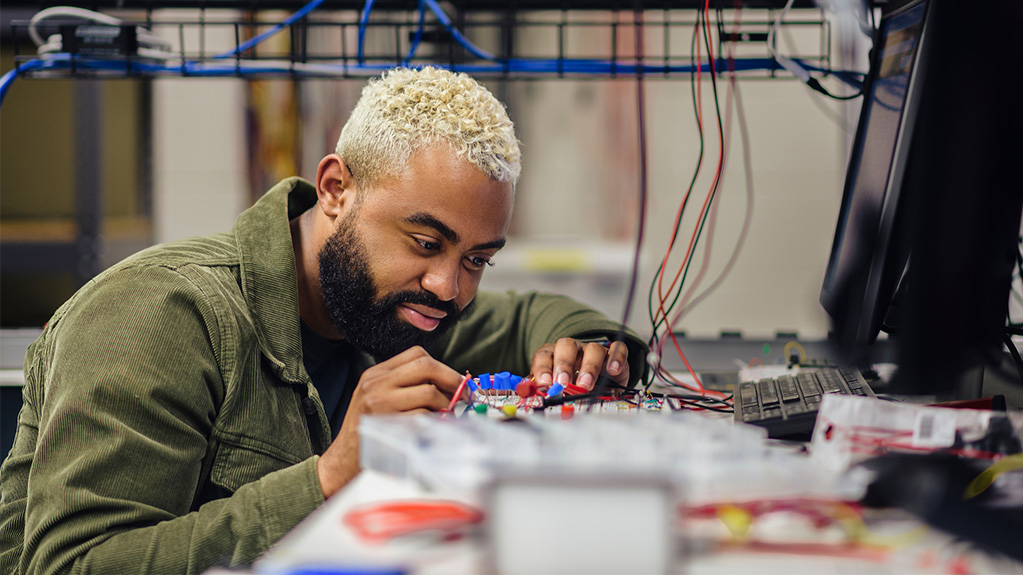
Credit: admissions.purdue.edu

Credit: www.academics.com
Frequently Asked Questions
What Does A Tech Engineer Do?
A tech engineer designs, develops, and maintains technology solutions. They work on software, hardware, or systems to solve problems. Tech engineers also collaborate with teams to improve technology efficiency and performance.
How Do You Become A Tech Engineer?
To become a tech engineer, pursue a degree in engineering or computer science. Gain practical experience through internships or projects. Stay updated with technology trends and continuously improve your skills.
What Skills Are Required For Tech Engineers?
Tech engineers need strong analytical, problem-solving, and communication skills. They must understand programming languages, hardware, and software systems. Creativity and teamwork are also crucial for successful project execution.
Are Tech Engineers In High Demand?
Yes, tech engineers are in high demand due to technological advancements. Companies need skilled engineers to develop innovative solutions. This demand provides excellent job opportunities in various tech sectors.
Conclusion
A tech engineer builds and improves technology every day. They solve problems using science and math skills. Their work helps create devices and software we use. Tech engineers keep up with new tools and ideas. This career offers many chances to learn and grow.
Understanding what a tech engineer does can inspire your path. Technology shapes our world, and engineers lead the way. Their role is important and always changing. Consider a tech engineer’s job if you enjoy creating and fixing things.