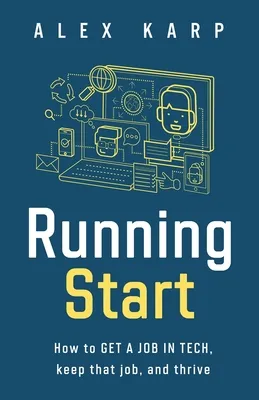
Looking to break into the tech world but not sure where to start? You’re not alone.
Getting a job in tech can feel overwhelming, but it doesn’t have to be. With the right steps, you can stand out and land a role that fits your skills and passion. You’ll discover clear, practical tips to help you navigate the tech job market and boost your chances of success.
Ready to take control of your future and make your mark in tech? Let’s dive in.

Credit: www.youtube.com
Tech Job Market Insights
Understanding the tech job market is crucial if you want to position yourself for success. The landscape shifts quickly, and knowing where demand lies helps you focus your efforts on roles and skills that employers actively seek. Let’s break down some key insights about the market so you can target your job search smarter and land the right opportunity.
High-demand Roles
Certain tech roles consistently top the list for hiring. Software developers, data scientists, and cybersecurity specialists remain highly sought after across industries. Companies need developers to build apps and websites, data scientists to interpret growing amounts of data, and cybersecurity experts to protect against rising cyber threats.
If you’ve been considering which skill to sharpen, think about roles tied to cloud computing, AI, and full-stack development. These areas often have a gap between available jobs and qualified candidates. How can you make your profile stand out in these competitive fields?
Emerging Technologies
New tech trends create fresh job opportunities every year. Technologies like artificial intelligence, blockchain, and Internet of Things (IoT) are not just buzzwords—they are driving real business changes.
For example, AI specialists are developing smarter automation tools, while blockchain developers work on secure transaction systems beyond cryptocurrencies. If you want to get ahead, try to gain practical experience or certifications in these areas. What projects or courses can you start today to build expertise in emerging tech?
Industry Trends
The tech industry is influenced by broader economic and social trends. Remote work has expanded access to jobs worldwide, meaning location is less of a barrier but competition is higher. Meanwhile, companies prioritize diversity and inclusion, which can affect hiring practices and workplace culture.
Also, businesses increasingly value candidates who combine technical skills with problem-solving and communication abilities. Do you have a clear way to demonstrate these soft skills alongside your technical knowledge? This mix can often tip the scales during interviews.
Building Relevant Skills
Building relevant skills is crucial to landing a job in tech. It’s not just about what you know but how you apply it. Focus on skills that match the roles you want, and keep updating them as technology evolves.
Technical Skills To Learn
Start by mastering programming languages like Python, JavaScript, or Java, depending on your target job. Understanding databases, cloud platforms, and version control systems like Git will also boost your profile.
Don’t ignore the basics like data structures and algorithms—they often come up in interviews. Think about what excites you: web development, data science, or cybersecurity? Tailor your skillset to that area.
Soft Skills That Matter
Tech roles demand more than coding. Communication skills help you explain complex ideas clearly to team members or clients.
Problem-solving is key. Employers want people who can tackle challenges creatively and persistently. Teamwork matters too—can you collaborate effectively in diverse groups?
Ask yourself: How well do I handle feedback or adapt when plans change? These soft skills often make the difference between a good hire and a great one.
Certifications And Courses
Certifications can validate your skills and show employers your commitment. Look for recognized ones like AWS Certified Solutions Architect, Google’s IT Support Professional Certificate, or CompTIA Security+ depending on your focus.
Online platforms like Coursera, Udemy, and LinkedIn Learning offer courses that fit your schedule and budget. Choose those with practical projects to build your portfolio.
Remember, a certification alone won’t get you hired. Use the knowledge gained to create projects or contribute to open-source work. This proves you can apply what you’ve learned in real situations.
Crafting A Standout Resume
Crafting a standout resume is your first real chance to catch the eye of a tech recruiter. It’s not just about listing your job history; it’s about showing how you made a difference. A well-written resume can open doors and set you apart in a crowded field.
Highlighting Key Achievements
Focus on what you accomplished, not just what you did. Instead of saying “Worked on software development,” say “Led development of a mobile app that increased user engagement by 30%.” Numbers and specific results grab attention quickly.
Think about projects where you solved tough problems or improved a process. These stories show your impact and problem-solving skills, which tech employers value highly.
Tailoring For Each Role
Every tech job is different, so your resume should be too. Read the job description carefully and adjust your resume to highlight the skills and experiences that match.
For example, if a job emphasizes cloud computing, make sure your experience with AWS or Azure is front and center. This shows you’ve done your homework and are a great fit for the role.
Common Resume Mistakes
- Using vague terms like “Responsible for” without showing results.
- Listing every job task instead of focusing on achievements.
- Submitting the same resume for multiple positions without changes.
- Ignoring formatting—too much text or inconsistent fonts can put off recruiters.
- Leaving out keywords from the job description, which can cause your resume to be missed by applicant tracking systems.
Have you ever sent a resume and never heard back? Sometimes small tweaks, like adding measurable achievements or tailoring keywords, can make a huge difference in getting noticed.
Effective Job Search Strategies
Finding a tech job requires smart strategies that match the fast-paced industry. Job seekers must use multiple approaches to increase their chances. Focus on areas that connect you directly with employers and the tech community.
Effective job search strategies help you stand out and find the right fit. They combine tools, connections, and online presence to open doors. Each strategy plays a key role in building your career path.
Leveraging Job Boards
Job boards list many tech roles in one place. Use popular sites that specialize in tech jobs. Filter searches by skills, location, and experience level. Set up alerts to get new listings quickly.
- Keep your resume updated and tailored for each application.
- Apply to jobs that match your skills closely.
- Use keywords from the job description to pass automated filters.
Applying regularly keeps you active in the system. Track your applications to follow up if needed.
Networking Tips
Networking connects you with people who can refer or guide you. Attend local tech meetups, workshops, or conferences. Engage in conversations and show genuine interest in others’ work.
- Ask questions to learn about the industry and job openings.
- Offer help or share useful information to build trust.
- Follow up with new contacts via email or LinkedIn.
Strong relationships often lead to job opportunities not posted publicly.
Using Social Media
Social media platforms help you showcase skills and connect with recruiters. Keep profiles professional and up to date. Share projects, articles, or insights related to tech.
- Join groups and discussions relevant to your tech field.
- Follow companies you want to work for and engage with their content.
- Use LinkedIn to connect with industry professionals and hiring managers.
Active social media use increases your visibility and credibility in tech circles.
Nailing The Interview
Nailing the interview is a crucial part of landing a tech job. It shows your skills and how well you fit the team. Preparing well can boost your confidence and leave a strong impression. Focus on both technical and personal aspects to succeed.
Preparing For Technical Questions
Technical questions test your problem-solving and coding skills. Practice common algorithms and data structures. Use online coding platforms to sharpen your skills. Review basics like arrays, loops, and functions. Understand the job’s tech stack and study relevant tools.
Break down problems step-by-step during the interview. Think out loud to show your approach. Ask clarifying questions if the problem is unclear. Don’t rush; accuracy matters more than speed. Prepare to explain your code and decisions clearly.
Behavioral Interview Tips
Behavioral questions reveal your work style and personality. Use examples from past experiences to answer clearly. Follow the STAR method: Situation, Task, Action, Result. Stay honest and focus on your role in the story. Show teamwork, problem-solving, and adaptability.
Practice common questions like handling conflict or tight deadlines. Keep answers short and relevant. Smile and maintain good eye contact. Listen carefully and respond thoughtfully. Showing enthusiasm for the role helps create a positive vibe.
Post-interview Follow-up
Following up shows your interest and professionalism. Send a thank-you email within 24 hours. Mention specific points from the interview to personalize your message. Keep it brief and polite. This can help you stand out from other candidates.
Reflect on what went well and what to improve. Use feedback to prepare for the next round or interview. Stay patient and avoid frequent follow-ups. Respect the hiring process timeline and remain positive.

Credit: www.youtube.com
Building A Strong Portfolio
Building a strong portfolio is key to landing a job in tech. It shows your skills and what you can do. A good portfolio helps employers see your abilities clearly. It also makes you stand out from other candidates. Focus on quality projects that highlight your talents. Keep your portfolio organized and easy to navigate. Include different types of work to show your range.
Showcasing Projects
Select projects that solve real problems or demonstrate important skills. Show your best work first. Include a short description for each project. Explain the tools and technologies you used. Highlight your role and the results achieved. Use images, screenshots, or demos to make projects clear. Make sure projects are easy to access online. Keep the information simple and direct.
Using Github And Personal Sites
GitHub is essential for tech portfolios. Upload your code and keep it updated. Write clear README files for each repository. A personal website offers a professional space for your portfolio. Use it to share your projects, resume, and contact details. Ensure your site is mobile-friendly and loads fast. Use simple design and easy navigation. Both GitHub and personal sites show your commitment to tech.
Contributing To Open Source
Open source contributions build credibility. They show teamwork and real-world coding skills. Find projects that match your interests and skill level. Start with small fixes or documentation updates. Learn from experienced developers and improve your code quality. Track your contributions on GitHub for employers to see. Open source work adds value to your portfolio and resume.
Navigating Offers And Negotiations
Navigating job offers and negotiations can feel overwhelming, especially in the tech industry where opportunities and terms vary widely. This stage is crucial because it shapes your career and financial future. Understanding how to evaluate offers, negotiate salary, and grasp the full benefits package puts you in control of your professional path.
Evaluating Job Offers
Look beyond the salary number. Consider the company’s culture, work-life balance, and growth opportunities. Does the role align with your career goals? If you’re juggling multiple offers, compare these aspects side by side.
Here’s a quick checklist to guide your evaluation:
- Job responsibilities and challenges
- Team dynamics and management style
- Location and remote work options
- Company stability and reputation
- Career advancement potential
Ask yourself: Will this job help you grow skills you want? Does it offer a healthy environment? You might accept a slightly lower salary if the role offers better learning and growth.
Salary Negotiation Tips
Don’t accept the first offer without discussion. Many employers expect negotiation and leave room for it. Start by researching the market rate for your role in your location to know what’s fair.
When negotiating, focus on your value. Highlight your skills, experience, and what you bring to the team. Use specific examples like successful projects or certifications to back your request.
Try framing your ask like this: “Based on my experience and recent projects, I believe a salary around X is reasonable.” Be confident but polite. Remember, negotiation is a conversation, not a demand.
Understanding Benefits
Salary is just one part of your compensation. Benefits can add significant value and sometimes outweigh a higher paycheck. Look closely at health insurance, retirement plans, stock options, and paid time off.
Consider perks like flexible hours, remote work, professional development funds, and wellness programs. Sometimes these extras make a job more enjoyable and sustainable long-term.
Write down all benefits and assign a value to them. For example, a strong health plan might save you thousands annually. How does the overall package fit your lifestyle and priorities?

Credit: www.bettercareer.org
Frequently Asked Questions
What Skills Are Needed For A Tech Job?
To land a tech job, you need technical skills like coding, data analysis, and software development. Soft skills such as problem-solving, communication, and teamwork are also crucial. Staying updated with industry trends and continuously learning new technologies can significantly improve your chances of securing a tech position.
How Can I Gain Tech Experience?
Gaining tech experience can be achieved through internships, freelance projects, and participating in hackathons. Online courses and certifications in relevant technologies also help. Networking with industry professionals and joining tech communities can provide valuable insights and opportunities for practical experience in the tech field.
What Tech Jobs Are In High Demand?
High-demand tech jobs include software developers, data scientists, cybersecurity experts, and cloud engineers. Artificial intelligence specialists and machine learning engineers are also sought after. Keeping an eye on emerging technologies can guide you toward roles with promising career prospects and growth opportunities.
How Do I Create A Tech-focused Resume?
To create a tech-focused resume, highlight your technical skills and relevant projects. Include any certifications and industry experience. Use clear language and quantify your achievements. Tailoring your resume to match job descriptions can make it more appealing to potential employers.
Conclusion
Getting a job in tech takes time and effort. Keep learning new skills every day. Practice coding and build real projects. Connect with others in the tech community. Apply to many jobs and prepare for interviews. Stay positive, even if you face rejections.
Your hard work will pay off soon. The tech field offers many chances to grow. Start your journey now and keep moving forward. Success is possible with patience and persistence.