
Are you curious about becoming an ultrasound tech but unsure what degree you need? Choosing the right education path can feel overwhelming, especially when your future depends on it.
Knowing exactly what degree will open the door to this rewarding career can save you time, money, and frustration. You’ll discover the clear steps to take, the best programs to consider, and how to set yourself up for success as an ultrasound technician.
Keep reading to find out how you can turn your interest into a fulfilling profession.
Career Path For Ultrasound Techs
The career path for ultrasound techs offers steady growth and diverse opportunities. This role requires specific education and skills to operate ultrasound machines effectively. The journey begins with obtaining the right degree and can lead to various specializations and advanced positions.
Educational Requirements For Ultrasound Techs
Most ultrasound techs start with an associate degree in diagnostic medical sonography. Some choose a bachelor’s degree for more in-depth study. Programs cover anatomy, patient care, and ultrasound technology. Accreditation by the Commission on Accreditation of Allied Health Education Programs (CAAHEP) is important. Hands-on clinical experience is part of these programs.
Certification boosts job prospects and credibility. The American Registry for Diagnostic Medical Sonography (ARDMS) offers popular certifications. Exams test knowledge in ultrasound technology and patient safety. Some states may require a license to work. Maintaining certification requires continuing education.
Specialization Areas
Ultrasound techs can specialize in areas like:
- Obstetrics and gynecology
- Cardiac sonography
- Abdominal sonography
- Vascular technology
Specialization often requires additional training or certification. It leads to higher pay and more job options.
Advancing Your Career
Experienced ultrasound techs can advance to supervisory roles. Some move into education or healthcare management. Others become sales representatives for medical equipment companies. Continuing education and certifications are key to career growth.

Credit: www.cambridgehealth.edu
Degree Options Available
Choosing the right degree is a crucial step if you want to become an ultrasound tech. Different educational paths offer various benefits depending on your career goals, time availability, and financial situation. Understanding your options can help you make an informed decision that fits your lifestyle and aspirations.
Associate Degree
The most common route to becoming an ultrasound tech is earning an associate degree. These programs usually take about two years to complete and combine classroom learning with hands-on clinical experience. Many employers prefer this degree because it balances depth of knowledge with practical skills.
If you want a relatively quick path into the workforce without sacrificing quality education, an associate degree is a solid choice. It often covers essential topics like anatomy, medical terminology, and ultrasound technology basics.
Bachelor’s Degree
A bachelor’s degree in diagnostic medical sonography or a related field provides a more comprehensive education. This option typically takes four years and includes more advanced courses in patient care, physics, and specialized ultrasound techniques. It can open doors to leadership roles or specialized areas like cardiovascular sonography.
Consider this degree if you aim to advance your career or work in research and education. A bachelor’s degree may also make you more competitive for jobs in larger hospitals or specialized clinics.
Certificate Programs
If you already have a background in healthcare, a certificate program could be the fastest way to transition into ultrasound technology. These programs usually last from 12 to 18 months and focus intensely on sonography skills. They are designed to build on your existing knowledge and help you pass certification exams quickly.
Certificate programs are ideal if you want to save time and money while gaining focused training. However, they often require previous healthcare experience or education to enroll.
Accreditation And Its Importance
Accreditation plays a crucial role in your journey to become an ultrasound technician. It acts as a seal of quality, showing that the program you choose meets specific educational standards. Without accreditation, your degree might not hold the value you expect in the job market.
Choosing an accredited program ensures you receive proper training and knowledge, preparing you for real-world scenarios. It also affects your eligibility for certification exams, which many employers require. Are you ready to invest in a program that truly supports your career goals?
What Is Accreditation?
Accreditation is a formal recognition given to educational programs that meet established standards. These standards cover curriculum quality, faculty qualifications, and student resources. It guarantees that the program provides the skills and knowledge needed in the ultrasound field.
Why Accreditation Matters For Ultrasound Techs
Employers prefer graduates from accredited programs because they trust the training received. Accredited programs often have better clinical placements, giving you hands-on experience. This experience is vital for building your confidence and competence as a technician.
How Accreditation Affects Certification And Licensing
Most certification bodies, like the American Registry for Diagnostic Medical Sonography (ARDMS), require candidates to graduate from an accredited program. Without this, you might not qualify for certification exams. Certification, in turn, can impact your job prospects and salary potential.
Tips For Verifying Program Accreditation
- Check the Commission on Accreditation of Allied Health Education Programs (CAAHEP) website for accredited ultrasound programs.
- Contact the program directly to ask about their accreditation status and duration.
- Look for reviews or testimonials from former students about the program’s quality and support.
Key Coursework And Skills
Becoming an ultrasound technician requires mastering a range of coursework that builds both your knowledge and technical skills. These classes are designed to prepare you for the real-world challenges you’ll face in medical imaging. Let’s dive into the essential subjects that shape your ability to perform ultrasound exams confidently and accurately.
Anatomy And Physiology
This course is the backbone of your ultrasound training. You’ll learn about the structure and function of the human body, which helps you understand what you’re seeing on the screen. Knowing the location and appearance of organs, muscles, and tissues is crucial for spotting abnormalities.
Think about it: if you don’t know what a healthy liver looks like, how can you identify problems? This knowledge also helps you communicate clearly with doctors and other medical staff.
Medical Terminology
Ultrasound techs must be fluent in medical language. This course teaches you the specific terms used in healthcare, making it easier to read patient charts and write reports.
You’ll encounter terms related to diseases, procedures, and anatomy daily. Mastering this vocabulary reduces mistakes and speeds up your workflow, which benefits both you and your patients.
Imaging Techniques
This is where you learn how to operate ultrasound equipment and capture clear images. Training covers different types of ultrasound, such as abdominal, obstetric, and vascular imaging.
Hands-on practice is essential here. You’ll discover how to adjust settings, position patients correctly, and recognize image quality issues. Have you ever wondered what makes a great ultrasound image? This course answers that question and gives you the tools to create one.
Certification And Licensing
Certification and licensing ensure ultrasound techs meet professional standards. These credentials prove skills and knowledge. They also increase job opportunities and trust with patients. Every state may have different rules on licensing. Certification often requires passing exams from recognized bodies. Maintaining certification involves continuing education to stay updated.
Credentialing Bodies
Several organizations provide certification for ultrasound techs. The American Registry for Diagnostic Medical Sonography (ARDMS) is the most well-known. ARDMS offers credentials in various specialties like abdominal or cardiac sonography. Another body is the American Registry of Radiologic Technologists (ARRT). ARRT certification requires meeting education and ethics standards. The Cardiovascular Credentialing International (CCI) focuses on vascular and cardiac ultrasound. Employers prefer certifications from these respected bodies for hiring.
Exam Requirements
Ultrasound tech certification exams test knowledge and skills. Candidates must complete an accredited training program first. Exams include multiple-choice questions and practical sections. The ARDMS exam covers physics, anatomy, and patient care. Passing scores vary by certification type. Some states require a separate license beyond certification. Renewing certification needs continuing education credits every few years. Preparing well for exams boosts chances of success.
Choosing The Right Program
Choosing the right program to become an ultrasound tech is a crucial step that shapes your education and career path. Your decision will affect how you learn, the skills you gain, and the opportunities you have during training. Think carefully about what fits your lifestyle and long-term goals before committing.
Online Vs On-campus
Online programs offer flexibility, letting you study from home and at your own pace. This setup works well if you have other commitments like work or family. However, ultrasound tech training needs hands-on practice, so check if the program arranges local clinical placements.
On-campus programs provide direct access to instructors and equipment, which can enhance your learning experience. You get immediate feedback and can participate in group activities that simulate real-life scenarios. If you thrive in structured environments and want face-to-face interaction, on-campus might be the better choice.
Which learning style helps you stay motivated and absorb information best? Consider your personal habits before deciding.
Clinical Experience Opportunities
Clinical experience is essential for building your skills as an ultrasound tech. Look for programs that offer diverse clinical placements in hospitals, clinics, or imaging centers. These experiences expose you to different patient cases and ultrasound machines.
Ask the program about the length and variety of clinical rotations. Some programs partner with multiple healthcare providers, giving you a broader perspective. Others might have limited options, which could restrict your hands-on learning.
Your goal is to graduate confident and ready for the job. How well does your chosen program prepare you through real-world practice?
Career Outlook And Advancement
The career outlook for ultrasound techs is promising and full of opportunities. As healthcare continues to evolve, the demand for skilled ultrasound technicians grows. Understanding how you can advance in this field will help you plan your education and career path effectively.
Job Growth And Demand
The need for ultrasound technicians is increasing faster than average compared to other healthcare jobs. Hospitals, clinics, and diagnostic centers are expanding their imaging departments. This growth means more job openings and stability for professionals like you.
Technological advances also play a role in demand. New ultrasound equipment requires trained operators, so staying updated with the latest tech can give you an edge. Are you ready to keep learning and adapt to these changes?
Specialization Opportunities
After gaining experience, you can specialize in areas such as obstetrics, cardiology, or vascular ultrasound. Specializing often leads to higher salaries and more challenging work. It’s a smart way to stand out and increase your value to employers.
Consider certifications in your chosen specialty. They not only prove your skills but also open doors to advanced roles. Have you thought about which specialty excites you the most?
Advancement Through Education
Further education can significantly boost your career. Many ultrasound techs pursue a bachelor’s degree or even a master’s in related fields like healthcare administration or diagnostic medical sonography.
This additional knowledge can qualify you for supervisory or teaching positions. It’s a chance to move beyond clinical work and influence the future of ultrasound technology. What level of education do you see yourself achieving?
Leadership And Teaching Roles
With experience and education, leadership roles become accessible. You could become a lead sonographer or a program instructor. These positions offer the chance to mentor others and shape how ultrasound services are delivered.
Leading a team or teaching new students also expands your professional network. How might stepping into a leadership role change your daily work life?
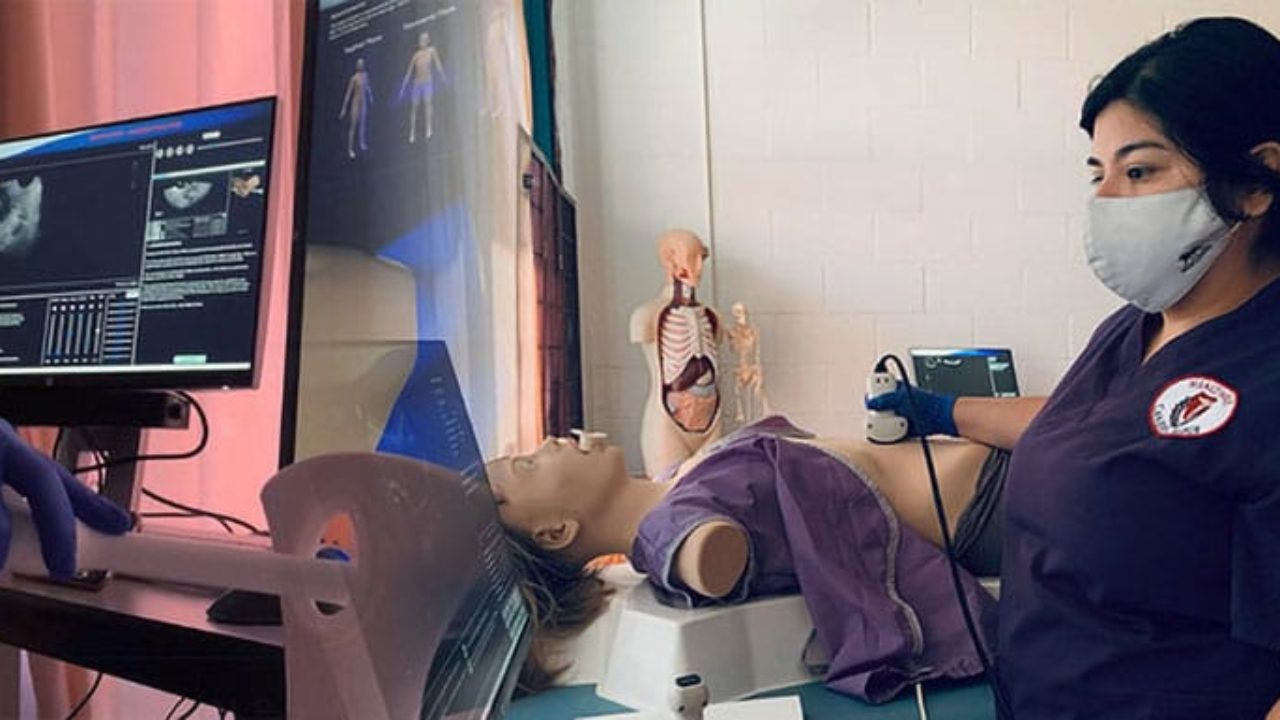
Credit: healthcarecareercollege.edu

Credit: www.concorde.edu
Frequently Asked Questions
What Degree Is Required For Ultrasound Tech?
To become an ultrasound tech, you typically need an Associate’s Degree in Diagnostic Medical Sonography. This program includes coursework and clinical training. Some students may pursue a Bachelor’s Degree for advanced opportunities. Certificate programs are also available for those with prior healthcare experience.
How Long Does Ultrasound Tech Training Take?
Ultrasound tech training usually takes two to four years. An Associate’s Degree program typically spans two years. A Bachelor’s Degree may take up to four years. Certificate programs can be completed in one year, depending on prior qualifications and experience.
Are Online Ultrasound Tech Degrees Available?
Yes, online ultrasound tech degrees are available. Many institutions offer hybrid programs combining online coursework with in-person clinical training. This flexible format allows students to balance studies with work or personal commitments. Ensure the program is accredited and meets industry standards.
What Subjects Are Covered In Ultrasound Tech Programs?
Ultrasound tech programs cover anatomy, physiology, patient care, and imaging techniques. Students learn about ultrasound physics and instrumentation. Courses also include pathology and ethics in healthcare. Clinical practice is essential for hands-on experience and skill development.
Conclusion
Becoming an ultrasound tech requires the right education. Most employers want an associate degree in diagnostic medical sonography. Some jobs may ask for a bachelor’s degree. Training programs include both classes and hands-on practice. Certification helps show your skills and improve job chances.
The path is clear and manageable with dedication. Choose the program that fits your goals and budget. This career offers good opportunities and meaningful work. Start with a solid degree to build your future.