Have you ever wondered what powers the next big breakthroughs shaping our future? Deep Tech is the secret behind revolutionary inventions that change how we live, work, and connect.
Understanding what Deep Tech really means can open your eyes to a world of innovation and opportunity you might be missing out on. You’ll discover how Deep Tech works, why it matters to you, and how it’s transforming industries in ways you never imagined.
Ready to dive in? Let’s explore what Deep Tech is all about.
Credit: medium.com
Deep Tech Basics
Understanding the basics of Deep Tech is essential if you want to grasp how it shapes industries and solves complex problems. Deep Tech goes beyond surface-level innovation; it digs into science and engineering to create groundbreaking solutions. Let’s break down what makes Deep Tech unique and how it stands apart from traditional technology.
Core Characteristics
Deep Tech is defined by its strong foundation in scientific research and engineering. It focuses on solving tough problems that require time and expertise to crack. Unlike quick fixes or simple software tweaks, Deep Tech involves:
- High complexity:It often deals with challenges that have no easy answers.
- Long development cycles:Creating Deep Tech solutions usually takes years of work and experimentation.
- Significant impact:The results can transform entire industries, from healthcare to energy.
Have you ever wondered why some technologies take years to reach the market but change everything once they do? That’s Deep Tech at work.
Key Technologies
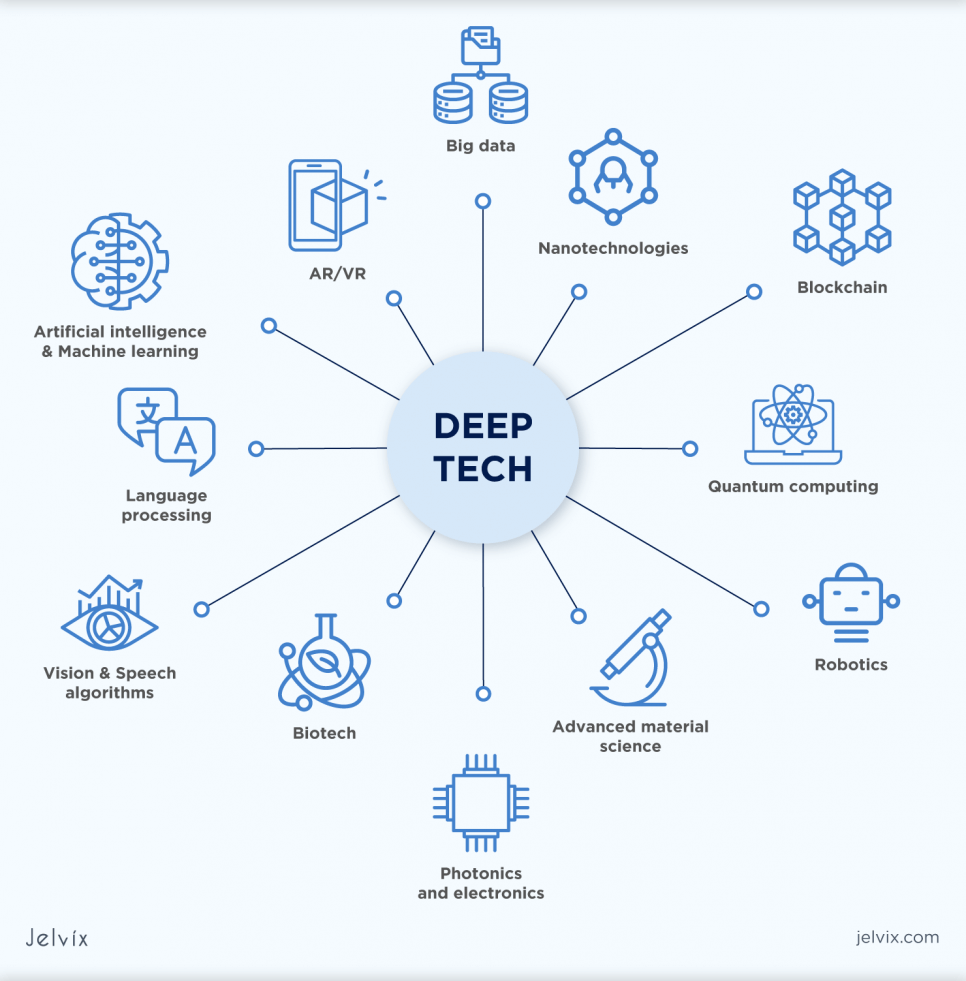
Deep Tech spans a variety of advanced fields. Some of the key technologies include:
- Artificial Intelligence (AI):Machines that learn and make decisions.
- Quantum Computing:Using quantum mechanics to perform complex calculations faster.
- Biotechnology:Manipulating biological systems for medicine and agriculture.
- Advanced Materials:Creating new substances with unique properties.
- Robotics:Designing machines that can perform tasks autonomously.
If you think about the smartphone in your hand or the medicines you take, many were developed using some form of Deep Tech. Which of these technologies do you find most exciting for the future?
Difference From Traditional Tech
Traditional technology often focuses on improving existing products or processes with incremental changes. It’s about making things faster, cheaper, or easier. Deep Tech, however, targets foundational changes and new scientific discoveries.
Traditional tech can be developed quickly and scaled fast, like new apps or software updates. Deep Tech demands more resources, expertise, and time but offers breakthroughs that can’t be matched by simple improvements.
Think about the difference between a new social media platform and a breakthrough gene-editing technique. Both are tech, but only one qualifies as Deep Tech. What kind of innovation do you think will shape your industry?
Driving Forces Behind Deep Tech
Deep tech is driven by several key forces. These forces work together to push innovation forward. They create new possibilities and solve complex problems. Understanding these driving forces helps us see why deep tech matters.
Scientific Advances
Scientific advances form the foundation of deep tech. Breakthroughs in physics, biology, and engineering open new paths. These discoveries allow for new technologies that were once impossible. Research in labs and universities fuels this progress. Without science, deep tech cannot evolve.
Funding And Investment
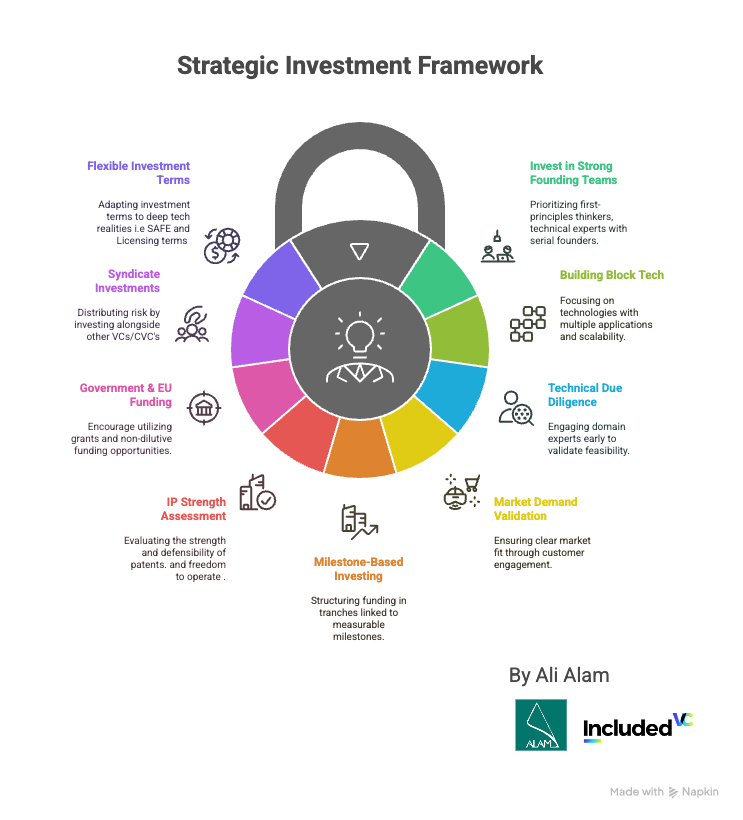
Funding plays a crucial role in deep tech development. Investors provide the money needed to turn ideas into reality. Venture capital, government grants, and corporate investments all contribute. This financial support helps cover research, prototyping, and scaling. Without funds, many deep tech projects would stall.
Talent And Expertise
Skilled people drive deep tech forward. Experts in science, engineering, and business bring ideas to life. Their knowledge and creativity solve tough challenges. Teams with diverse skills often produce the best results. Talent is essential for innovation and success in deep tech.
Major Deep Tech Areas
Deep Tech covers several key areas that push the boundaries of science and technology. These fields focus on creating new solutions using advanced knowledge and engineering. Each area tackles complex problems with cutting-edge research and innovation.
Exploring the major Deep Tech areas helps us understand how these technologies impact different industries. They drive progress in health, computing, materials, and automation, shaping the future of our world.
Artificial Intelligence And Machine Learning
Artificial Intelligence (AI) enables machines to perform tasks like humans. Machine Learning (ML) is a part of AI that allows systems to learn from data. These technologies improve decision-making, speech recognition, and image analysis.
Quantum Computing
Quantum Computing uses quantum bits to process information faster than traditional computers. It solves problems that are too complex for classical machines. This technology can impact cryptography, optimization, and simulations.
Biotechnology And Life Sciences
Biotechnology applies biology and technology to develop new medicines and treatments. Life Sciences study living organisms to improve health and agriculture. This area leads to breakthroughs in genetics, drug discovery, and disease control.
Advanced Materials
Advanced Materials involve creating new substances with unique properties. These materials are stronger, lighter, or more durable than conventional ones. They support innovations in electronics, construction, and energy storage.
Robotics And Automation
Robotics builds machines that perform tasks automatically. Automation uses technology to control processes without human help. Together, they increase efficiency in manufacturing, transportation, and daily life.
Deep Tech In Industry
Deep tech is reshaping various industries by introducing groundbreaking technologies that solve complex problems. It goes beyond simple digital tweaks and dives into scientific and engineering advances that create real, lasting impact. Let’s look at how deep tech is changing key sectors and what that means for your industry experience.
Healthcare Innovations
Deep tech in healthcare is delivering more accurate diagnostics and personalized treatments. AI-powered tools analyze vast amounts of patient data to detect diseases earlier and recommend tailored therapies. Imagine a world where your doctor can predict health risks before symptoms appear—this is becoming a reality.
Robotics and advanced sensors also play a big role in surgeries, making procedures less invasive and recovery faster. Have you ever wondered how technology might improve your next hospital visit? These innovations aim to make healthcare more precise and patient-friendly.
Energy And Sustainability
In the energy sector, deep tech helps you use resources more efficiently and reduce environmental impact. Technologies like advanced battery storage and smart grids optimize energy distribution to minimize waste. What if your home or office could adjust energy use automatically based on real-time data?
Breakthroughs in materials science are creating eco-friendly alternatives, from solar cells to carbon capture systems. These innovations not only support sustainability but also open new business opportunities for companies ready to lead the green transition.
Manufacturing And Supply Chains
Deep tech transforms manufacturing by integrating automation, AI, and IoT to streamline production. This means faster turnaround times and fewer errors, which can directly improve your product quality and delivery speed. Can your supply chain adapt quickly to unexpected changes or demands?
Digital twins and predictive analytics help companies foresee equipment failures and optimize inventory, reducing downtime. These tools give you better control and visibility over your entire manufacturing process.
Transportation And Mobility
Self-driving vehicles, smart traffic systems, and electric propulsion are all deep tech advancements reshaping transportation. These technologies aim to make your commute safer, faster, and more environmentally friendly. How would your daily travel change if congestion and emissions dropped dramatically?
Moreover, deep tech supports new mobility models like ride-sharing and on-demand logistics, improving convenience and reducing costs. These developments challenge traditional transport and create opportunities for smarter urban planning.
Challenges For Deep Tech Startups
Deep tech startups face many tough challenges. These startups work with new and complex technologies. Their path to success is not easy. Many factors slow down progress and growth.
Understanding these challenges helps prepare better strategies. It also shows why deep tech needs more time and support. The main hurdles include high costs, strict rules, slow market acceptance, and finding skilled people.
Research And Development Costs
Developing deep technology requires a lot of money. Experiments, prototypes, and tests cost heavily. Many startups struggle to find enough funds. These costs often last for years before seeing results. This long cycle can drain resources quickly.
Regulatory Hurdles
Deep tech products face strict government rules. These rules ensure safety and reliability. Startups must spend time and money to meet them. Approval processes can be slow and complex. Delays in regulations can block market entry.
Market Adoption
New technologies can take time to be accepted. Customers may hesitate to switch from known solutions. Trust and understanding need to build gradually. Startups must educate the market about their products. This slow adoption affects early revenue and growth.
Talent Acquisition
Finding skilled experts in deep tech is hard. The field requires unique knowledge and experience. Competition for talent is intense globally. Startups need to offer good benefits to attract workers. Without the right team, progress can stall quickly.
Credit: faun.pub
Future Trends And Opportunities
The future of deep tech holds many exciting trends and opportunities. It will shape industries and change how people live. Innovations will come from different fields working together. New markets will open, and global challenges will be addressed with advanced technology.
Cross-disciplinary Collaboration
Deep tech grows faster when experts from various fields unite. Engineers, scientists, and designers share ideas and solve problems together. This teamwork helps create products that are both smart and useful. Different skills lead to better solutions and faster progress.
Global Impact
Deep tech affects countries worldwide. It improves healthcare, energy, and communication systems. Many technologies help fight climate change and support sustainable growth. Innovations in one region can benefit millions everywhere. The reach of deep tech is broad and powerful.
Ethical Considerations
Using deep tech requires careful thought about ethics. Privacy, fairness, and safety are important concerns. Developers must ensure technology respects human rights. Transparent rules guide responsible innovation. Ethics build trust and protect society from harm.
Emerging Markets
New regions are adopting deep tech rapidly. These markets offer fresh chances for startups and investors. Local needs inspire unique solutions and new business models. Growth in these areas drives global innovation and diversity. Emerging markets play a key role in deep tech’s future.

Credit: faun.pub
Frequently Asked Questions
What Is The Meaning Of Deep Tech?
Deep Tech refers to technologies based on scientific innovations. These include AI, blockchain, quantum computing, and more. They aim to solve complex problems and create significant societal impact. Unlike traditional tech, Deep Tech requires extensive research and development.
How Does Deep Tech Differ From Regular Tech?
Deep Tech involves advanced scientific and engineering challenges. It focuses on breakthrough innovations rather than incremental improvements. Regular tech often utilizes existing technologies. Deep Tech requires substantial investment in R&D to develop unique solutions.
Why Is Deep Tech Important For The Future?
Deep Tech can solve global challenges like climate change and healthcare. It drives economic growth through innovation. By tackling complex problems, Deep Tech improves quality of life and creates new industries. It’s crucial for sustainable development.
What Are Some Examples Of Deep Tech?
Examples include artificial intelligence, quantum computing, and biotechnology. Blockchain and advanced robotics also fall under Deep Tech. These technologies transform industries and offer new solutions to old problems. They leverage scientific advances for practical applications.
Conclusion
Deep tech focuses on solving big problems with new science and tools. It changes how we live and work by creating smart, useful products. Many fields like health, energy, and space use deep tech to grow. This tech needs time and effort but offers strong, lasting results.
Understanding deep tech helps us see the future clearly. It shows how science and technology come together to improve life. Keep watching this area—it will shape our world soon.