Are you curious about how to become an X-ray tech? If you enjoy helping people and have an interest in healthcare, this career might be perfect for you.
Becoming an X-ray technician opens the door to a rewarding job where you get to work with advanced technology and play a key role in diagnosing patients. You’ll discover the clear steps to start your path, what skills you need, and how to stand out in this growing field.
Keep reading to find out how you can turn your interest into a successful career as an X-ray tech.
Career Path For Xray Techs
Understanding the career path for X-ray techs helps you make informed choices about your future. This role is more than just operating machines; it involves critical thinking and patient care. Let’s break down what you can expect in terms of job roles and where you might work.
Job Role And Responsibilities
As an X-ray tech, your main job is to create images of the inside of a patient’s body. These images help doctors diagnose illnesses or injuries accurately. You will need to position patients correctly and operate imaging equipment safely.
Your duties often include:
- Preparing and maintaining X-ray equipment
- Ensuring patient safety by following radiation protection guidelines
- Reviewing images for quality and clarity before sending them to doctors
- Communicating with patients to explain procedures and ease their concerns
Do you feel confident handling technology and showing care for patients at the same time? This balance is key to success in this role.
Work Settings And Environment
X-ray techs work in a variety of healthcare settings. Hospitals are the most common, but clinics, dental offices, and outpatient imaging centers also employ them. Each environment offers different challenges and pace of work.
In hospitals, you might deal with emergency cases that require quick and accurate imaging. Clinics may allow more regular hours and a calmer atmosphere. Some techs even travel to different locations, like nursing homes, to provide imaging services.
Think about where you would feel most comfortable. Do you prefer a fast-paced environment or a steady routine? Your choice will shape your daily experience and career growth opportunities.

Credit: www.cambridgehealth.edu
Educational Requirements
Becoming an X-ray technician requires a solid educational foundation. Your training will prepare you to handle advanced imaging equipment and understand patient care. Knowing what educational steps to take can make your path smoother and more focused.
High School Courses To Focus On
Your journey starts in high school. Focus on science courses like biology and physics—they help you understand how the human body works and how X-rays interact with tissues.
Math is also important. Classes in algebra and basic statistics will help you manage measurements and dosages accurately.
Don’t overlook computer skills. Many imaging machines are digital, so being comfortable with technology gives you an edge.
Accredited Programs And Degrees
After high school, choose an accredited radiologic technology program. Accreditation ensures the program meets industry standards and prepares you well for certification exams.
Programs typically offer an associate degree, which takes about two years. Some schools also offer bachelor’s degrees if you want deeper knowledge or leadership roles later.
Look for programs that combine classroom learning with hands-on clinical experience. Real-world practice is crucial—you’ll gain confidence working with patients and equipment.
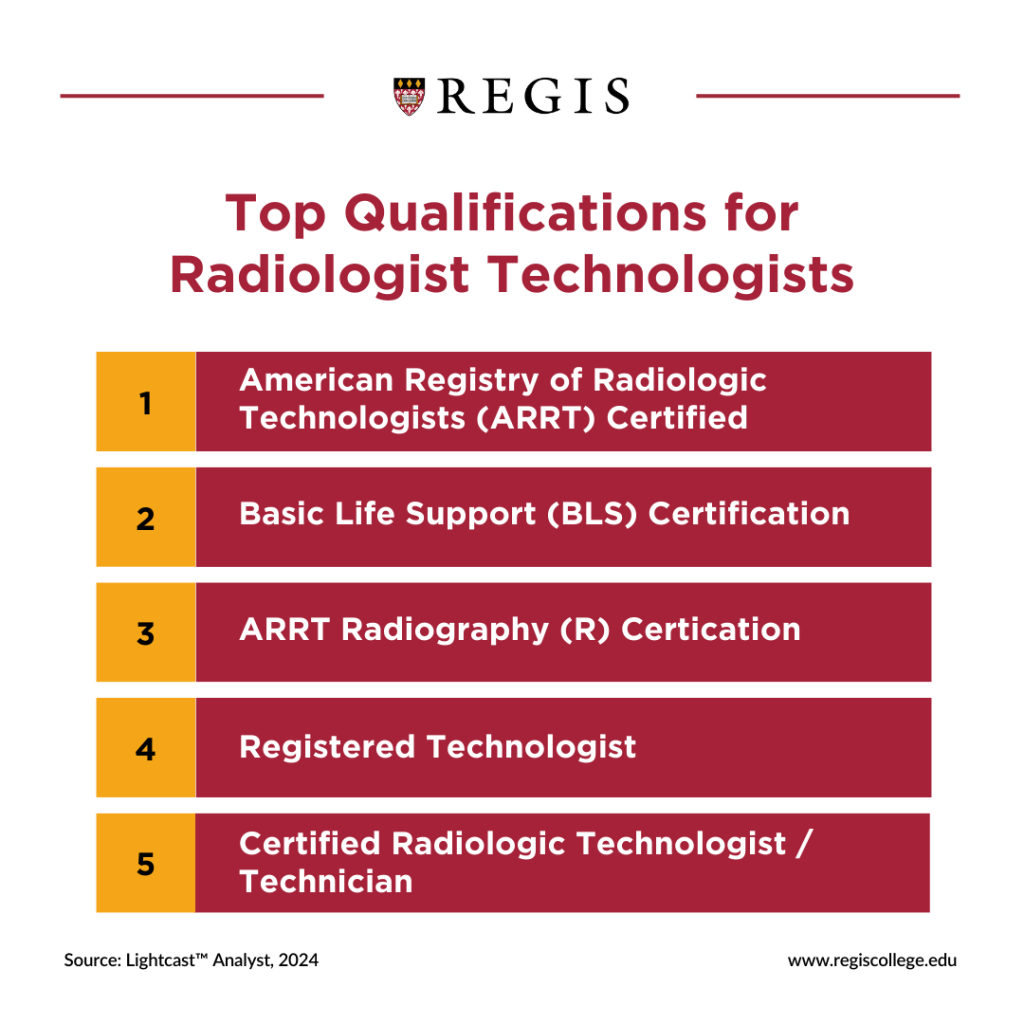
Have you checked if the program prepares you for the American Registry of Radiologic Technologists (ARRT) certification? Passing this is often required to work professionally.
Certification And Licensing
Certification and licensing are essential steps to become a qualified X-ray technician. These credentials prove your skills and knowledge to employers and patients. They also ensure you follow safety and professional standards in medical imaging.
Obtaining certification and meeting licensing requirements vary by location and employer. Understanding the process helps you prepare for exams and paperwork. This section explains the key certification bodies and state licensing rules.
Certification Bodies And Exams
The main certification for X-ray techs comes from the American Registry of Radiologic Technologists (ARRT). This organization tests your knowledge and skills in radiography.
- Complete an accredited radiologic technology program.
- Pass the ARRT certification exam.
- Maintain certification through continuing education.
Other certification options exist but ARRT is the most recognized nationwide. The exam covers anatomy, patient care, radiation safety, and imaging techniques.
State Licensing Requirements
Most states require X-ray techs to have a license to practice. Licensing rules differ widely and often depend on ARRT certification.
- Apply to your state’s health or medical board.
- Submit proof of education and certification.
- Pass a state-specific exam if required.
- Renew your license periodically with continuing education.
Check your state’s official website for detailed licensing steps. Meeting these rules ensures legal and safe work as an X-ray technician.
Skills Needed For Success
Becoming an X-ray technician requires a special set of skills. These skills help you perform your job well and keep patients safe. Both technical know-how and personal qualities matter a lot. They shape your daily work and how you interact with others.
Technical Skills
- Understanding how X-ray machines work
- Knowing safety rules to protect patients and yourself
- Ability to position patients correctly for clear images
- Familiarity with reading and adjusting imaging settings
- Basic knowledge of human anatomy to target X-rays properly
- Skill in maintaining and troubleshooting equipment
- Record-keeping and handling digital imaging software
Soft Skills
- Good communication to explain procedures clearly
- Patience to help nervous or uncomfortable patients
- Attention to detail to avoid errors in images
- Teamwork to cooperate with doctors and nurses
- Problem-solving to handle unexpected situations calmly
- Empathy to provide comfort during scans
- Strong work ethic to follow safety and ethical standards
Gaining Experience
Gaining hands-on experience is key to becoming a skilled X-ray technician. It helps you apply what you learn in class and builds your confidence in real healthcare settings. The more experience you get, the better prepared you will be for your future career.
Internships And Clinical Rotations
Internships and clinical rotations give you the chance to work alongside experienced radiologic technologists. These programs often take place in hospitals or diagnostic centers, letting you practice X-ray techniques on actual patients.
During these rotations, pay attention to how professionals handle equipment and interact with patients. Ask questions about safety measures and image quality. This direct exposure will sharpen your skills and help you understand daily responsibilities.
Have you considered how observing different cases can improve your problem-solving skills? Each patient and procedure is unique, and learning to adapt is essential. Use this time to take notes and reflect on what works best.
Entry-level Job Opportunities
Starting with an entry-level job can provide steady experience and open doors for advancement. Positions such as radiology aides or technicians’ assistants allow you to support the imaging team while continuing to learn on the job.
Look for openings in clinics, hospitals, or outpatient centers. Even roles that involve administrative tasks related to radiology can help you understand the workflow and build valuable connections.
Think about how these jobs can help you develop soft skills like communication and teamwork. These are just as important as technical ability in healthcare settings. Are you ready to take on responsibilities that push you to grow?

Credit: www.tiktok.com
Advancing Your Career
Advancing your career as an X-ray tech opens doors to new roles and higher pay. Developing skills and knowledge beyond basic radiography helps stand out. Growth often comes from gaining expertise in specific areas or further education.
Specializations In Radiologic Technology
Specializing can make your work more interesting and valuable. Common specialties include:
- Mammography – focusing on breast imaging
- Computed Tomography (CT) – advanced body scans
- Magnetic Resonance Imaging (MRI) – detailed images using magnets
- Radiation Therapy – treating cancer with radiation
Each specialization requires additional training and certification. These skills increase job options and salary potential.
Continuing Education Options
Continuing education keeps your skills current and boosts your career. Options include:
- Online courses and webinars
- Workshops and seminars
- Advanced degree programs
- Certification renewal classes
Many employers support further learning. Staying up-to-date enhances job security and expertise.
Salary And Job Outlook
The salary and job outlook for X-ray technicians reveal promising opportunities. This career offers steady income and growing demand. Understanding these factors helps in making informed decisions about this profession.
Average Earnings
X-ray techs earn a solid income. The average salary in the U.S. is around $60,000 per year. Entry-level positions start lower, around $45,000. Experienced techs can earn up to $75,000 or more. Salaries vary by location, experience, and work setting. Hospitals often pay higher than clinics or private offices.
Job Market Trends
The demand for X-ray techs is rising. Aging populations increase the need for medical imaging. New technology also creates more job roles. The U.S. Bureau of Labor Statistics expects job growth of 7% through 2030. This growth rate is faster than average. Job opportunities exist in hospitals, outpatient centers, and diagnostic labs. Flexibility in work hours adds to job appeal.

Credit: www.tiktok.com
Tips For Job Hunting
Hunting for an X-ray tech job can feel overwhelming, but focusing on key strategies will make a real difference. You want to stand out to employers who value not just your skills but also your professionalism and readiness. The right approach to your resume and interview can open doors faster than you might expect.
Building A Strong Resume
Your resume is your first impression. Keep it clear and concise, highlighting your certification, clinical experience, and any specialized training.
- Start with a summary:A brief, focused statement about your career goals and strengths as an X-ray tech.
- List certifications and licenses:Make sure your state license and ARRT certification (if applicable) are easy to find.
- Detail your clinical experience:Include specific types of imaging techniques you have performed.
- Show soft skills:Communication and patient care skills are highly valued. Include examples like teamwork or handling difficult patients.
- Use action verbs:Words like “performed,” “collaborated,” and “operated” give your resume energy.
Think about the last time you found a job posting. Did the resume you send mirror the keywords and skills they sought? Tailoring your resume for each application shows attention to detail and dedication.
Interview Preparation
Interviews can be nerve-wracking, but preparation helps you stay calm and confident. Knowing what to expect and practicing your responses will set you apart.
- Research the facility:Understand their values, equipment, and patient demographics.
- Practice common questions:Expect questions about radiation safety, handling emergency cases, and teamwork.
- Prepare your own questions:Asking about training programs or team dynamics shows genuine interest.
- Dress professionally:Your appearance reflects your seriousness about the job.
- Bring your documents:Copies of your resume, certifications, and references are essential.
Have you ever been asked a question that caught you off guard during an interview? Preparing for scenarios and technical questions ahead of time helps you answer clearly, making a strong impression.
Frequently Asked Questions
What Qualifications Do I Need To Become An Xray Tech?
To become an Xray tech, you need a high school diploma. You’ll also need to complete an accredited radiologic technology program. Certification and licensing vary by state, but most require passing an exam. Continuing education is important for staying updated with technological advancements.
How Long Does It Take To Become An Xray Tech?
It typically takes two years to become an Xray tech. This includes completing an associate degree program in radiologic technology. Some accelerated programs may shorten this duration. Additional time might be required for certification and licensing, depending on your state’s requirements.
What Skills Are Essential For An Xray Tech?
An Xray tech needs strong technical skills to operate imaging equipment. Attention to detail is crucial for accurate imaging. Good communication skills are important for patient interaction. Physical stamina helps in handling equipment and assisting patients. Continuous learning is essential for keeping up with new technologies.
How Much Does An Xray Tech Earn Annually?
An Xray tech’s salary varies based on location and experience. On average, they earn around $60,000 annually. Entry-level positions might earn less, while experienced techs can earn more. Salaries may also be influenced by additional certifications and specializations in imaging techniques.
Conclusion
Becoming an X-ray tech takes clear steps and effort. Start with the right education and training programs. Gain practical experience through clinical practice. Passing certification exams proves your skills and knowledge. Keep learning to stay updated in the field. This career offers good job opportunities and helps people.
Take one step at a time and stay focused. Your path to becoming an X-ray tech is achievable.