
Are you wondering if your Information Systems degree can open doors at top tech companies? You’re not alone.
Many students and professionals ask if big names like Google, Apple, or Microsoft actually hire Information Systems majors. The answer might surprise you—and it could change how you plan your career. Keep reading to discover what these companies really look for and how your major fits into the tech world.
This insight could be the key to landing your dream job.
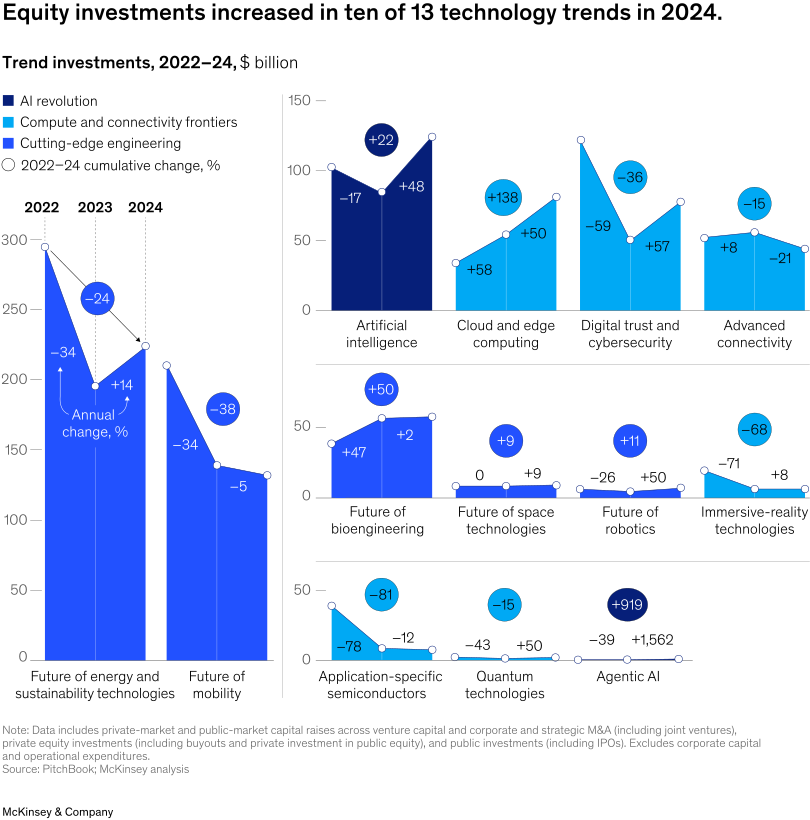
Credit: www.mckinsey.com
Tech Companies And Information Systems
Tech companies rely heavily on information systems to manage data and improve services. These systems help companies handle complex tasks and support decision-making. Information systems majors learn skills that match the needs of the tech industry. Their knowledge bridges business and technology, making them valuable assets.
Role Of Information Systems In Tech
Information systems connect technology with business goals. They help design software that meets user needs. These systems manage data flow across departments. They improve efficiency by automating routine tasks. Many tech projects depend on strong information systems support. This role requires understanding both tech and business processes.
Demand For Is Skills In The Industry
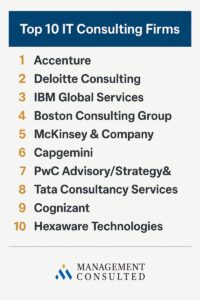
Tech companies seek candidates with information systems expertise. Skills like data analysis, system design, and project management are important. Employers value professionals who can solve problems using technology. Knowledge of databases and networks is often required. IS majors often work in roles such as business analyst or IT consultant. This demand grows as companies adopt new technologies and data-driven strategies.
Credit: managementconsulted.com
Key Skills Valued By Top Employers
Top tech companies seek candidates with a strong mix of technical and business skills. Information Systems majors often possess this blend, making them valuable to these employers. Understanding the key skills that companies value helps students and professionals prepare better. These skills fall into three main categories: technical competencies, business and analytical skills, and soft skills.
Technical Competencies
Technical skills form the foundation of any role in tech companies. Employers expect proficiency in:
- Database management and SQL
- Programming languages like Python, Java, or JavaScript
- Systems analysis and design
- Data security and privacy principles
- Cloud computing platforms such as AWS or Azure
Strong technical knowledge allows professionals to build and maintain efficient systems. It also ensures they can solve complex IT problems quickly.
Business And Analytical Skills
Understanding business needs is vital in tech roles. Information Systems majors often bridge the gap between IT and business teams. Key skills in this area include:
- Data analysis and interpretation
- Project management basics
- Process improvement methods
- Understanding of business models and workflows
- Decision-making based on data insights
These skills help in designing systems that support company goals and improve efficiency.
Soft Skills Importance
Soft skills influence how well a person works with others and adapts to change. Employers value:
- Effective communication
- Team collaboration
- Problem-solving attitude
- Time management
- Adaptability and willingness to learn
These skills ensure smooth project execution and foster a positive work environment.
Comparing Is Majors With Other Tech Degrees
When deciding on a tech degree, you might wonder how an Information Systems (IS) major stacks up against other popular choices. Understanding these differences can help you target your career path more effectively. Let’s break down how IS compares with Computer Science and Software Engineering, so you can see which aligns best with your goals.
Is Vs Computer Science
Information Systems focuses on applying technology to solve business problems, whereas Computer Science dives deeper into programming, algorithms, and theory. If you enjoy working with databases, networks, and managing IT projects, IS might feel more practical and hands-on.
Computer Science, on the other hand, builds a strong foundation in coding and software development. Think about whether you want to build software from scratch or implement and manage tech solutions within organizations. That choice influences which degree suits you better.
Is Vs Software Engineering
Software Engineering is all about designing and developing software systems with engineering principles. It requires strong programming skills and an understanding of software lifecycle management.
Information Systems majors tend to focus more on the intersection between technology and business processes. If you prefer working closely with stakeholders to improve workflows and integrate technology, IS might be more fulfilling.
Have you considered whether you want to be writing code daily or leading tech-driven business initiatives? Your answer can guide your decision between these degrees.
Hiring Trends At Leading Tech Companies
Hiring trends at leading tech companies reveal a clear openness to candidates from diverse educational backgrounds, including Information Systems majors. These companies value skills that align with real-world problem-solving and business technology integration. Understanding their recruitment approach can help you tailor your job search and stand out in a competitive market.
Recruitment Practices
Top tech firms often focus on practical skills and adaptability rather than just specific degrees. They look for candidates who can bridge the gap between business needs and technology solutions. This means your knowledge in information systems, like data management and system analysis, is highly relevant.
Many companies use a mix of technical assessments and behavioral interviews. They want to see how you think through problems and communicate your ideas clearly. Preparing for these interviews by practicing coding challenges and explaining your projects can give you an edge.
Internship And Entry-level Opportunities
Internships serve as a crucial gateway into tech companies, and many offer programs specifically designed for Information Systems students. These roles focus on real projects that enhance both your technical and business understanding. Applying early and showing your eagerness to learn can increase your chances significantly.
Entry-level positions often emphasize teamwork and the ability to quickly learn new technologies. Demonstrating any hands-on experience with databases, cloud platforms, or cybersecurity can make your application more attractive. Have you considered how your coursework or personal projects can showcase these skills effectively?
Career Paths For Information Systems Graduates
Information Systems graduates have a broad spectrum of career paths to choose from. The skills you acquire position you well for various roles that blend technology and business. Understanding where your degree can take you helps in planning your next steps effectively.
Roles In Tech Companies
Tech companies value Information Systems majors for their ability to bridge the gap between IT and business needs. You might find yourself as a Business Analyst, translating technical details into business strategies. Or you could work as a Systems Analyst, improving IT processes to boost company efficiency.
Other common roles include:
- IT Project Manager – leading projects that implement new software or infrastructure
- Data Analyst – interpreting data to help companies make informed decisions
- Cybersecurity Specialist – protecting company data from cyber threats
Have you considered which role fits your strengths and interests? Your hands-on experience with systems and data can guide your choice.
Growth And Advancement
Once you start in an entry-level position, growth is often rapid if you continue learning. Many Information Systems pros move into leadership roles such as IT Director or Chief Information Officer (CIO). These positions require not just technical skills but also strategic thinking and communication.
Certifications like PMP (Project Management Professional) or CISSP (Certified Information Systems Security Professional) can boost your advancement. Networking within tech communities also opens doors you might not find through job boards.
Are you ready to invest time in building both your technical and soft skills? Your career path can expand in many directions if you stay proactive and curious.
Tips For Is Majors To Stand Out
Standing out as an Information Systems (IS) major can open doors to top tech companies. It requires more than just good grades. Building a strong profile with practical skills and connections helps you get noticed. Below are key tips to help you rise above the competition.
Building Relevant Experience
Experience speaks louder than words. Engage in internships, part-time jobs, or projects that relate to IS. Real-world experience shows employers you understand technology and business. Try to work on tasks like system analysis, database management, or software development.
- Join student tech clubs or groups.
- Contribute to open-source projects.
- Create a portfolio of your work.
- Volunteer for tech roles in community events.
Networking Strategies
Connections often lead to job opportunities. Attend industry events, seminars, and career fairs. Use platforms like LinkedIn to connect with professionals and alumni. Build genuine relationships by asking questions and showing interest in their work.
- Prepare a short introduction about yourself.
- Follow up after meetings with a thank-you message.
- Join online forums related to IS.
- Participate in hackathons and workshops.
Certifications And Continued Learning
Certifications prove your skills to employers. Focus on widely recognized ones like CompTIA, Cisco, or Microsoft. Keep learning new tools and technologies to stay current. Online courses and tutorials help you grow your knowledge at your own pace.
- Choose certifications aligned with your career goals.
- Practice skills through hands-on labs.
- Read industry blogs and news.
- Attend webinars and virtual classes.
Credit: datasciencedojo.com
Frequently Asked Questions
Do Tech Companies Hire Information Systems Majors?
Yes, top tech companies hire information systems majors. They value their skills in systems analysis, database management, and IT solutions. Graduates often find roles in IT consulting, project management, and software development. Information systems majors are equipped with the knowledge to support digital transformation initiatives.
What Skills Do Information Systems Majors Offer?
Information systems majors offer skills in data analysis, system design, and IT management. They understand business processes and technology integration. Their expertise in cybersecurity and database management is highly sought after. These skills help companies optimize operations and enhance data-driven decision-making.
Are Internships Crucial For Information Systems Students?
Internships are crucial for information systems students. They provide real-world experience and industry connections. Many tech companies prioritize candidates with internship experience. Internships help students apply theoretical knowledge and develop practical skills. They often lead to full-time job opportunities after graduation.
How Do Information Systems Majors Impact Businesses?
Information systems majors impact businesses by optimizing processes and improving efficiency. They design systems to streamline operations and enhance data management. Their skills in IT solutions and digital strategy support business growth. Companies rely on them to implement innovative technologies and drive digital transformation.
Conclusion
Top tech companies value information systems majors for many reasons. These graduates understand both business and technology well. Their skills help companies solve problems quickly and improve processes. Employers seek candidates who can work with data and systems smoothly. Information systems majors have a good chance of landing roles in big tech firms.
Gaining practical experience and learning new tools boosts job prospects. Staying curious and adaptable matters most in this fast field. This path offers solid opportunities for those who enjoy tech and business together.