Are you ready to take the next step toward a rewarding career as a pharmacy technician? Getting your pharmacy tech license is the key to unlocking new job opportunities and earning potential.
But how exactly do you get licensed? You might feel overwhelmed by the process or unsure where to start. Don’t worry—this guide will walk you through every step you need to take to earn your pharmacy tech license quickly and confidently.
Keep reading, and you’ll discover the clear path to turning your goals into reality.
Pharmacy Tech Role
The role of a pharmacy technician is more than just assisting pharmacists; it is a vital part of the healthcare system that demands accuracy, attention to detail, and excellent communication skills. As you consider obtaining your pharmacy tech license, understanding the everyday duties and environment of this role will help you decide if it aligns with your career goals.
Key Responsibilities
Pharmacy technicians handle a variety of tasks that ensure prescriptions are filled correctly and efficiently. You will prepare and label medications, verify dosages, and manage inventory. Communication is crucial, as you often interact with patients and healthcare professionals to clarify prescriptions and provide guidance on medication usage.
Accuracy is essential. One error can affect a patient’s health, so attention to detail is non-negotiable. You may also assist in billing and record-keeping, which requires familiarity with healthcare software.
Work Environment
Pharmacy techs work in diverse settings such as retail pharmacies, hospitals, long-term care facilities, and even mail-order pharmacies. Each environment has its own pace—retail might be fast and customer-focused, while hospital settings can be more clinical and team-oriented.
You’ll spend a lot of time on your feet and may need to handle multiple tasks at once. If you enjoy a dynamic workplace and working directly with people, this could be a good fit. However, some environments require shift work, including nights and weekends, so consider how this fits your lifestyle.
Career Benefits
One of the biggest benefits of becoming a licensed pharmacy tech is job stability. The demand for qualified techs grows as the healthcare industry expands. You’ll gain valuable skills that can open doors to further education and advancement, such as becoming a pharmacist or specializing in areas like chemotherapy or nuclear pharmacy.
Besides steady income, many positions offer benefits like health insurance, retirement plans, and tuition reimbursement. Have you thought about how gaining this license could be your first step toward a rewarding healthcare career with plenty of opportunities to grow?
Credit: www.uscareerinstitute.edu
License Requirements
Getting a pharmacy technician license requires meeting specific standards. These standards ensure that each technician is qualified and ready to handle their duties safely. Understanding these license requirements helps you prepare and meet the necessary criteria.
State Regulations
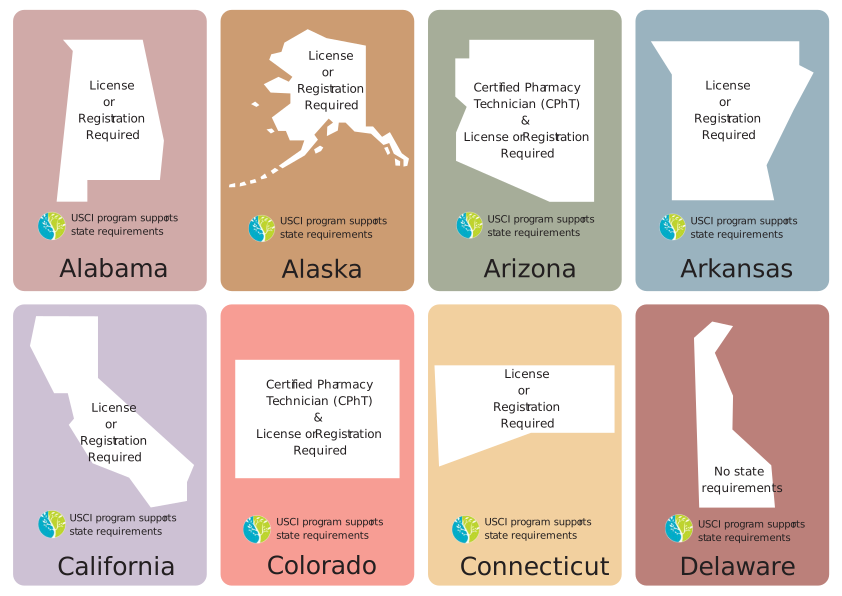
Each state has its own rules for pharmacy tech licensing. Some states require passing a state exam. Others accept national certification exams. Licensing rules can include application forms and fees. It is important to check the exact rules in your state before applying.
Educational Prerequisites
Most states require a high school diploma or GED. Some states ask for completion of a pharmacy technician training program. These programs teach you how to handle medications and assist pharmacists. Training can be found at community colleges or vocational schools. Always verify if your state has specific training requirements.
Age And Background Checks
Applicants usually must be at least 18 years old. States conduct criminal background checks before issuing a license. This process ensures patient safety and trust. A clean record helps speed up licensing approval. Some states may refuse a license for certain criminal offenses.
Training Programs
Choosing the right training program is a key step toward getting your pharmacy tech license. The program you select shapes your knowledge, skills, and readiness for certification exams. Let’s look at what you need to know about training options to make the best decision for your career.
Accredited Courses
Not all pharmacy tech programs are created equal. You should pick courses accredited by recognized organizations like the American Society of Health-System Pharmacists (ASHP). Accreditation ensures the program meets industry standards and prepares you well for licensing exams.
Attending an accredited course also boosts your credibility with employers. Imagine spending months studying only to find out your certificate isn’t accepted. Don’t let that happen—always verify accreditation before enrolling.
Online Vs In-person
Online programs offer flexibility, allowing you to study at your own pace from anywhere. This works well if you juggle work or family responsibilities. However, some hands-on skills might be harder to master without in-person practice.
In-person courses provide direct access to instructors and lab experience. If you learn better through interaction and immediate feedback, this might suit you more. Think about how you learn best and what your schedule allows before deciding.
Cost And Duration
| Program Type | Average Cost | Typical Duration |
|---|---|---|
| Online | $1,000 – $2,500 | 4 to 12 months |
| In-Person | $1,500 – $3,000 | 6 to 12 months |
Costs vary widely depending on the program’s length and delivery method. Shorter programs might cost less but expect a faster pace and more intense study. Think about your budget and how much time you can commit each week.
What’s more important to you: finishing quickly or having more time to absorb material? Your answer will guide your choice between shorter or longer programs.
Certification Exams
Certification exams are a crucial step in earning your pharmacy tech license. These tests measure your knowledge and skills to ensure you’re ready for the responsibilities ahead. Understanding the exams will help you prepare effectively and boost your confidence on test day.
Popular Certifications
Two main certifications dominate the pharmacy tech field: the Pharmacy Technician Certification Board (PTCB) exam and the National Healthcareer Association (NHA) exam. Both are widely recognized by employers and state boards. Choosing the right one depends on your state’s requirements and your career goals.
The PTCB certification often opens more doors since it is accepted nationwide. The NHA exam, on the other hand, is known for its focus on practical skills. Check your state’s website to see which exam is preferred or required.
Exam Format
Both exams are computer-based and typically last around two hours. You can expect multiple-choice questions covering topics such as medication safety, pharmacy laws, and drug classifications.
The PTCB exam includes 90 questions, with 80 scored and 10 unscored pretest questions. The NHA test usually has around 110 questions, with a similar mix of scored and unscored items. Time management during the test is essential; don’t spend too long on any one question.
Study Tips
Start by reviewing the official exam content outlines to focus your study sessions. Use flashcards to memorize drug names and classifications—they helped me recall information quickly under pressure.
Practice exams are your best friend. Taking multiple practice tests will highlight your weak areas and get you used to the exam’s pace. Break your study time into short, daily sessions instead of cramming, which helps retain information better.
Ask yourself: Are you balancing studying with hands-on experience? Volunteering or working in a pharmacy while you prepare can make the material more relatable and easier to understand.
Application Process
The application process for a pharmacy tech license is straightforward but requires attention to detail. Each state or region may have specific steps and requirements. Understanding these helps avoid delays and errors.
Prepare all necessary materials before starting the application. Follow the instructions closely to ensure your form is accepted without issues.
Required Documents
- Proof of high school diploma or equivalent
- Completed application form from the licensing board
- Government-issued photo ID (e.g., driver’s license, passport)
- Proof of completed pharmacy technician training or education
- Criminal background check report
- Application fee payment receipt
- Any additional documents requested by your state board
Submission Steps
- Fill out the application form accurately and clearly
- Gather all required documents listed above
- Check for any specific instructions on document format or submission
- Submit the application online or by mail, depending on your state’s process
- Keep copies of all submitted documents for your records
- Confirm receipt of your application through the licensing board
Fees And Timelines
| Fee Type | Typical Cost | Processing Time |
|---|---|---|
| Application Fee | $50 – $150 | 2 to 6 weeks |
| Background Check Fee | $30 – $75 | Varies by provider |
| Exam Fee (if applicable) | $100 – $150 | Depends on exam schedule |
Processing times differ by state and workload. Start early to avoid delays. Pay fees promptly to keep your application active.

Credit: www.facebook.com
Maintaining License
Keeping your pharmacy tech license active is just as important as earning it. Staying on top of maintenance ensures you can continue working without interruption. It also shows your commitment to professionalism and patient safety.
Renewal Procedures
License renewal usually happens every one to two years, depending on your state’s rules. You’ll need to submit a renewal application along with a fee. Some states offer online renewal, which makes the process quicker and easier.
Missing the renewal deadline can lead to penalties or even license suspension. Set reminders well before your license expires to avoid last-minute stress. Check your state board’s website regularly for any changes in renewal requirements.
Continuing Education
Most states require pharmacy techs to complete continuing education (CE) credits to renew their license. These courses keep your skills sharp and update you on new pharmacy laws and technologies. You can find approved CE programs online or through professional organizations.
Make sure the courses you choose are recognized by your state board. Keep records of your completed CE credits in case you need to prove your compliance. How often do you check for new learning opportunities that could boost your expertise?
Handling Disciplinary Actions
If you face disciplinary actions, responding promptly is critical. This might involve fines, additional training, or temporary suspension. Ignoring these issues can lead to permanent loss of your license.
Always keep copies of all correspondence related to disciplinary cases. If needed, consult a legal expert familiar with pharmacy regulations. Handling these situations professionally helps protect your career and reputation.
Job Search Strategies
Landing your pharmacy tech license is just the beginning. The next challenge is finding the right job that matches your skills and career goals. Effective job search strategies can make a big difference in how quickly you get hired and where you start your career journey.
Resume Tips
Your resume is your first impression with potential employers. Make sure it clearly highlights your pharmacy tech license, relevant skills, and any hands-on experience you have.
- Use bullet points to list job duties and accomplishments for easy reading.
- Include keywords from the job description to pass through applicant tracking systems.
- Keep it concise—one page is usually enough if you’re just starting out.
Think about how your resume tells a story about your qualifications. Does it show that you’re ready to handle the responsibilities of a pharmacy tech? If not, what can you add or change?
Interview Preparation
Interviews are your chance to show your personality and professionalism beyond your resume. Practice common pharmacy tech interview questions, like how you handle stressful situations or ensure accuracy in medication dispensing.
- Research the pharmacy or healthcare facility beforehand to tailor your answers.
- Prepare examples that demonstrate your attention to detail and teamwork skills.
- Dress professionally and arrive early to make a confident first impression.
Ask yourself, how can you stand out from other candidates? What unique experiences or skills can you bring to the table?
Networking Opportunities
Building connections can open doors to job opportunities that aren’t advertised. Attend local pharmacy association meetings, job fairs, or online forums related to pharmacy tech careers.
- Reach out to former instructors or classmates who might know about openings.
- Join LinkedIn groups focused on pharmacy and healthcare professions.
- Volunteer or intern to gain experience and meet professionals in the field.
Have you considered who in your current circle might help you get your foot in the door? Sometimes, a simple conversation can lead to your next job.

Credit: www.healthprouae.com
Frequently Asked Questions
What Are The Requirements For A Pharmacy Tech License?
To get a pharmacy tech license, you must meet specific educational and training requirements. Typically, this includes completing a pharmacy technician program and passing a certification exam. Some states may require additional qualifications, such as background checks or continuing education.
Always check your state’s specific requirements.
How Long Does It Take To Get Licensed?
Obtaining a pharmacy tech license usually takes several months to a year. This includes completing a training program and passing a certification exam. The timeline may vary based on the state’s requirements and the availability of exam dates. Plan accordingly to ensure you meet all necessary criteria.
Do I Need A Degree To Become A Pharmacy Tech?
A degree is not required to become a pharmacy tech. Most states require a high school diploma or GED and completion of a pharmacy technician training program. Certification exams are necessary for licensure. Some employers may prefer candidates with additional education, but it’s not mandatory.
Is Certification Necessary For Pharmacy Techs?
Certification is essential for pharmacy techs in most states. It demonstrates your competence and knowledge in the field. Certification is typically obtained by passing an exam from recognized organizations like PTCB or NHA. Check your state’s specific requirements for certification and licensure details.
Conclusion
Getting your pharmacy tech license takes clear steps and focus. Start with proper education and training. Pass the required exams with good preparation. Keep your documents and application ready and complete. Stay updated on state rules and renew your license on time.
This path opens many job chances in healthcare. Take it one step at a time. Your goal is within reach. Stay committed and confident throughout the process.