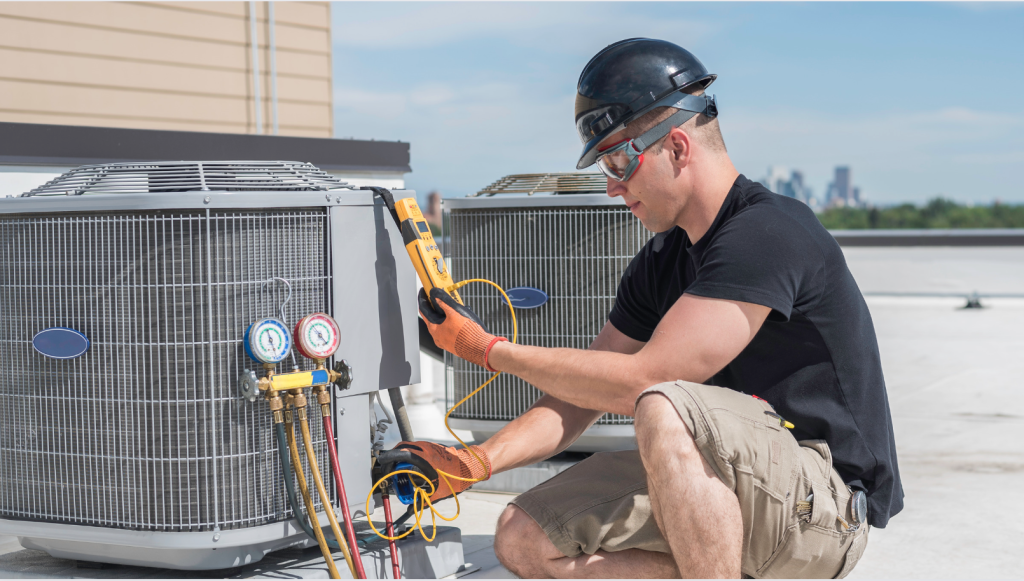
Have you ever wondered what HVAC techs really do? Whether it’s the hot summer days or chilly winter nights, these experts keep your home comfortable.
But their job is more than just turning on a heater or an AC unit. If you want to know how they fix, maintain, and improve your system, you’re in the right place. Keep reading to discover the key roles HVAC techs play and why their work matters for your everyday comfort.
Daily Responsibilities
HVAC technicians have a hands-on role every day that keeps heating, ventilation, and air conditioning systems running smoothly. Their daily responsibilities cover a range of tasks that ensure comfort and safety in homes and businesses. Understanding these tasks gives you a clearer picture of the skills and dedication involved in this profession.
System Installation
Installing HVAC systems is more than just placing equipment in a building. Technicians carefully read blueprints to understand the layout and determine the best setup for airflow and efficiency.
They connect various components like ducts, thermostats, and compressors, making sure everything fits perfectly. Have you ever considered how much precision goes into fitting these systems so they work without wasting energy?
Routine Maintenance
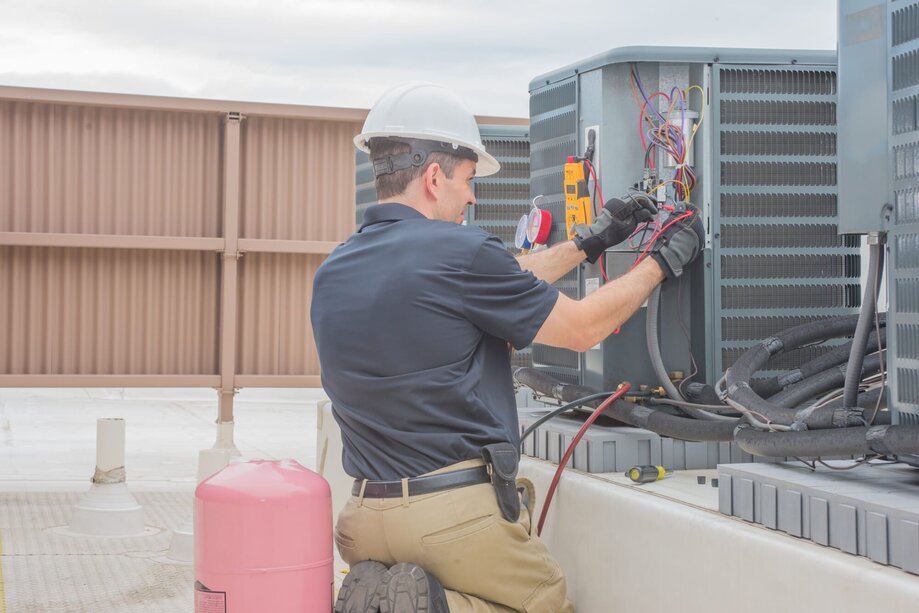
Daily checks and upkeep prevent small problems from turning into costly repairs. Technicians clean filters, inspect electrical connections, and check refrigerant levels regularly.
This maintenance keeps systems running efficiently and extends their lifespan. Think about how often you change a simple air filter at home—imagine doing that for dozens of systems every week!
Troubleshooting Issues
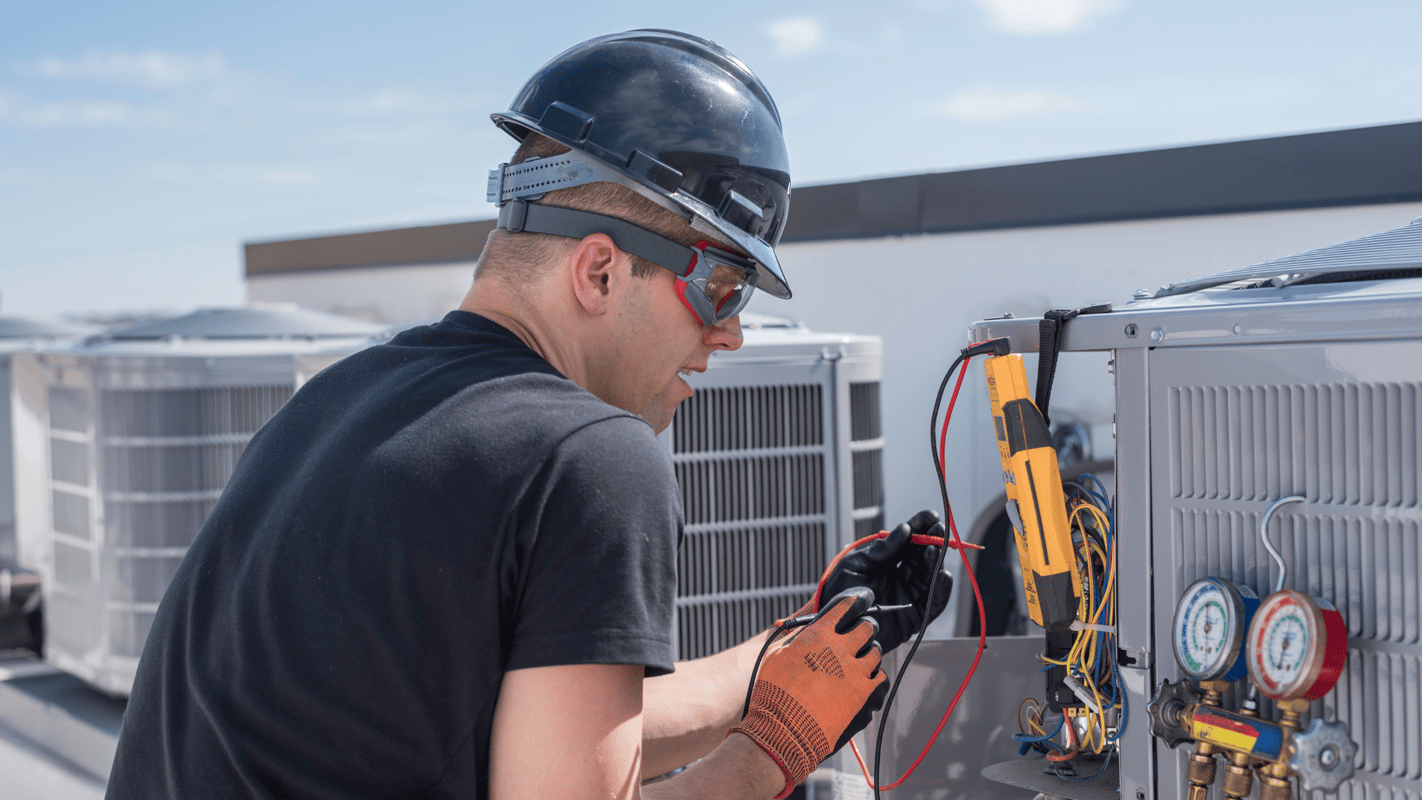
When an HVAC system stops working properly, technicians step in to diagnose the problem quickly. They use tools like gauges and digital meters to find faults in the electrical or mechanical parts.
Sometimes, the cause is obvious, like a blown fuse. Other times, it requires deeper investigation to spot hidden issues. Have you ever wondered how they figure out problems that aren’t visible at first glance?
System Repairs
Fixing broken parts is a critical part of an HVAC tech’s job. Whether it’s replacing worn-out belts, fixing leaks, or repairing motors, their goal is to restore full function as quickly as possible.
Repairs demand both technical knowledge and manual skill. Next time your air conditioner suddenly stops working, remember the expertise needed to get it back up and running.
Types Of Hvac Systems
HVAC techs work with different types of systems like split, ductless, and packaged units. They install, maintain, and repair these systems to keep homes comfortable. Understanding each system helps them provide the right service.
Types of HVAC Systems: Understanding the Basics When it comes to heating, ventilation, and air conditioning (HVAC) systems, there are several types to consider. Each type is designed to meet the unique needs of a specific building or space. Understanding the different types of HVAC systems is crucial for choosing the right system for your home or business.Residential Systems
Residential HVAC systems are designed to meet the needs of individual homes. These systems typically consist of a furnace or air handler, air conditioner, and thermostat. They come in various configurations, including single-stage, two-stage, and multi-stage systems. Some common types of residential HVAC systems include: Forced Air Systems: These systems use ductwork to distribute heated or cooled air throughout the home. Ductless Systems: These systems use wall-mounted units to heat or cool individual rooms. Heat Pumps: These systems use a single unit to both heat and cool the home.Commercial Systems
Commercial HVAC systems are designed to meet the needs of businesses, schools, and other large buildings. These systems are typically more complex and require more maintenance than residential systems. They often consist of multiple units, including air handlers, chillers, and rooftop units. Some common types of commercial HVAC systems include: Packaged Systems: These systems are self-contained and include all the necessary components, including a compressor, fan, and coil. Split Systems: These systems consist of separate units for heating and cooling. Chillers: These systems use a refrigerant to cool large buildings.Industrial Systems
Industrial HVAC systems are designed to meet the needs of large industrial facilities, such as factories and warehouses. These systems are typically more complex and require more maintenance than commercial systems. They often consist of multiple units, including air handlers, chillers, and heat exchangers. Some common types of industrial HVAC systems include: Centralized Systems: These systems use a central unit to distribute heated or cooled air throughout the facility. Decentralized Systems: These systems use multiple units to heat or cool individual areas of the facility. Hybrid Systems: These systems combine different types of HVAC systems to meet the unique needs of the facility. In summary, understanding the different types of HVAC systems is crucial for choosing the right system for your home or business. By considering the unique needs of your space, you can select a system that provides optimal comfort, efficiency, and reliability.Tools And Equipment
HVAC technicians rely on a variety of tools and equipment to keep heating and cooling systems running smoothly. These tools help them diagnose issues, perform repairs, and maintain safety standards. Each category of tools plays a crucial role in their daily work.
Diagnostic Tools
Technicians use diagnostic tools to find problems in HVAC systems quickly. Common tools include:
- Multimeters to measure electrical currents and voltages
- Manifold gauges to check refrigerant pressure
- Thermometers for temperature readings
- Leak detectors to find refrigerant leaks
These tools give precise data for accurate troubleshooting.
Repair Equipment
Repair equipment allows HVAC techs to fix and replace parts efficiently. Essential tools include:
- Wrenches and pliers for tightening and loosening fittings
- Screwdrivers for assembling and disassembling components
- Pipe cutters and benders for custom refrigerant lines
- Soldering kits to join metal parts securely
Having the right repair equipment speeds up the job and ensures quality work.
Safety Gear
Safety gear protects technicians from hazards on the job. Important items are:
- Gloves to prevent cuts and burns
- Safety glasses to shield eyes from debris
- Respirators for breathing protection
- Ear protection against loud noises
Wearing proper safety gear reduces risks and keeps techs safe.
Skills And Knowledge
HVAC technicians need a strong mix of skills and knowledge to succeed. They work with complex systems that require both technical know-how and soft skills. Their daily tasks vary, so they must adapt quickly and think clearly.
Technical Expertise
HVAC techs must understand heating, ventilation, and air conditioning systems deeply. They learn about electrical wiring, refrigeration cycles, and system controls. Reading blueprints and manuals is part of their job. They use tools and equipment to install, maintain, and repair units. Staying updated on new technologies is important.
Problem-solving Skills
Finding and fixing issues fast is key for HVAC techs. They diagnose problems using tests and inspections. Logical thinking helps them pinpoint faults and choose the best solutions. They often face unexpected challenges and must adapt quickly. Attention to detail prevents future breakdowns.
Customer Interaction
Good communication is vital for HVAC technicians. They explain problems and repairs in simple terms. Listening to customer concerns builds trust and satisfaction. Being polite and professional creates a positive experience. Clear communication helps avoid misunderstandings and ensures proper service.
Safety Protocols
Safety protocols are the backbone of every HVAC technician’s daily routine. These professionals handle complex systems that involve hazardous materials, high voltages, and tight spaces. Ensuring safety is not just about following rules—it’s about protecting yourself and everyone around you from serious harm.
Handling Refrigerants
Refrigerants can be dangerous if not handled properly. They often contain chemicals that can cause frostbite or respiratory issues. You need to use proper gloves and eye protection every time you work with these substances.
Proper ventilation is essential when dealing with refrigerants to avoid harmful exposure. Always check for leaks using approved detectors instead of relying on your nose or guesswork. Have you ever considered how a small leak could impact your health long-term?
Electrical Safety
Electricity powers HVAC systems, but it can also cause severe injuries. Before any repair, always turn off the power at the breaker and verify it’s off with a voltage tester. Never assume the system is safe—double-checking is critical.
Wearing insulated gloves and using tools with non-conductive handles reduces the risk of shocks. Keeping your work area dry and organized also helps prevent accidents. Are you confident in your electrical safety habits when working under pressure?
Workplace Hazards
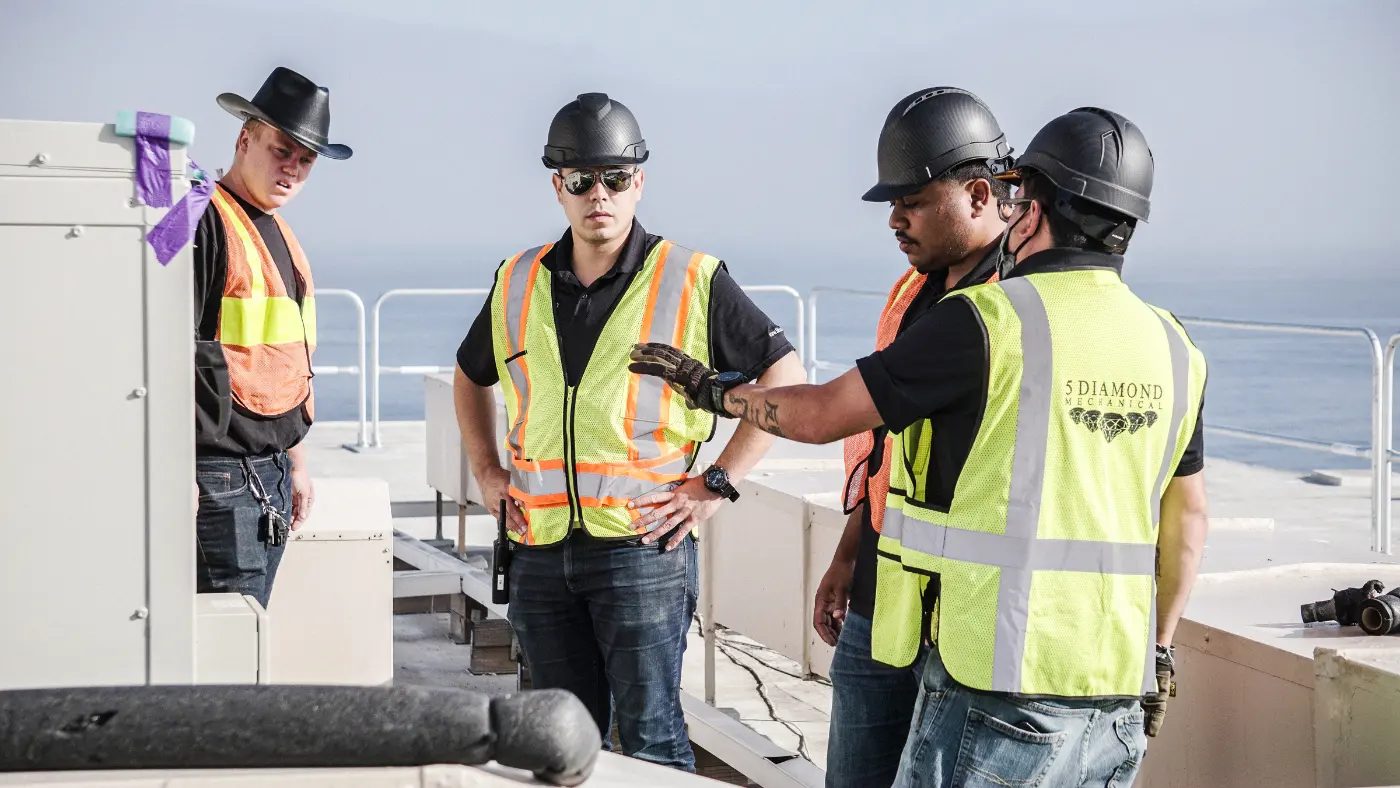
HVAC techs often work in cramped attics, tight crawl spaces, or on rooftops. These environments bring risks like falls, cuts, and heat exhaustion. Using harnesses and wearing protective clothing can minimize injuries.
It’s important to stay alert and communicate with team members about any dangers. Regular safety training sessions keep you prepared for unexpected hazards. What steps do you take to stay safe when the worksite feels unpredictable?
Credit: www.housecallpro.com
Certification And Training
Certification and training form the backbone of a successful career as an HVAC technician. These elements ensure you have the skills and knowledge to install, maintain, and repair heating, ventilation, and air conditioning systems safely and efficiently.
Without proper certification, you might struggle to find reliable work or face legal restrictions. Training programs not only teach you technical skills but also emphasize safety and industry standards. Are you ready to see what it takes to become a certified pro in HVAC?
Licensing Requirements
Licensing rules for HVAC technicians vary by state and country, but most require you to pass an exam to prove your expertise. These licenses confirm that you meet local safety and technical standards, making you trustworthy to customers and employers.
Some places require you to complete a certain number of hours in hands-on training or classroom instruction before applying. Missing these steps can delay your career progress, so check the exact rules where you plan to work.
Continuing Education
The HVAC field changes fast with new technologies and regulations. Continuing education keeps your skills sharp and your knowledge current. Many states require licensed technicians to complete ongoing training to renew their licenses.
Courses might cover new refrigerants, energy-efficient systems, or updated safety practices. Staying updated not only prevents fines but can also boost your job prospects and income. How often do you think you should refresh your skills to stay ahead?
Specialized Certifications
Beyond basic licensing, specialized certifications help you stand out. You can earn credentials in areas like refrigeration, indoor air quality, or commercial HVAC systems.
Organizations such as HVAC Excellence and North American Technician Excellence (NATE) offer certifications that employers highly value. These credentials show your commitment to the trade and can open doors to higher-paying jobs or promotions.
- EPA Section 608 Certification – Required to handle refrigerants legally.
- HVAC Excellence Certifications – Cover broad skill areas and specialties.
- NATE Certification – Industry-recognized and respected by many employers.
Are you ready to choose a certification that fits your career goals and boosts your credibility?
Common Challenges
Working as an HVAC technician involves more than just fixing air conditioners or heaters. You face daily hurdles that test your skills and patience. Understanding these common challenges helps you prepare better and improve your approach to the job.
Diagnosing Complex Problems
Identifying the root cause of an HVAC issue is often tricky. Systems can fail for multiple reasons, and symptoms don’t always point directly to the problem.
Imagine a heating unit that stops working intermittently. It could be a wiring issue, a faulty thermostat, or even a blocked vent. You need to use a mix of experience, tools, and logical thinking to pinpoint what’s wrong quickly.
Have you ever found yourself chasing false leads on a repair? That’s common, but developing a step-by-step diagnostic process can save you hours and frustration.
Managing Time Effectively
HVAC techs juggle multiple appointments and emergency calls daily. Every minute counts, especially when customers expect fast service.
Balancing thorough inspections with quick fixes demands sharp time management. If you spend too long on one job, other clients might wait too long, hurting your reputation.
Using checklists and prioritizing tasks can help you stay on track. Think about your last busy day—did you have moments when better planning could have sped things up?
Adapting To New Technologies
HVAC systems are evolving fast, with smart thermostats, energy-efficient units, and advanced diagnostics tools becoming standard. Staying updated isn’t optional anymore.
Learning new tech takes time and effort, but it can also make your job easier and improve customer satisfaction. Sometimes, the tools you resisted at first end up being your best helpers on the job.
Are you taking advantage of training opportunities or relying too much on old methods? Embracing new technology can set you apart from other technicians.
Credit: www.furnaceprices.ca
Credit: dreambound.com
Frequently Asked Questions
What Skills Do Hvac Techs Need?
HVAC techs need technical skills to diagnose and repair systems. Strong problem-solving abilities are essential. Knowledge of electrical systems and mechanical components is required. Good communication skills help in explaining issues and solutions. Safety awareness is crucial to ensure safe operations.
Continuous learning keeps techs updated with industry advancements.
How Do Hvac Techs Troubleshoot Problems?
HVAC techs use diagnostic tools and equipment to identify issues. They inspect systems for faulty components. Techs analyze system performance and airflow problems. They check electrical connections and wiring. Following established procedures, they systematically address and resolve issues. Regular maintenance checks help prevent future problems.
What Certifications Are Required For Hvac Techs?
HVAC techs often need EPA certification for handling refrigerants. Certification ensures compliance with environmental regulations. Many employers prefer techs with additional certifications. NATE certification is widely recognized in the industry. Local and state licenses may also be required. Continuous education helps techs stay certified and knowledgeable.
How Do Hvac Techs Ensure Safety?
HVAC techs follow strict safety protocols to prevent accidents. They use protective gear like gloves and goggles. Adherence to electrical safety standards is essential. Regularly checking for gas leaks ensures system safety. Proper ventilation prevents harmful exposure. Techs are trained to handle hazardous materials responsibly.
Conclusion
HVAC techs keep your home comfortable all year long. They install, fix, and maintain heating and cooling systems. Their work helps save energy and lowers bills. These skilled workers ensure safe and clean air in your space. Understanding what they do shows their importance in daily life.
Next time your system breaks, you’ll know who to call. HVAC techs make your indoor environment better and healthier.