How Long is Mri Tech School: Ultimate Guide to Duration & Costs
Are you thinking about becoming an MRI technologist but wondering how long MRI tech school really takes? Knowing the time commitment can help you plan your future with confidence.
Whether you want to start your career quickly or need to fit training around your busy life, understanding the length of the program is key. You’ll discover exactly how long MRI tech school lasts, what factors can affect the timeline, and how you can make the most of your training.
Keep reading to get clear answers and take the next step toward your new career.
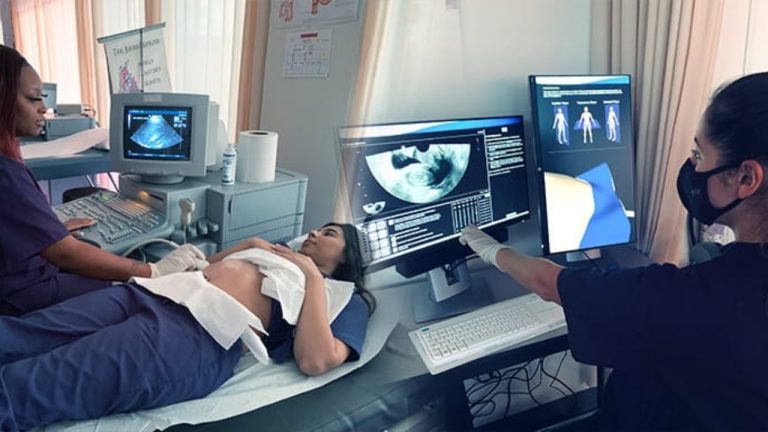
Credit: www.concorde.edu
Mri Tech School Duration
Understanding the duration of MRI tech school is crucial if you’re planning to start a career as an MRI technologist. The time you spend in training impacts how soon you can enter the workforce and begin gaining hands-on experience. Let’s break down the typical lengths of these programs, what can affect how long you stay enrolled, and the differences between part-time and full-time options.
Typical Program Lengths
Most MRI tech programs take between 1 to 2 years to complete. Certificate programs often last about 12 to 18 months, offering a quick path for those who already hold a healthcare credential. Associate degree programs, which include more general education courses, usually take around 2 years.
Shorter programs focus mainly on MRI-specific skills, while longer ones provide a broader foundation in medical imaging. Knowing this helps you choose the right path based on your background and career goals.
Factors Affecting Duration
Your prior education can shorten or extend your training time. If you’re already a radiologic technologist, you might qualify for an accelerated MRI program. On the other hand, if you’re new to healthcare, you may need extra prerequisite courses before starting MRI-specific classes.
Another factor is clinical training requirements. Some programs demand more hands-on hours in real medical settings, which can lengthen your study period but greatly improve your skills. Would you prefer to finish quickly or gain deeper practical experience?
Part-time Vs Full-time Options
Many schools offer both part-time and full-time MRI tech programs to fit different schedules. Full-time programs allow you to graduate faster, often within a year, but require a bigger time commitment. Part-time options spread out classes over 2 years or more, making it easier to work or manage personal responsibilities.
Choosing between part-time and full-time depends on your lifestyle and urgency to start working. Think about how much time you can realistically dedicate each week without burning out.
Curriculum And Training
The curriculum and training in MRI tech school focus on building both knowledge and skills. Students learn the basics of MRI technology and how to operate the machines safely. They also practice working with patients and managing different imaging scenarios. The training is designed to prepare students for real-world work in hospitals and clinics.
Core Coursework
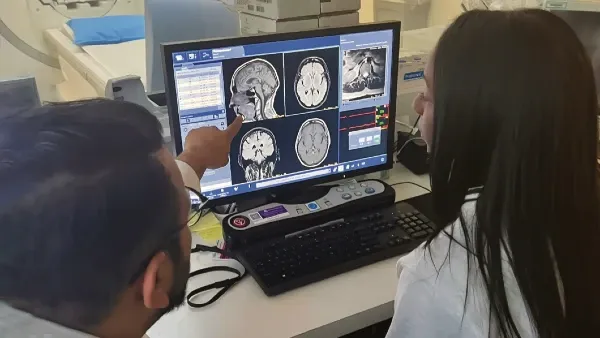
Core courses cover anatomy, physiology, and MRI physics. Students study how magnetic fields create images of the body. Safety protocols and MRI machine operation are key topics. Classes also include patient care and communication skills. These subjects form the foundation of MRI technology education.
Clinical Experience
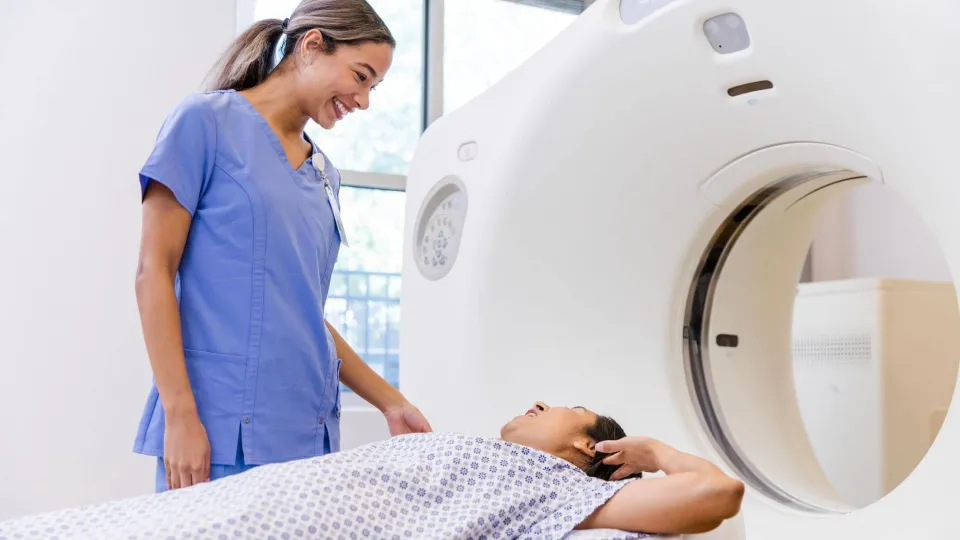
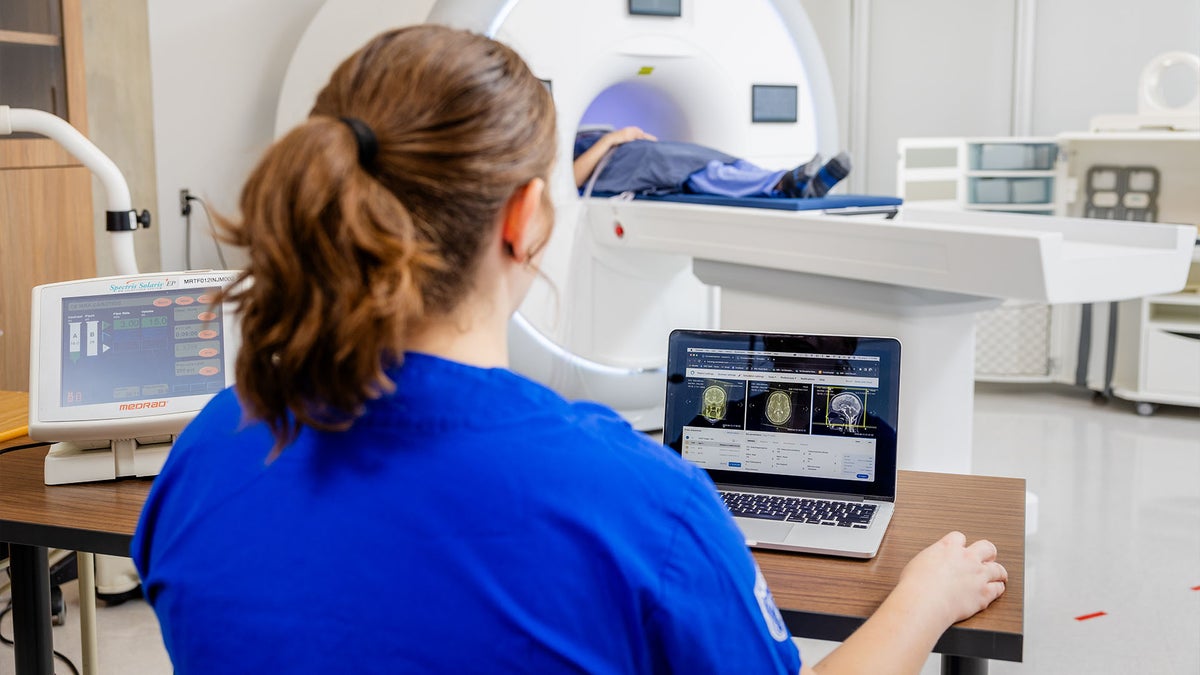
Hands-on training is essential in MRI tech school. Students spend time in clinical settings under supervision. They practice scanning patients and adjusting machine settings. This experience helps build confidence and technical skills. It also teaches how to handle patient needs and emergencies.
Certification Preparation
Programs prepare students to pass certification exams. Study materials and practice tests are part of the training. Instructors guide students through exam content and techniques. Passing certification is required to work as a licensed MRI technologist. Schools focus on helping students achieve this goal.
Costs Of Mri Tech School
Understanding the costs of MRI tech school is crucial before you commit your time and resources. The expenses can vary widely depending on the program and location. Knowing what to expect will help you plan better and avoid surprises along the way.
Tuition Fees
Tuition fees for MRI tech programs usually range from $10,000 to $40,000. Community colleges often offer more affordable rates, while private institutions tend to be pricier. Some programs include both classroom instruction and clinical training, which can affect the overall cost.
Have you checked if the program charges per credit hour or as a flat rate? This detail can significantly impact how much you end up paying, especially if you take extra courses or need more time to complete the program.
Additional Expenses
Besides tuition, you should budget for books, uniforms, and supplies, which can add up to $1,000 or more. Clinical placement fees and certification exam costs might also appear unexpectedly. Don’t forget about transportation and living expenses if you relocate or commute to school.
One student I know underestimated these extra costs and had to take out additional loans. Planning for these expenses upfront can save you from financial stress later on.
Financial Aid And Scholarships
Many schools offer financial aid options like grants, loans, and work-study programs to help ease the burden. Scholarships specifically for MRI tech students are also available through professional organizations and local foundations.
Are you actively searching for scholarships or grants? Sometimes, small awards add up and reduce your overall debt more than you might expect. Applying early and meeting all deadlines can improve your chances of getting aid.
Credit: www.rushu.rush.edu
Career Outlook After Graduation
Graduating from an MRI tech school opens many doors in healthcare. The demand for MRI technologists is strong and growing. Career paths vary by workplace and specialization. Knowing the career outlook helps set clear goals and expectations.
Job Opportunities
MRI technologists find jobs in hospitals, clinics, and imaging centers. Some work in research labs or mobile imaging units. Job availability is higher in urban and suburban areas. Rural areas may have fewer openings but less competition. The need for skilled MRI techs continues to rise due to aging populations and advanced imaging technology.
Average Salaries
The average salary for MRI technologists varies by location and experience. Entry-level positions start around $55,000 per year. Experienced techs earn up to $75,000 or more annually. Salaries in large cities tend to be higher. Benefits like health insurance and paid leave add value to the compensation package.
Advancement Potential
MRI technologists can advance by gaining experience and certifications. Specializing in areas like cardiac or neuro imaging increases job options. Some move into supervisory or management roles. Teaching or training new techs is another path. Continuing education helps keep skills current and opens new opportunities.
Choosing The Right Program
Choosing the right MRI tech program shapes your career path and learning experience. It affects your skills, job options, and certification chances. Understanding key factors helps pick a program that fits your goals and lifestyle.
Accreditation Importance
Accreditation shows a program meets quality standards. It ensures the education follows industry rules. Employers prefer graduates from accredited schools. It also matters for certification and licensing. Always check if the program has accreditation from recognized agencies.
Program Reputation
A strong reputation means reliable training and good support. Ask about graduate success rates and job placements. Read reviews and talk to current students. Programs with good reputations often have experienced teachers and updated equipment.
Location And Flexibility
Consider where the school is and how classes fit your schedule. Some programs offer online or evening classes for working students. A nearby school saves travel time and costs. Flexibility helps balance education with other life demands.
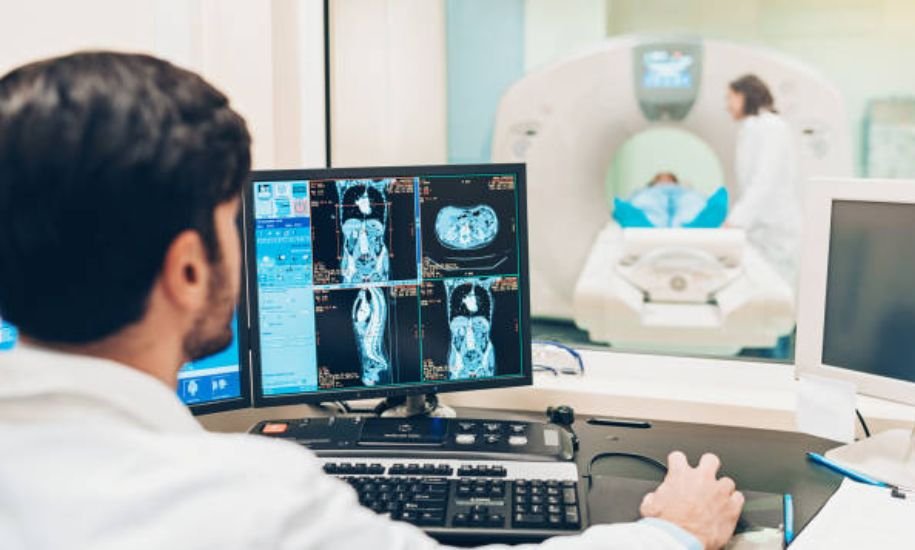
Credit: www.nait.ca
Frequently Asked Questions
How Long Does Mri Tech School Take?
MRI tech programs typically take 1 to 2 years. Some schools offer accelerated courses, allowing completion in less than a year. Program length varies based on the type of degree or certification. Associate degrees usually take longer compared to diploma or certificate programs.
Are Online Mri Tech Programs Available?
Yes, online MRI tech programs are available. They offer flexibility for students balancing work or family commitments. Online courses cover theoretical knowledge, while clinical training is done in person. Ensure the program is accredited and meets certification requirements.
What Qualifications Are Needed For Mri Tech School?
Basic qualifications include a high school diploma or GED. Prerequisites may include courses in anatomy, physiology, and medical terminology. Some programs require healthcare experience or previous certifications. Check specific school requirements before applying.
Is Financial Aid Available For Mri Tech Programs?
Many MRI tech programs offer financial aid options. Scholarships, grants, and loans may be available for qualifying students. Contact the school’s financial aid office for detailed information. It’s important to explore all options to reduce the cost of education.
Conclusion
MRI tech school usually takes about 1 to 2 years to complete. This time includes classes and hands-on training. Some programs offer shorter certificates, while others provide an associate degree. Choosing the right program depends on your goals and schedule.
Keep in mind that completing school is only the first step. After graduation, you need to get certified to work as an MRI technologist. It takes effort and time, but it leads to a rewarding career in healthcare. Ready to start?
Planning well will help you succeed.