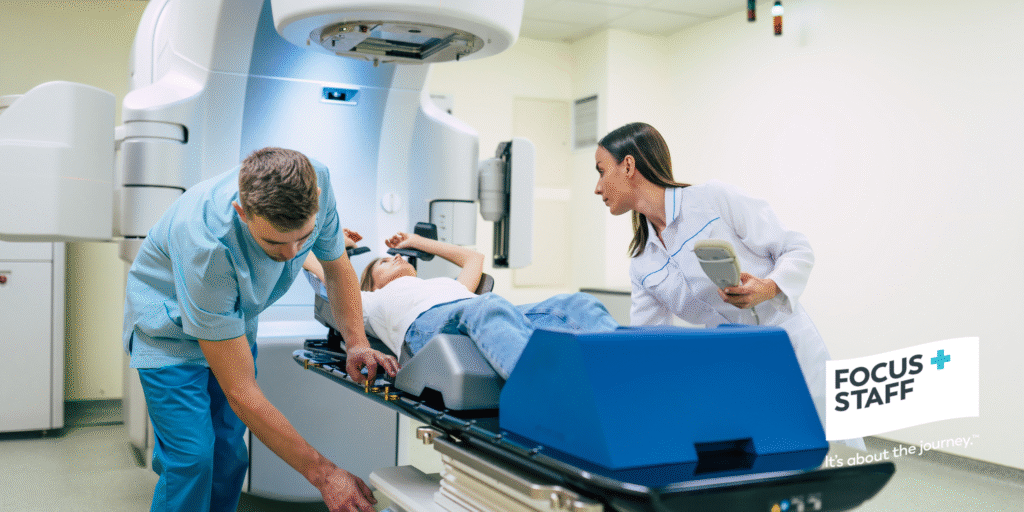
Have you ever wondered who operates those big, high-tech machines that take detailed images inside your body? That’s where a CT tech steps in.
If you’re curious about what a CT tech does, how they impact your health, or even considering this as a career, you’re in the right place. Keep reading to discover how these skilled professionals work behind the scenes to help doctors see what’s happening inside you—and why their role matters more than you might think.

Credit: npcollege.edu
Role Of A Ct Tech
The role of a CT Tech is vital in medical imaging. They operate advanced machines to capture detailed images of the body. These images help doctors diagnose and treat various conditions. The job requires technical skills and patient care. CT Techs work closely with patients and healthcare teams. Their work ensures accurate results and patient safety.
Key Responsibilities
- Prepare and position patients for CT scans
- Operate CT scanning equipment safely and efficiently
- Monitor patients during scans to ensure comfort and safety
- Adjust machine settings to capture clear images
- Maintain detailed records of procedures and results
- Collaborate with radiologists and other medical staff
- Follow safety protocols to minimize radiation exposure
Daily Tasks And Workflow
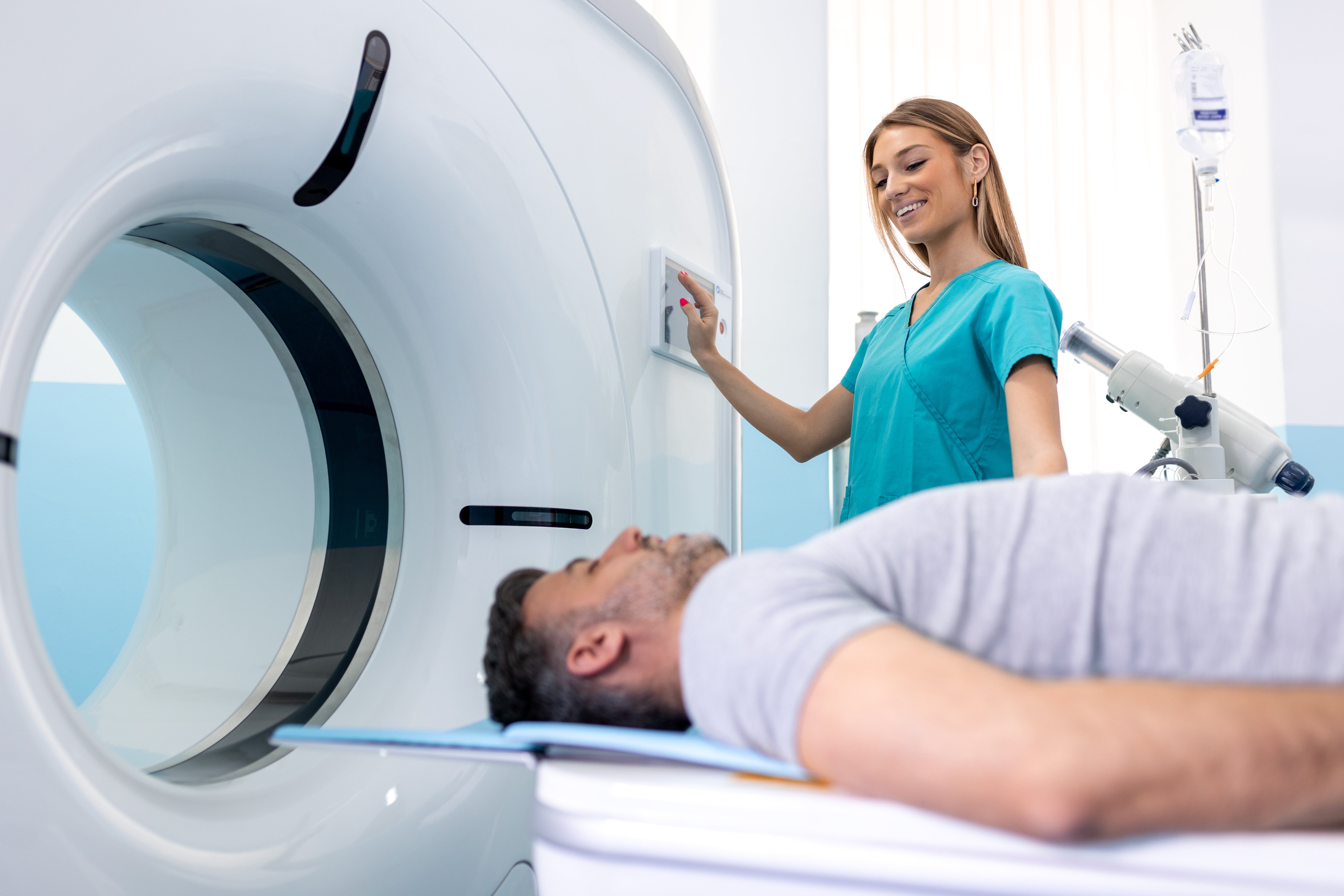
A CT Tech starts the day by checking the CT scanner and supplies. They review patient records to understand the scan requirements. Next, they explain the procedure to patients to ease anxiety.
During scans, the CT Tech carefully positions the patient. They adjust the machine settings to capture precise images. They watch the patient closely to prevent any issues.
After scans, the CT Tech processes and stores the images. They communicate with doctors to ensure images meet diagnostic needs. The day ends with cleaning and maintaining equipment.
Credit: www.favoritestaffing.com
Skills And Qualifications
Understanding the skills and qualifications needed to become a CT tech is essential if you’re considering this career path. These professionals operate complex imaging equipment and work closely with patients, so a blend of technical knowledge and interpersonal skills is crucial. Let’s break down what you need to succeed in this role.
Educational Requirements
Most CT techs start with a degree in radiologic technology or a related field. Typically, this means earning an associate’s or bachelor’s degree from an accredited program. Some states also require certification or licensure, which involves passing exams like the ARRT (American Registry of Radiologic Technologists).
Continuing education is often necessary to keep your certification current and stay updated on new technology. Have you checked if your local regulations require additional training or certifications?
Technical Skills
- Equipment Operation:Knowing how to operate CT scanners safely and efficiently is a must.
- Image Analysis:You should be able to produce clear images and recognize when retakes are necessary.
- Computer Proficiency:Many CT techs use specialized software for imaging and record-keeping.
- Radiation Safety:Understanding how to protect yourself and patients from unnecessary exposure is critical.
Mastering these technical skills takes hands-on practice. Have you ever wondered how much training it takes to feel confident handling such advanced machines?
Soft Skills
Technical know-how alone won’t make you a great CT tech. You also need strong communication skills to explain procedures and ease patient anxiety. Patience and empathy go a long way, especially when working with nervous or elderly patients.
Attention to detail is another vital skill. Small mistakes can affect image quality or patient safety. Are you naturally detail-oriented, or will you need to develop this skill on the job?
Combining these skills and qualifications ensures you provide the best care and accurate diagnostic images. What soft skill do you think will be your strongest asset?
Ct Technology Basics
Understanding the basics of CT technology is crucial if you want to appreciate the role of a CT tech. CT, or computed tomography, combines X-rays with computer processing to create detailed images of your body. These images help doctors diagnose various conditions more accurately and quickly.
How Ct Scanners Work
CT scanners use a rotating X-ray device that moves around your body. As it rotates, it takes multiple X-ray images from different angles.
These images are sent to a computer, which stacks them to create cross-sectional pictures, or “slices,” of your body. Think of it like slicing a loaf of bread—each slice reveals different details inside.
This process helps doctors see bones, organs, and tissues more clearly than with standard X-rays. Have you ever wondered how a simple scan can reveal so much about your health?
Types Of Ct Scans
There are different types of CT scans tailored for specific needs. Here are some common ones:
- Head CT:Used to detect brain injuries, tumors, or bleeding.
- Chest CT:Helps examine lungs, heart, and blood vessels.
- Abdominal CT:Checks organs like liver, kidneys, and intestines.
- Spinal CT:Focuses on spinal injuries or diseases.
Each type requires a CT tech to adjust settings and patient positioning carefully. This ensures the best quality images for accurate diagnosis. Could understanding these differences change how you view your next scan?
Work Environment
The work environment for a CT tech is diverse and often fast-paced. These professionals operate advanced imaging machines to help diagnose patients. The setting can influence the daily tasks and experiences of a CT tech. Understanding this environment helps people know what to expect in this career.
Settings And Facilities
CT techs work mainly in hospitals, clinics, and imaging centers. Each place has specific equipment and protocols. Hospitals may involve emergency cases, requiring quick responses. Clinics usually handle scheduled appointments and routine scans. Imaging centers focus on outpatient services with advanced technology. The environment is clean and controlled to maintain safety. Techs often collaborate with radiologists and medical staff.
Typical Work Hours
CT techs often work full-time schedules. Shifts can include early mornings, evenings, or weekends. Hospitals may require night or holiday shifts. Clinics and imaging centers usually operate during regular business hours. The workload varies with patient demand and emergencies. Some techs work overtime to cover staff shortages. Flexibility in hours can be important in this role.
Career Path And Growth
The career path of a CT Tech offers clear steps and growth chances. Many start with basic roles and move up with experience and training. This field combines health care and technology, making it a smart choice for steady jobs. Understanding the entry-level jobs and advancement options helps plan a future in this career.
Entry-level Positions
Entry-level jobs for CT Techs usually require a certificate or degree in radiologic technology. These roles involve operating CT scanners under supervision. Tasks include preparing patients, setting equipment, and capturing images. Working in hospitals, clinics, or imaging centers is common. Learning on the job builds skills and confidence. Some may start as radiologic technologists before specializing in CT scans.
Advancement Opportunities
With experience, CT Techs can move to advanced roles. These include lead technologist or supervisor positions. Additional certifications boost chances for promotions. Some choose to specialize in areas like cardiac or neuro CT imaging. Others pursue education to become radiology managers or educators. Continuous learning keeps skills current and opens new career doors.
Challenges Faced By Ct Techs
CT techs face unique challenges every day that test both their technical skills and emotional strength. Balancing the need for precise imaging with compassionate patient care isn’t easy. Let’s break down some of the core difficulties they encounter and what these mean for you as a patient or a fellow healthcare professional.
Handling Patient Care
CT techs often work with patients who feel anxious or scared about the procedure. Your ability to stay calm and reassuring can make a big difference in their experience.
Some patients might struggle to stay still, which can affect image quality. Have you ever noticed how a small movement can blur a photo? It’s the same with CT scans.
CT techs must explain the process clearly and patiently, adapting their approach to each person’s needs. This takes empathy and quick thinking under pressure.
Technical Difficulties
CT machines are complex, and technical glitches can happen at any time. Imagine preparing for a scan only to face equipment failure—it’s frustrating for both tech and patient.
CT techs must troubleshoot issues fast to avoid delays. This means knowing the machine inside out and staying updated on the latest software and hardware changes.
They also handle large amounts of data, ensuring images are clear and accurate for diagnosis. Precision is crucial here—one small error can lead to misinterpretation.
Importance In Healthcare
CT Technologists play a key role in healthcare. They operate advanced imaging equipment that helps doctors see inside the body. This technology detects diseases and injuries early. Their work supports accurate and fast diagnosis. CT techs improve patient care by providing clear and detailed images.
Impact On Diagnosis
CT Technologists produce high-quality scans. These images help doctors identify health problems quickly. They can spot tumors, fractures, and infections. Accurate images lead to better treatment decisions. Without their expertise, diagnosis may be delayed or incorrect.
Collaboration With Medical Teams
CT techs work closely with doctors, nurses, and radiologists. They share important information and insights. This teamwork ensures patients get the right care at the right time. CT techs also explain procedures to patients. Their communication helps patients feel calm and informed.

Credit: www.moffitt.org
Frequently Asked Questions
What Does A Ct Tech Do?
A CT Tech operates CT scanning equipment to create detailed images of internal body structures. They ensure patient safety, prepare patients for scans, and maintain equipment. They collaborate with radiologists to interpret images and assist in diagnosing medical conditions.
How Long Does Ct Tech Training Take?
CT Tech training typically takes 1 to 2 years. It often involves completing an accredited radiologic technologist program. Additional certification in CT imaging might be required. Training includes both classroom instruction and hands-on clinical experience.
What Skills Are Essential For Ct Techs?
Essential skills for CT Techs include technical proficiency with CT equipment, strong communication skills, and attention to detail. They must be able to follow strict safety protocols. They also need problem-solving skills to handle equipment issues.
Are Ct Techs In High Demand?
Yes, CT Techs are in high demand due to advancements in medical imaging technology. The aging population increases the need for diagnostic imaging. Healthcare facilities constantly seek skilled CT Techs to meet patient care demands.
Conclusion
A CT tech plays a key role in healthcare. They operate machines that create detailed body images. These images help doctors find problems inside the body. Becoming a CT tech requires training and care. It is a job that needs focus and skill.
Many people find it rewarding to help patients this way. Understanding what a CT tech does can guide career choices. It also shows how technology aids health every day. This job blends science, technology, and patient care smoothly.