What is a Tech Business: Unlocking Innovation and Growth Today
Have you ever wondered what makes a tech business different from any other company? If you’re curious about how technology shapes the way companies grow and succeed, you’re in the right place.
Understanding what a tech business really is can open new doors for your career, investments, or even starting your own company. This article will break down the key ideas in a simple way, so you can see exactly how tech businesses work and why they matter to you.
Keep reading—what you discover might change the way you think about business and technology forever.

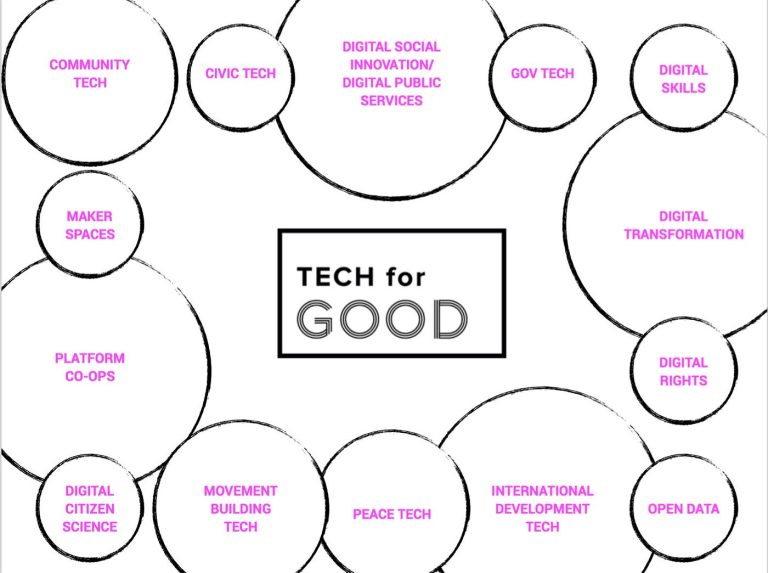
Credit: www.walkme.com
Tech Business Essentials
Understanding the essentials of a tech business is crucial if you want to succeed in this fast-moving industry. Tech businesses are not just about creating cool gadgets or software; they revolve around innovation, problem-solving, and delivering value through technology. Knowing what defines these businesses, the different types you might encounter, and the main sectors they operate in will help you navigate your own path more effectively.
Core Characteristics
Tech businesses often share a few key traits that set them apart. They rely heavily on research and development to stay ahead. Speed and agility matter—being able to adapt quickly to market changes or new technology is vital.
Innovation isn’t just a buzzword here; it’s the heartbeat of these companies. They focus on scalable solutions, meaning their products or services can grow rapidly without a matching increase in costs. Can your idea scale fast enough to meet global demand?
Types Of Tech Businesses
- Software Development:Creating applications, platforms, or tools that solve specific problems or entertain users.
- Hardware Manufacturing:Designing and producing physical devices like smartphones, computers, or IoT gadgets.
- IT Services:Offering support, consulting, and solutions to other businesses’ tech needs.
- E-commerce Platforms:Using technology to facilitate buying and selling online.
- Tech Startups:Early-stage companies often focused on breakthrough innovations.
Which type aligns best with your skills and interests? Knowing this shapes your strategy and approach.
Key Industry Sectors
| Sector | Description | Examples |
|---|---|---|
| Healthcare Tech | Developing tools and software to improve patient care and medical research. | Telemedicine apps, wearable health monitors |
| FinTech | Innovating financial services like payments, loans, and investment platforms. | Mobile banking apps, cryptocurrency exchanges |
| EdTech | Creating technology for learning and educational management. | Online courses, virtual classrooms |
| Artificial Intelligence | Using AI to automate tasks, analyze data, and create smarter systems. | Chatbots, predictive analytics tools |
| Cybersecurity | Protecting data and systems from digital attacks. | Encryption software, threat detection services |
Which sector excites you the most? Your choice can determine your learning path and business opportunities.

Credit: navdeepyadav.medium.com
Innovation Drivers
Innovation drivers are the forces that push tech businesses forward. They shape how companies create new products and improve services. These drivers help businesses stay competitive and meet changing customer needs.
Role Of Technology
Technology acts as the core engine of innovation in tech businesses. It enables faster processes and better communication. New tools and software let companies solve problems more efficiently. Automation and data analysis improve decision-making and reduce errors.
Emerging Trends
Emerging trends bring fresh ideas and opportunities. Examples include artificial intelligence, blockchain, and the Internet of Things. These trends open doors to new markets and products. Staying aware of trends helps businesses adapt quickly.
Impact On Business Models
Innovation changes how businesses operate and make money. Traditional models shift to subscription or service-based systems. Digital platforms allow direct customer interaction and global reach. This leads to more flexible and scalable business approaches.
Growth Strategies
Growth strategies define how a tech business moves from a startup to a thriving company. They involve smart planning and bold actions that help your business reach more customers, improve products, and increase revenue. Understanding these strategies can make the difference between staying small and becoming a key player in the tech world.
Scaling Techniques
Scaling means growing your business without losing quality or performance. You can achieve this by automating repetitive tasks and optimizing your operations.
For example, using cloud services allows your tech product to handle more users without slowing down. Also, building a strong team with the right skills helps manage increased demand efficiently.
Ask yourself: Are you prepared to handle rapid growth without sacrificing customer experience?
Funding And Investment
Access to capital is crucial for expanding your tech business. Whether it’s angel investors, venture capital, or crowdfunding, each funding source has its own benefits and challenges.
When I raised funds for my startup, choosing investors who understood our vision made a big difference. They brought not just money but valuable advice and connections.
Consider what kind of investor aligns with your long-term goals before accepting money. How can you use funds to fuel innovation rather than just cover expenses?
Market Expansion
Expanding into new markets means reaching customers beyond your current geography or industry. Research is key—you need to understand local needs and competition.
One tech business I worked with succeeded by tailoring their software for different languages and cultures. This approach opened doors to international clients.
Think about which markets offer the best fit for your product. Are you ready to adapt your strategy to meet new customer expectations?
Credit: board.fastcompany.com
Challenges In Tech Business
Starting a tech business is exciting but brings many challenges. The tech world changes fast, making it hard to keep up. Business owners must face tough markets, laws, and the need for skilled workers. Understanding these challenges helps to prepare and succeed in the tech industry.
Competition Landscape
The tech market has many players. New startups and big companies fight for customers. Standing out is tough. Businesses must offer unique products or better services. Keeping up with new technology is key. Without it, companies risk losing customers.
Regulatory Considerations
Tech businesses must follow many rules. These laws protect users and data. Regulations differ by country and region. Not following rules can cause fines or shutdowns. Companies must monitor changes in laws. Staying compliant avoids legal problems and builds trust.
Talent Acquisition
Finding skilled workers is difficult. Tech needs experts in coding, design, and data. Many companies want the same workers. Offering good pay and benefits helps attract talent. Creating a positive work culture is important. Training and growth opportunities keep employees loyal.
Future Outlook
The future of tech businesses is full of promise and complexity. As technology advances, the way companies operate, create value, and connect with customers will shift dramatically. You might wonder how emerging trends will shape your opportunities and challenges in this fast-paced environment.
Upcoming Technologies
New technologies like artificial intelligence, quantum computing, and 5G networks are already changing the business landscape.
Imagine your business using AI to predict customer needs before they even express them. Or how 5G could enable real-time global collaboration without lag.
Staying updated with these technologies can help you stay competitive and innovate faster than others in your field.
Sustainability And Ethics
More customers and partners expect tech businesses to act responsibly. Sustainability and ethics are no longer optional—they influence buying decisions and brand loyalty.
Think about how using green energy or transparent data policies could improve your reputation and reduce risks.
Are you ready to align your business goals with sustainable and ethical practices that matter to your audience?
Global Opportunities
The digital nature of tech businesses opens doors worldwide. You can reach customers, partners, and talent across continents with fewer barriers.
However, understanding local regulations and cultures is key to success in global markets.
What steps will you take to tap into these opportunities while managing the complexities of international growth?
Frequently Asked Questions
What Defines A Tech Business?
A tech business primarily focuses on technology and innovation. It develops software, hardware, or services that leverage technology. These businesses often drive digital transformation and can operate in various sectors, including finance, healthcare, and education. Their core function is to use technology to solve problems or improve processes.
How Do Tech Businesses Generate Revenue?
Tech businesses generate revenue through various models such as selling products, subscriptions, or services. Some offer software solutions or apps, while others provide consultancy or managed services. Revenue streams can also include advertising, licensing, and partnerships. Diversified models are common to adapt to market demands.
What Skills Are Needed To Start A Tech Business?
Starting a tech business requires technical skills and business acumen. Key skills include coding, project management, and marketing. Understanding market trends and customer needs is essential. Networking and communication skills help build partnerships and attract clients. Financial management is crucial for sustainable growth.
Why Are Tech Businesses Important Today?
Tech businesses drive innovation and economic growth. They enhance productivity, streamline processes, and improve communication. By solving complex problems, they advance industries and contribute to societal development. Tech businesses also create jobs and foster technological advancements that shape the future.
Conclusion
A tech business uses technology to offer products or services. It often focuses on innovation and solving problems. Many industries benefit from tech businesses, making life easier. Small startups and big companies both can be tech businesses. Understanding what a tech business is helps you see its role.
Technology keeps changing, so tech businesses keep evolving too. This makes them important in today’s world and future.