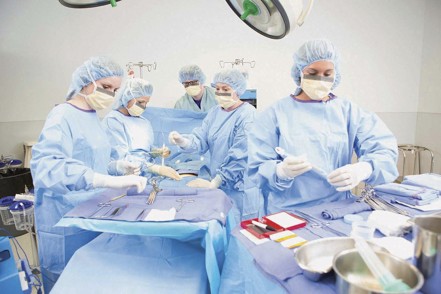
Have you ever wondered who plays a vital role behind the scenes during surgery? If you’re curious about the people who help make surgeries safe and successful, understanding what a surgical tech does is key.
This role might be less visible but incredibly important. By the end of this article, you’ll see how surgical techs work closely with surgeons, nurses, and other medical staff to keep everything running smoothly in the operating room. If you want to know what skills they need, what their daily tasks look like, and why their job matters so much, keep reading—you’re about to discover a fascinating side of healthcare you might not have known before.
Credit: www.pikespeak.edu
Role Of A Surgical Tech
The role of a surgical tech is vital in the operating room. They prepare the tools, equipment, and environment for surgery. Their work helps ensure that procedures run smoothly and safely. Surgical techs must be quick, precise, and attentive to details.
Key Responsibilities In The Or
- Sterilize surgical instruments and set up trays.
- Assist in draping the patient with sterile covers.
- Pass instruments and supplies to surgeons during operations.
- Count sponges, needles, and tools before and after surgery.
- Maintain a clean and safe surgical field.
Collaboration With Surgical Team
Surgical techs work closely with surgeons, nurses, and anesthesiologists. They communicate clearly and respond quickly to requests. This teamwork reduces errors and improves patient care. Surgical techs must understand each team member’s role and support their needs.
Training And Certification
Training and certification form the backbone of a surgical tech’s career. Proper education equips them with the skills to assist safely in the operating room. Certification proves their knowledge and commitment to high standards. Both are essential for job readiness and professional growth.
Educational Pathways
Most surgical techs start with a formal education program. These programs can be found at community colleges and technical schools. They typically take 9 to 24 months to complete. Coursework covers anatomy, medical terminology, and surgical procedures.
Hands-on training in clinical settings is a key part. It gives students real-world experience in hospitals or clinics. Some schools offer associate degrees, which may improve job prospects. Others provide certificates or diplomas focused on surgical technology.
Certification Requirements
Certification is not always mandatory but highly recommended. It shows employers that a tech meets national standards. The National Board of Surgical Technology and Surgical Assisting (NBSTSA) offers a common certification.
To earn this, candidates must graduate from an accredited program. They must also pass a written exam. Recertification is required every few years, usually through continuing education or retesting. This process ensures skills stay current and safe for patients.
Skills And Qualities
The role of a surgical tech demands a unique blend of skills and qualities that ensure smooth and safe surgical procedures. These professionals must be sharp, precise, and calm under pressure. Let’s break down the essential skills that make a surgical tech stand out in the operating room.
Technical Skills
Technical skills form the backbone of a surgical tech’s daily tasks. You need to be proficient with surgical instruments, understanding which tools to prepare and how to handle them correctly. Knowledge of sterilization techniques is crucial to prevent infections and maintain a sterile environment.
Beyond tools, familiarity with surgical procedures and anatomy helps you anticipate surgeons’ needs. Have you ever noticed how a well-prepared surgical tech seems to predict the next step without being asked? That’s technical expertise in action.
Attention To Detail
Missing a small detail can lead to serious consequences in surgery. Surgical techs must focus intensely on every aspect, from counting instruments before and after surgery to ensuring the correct supplies are ready. This level of precision reduces errors and enhances patient safety.
Think about the last time you double-checked something important. That same mindset keeps surgical procedures running flawlessly. Can you imagine the impact if a tech overlooks even one tiny detail during an operation?
Stress Management
Surgical environments are high-pressure and fast-paced, with little room for mistakes. Effective stress management helps you stay calm and focused, even when unexpected situations arise. Techniques like controlled breathing and mental preparation can make a big difference.
Have you ever performed well under pressure by staying composed? That ability is essential for surgical techs who must maintain steady hands and clear minds. Your calm presence can influence the entire surgical team’s performance.

Credit: sccc.edu
Day-to-day Tasks
Understanding the daily responsibilities of a surgical tech reveals how crucial they are to the success of every operation. Their tasks require precision, focus, and the ability to anticipate the needs of the surgical team. Let’s look closely at what a typical day involves.
Preparing The Operating Room
Before surgery begins, the operating room must be set up meticulously. Surgical techs arrange instruments and supplies according to the surgeon’s preferences. They ensure everything is in place, from the surgical tools to the sterile drapes.
Have you ever thought about how a single missing instrument could delay a critical procedure? Surgical techs prevent this by double-checking the setup, making sure nothing is overlooked.
Sterilizing Equipment
Cleanliness in the operating room is non-negotiable. Surgical techs sterilize instruments using specialized machines and techniques to eliminate any risk of infection. This task demands careful attention to detail and strict adherence to protocols.
Imagine the impact on patient safety if sterilization is not performed correctly. Surgical techs play a silent but essential role in protecting patients from post-surgical complications.
Assisting During Surgery
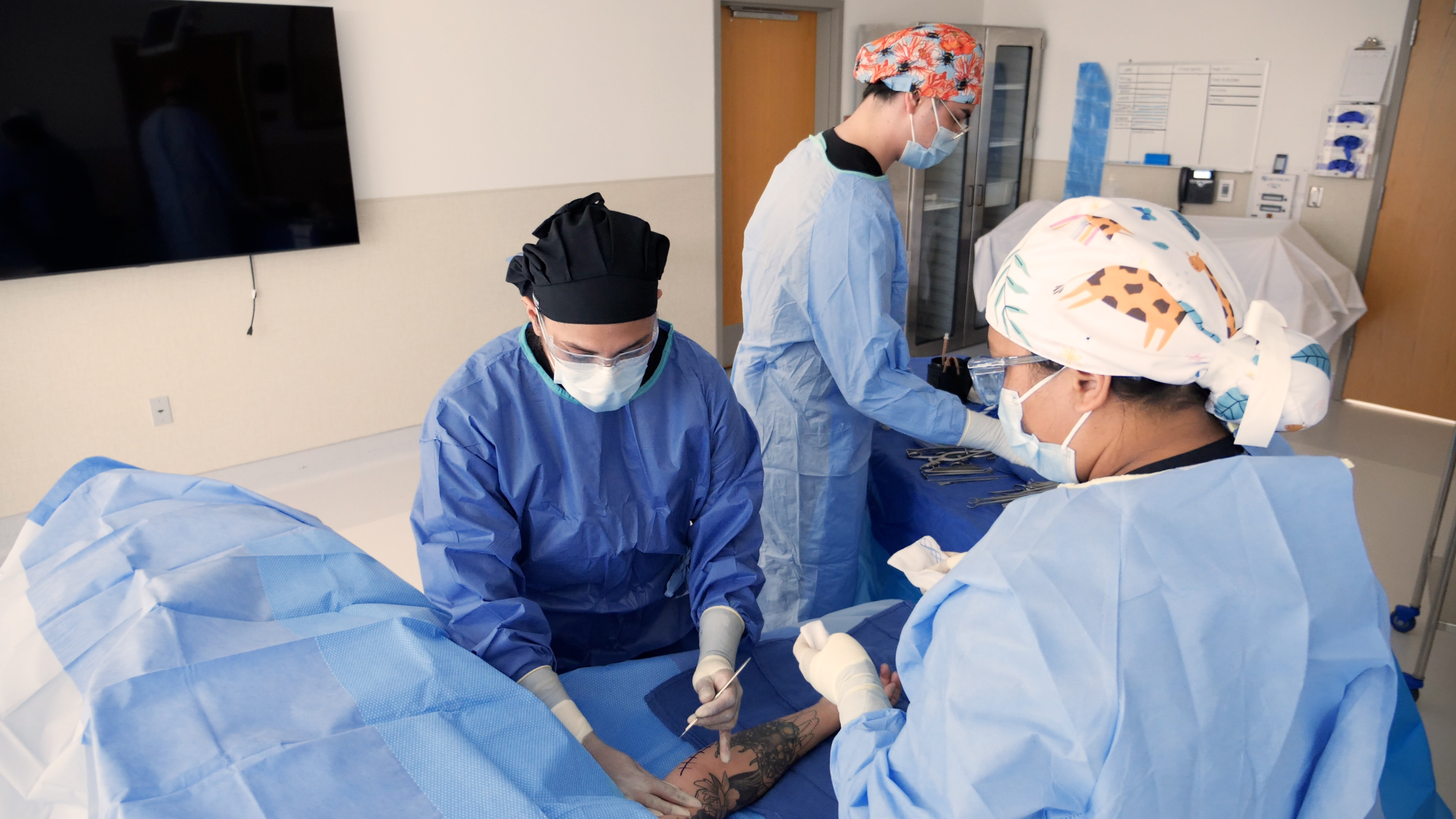
During the operation, surgical techs work closely with surgeons and nurses. They pass instruments, hold retractors, and manage supplies without hesitation. Their ability to anticipate the surgeon’s next move keeps the procedure smooth and efficient.
Have you noticed how a well-coordinated team can make a complex surgery seem almost seamless? Surgical techs are the backbone of this coordination, ensuring every second counts.
Impact On Patient Outcomes
The role of a surgical tech significantly influences patient outcomes. Their work ensures surgeries proceed smoothly and safely. This impact reaches beyond the operating room, affecting recovery and overall health.
Ensuring Safety
Surgical techs prepare the operating room with sterile tools. They follow strict protocols to prevent infections. Their vigilance keeps the environment clean and safe. This effort lowers the chance of complications after surgery.
Reducing Surgical Risks
Surgical techs assist surgeons by handing the right instruments quickly. They anticipate needs to avoid delays or mistakes. Their careful attention helps reduce errors during procedures. This focus on precision improves patient safety and healing.

Credit: www.healthtechacademy.org
Career Opportunities
Choosing a career as a surgical tech opens doors to a variety of paths. You’ll find opportunities in many healthcare environments, each offering unique experiences. Understanding where you can work and how you can grow is essential to shaping your future in this field.
Work Settings
Surgical techs work in diverse settings beyond the typical hospital operating room. You might find yourself assisting in outpatient surgical centers, where procedures are quicker and patient turnover is high.
Other options include specialized clinics focusing on areas like orthopedics or cardiology. Some surgical techs even support emergency rooms or trauma centers, where every second counts.
Have you considered the pace and environment you’d prefer? The setting can greatly impact your daily tasks and work-life balance.
Advancement Options
Starting as a surgical tech doesn’t mean you have to stay at the same level forever. You can advance by gaining certifications, such as becoming a Certified Surgical First Assistant (CSFA), which lets you take on more responsibilities during surgeries.
Moving into management or education roles is also possible. Experienced surgical techs sometimes become instructors, sharing their knowledge with new students.
Think about what skills you want to develop. Would you rather deepen your clinical expertise or step into leadership? Your choices will shape your career path in exciting ways.
Frequently Asked Questions
What Does A Surgical Tech Do During Surgery?
A Surgical Tech prepares the operating room and instruments. They assist surgeons by passing tools and maintaining a sterile environment. Their role ensures surgeries run smoothly and safely.
How Do You Become A Certified Surgical Tech?
To become certified, complete an accredited surgical technology program. Then, pass the Certified Surgical Technologist (CST) exam. Certification boosts job prospects and validates skills.
What Skills Are Essential For A Surgical Tech?
Key skills include attention to detail, manual dexterity, and teamwork. Surgical Techs must stay calm under pressure and understand medical terminology. These skills ensure patient safety and effective support.
What Is The Average Salary Of A Surgical Tech?
The average salary ranges from $45,000 to $60,000 annually. Salary varies by location, experience, and healthcare facility. Certification and advanced skills can increase earning potential.
Conclusion
Surgical techs play a vital role in healthcare. They assist surgeons during operations. Their skills ensure smooth procedures. These professionals handle instruments with precision. They maintain sterile environments to prevent infections. A career as a surgical tech offers stability. It also provides a chance to make a real difference in patient care.
Training is essential. It equips them with necessary skills for the job. Surgical techs are an important part of the medical team. Their dedication helps save lives. The demand for surgical techs continues to grow. It’s a rewarding path in the healthcare field.