Are you thinking about becoming a radiology tech but wondering if it’s really as hard as people say? You’re not alone.
Many wonder what challenges this career might bring and whether it’s the right fit for their skills and lifestyle. Understanding what makes radiology tech work tough—or not—can help you make a confident decision. Keep reading, and you’ll discover the real demands of the job, what skills you’ll need, and how you can prepare yourself to succeed without feeling overwhelmed.
Your path starts here, and knowing the truth about the difficulty can change everything.
Job Responsibilities
Understanding the job responsibilities of a radiology technologist is key to deciding if this career path suits you. The role involves a mix of technical know-how and patient care, which can be demanding but rewarding. Let’s break down what you’ll be doing daily, the skills you need, and how much you’ll interact with patients.
Daily Tasks
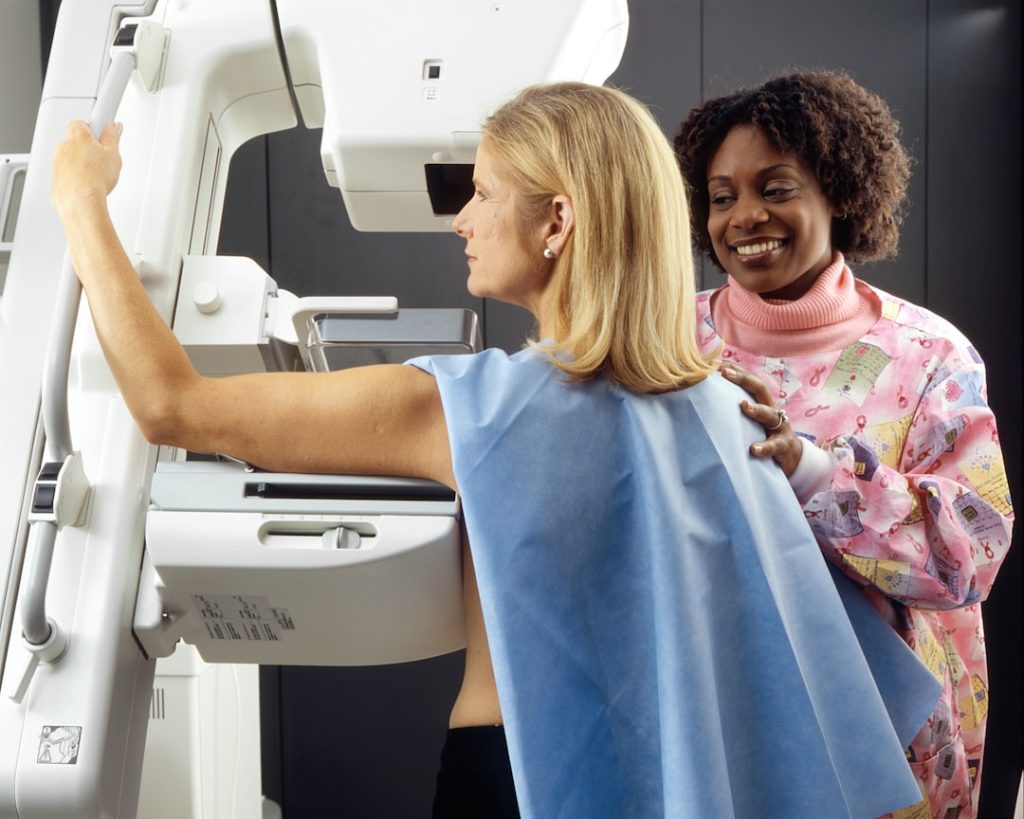
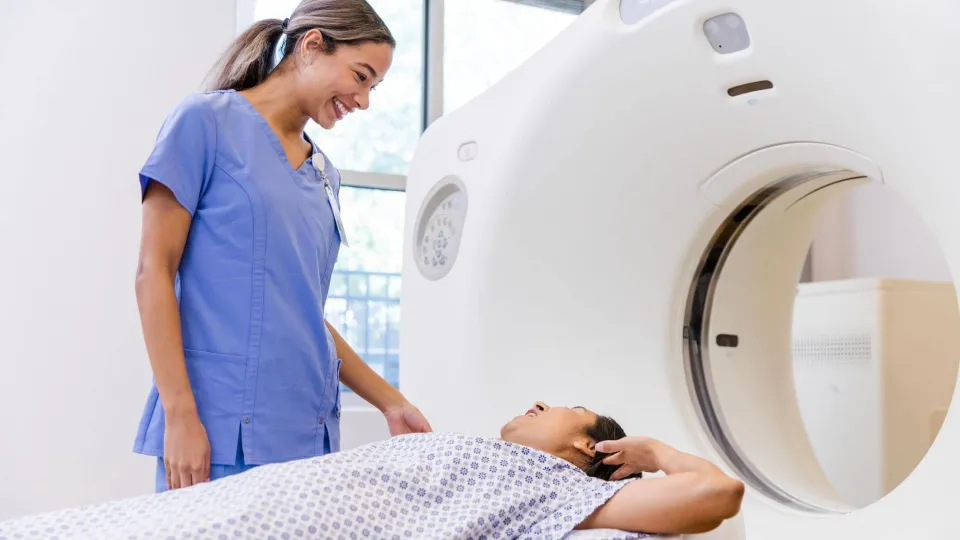
Your day will often start with preparing imaging equipment and reviewing patient records to ensure accuracy. You’ll take X-rays, CT scans, or MRIs, making sure each image is clear and useful for diagnosis. Afterward, you may need to process the images and assist radiologists by providing detailed information about the procedures.
Besides imaging, maintaining and calibrating machines is part of the routine to keep everything running safely. You’ll also document your work carefully, as accurate records are critical for patient care and legal compliance. The variety in daily tasks keeps the job engaging but requires you to stay organized and alert.
Technical Skills Required
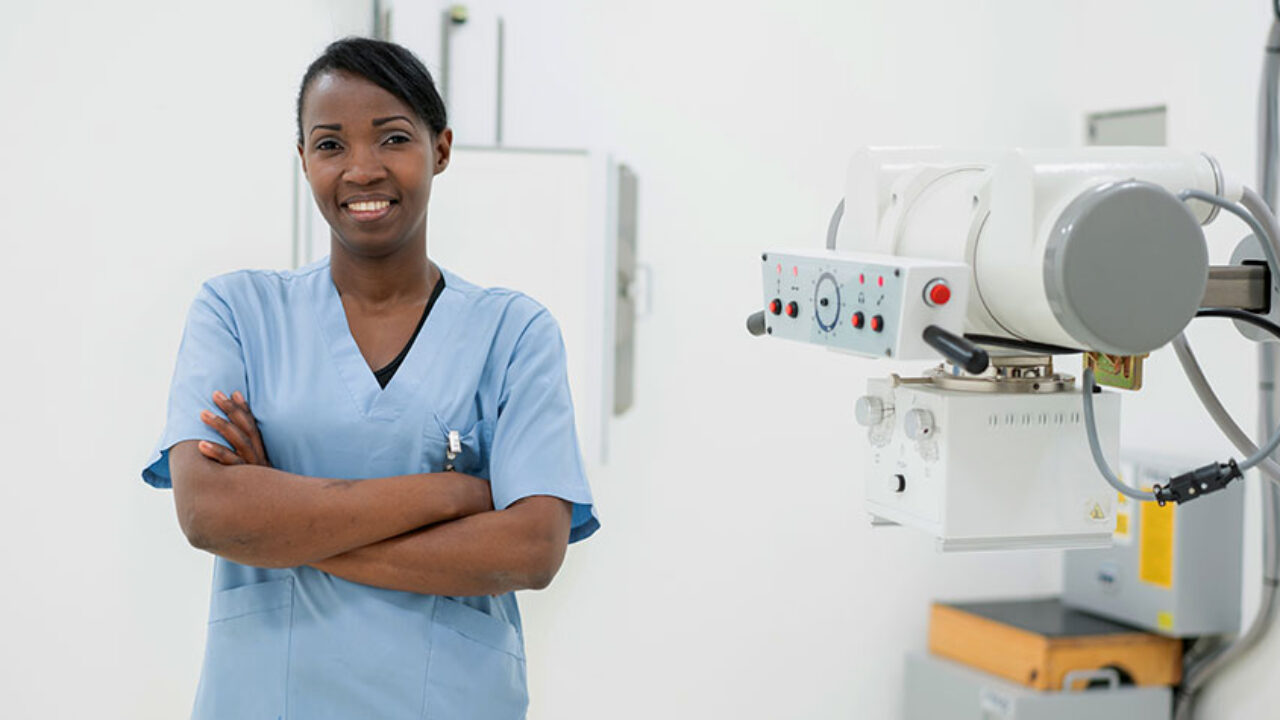
Working as a radiology tech demands solid technical skills. You must understand how to operate complex imaging machines and troubleshoot minor issues on the spot. Knowing how to adjust settings based on the patient’s condition or the body part being scanned is essential.
Familiarity with computer software for capturing and storing images is also necessary. You don’t just press buttons—you interpret what the machine shows and ensure high-quality images that help doctors make accurate diagnoses. Can you handle this blend of technology and precision under pressure?
Patient Interaction
Interacting with patients is a significant part of the job. You’ll need to explain procedures clearly to put them at ease, especially since many people feel anxious about medical scans. Your ability to communicate calmly and empathetically can make a big difference in their experience.
Sometimes, you’ll assist patients who have limited mobility or special needs, requiring patience and physical support. Balancing technical work with compassionate care is what separates a good radiology tech from a great one. How comfortable are you with being both a technician and a caregiver in one role?
Educational Path
The educational path for becoming a radiology technician requires dedication and focus. Students must complete specific coursework and hands-on training to gain the necessary skills. This training prepares them to operate imaging equipment and assist in diagnosing medical conditions.
Coursework And Training
Radiology tech programs include anatomy, physiology, and patient care classes. Students learn to use X-rays, CT scans, and MRI machines. Practical labs and clinical rotations offer real-world experience. This blend of theory and practice builds confidence and competence.
Certification And Licensing
Graduates must pass certification exams to work professionally. The American Registry of Radiologic Technologists (ARRT) offers a common certification. State licensing may also be required. These steps ensure techs meet safety and skill standards.
Continuing Education
Radiology techs must keep learning to stay current. They complete continuing education credits throughout their career. This helps them adapt to new technology and techniques. Lifelong learning is key to success in this field.
Skill Challenges
Radiology techs face a unique set of skill challenges that test their abilities daily. These challenges go beyond just operating machines—they demand sharp minds, steady hands, and strong bodies. Understanding these hurdles can help you decide if this career fits your strengths and interests.
Technical Complexity
Radiology techs work with advanced imaging equipment like X-rays, CT scanners, and MRI machines. Each device requires specific knowledge and precision to produce clear, accurate images. You need to understand how settings affect image quality and patient safety simultaneously.
Imagine adjusting a CT scan for a patient with metal implants—one wrong setting can blur the image or expose them to unnecessary radiation. Are you ready to learn and adapt quickly to new technologies that keep evolving?
Attention To Detail
Every image you capture must be flawless to help doctors make correct diagnoses. Missing a small anomaly or positioning a patient incorrectly can lead to misdiagnosis or repeat scans. Your role demands sharp eyes and steady focus throughout long shifts.
Think about how one tiny error could change a patient’s treatment plan. How confident are you in maintaining that level of concentration under pressure?
Physical Demands
The job isn’t just mental; it’s physically demanding too. You’ll often lift or move patients, sometimes weighing over 200 pounds, and stand for hours. The work requires stamina and proper body mechanics to avoid injuries.
Consider if you’re prepared for a role that combines technical skills with physical labor. How do you plan to keep your body strong and healthy while performing these tasks daily?
Work Environment
The work environment for radiology technologists varies greatly. It depends on the place they work and the type of patients they serve. Understanding these settings helps to see the challenges and benefits of the job. The environment impacts daily tasks and stress levels.
Hospital Vs Clinic Settings
Hospitals are busy and fast-paced. Radiology techs often handle many patients daily. They work with emergency cases and different medical teams. Clinics are calmer and have fewer patients. The pace is slower, and techs often build longer relationships with patients. Equipment may differ, with hospitals having more advanced machines.
Work Hours And Shifts
Hospitals usually require shift work. Night shifts, weekends, and holidays are common. Clinic hours tend to be regular, often during the day. Shift work can affect sleep and personal life. Clinics offer more predictable schedules but may have less variety in cases.
Stress Factors
High patient volume creates pressure in hospitals. Emergencies add to the stress. Techs must be quick and accurate. Clinics have less urgency but still require precision. Dealing with sick or anxious patients can be emotionally tough. Equipment issues and strict protocols add to the challenge.
Personal Traits For Success
Success in radiology technology requires more than just technical skills. Certain personal traits help individuals thrive in this demanding field. These traits support daily tasks and improve patient care.
Problem-solving Ability
Radiology techs face unexpected challenges regularly. Equipment may malfunction or images might need adjustment. Quick thinking helps fix issues without delaying patient care. Strong problem-solving skills improve efficiency and reduce errors.
Communication Skills
Clear communication is crucial for radiology techs. They explain procedures to patients calmly and clearly. Good listening skills help understand patient concerns. Strong communication ensures smooth teamwork with doctors and nurses.
Adaptability
The healthcare environment changes fast. Radiology technology evolves with new tools and methods. Adaptable techs learn quickly and stay updated. Flexibility helps manage different patient needs and work situations.

Credit: www.tiktok.com
Common Misconceptions
Many people have wrong ideas about radiology tech jobs. These misconceptions can make the field seem harder or less rewarding than it truly is. Understanding the truth helps clear up doubts and shows the real picture of this career.
Some think radiology tech work is extremely difficult or stressful. Others believe it offers little chance to grow or enjoy job satisfaction. Let’s explore these common myths and what the reality looks like.
Difficulty Level
Radiology tech training requires learning new skills, but it is not impossible. The coursework includes anatomy, patient care, and equipment use. Practice and focus make these topics easier over time. Most students find the material manageable with steady effort. The job itself is routine and follows clear steps, reducing confusion.
Job Satisfaction
Radiology techs often enjoy their work because it helps patients. They play a key role in diagnosis and treatment. The job offers variety, from working with different machines to meeting new people. Many techs feel proud of their contribution to healthcare. The work environment is usually calm and supportive.
Career Growth
This field offers many chances to advance. Radiology techs can specialize in areas like MRI or CT scans. Certifications and further education open doors to higher positions. Some move into teaching, management, or sales of medical equipment. The demand for skilled techs is steady, providing job security and options.
Tips To Overcome Challenges
Radiology technology can be demanding but there are ways to handle its challenges. Applying smart strategies helps build confidence and skills. Focus on study, practice, and support to ease the learning process.
Effective Study Techniques
Break down complex topics into smaller parts. Use flashcards to remember key terms and definitions. Create diagrams to visualize anatomy and procedures. Study in short sessions to keep focus sharp. Review material regularly to strengthen memory. Practice with quizzes to test your knowledge.
Hands-on Practice
Work with real equipment whenever possible. Simulate procedures to gain comfort and speed. Observe experienced radiology techs to learn best practices. Take notes on common challenges and solutions. Practice positioning patients safely and correctly. Repeat tasks to improve accuracy and confidence.
Seeking Support
Join study groups to share knowledge and tips. Ask instructors for clarification on difficult topics. Connect with peers for motivation and advice. Use online forums to find answers and resources. Find a mentor who can guide your progress. Share your struggles to reduce stress and stay motivated.
Credit: www.concorde.edu
Credit: www.cambridgehealth.edu
Frequently Asked Questions
Is Radiology Tech A Difficult Career Path?
Radiology tech can be challenging due to technical skills and patient care. However, with proper training, it becomes manageable and rewarding.
How Long Is Radiology Tech Training?
Radiology tech programs typically take 2 years for an associate degree. Some pursue a 4-year bachelor’s degree for advanced roles.
What Skills Are Essential For Radiology Techs?
Key skills include attention to detail, technical knowledge, communication, and patient care. These help ensure accurate imaging and patient safety.
Is Radiology Tech Physically Demanding?
Yes, it involves standing for long hours and moving patients or equipment. Physical stamina is important for daily tasks.
Conclusion
A career in radiology tech challenges but also rewards greatly. Hands-on skills are vital. You need to learn complex machines and patient care. The job demands attention and patience. Mistakes can affect diagnoses. Many find passion in helping others. Training offers solid preparation.
Support from colleagues aids success. Dedication leads to expertise over time. Job opportunities are abundant and fulfilling. Consider personal interests and strengths. Explore the field deeply before deciding. Radiology tech can be tough, yet rewarding. Pursue if the passion is genuine.