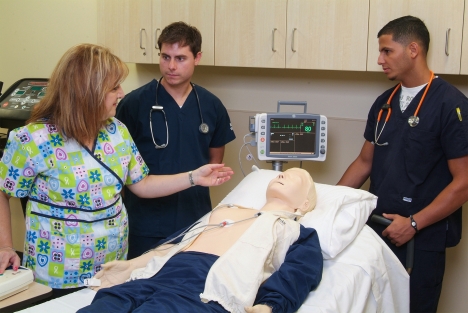
Have you ever wondered who helps doctors see what’s happening inside your heart? A cardiovascular tech might be the answer.
If you’re curious about how heart health is monitored or if you’re thinking about a career in healthcare, understanding what a cardiovascular tech does is key. This role is vital in diagnosing heart problems and saving lives. Keep reading to discover the important tasks these techs perform and why their work matters to you and your loved ones.
Cardiovascular Tech Role
The role of a cardiovascular technician is vital in healthcare. These professionals assist doctors in diagnosing and treating heart and blood vessel conditions. Their work supports patient care and helps ensure accurate test results. Cardiovascular techs use special equipment to monitor and record heart activity. They work closely with patients and medical teams to provide essential heart health data.
Core Responsibilities
- Operate diagnostic machines like EKG and ultrasound devices
- Prepare patients for tests and explain procedures clearly
- Monitor heart rhythms and blood flow during tests
- Record and analyze test results for physicians
- Maintain equipment and ensure it works correctly
- Assist in invasive procedures like catheterizations
- Keep detailed patient records and report findings
Daily Tasks
- Set up machines before patient exams
- Check patient vital signs and medical history
- Perform stress tests to evaluate heart function
- Capture images of heart structures during ultrasounds
- Work with doctors during procedures to gather data
- Clean and sterilize medical tools and equipment
- Answer patient questions and provide comfort
Work Environment
Cardiovascular techs work in hospitals, clinics, and labs. The setting is often busy and fast-paced. They spend time near patients and medical machines. Some work involves standing for long periods. Techs wear protective gear during certain procedures. Teamwork with nurses and doctors is common. The job demands attention to detail and focus.
Skills Required
To thrive as a cardiovascular technician, you need a combination of sharp technical skills and strong interpersonal qualities. These skills help you perform complex tests accurately while ensuring patients feel comfortable and cared for. Understanding what skills are essential can guide your preparation and career growth.
Technical Abilities
Cardiovascular techs must master the operation of specialized equipment like EKG machines, stress test systems, and ultrasound devices. Precision in capturing heart activity is crucial because even small errors can lead to misdiagnosis.
Being detail-oriented helps you spot irregularities in test results quickly. You also need to understand anatomy and physiology to interpret what you see during procedures.
Soft Skills
Communication plays a huge role in your daily work. You will explain procedures to patients who may be nervous or confused, so clear and calm communication is essential.
Patience and empathy help build trust, making patients more cooperative during tests. Imagine how it feels to be scared in a hospital—your kindness can make a big difference.
Certifications Needed
Most employers require certifications like Registered Cardiovascular Technician (RCVT) or Certified Cardiographic Technician (CCT). These validate your knowledge and skills in cardiovascular technology.
Continuing education is often necessary to keep certifications current and stay updated with new techniques. Would you be ready to commit to ongoing learning to maintain your expertise?
Career Path
The career path of a cardiovascular technician offers a clear route from education to advanced roles. It begins with gaining the right knowledge and skills. Then, entering the field through entry-level jobs. Over time, technicians can grow into roles with more responsibility and specialization.
Education Options
Cardiovascular techs need formal training. Many attend community colleges or technical schools. Programs usually last 1 to 2 years. They cover anatomy, physiology, and heart monitoring. Some students earn an associate degree. Certification is often required to work. Popular certifications include Registered Cardiovascular Invasive Specialist (RCIS) and Cardiovascular Technician (CVT).
Entry-level Positions
New cardiovascular techs start with basic tasks. They assist doctors during tests like EKGs and stress tests. They learn to operate diagnostic machines. Entry-level roles help build hands-on experience. These jobs are common in hospitals, clinics, and labs. Good communication and attention to detail are key skills.
Advancement Opportunities
With experience, techs can take on more duties. They may specialize in areas like echocardiography or vascular technology. Further education can lead to supervisory roles. Some move into teaching or healthcare management. Continuous learning and certification renewals help career growth. Advancement often means higher pay and more job options.
Credit: www.stclaircollege.ca
Work Settings
Cardiovascular technicians work in different places. Each setting offers unique tasks and environments. These settings shape the daily work and skills used by cardiovascular techs.
Hospitals
Hospitals are the most common workplaces for cardiovascular technicians. They assist doctors in emergency rooms and surgical units. They perform tests like EKGs and stress tests to check heart health. Techs monitor patients during procedures and help with heart surgeries. Work here is fast-paced and requires quick thinking.
Clinics
Clinics provide routine heart care and testing. Cardiovascular techs conduct exams and gather patient history. They work with doctors to diagnose heart problems. Clinic work is more scheduled and less urgent than hospitals. Techs build close relationships with regular patients.
Research Facilities
Research centers study heart diseases and new treatments. Techs assist in collecting data and running tests. They work with scientists to develop new tools and medicines. Research work involves precision and attention to detail. It contributes to advances in heart care.
Challenges Faced
Working as a cardiovascular technician comes with unique challenges that test both your physical endurance and mental resilience. Understanding these hurdles can help you prepare better and stay motivated in this demanding healthcare role. Let’s dive into some of the key difficulties you might face and how to handle them effectively.
Physical Demands
Your day often involves long hours standing or moving between patient rooms and equipment. You might need to assist patients who have limited mobility, which requires strength and careful attention to avoid injury.
Handling delicate instruments means you must maintain steady hands and sharp focus for extended periods. Have you ever felt exhausted after a shift but still needed to stay precise? That’s the physical reality of this job.
Stress Factors
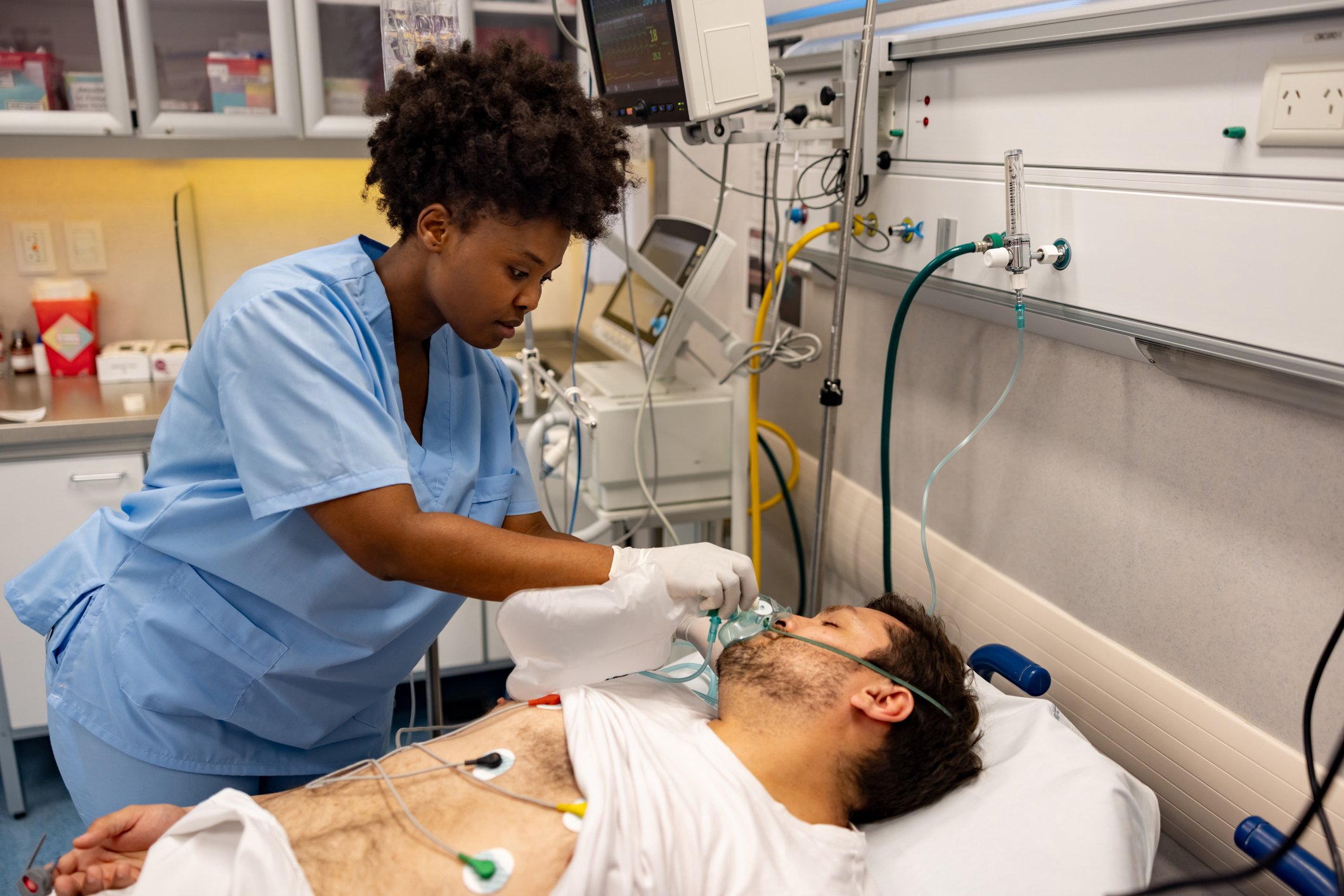
Cardiovascular technicians work in fast-paced environments where every second counts. You must stay calm when emergencies arise and decisions need to be made quickly.
Dealing with anxious patients and their families adds emotional pressure. How do you maintain professionalism while offering reassurance? Finding this balance is crucial to your success.
Keeping Up With Technology
The medical field evolves rapidly, and so does the technology you use. New machines and software require continuous learning and adaptation.
Missing an update could affect patient outcomes or slow down your workflow. Are you ready to commit time regularly to improve your tech skills? Staying current is not just beneficial—it’s necessary.
Credit: www.amnhealthcare.com
Job Outlook
The job outlook for cardiovascular technologists is an important factor to consider if you’re thinking about entering this field. Understanding employment trends, salary expectations, and future growth can help you make informed decisions about your career path. Let’s take a closer look at what you can expect.
Employment Trends
The demand for cardiovascular techs is growing steadily. Hospitals and clinics need skilled professionals to perform diagnostic tests that help detect heart problems early.
Many healthcare facilities are expanding their cardiology departments, which means more job openings. Do you enjoy hands-on work and patient interaction? This trend suggests a promising chance to find a rewarding position.
Salary Expectations
Cardiovascular technologists typically earn a competitive salary that reflects their specialized skills. Entry-level positions might start on the lower end, but experience and certifications can significantly boost your pay.
In some regions, techs earn bonuses or overtime pay due to high demand. Have you thought about how salary varies by location or workplace setting? Knowing this can help you target your job search effectively.
Future Growth
The future looks bright for cardiovascular technologists. Advances in medical technology mean new procedures and equipment require trained specialists.
Additionally, an aging population increases the need for heart-related diagnostics. Are you ready to keep learning and adapt as your role evolves? Continuous education can keep you ahead in this growing field.

Credit: www.stclaircollege.ca
Frequently Asked Questions
What Are The Main Duties Of A Cardiovascular Tech?
A cardiovascular tech performs diagnostic tests like EKGs and stress tests. They assist doctors in heart-related procedures and monitor patient heart activity to ensure accurate results and patient safety.
How Does One Become A Cardiovascular Tech?
To become a cardiovascular tech, you need a relevant associate degree or certification. Practical training and passing a certification exam are essential for employment in this field.
What Skills Are Essential For Cardiovascular Techs?
Cardiovascular techs need strong technical skills, attention to detail, and good communication. They must handle medical equipment accurately and work well with patients and healthcare teams.
Where Do Cardiovascular Technicians Typically Work?
Cardiovascular techs usually work in hospitals, clinics, and diagnostic labs. Some may work in cardiology offices or specialized heart centers for patient testing and care.
Conclusion
A cardiovascular tech plays a vital role in healthcare. They operate machines that help diagnose heart issues. Their skills ensure accurate results for doctors. They support patients through tests, explaining steps clearly. They work closely with medical teams, enhancing patient care.
Their attention to detail is crucial. They make sure equipment runs smoothly, reducing errors. Their expertise helps detect heart problems early. This leads to better treatment options. Cardiovascular techs are essential in saving lives. Their dedication improves heart health for many.
Considering a career in healthcare? This field offers rewarding opportunities. Helping others while using technology.