Have you ever wondered who keeps your car running smoothly behind the scenes? That’s where a Lube Tech comes in.
If you want to understand what a Lube Tech does and why their work matters to your vehicle’s health, you’re in the right place. This article will break down everything you need to know in simple terms. By the time you finish reading, you’ll see why trusting a skilled Lube Tech can save you time, money, and headaches on the road.
Keep reading to discover the key role they play in keeping your car in top shape.
Role Of A Lube Tech
The role of a Lube Tech is essential in vehicle maintenance. They keep engines running smoothly by ensuring proper lubrication. This helps prevent wear and tear on moving parts. Lube Techs work closely with mechanics and service teams to support vehicle health.
Core Responsibilities
- Change engine oil and replace oil filters
- Inspect and top off other fluids like brake and transmission fluid
- Check tire pressure and adjust as needed
- Perform basic safety inspections
- Clean and maintain work areas and equipment
Daily Tasks
- Drain old oil and refill with fresh oil
- Replace oil, air, and fuel filters
- Inspect belts, hoses, and other engine parts
- Record maintenance work and report issues
- Communicate with customers about services performed
Work Environment
Lube Techs usually work in auto repair shops or service centers. The job involves standing for long hours and handling tools. Workspaces can be noisy and oily. Protective gear like gloves and glasses are common. The role demands focus and attention to detail.
Skills And Qualifications
A Lube Tech plays a vital role in vehicle maintenance. Their skills and qualifications ensure smooth and efficient service. These professionals need both technical expertise and strong personal abilities to perform well. Understanding these key skills helps appreciate their work better.
Technical Knowledge
Lube Techs must understand vehicle systems clearly. They know how to check and change engine oil, filters, and fluids. Basic knowledge of engines, transmissions, and brakes is essential. They can spot signs of wear or damage quickly. Using diagnostic tools accurately is part of their job.
Certifications And Training
Training programs teach essential skills to Lube Techs. Many complete courses on automotive maintenance and safety. Certifications from recognized institutions boost their credibility. Some employers require ASE (Automotive Service Excellence) certificates. Continuous learning helps them stay updated with new technology.
Physical And Soft Skills
Physical strength is important for lifting heavy parts and tools. Good hand-eye coordination helps with precise tasks. Attention to detail avoids mistakes during inspections. Communication skills allow clear explanations to customers and team members. Being reliable and punctual is crucial for daily work.
Tools And Equipment
Lube techs use a variety of tools and equipment to keep vehicles running smoothly. These tools help them change oil, check fluid levels, and maintain engine health. The right equipment ensures the job is done quickly and safely.
Common Tools Used
- Oil filter wrench for removing filters
- Drain pan to catch used oil
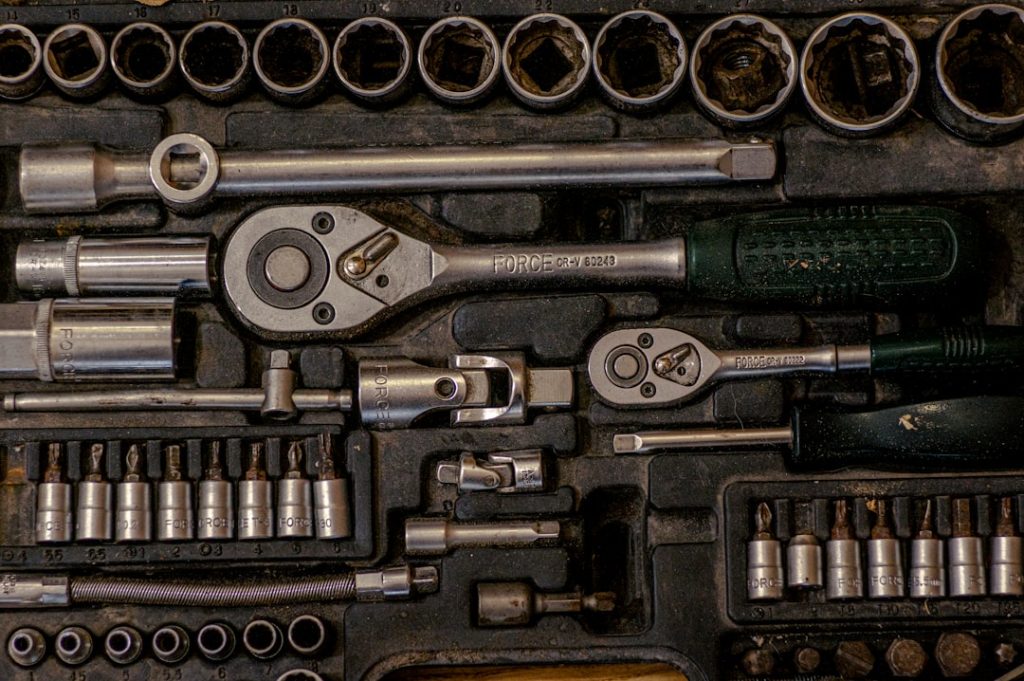
- Socket sets for loosening bolts
- Funnel for pouring fluids without spills
- Rags and cleaning supplies for wiping parts
- Fluid testers to check oil quality
Safety Gear
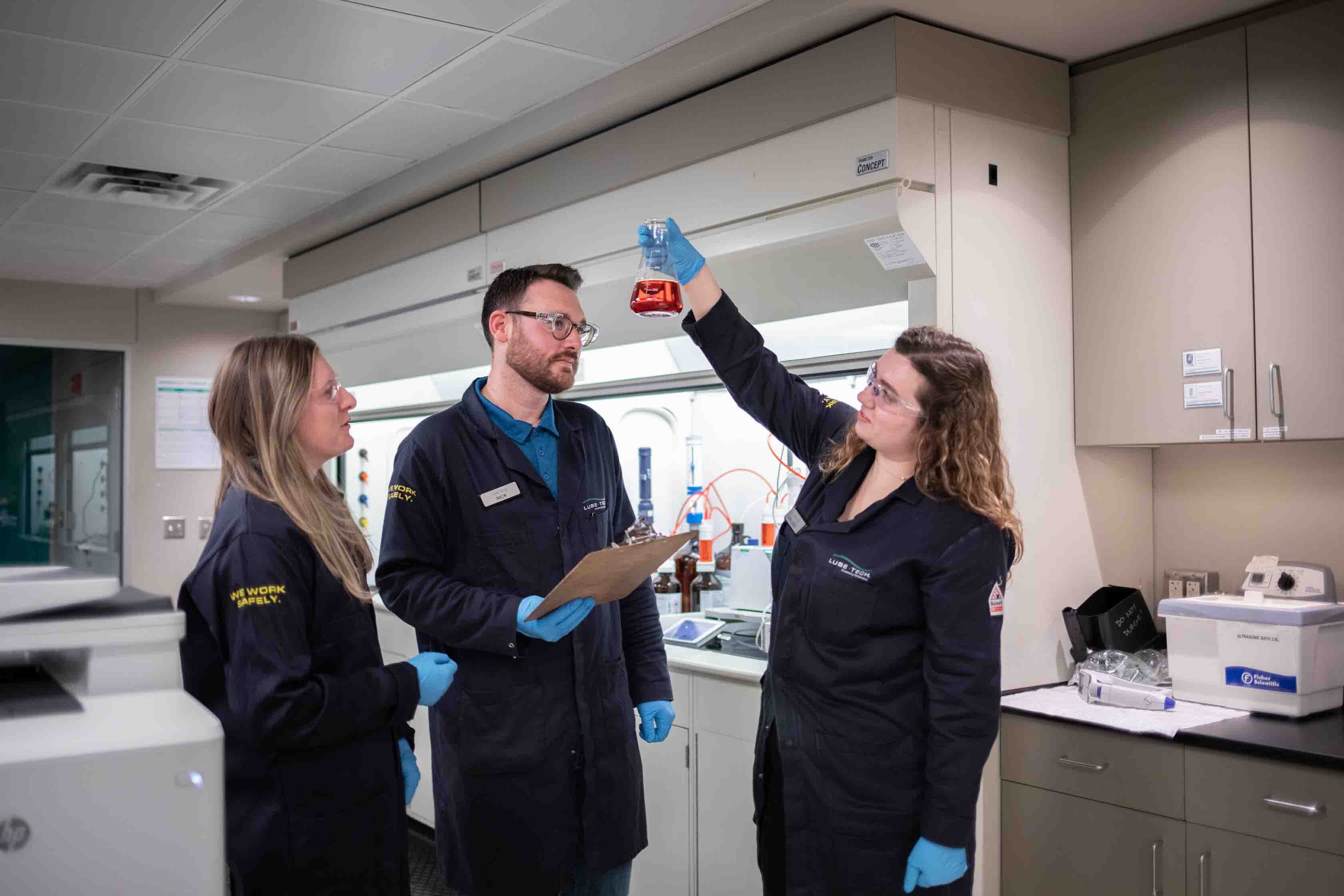
Protective gear is crucial for lube techs. Gloves keep hands clean and safe from chemicals. Safety glasses prevent oil or debris from entering the eyes. Coveralls protect clothes and skin from spills and dirt. Proper footwear helps avoid slips in the workshop.
Technology Integration
Modern lube techs use digital tools to enhance work accuracy. Electronic oil analyzers help detect engine problems early. Digital fluid meters ensure correct oil quantities. Some shops use tablet apps for service records and reminders. Technology makes maintenance faster and more reliable.

Credit: discountstarterandalternator.com
Challenges Faced By Lube Techs
Lube techs face many challenges daily. Their work demands precision and care. These challenges test their skills and patience. Understanding these difficulties helps appreciate their role more.
Handling Hazardous Materials
Lube techs work with chemicals that can harm skin and lungs. Proper handling is vital to avoid accidents. They use gloves and masks to stay safe. Storing these materials correctly is also important. Spills must be cleaned quickly to prevent injuries.
Time Management
Many vehicles need quick service. Lube techs must work fast without rushing. Balancing speed and quality can be tough. They often juggle multiple tasks at once. Staying organized helps meet deadlines efficiently.
Dealing With Equipment Malfunctions
Tools and machines sometimes break down unexpectedly. Lube techs must fix or replace them fast. Delays can upset customers and slow work. Knowing how to troubleshoot is essential. Regular maintenance reduces equipment problems.
Career Growth Opportunities
Career growth opportunities for a Lube Tech extend far beyond basic maintenance tasks. As you gain experience, you can unlock new roles that offer more responsibility and higher pay. Understanding these paths can help you plan your future and make the most of your skills.
Advanced Roles
As a Lube Tech, you can advance to positions like Lead Technician or Service Manager. These roles involve overseeing teams, managing schedules, and ensuring quality control. Moving up means you’ll develop leadership skills and increase your influence in the workplace.
Have you considered how managing a team could sharpen your problem-solving abilities? Taking on these responsibilities can prepare you for even bigger challenges in the automotive service industry.
Specializations
Specializing in areas like diesel engines, heavy machinery, or hybrid vehicles can set you apart. These niches require specific knowledge and often pay more due to the expertise involved. Specialization also makes you more valuable to employers and opens doors to unique job opportunities.
Think about what interests you most within the field. Diving deep into a specialty can keep your work exciting and help you build a strong professional reputation.
Industry Demand
The demand for skilled Lube Techs remains steady across automotive shops, transport companies, and industrial settings. This demand often leads to job stability and opportunities in different locations. As vehicles evolve, so does the need for technicians who understand new systems.
Are you ready to adapt and learn as technology changes? Staying current with industry trends can ensure your skills remain in high demand, providing a secure and rewarding career path.
Credit: lubetech.com
Expert Tips For Aspiring Lube Techs
Becoming a skilled lube tech takes more than just knowing how to change oil. You need the right knowledge, connections, and a strong focus on safety to excel in this role. These expert tips will help you build a solid foundation and grow your career with confidence.
Learning Resources
Start with hands-on training and online tutorials that focus on vehicle maintenance basics. Websites like YouTube offer step-by-step videos that show oil changes, filter replacements, and fluid checks. Don’t overlook local community colleges or trade schools—they often provide affordable courses tailored to automotive service skills.
Technical manuals and manufacturer guides are gold mines for detailed info. They explain the specific types of lubricants and procedures for different vehicles. Have you tried creating a checklist from these manuals? It can make your work more efficient and error-free.
Networking Strategies
Building relationships in the automotive industry opens doors to job opportunities and mentorship. Attend local trade shows, car meets, or workshops to meet experienced technicians and shop owners. Ask questions and show genuine interest—you’ll be surprised how willing professionals are to share advice.
Social media groups and forums dedicated to auto care can also connect you with experts worldwide. LinkedIn is another powerful tool to follow industry leaders and join relevant groups. Have you reached out to a mentor in your area yet? It could be the key to learning insider tips and advancing faster.
Maintaining Safety Standards
Safety isn’t just a rule—it protects you and your customers. Always wear the right personal protective equipment like gloves and safety glasses. Keep your work area clean and organized to avoid accidents and spills.
Make sure to properly dispose of used oil and filters according to local regulations. Ignoring safety can lead to costly mistakes or injuries. What safety habits have you found most helpful during your work?

Credit: lubetech.com
Frequently Asked Questions
What Does A Lube Tech Do Daily?
A Lube Tech performs oil changes, lubrication, and basic vehicle maintenance. They ensure vehicles run smoothly by checking fluids and filters regularly. Their role is crucial for vehicle longevity and performance.
Why Is A Lube Tech Important For Car Care?
Lube Techs maintain engine health by changing oil and lubricating parts. Proper lubrication reduces wear and prevents costly repairs. Their work keeps vehicles safe and efficient on the road.
How To Become A Certified Lube Tech?
To become a certified Lube Tech, complete training in automotive maintenance. Many programs offer hands-on experience and certification exams. Certification boosts job opportunities and proves technical skills.
What Skills Are Essential For A Lube Tech?
A Lube Tech needs mechanical knowledge, attention to detail, and customer service skills. They must handle tools safely and follow manufacturer guidelines. Good communication ensures customer trust and satisfaction.
Conclusion
A lube tech plays a vital role in vehicle maintenance. Their skills keep engines running smoothly. They perform oil changes, fluid checks, and filter replacements. These tasks ensure cars stay in top condition. Lube techs also spot potential issues early.
This proactive approach saves time and money for car owners. Understanding their work helps appreciate their importance. Next time at a service center, notice their expertise. Their work is crucial in maintaining your vehicle’s health. An unsung hero in the automotive world.
Reliable, efficient, and essential for everyday driving needs.