
Have you ever wondered who is behind the amazing machines that help save lives in hospitals? A Biomed Tech might be the answer.
If you’re curious about what this job really involves and how it impacts your health, you’re in the right place. By the end of this article, you’ll understand why Biomed Techs are essential and how they keep medical equipment running smoothly.
Keep reading—you might discover a career path you hadn’t considered before.
Role Of A Biomed Tech
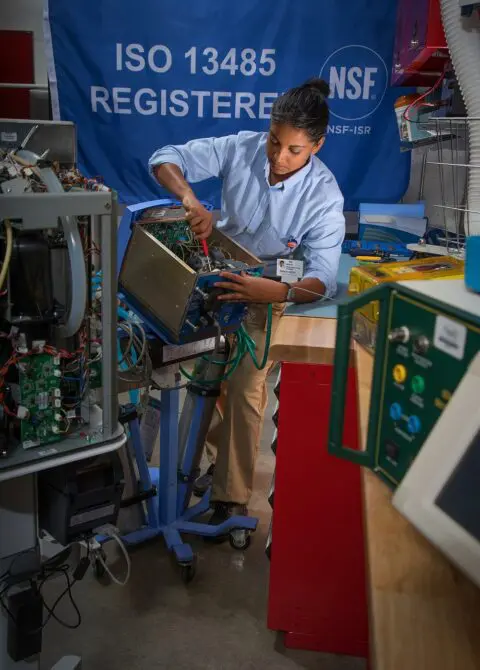
The role of a Biomed Tech is vital in healthcare settings. These professionals ensure that medical devices work safely and efficiently. They keep equipment in top condition to support patient care. Their work helps doctors and nurses provide accurate diagnoses and treatments.
Biomed Techs manage a wide range of tasks daily. They work with various machines, from simple monitors to complex imaging systems. Their role demands precision and a strong understanding of technology.
Daily Responsibilities
- Inspect and test medical equipment regularly
- Perform routine maintenance and repairs
- Calibrate devices to ensure accuracy
- Document work and maintain records
- Train healthcare staff on device use
- Respond quickly to equipment failures
- Ensure compliance with safety standards
Key Skills Required
- Strong technical knowledge of medical devices
- Good problem-solving abilities
- Attention to detail for precise work
- Effective communication skills
- Ability to work under pressure
- Basic understanding of healthcare environments
- Patience and persistence in troubleshooting
Education Pathways
Entering the field of biomedical technology requires specific education and training. These pathways prepare students with the knowledge and skills needed for this career. Understanding the right degrees and certifications is essential. Training programs also play a key role in shaping a competent biomed tech.
Essential Degrees And Certifications
A degree in biomedical engineering or a related science is common. Many employers prefer candidates with a bachelor’s degree. Some roles may require advanced degrees for specialized work.
- Bachelor of Science in Biomedical Engineering
- Bachelor of Science in Biotechnology
- Associate Degree in Biomedical Technology
- Certifications like Certified Biomedical Equipment Technician (CBET)
Certifications prove skills and improve job prospects. They focus on areas like equipment maintenance and safety standards.
Recommended Training Programs
Hands-on training is vital for biomed techs. Many programs combine classroom learning with lab work.
- Internships in hospitals or medical device companies
- Technical training on medical equipment
- Workshops on safety and compliance rules
- Continuing education courses to keep skills current
Training programs help students gain practical experience. They prepare graduates to handle real-world challenges confidently.
Work Environment
The work environment of a biomedical technician blends technology and healthcare. These professionals handle medical equipment used in hospitals and clinics. Their role is vital to keeping machines running safely and efficiently. Understanding their work environment helps grasp the daily life of a biomed tech.
Typical Employers
- Hospitals and medical centers
- Medical equipment manufacturers
- Research laboratories
- Diagnostic laboratories
- Healthcare facilities and clinics
- Government health agencies
- Private medical service companies
Work Settings And Conditions
Biomed techs work mainly indoors. They often spend time in labs or hospital rooms. The job requires standing or moving for long periods. They use tools and machines for testing and repairs.
Work hours may vary. Some jobs need night or weekend shifts. Safety is key, so techs follow strict rules. The role demands focus and careful handling of equipment.

Credit: coastbiomed.com
Career Growth Opportunities
Career growth opportunities in biomedical technology are promising and varied. As technology advances rapidly, your skills will become increasingly valuable in healthcare and research. Understanding the paths you can take helps you plan your future and stay motivated.
Advancement Paths
You can start as a biomedical technician handling equipment maintenance and repair. Over time, moving into roles like senior technician or lab supervisor is common. These positions involve managing teams and ensuring smooth operation of biomedical devices.
With experience, you might become a biomedical engineer, designing new medical devices or improving existing ones. Some professionals transition to project management or sales roles within medical technology companies. Each step requires learning new skills and adapting to different responsibilities.
Have you thought about how leadership skills could boost your career in this field? Taking courses in management or communication might open doors beyond technical roles.
Specialization Areas
Specializing can set you apart and increase your earning potential. You might focus on areas like imaging technology, clinical engineering, or biomaterials. Each specialization requires specific knowledge and offers unique challenges.
For instance, working in imaging technology means you’ll deal with MRI, CT scans, and X-ray machines, ensuring they function correctly and safely. Clinical engineers often work inside hospitals, collaborating with healthcare teams to implement technology solutions.
Consider what part of biomedical technology excites you most. Are you interested in hands-on work, or do you prefer research and development? Your choice will shape your education and career trajectory.
Salary Expectations
Understanding the salary expectations for a Biomedical Technician is crucial before diving into this career. Your earnings can vary widely based on experience, location, and the specific healthcare facility you work for. Knowing what to expect can help you plan your career path and financial goals effectively.
Entry-level Pay
When you start as a Biomedical Technician, your salary typically reflects your limited hands-on experience. Entry-level positions usually pay between $40,000 and $55,000per year.
This range can shift depending on factors like your educational background and the region you work in. For example, urban hospitals may offer higher wages compared to rural clinics. Have you considered how your location might impact your starting salary?
Experienced Technician Earnings
With a few years under your belt, your salary can increase significantly. Experienced Biomedical Technicians often earn between $60,000 and $80,000annually.
Specializing in certain equipment or obtaining certifications can push your pay even higher. For instance, expertise in advanced imaging devices or lab analyzers is highly valued. Are you ready to invest in skills that could boost your paycheck?

Credit: www.linkedin.com
Industry Demand
The demand for biomedical technicians is growing steadily. Healthcare facilities rely on these experts to maintain and repair medical equipment. As technology in healthcare improves, the need for skilled biomed techs increases. Hospitals, clinics, and labs must ensure their devices work safely and efficiently. This creates steady job opportunities for trained professionals in this field.
Current Job Market Trends
Many healthcare providers hire biomedical technicians to manage complex devices. Job openings are common in urban and rural areas alike. Employers seek candidates with technical skills and hands-on experience. Certification and training improve a candidate’s chances of employment. Salaries vary but generally offer stable income and benefits. The role often involves on-site repairs, routine maintenance, and troubleshooting.
Future Outlook
The future shows strong growth for biomedical technicians. Advances in medical technology require continuous updates and support. Aging populations increase demand for healthcare services and equipment. More medical devices mean more need for technicians to keep them running. Job growth is expected to outpace average for many other careers. Staying current with new technology will help professionals stay competitive.
Challenges Faced
Biomedical technicians face many challenges in their work. These difficulties test their skills and patience daily. Understanding these challenges helps appreciate their important role in healthcare.
Technical Difficulties
Biomedical technology involves complex machines. These machines often break down or malfunction unexpectedly. Diagnosing the exact problem can be tough and time-consuming. Some devices require special parts that are hard to find. Staying updated with new technologies is also a challenge. Technicians need constant learning to handle the latest equipment. Errors in repairs can affect patient safety seriously.
Workplace Stressors
Biomedical technicians work under high pressure. They must fix equipment quickly to avoid delays in treatment. Long shifts and emergency calls are common. Mistakes can lead to serious consequences, increasing stress. Working in hospitals means exposure to germs and infections. Balancing technical work with communication between doctors adds extra pressure. Despite challenges, they play a key role in saving lives.
Credit: www.crothall.com
Tips For Success
Success in biomedical technology requires focus and smart strategies. This field blends biology, engineering, and technology to improve healthcare. Staying updated and connected helps you grow and excel. Below are key tips to build a strong foundation and make valuable connections.
Building Expertise
Start with solid knowledge in biology and technology basics. Practice skills through hands-on projects and labs. Keep learning through courses and workshops. Follow new research and tech trends to stay current. Use online resources and textbooks for deeper understanding. Work on real-world problems to gain practical experience. Document your progress and reflect on lessons learned.
Networking Strategies
Meet professionals in biomedical technology through events and seminars. Join online groups and forums focused on this field. Connect with professors, mentors, and industry experts. Share your work and ask for feedback. Volunteer in labs or healthcare settings to build contacts. Attend job fairs and career talks for opportunities. Keep in touch with peers and professionals regularly.
Frequently Asked Questions
What Does A Biomed Tech Do Daily?
A Biomed Tech maintains and repairs medical equipment. They ensure devices work safely and effectively. Their work supports healthcare by minimizing equipment downtime. They also calibrate tools to meet safety standards.
How Does Biomed Tech Impact Healthcare?
Biomed Techs improve patient care by ensuring reliable medical devices. They reduce equipment failures that could delay treatment. Their role enhances hospital efficiency and patient safety. They keep vital technology operational and compliant.
What Skills Are Essential For A Biomed Tech?
Key skills include technical knowledge of medical devices, troubleshooting, and repair. Attention to detail and problem-solving are critical. Good communication helps when working with healthcare staff. Staying updated on technology advances is also important.
Where Do Biomed Techs Usually Work?
Biomed Techs work primarily in hospitals, clinics, and medical labs. Some are employed by equipment manufacturers or service companies. They may also work in research facilities or government health agencies. Their role is vital wherever medical devices are used.
Conclusion
Biomed techs play a crucial role in healthcare settings. They ensure medical equipment works smoothly. Their skills help doctors and nurses care for patients. Every hospital relies on these experts for machine maintenance. Without them, medical devices could malfunction. Biomed techs constantly learn new technologies.
This keeps them ready for any challenge. Their work supports patient safety and treatment success. Choosing a career as a biomed tech can be rewarding. It offers opportunities to grow and make a difference. Essential for healthcare, biomed techs are truly indispensable.