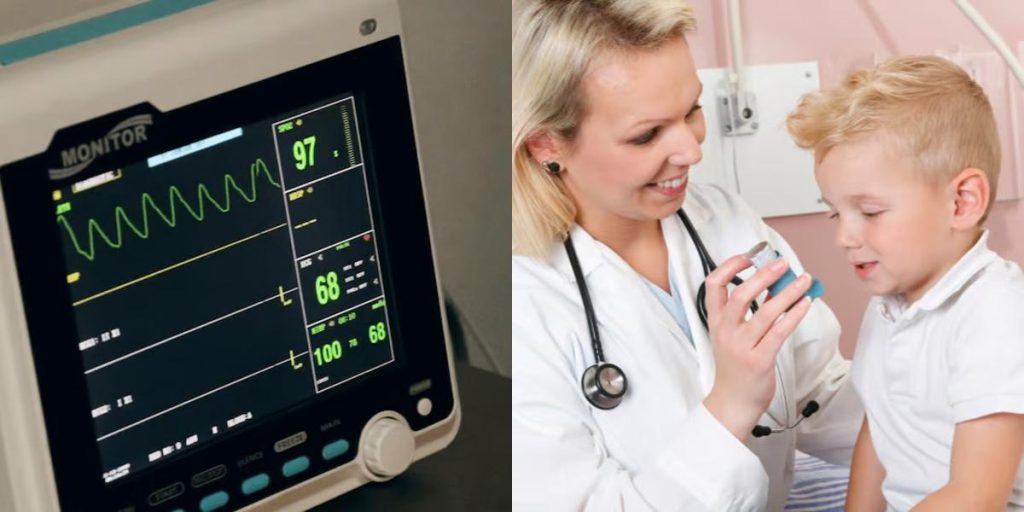
Have you ever wondered who helps patients breathe easier when their lungs struggle? That’s where a respiratory tech steps in.
If you’re curious about what this important role involves and how it impacts health every day, you’re in the right place. Understanding what a respiratory tech does can open your eyes to a vital part of healthcare that often goes unnoticed.
Keep reading to discover how these skilled professionals make a real difference in the lives of people facing breathing challenges—and why you might even consider this rewarding career for yourself.

Credit: www.betterteam.com
Respiratory Tech Role
A Respiratory Tech plays a vital role in healthcare. They help patients breathe better and manage lung diseases. These professionals work closely with doctors and nurses to provide essential respiratory care. Their work improves patient comfort and health outcomes. Understanding their role gives insight into this important healthcare job.
Daily Responsibilities
- Monitor patients’ breathing and lung function
- Operate and maintain breathing machines and ventilators
- Administer oxygen therapy and other respiratory treatments
- Assist in emergency airway management
- Perform diagnostic tests like spirometry
- Educate patients on breathing exercises and device use
- Keep detailed records of treatments and patient progress
Key Skills Required
- Strong understanding of respiratory anatomy and diseases
- Ability to operate complex medical equipment
- Good communication skills to explain treatments clearly
- Attention to detail for accurate patient monitoring
- Quick problem-solving during emergencies
- Compassion and patience when working with patients
- Teamwork skills to coordinate with healthcare staff
Work Environment
Respiratory Techs work mainly in hospitals and clinics. They often assist in intensive care units and emergency rooms. Some work in nursing homes or home health settings. The job can involve shift work, including nights and weekends. Respiratory Techs must be ready for fast-paced and sometimes stressful situations. Safety protocols are crucial due to exposure to illnesses.
Training And Education
Training and education are the backbone of becoming a skilled respiratory therapist. You need a solid foundation of knowledge and hands-on experience to handle complex respiratory care effectively. Understanding the education path helps you set clear goals and prepares you for the challenges ahead.
Certification Paths
To work as a respiratory tech, certification is essential. The most recognized credential is the Certified Respiratory Therapist (CRT) offered by the National Board for Respiratory Care (NBRC). Many employers require this certification as proof of your ability to provide safe and effective respiratory care.
You can also pursue the Registered Respiratory Therapist (RRT) credential, which is an advanced certification demonstrating higher expertise. These certifications are not just titles; they open doors to better job opportunities and higher pay. Have you thought about which certification aligns best with your career goals?
Essential Coursework
Your education will include courses in anatomy, physiology, and respiratory care techniques. You’ll learn how to manage mechanical ventilation, administer oxygen therapy, and monitor patient progress. Labs and clinical rotations give you the chance to practice skills in real healthcare settings.
Courses in pharmacology and cardiopulmonary diagnostics are also critical. They teach you how different medications affect the respiratory system and how to use diagnostic tools effectively. This mix of theory and practice prepares you to face real-world situations confidently.
Continuing Education
Respiratory care is always evolving, so ongoing learning is necessary. Many states and employers require respiratory therapists to complete continuing education credits regularly. This keeps your knowledge up-to-date and ensures you follow the latest best practices.
Workshops, seminars, and online courses offer flexible ways to meet these requirements. Staying current not only benefits your patients but also helps you grow professionally. What new skills could you add to your toolkit this year?
Career Opportunities
Career opportunities for respiratory techs are broad and growing. These professionals play a key role in healthcare, helping patients with breathing problems. Many settings and paths exist, offering choices to fit different interests and goals.
Job Settings
Respiratory techs work in various places. Common settings include:
- Hospitals and clinics
- Rehabilitation centers
- Home healthcare services
- Long-term care facilities
- Sleep disorder centers
These settings offer chances to work with different patient groups. Some techs prefer fast-paced hospital environments. Others like the steady routine of outpatient centers.
Advancement Options
Respiratory techs can grow their careers over time. Options include:
- Specializing in areas like neonatal or pulmonary care
- Becoming a respiratory therapist
- Moving into management or supervisory roles
- Teaching or training new techs
- Pursuing further education for advanced certifications
Continued learning opens doors to higher roles and better pay.
Salary Expectations
Salary varies by experience, location, and job setting. Entry-level respiratory techs earn less than experienced ones. On average, salaries range from $40,000 to $60,000 yearly. Working in specialized or high-demand areas can increase pay. Benefits like health insurance and retirement plans often add value to the total compensation.
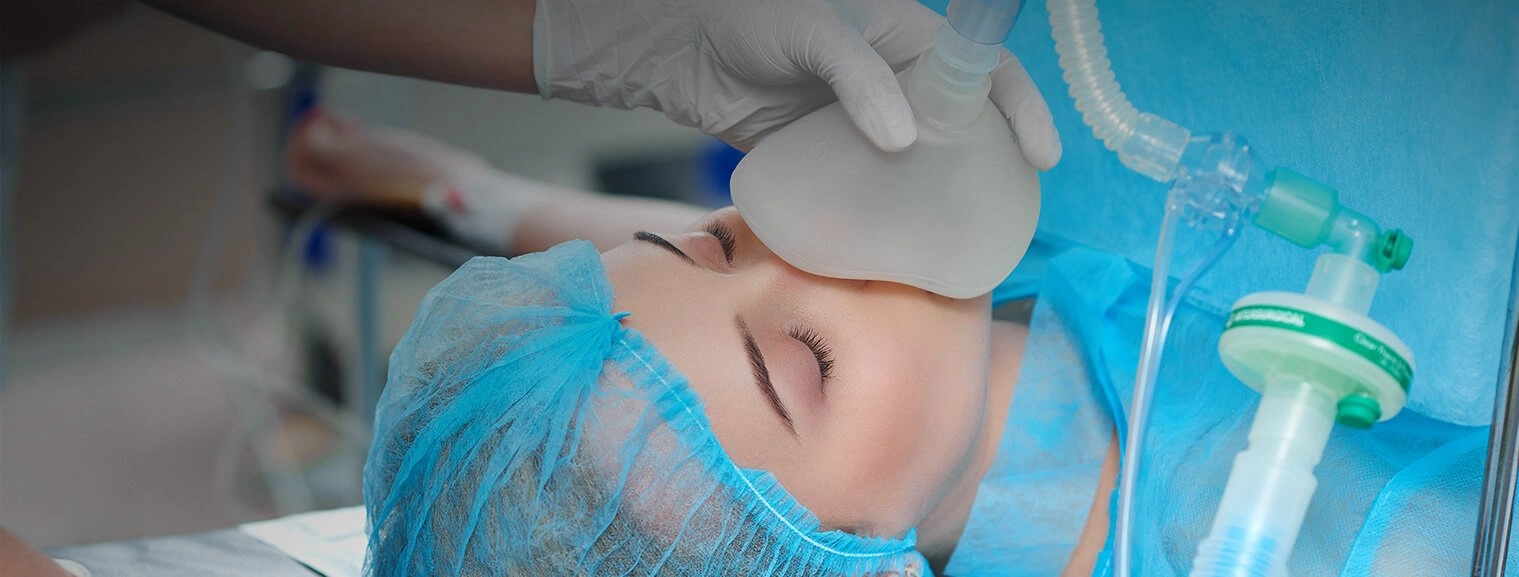
Credit: apollouniversity.edu.in
Impact On Patient Care
Respiratory therapists play a vital role in patient care, often making the difference between recovery and complication. Their expertise directly influences how patients breathe, heal, and regain strength. Understanding their impact helps you appreciate the hands-on care that supports every breath.
Critical Interventions
Respiratory techs perform urgent procedures that can save lives. Whether it’s managing ventilators or delivering emergency oxygen, their quick actions stabilize patients in distress. Have you considered how precise timing in these interventions can prevent long-term damage?
They also monitor lung function and adjust treatment based on real-time data. This constant vigilance helps catch problems before they worsen, ensuring patients receive exactly what they need. Think about the confidence you’d have knowing someone is always watching your breathing closely.
Team Collaboration
Respiratory techs don’t work alone—they are key players in the healthcare team. They communicate patient status and treatment responses to doctors, nurses, and specialists. This teamwork ensures everyone is on the same page, speeding up decisions and improving care.
Working closely with others also means they adapt quickly when a patient’s condition changes. Their insights often guide the next steps in treatment plans. How might your care improve if every specialist shared such detailed, up-to-the-minute information?
Patient Outcomes
The ultimate goal of respiratory therapy is better patient health and faster recovery. Studies show patients managed by skilled respiratory techs often spend less time in intensive care. This means fewer complications and a smoother return to normal life.
Beyond physical health, respiratory techs support emotional well-being by educating patients and families. Understanding treatment reduces anxiety and empowers you to participate actively in your care. What difference would feeling informed and supported make during a hospital stay?
Challenges Faced
Respiratory techs face a unique set of challenges daily that test their skills, patience, and resilience. These challenges go beyond routine tasks, often pushing professionals to adapt quickly and maintain high levels of accuracy under pressure. Understanding these hurdles can give you a clearer picture of what this career really demands.
Stress Factors
Working with patients who have breathing difficulties means you often deal with life-or-death situations. The pressure to perform swiftly and correctly can be overwhelming.
Long hours and irregular shifts add to the mental load, making it hard to maintain a work-life balance. Have you ever wondered how you would stay calm while managing emergencies back-to-back?
Physical Demands
Respiratory techs spend much of their time on their feet, moving equipment, and assisting patients. This can be exhausting, especially during busy hospital shifts.
Handling heavy machinery and positioning patients requires strength and stamina. It’s not just about skill but also about physical endurance.
Evolving Technology
Medical devices and treatment protocols are constantly changing. Keeping up with new tools means you must commit to ongoing learning.
Adapting to unfamiliar machines while ensuring patient safety is challenging. How do you keep your skills sharp in such a fast-paced environment?
Future Trends
The role of respiratory techs is evolving rapidly. New tools and healthcare needs shape their future. Understanding these trends helps grasp what lies ahead in this field.
Technological Innovations
Advanced machines now assist with breathing support. Portable ventilators allow care outside hospitals. AI helps monitor patient lungs in real time. Digital records improve treatment accuracy and speed. These innovations make respiratory care more precise and efficient.
Growing Demand
Aging populations increase the need for lung care. Chronic diseases like asthma and COPD are rising. Respiratory techs play key roles in managing these conditions. Hospitals and clinics require more trained specialists. Job opportunities for respiratory techs are expanding worldwide.
Changing Healthcare Landscape
Healthcare shifts towards outpatient and home care settings. Telemedicine connects patients with respiratory techs remotely. Team-based care models include respiratory techs as vital members. Focus on prevention and early intervention is growing. These changes create new roles and responsibilities for respiratory techs.

Credit: dreambound.com
Frequently Asked Questions
What Does A Respiratory Tech Do Daily?
A respiratory tech provides care to patients with breathing problems. They assist in treatments, operate equipment, and monitor patient progress daily.
How To Become A Certified Respiratory Tech?
To become certified, complete an accredited respiratory therapy program. Then, pass the Certified Respiratory Therapist (CRT) exam to earn certification.
What Skills Are Essential For Respiratory Techs?
Respiratory techs need strong communication, critical thinking, and technical skills. They must handle medical equipment accurately and provide patient support efficiently.
Where Do Respiratory Techs Typically Work?
Respiratory techs work mainly in hospitals, clinics, and rehabilitation centers. They also assist in emergency rooms and long-term care facilities.
Conclusion
Respiratory techs play a key role in healthcare. They help patients breathe easier. Their work is crucial for those with lung issues. This field offers rewarding career opportunities. It requires specialized skills and compassion. Respiratory techs work in hospitals, clinics, and home care.
The demand for skilled techs is growing. This makes it an attractive career choice. Training programs prepare you for certification. You can start a fulfilling journey in healthcare. Explore this career if you love helping others. It’s a vital role in the medical field.
Respiratory techs truly make a difference every day.