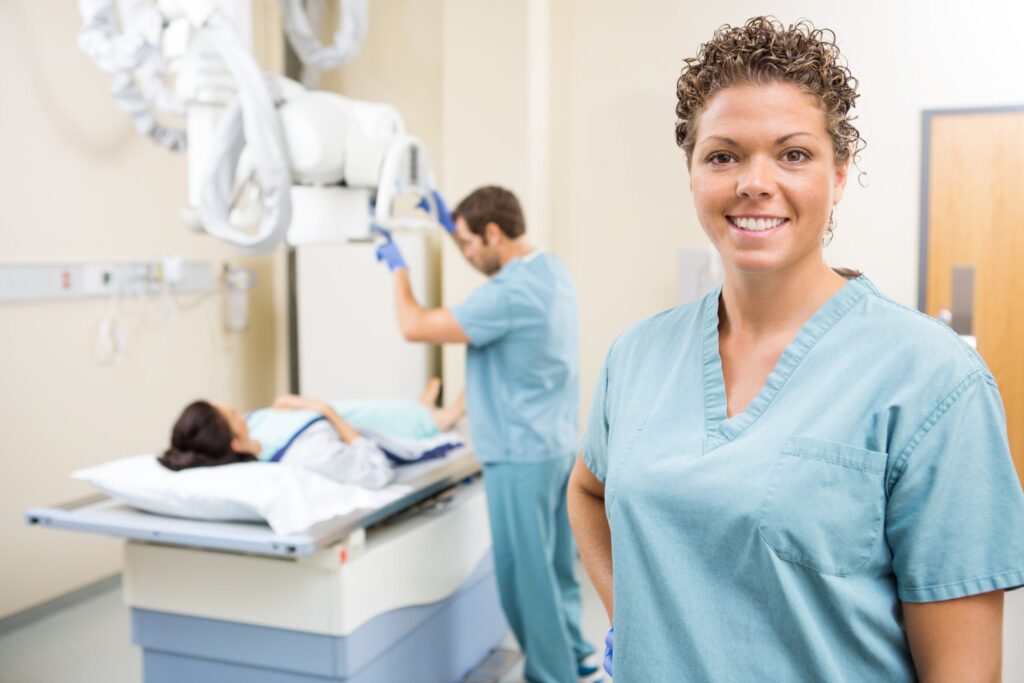
Have you ever wondered who helps patients feel comfortable and cared for during their hospital stay? Patient Care Technicians, or PCTs, play a crucial role behind the scenes.
They assist with daily tasks, monitor vital signs, and provide the hands-on support that makes a real difference in recovery. If you want to know exactly what Patient Care Techs do and why their work matters, keep reading. This article will give you a clear picture of their responsibilities and how they impact patient care every day.

Credit: www.ivytech.edu
Roles Of Patient Care Techs
Patient Care Techs play a crucial role in healthcare settings by providing hands-on support that directly impacts patient comfort and recovery. Their work bridges the gap between patients and medical staff, ensuring smooth daily operations and attentive care. Understanding their specific roles helps you appreciate the vital functions they perform every day.
Direct Patient Support
Patient Care Techs offer direct support to patients by addressing their immediate needs. This includes helping patients move safely, providing emotional comfort, and responding to calls for assistance. You might not realize how much a simple conversation or gentle reassurance can improve a patient’s day.
Have you ever considered how much personal attention influences recovery? Patient Care Techs are often the first to notice subtle changes in a patient’s condition because they spend the most time with them.
Vital Signs Monitoring
Monitoring vital signs is a key responsibility. Patient Care Techs regularly check blood pressure, temperature, pulse, and respiration rates to track patient health. These readings give doctors and nurses essential data to make quick decisions.
Imagine catching a fever early before it becomes serious. This timely information can prevent complications and guide treatment plans effectively.
Assisting With Daily Activities
Many patients need help with daily tasks like bathing, dressing, and eating. Patient Care Techs provide this support with dignity and respect, making sure patients maintain as much independence as possible.
By assisting with these activities, they reduce patient stress and promote a sense of normalcy during hospital stays. What small help could make a big difference in your comfort during illness?
Supporting Medical Staff
Beyond patient interaction, Patient Care Techs assist doctors and nurses by preparing equipment, restocking supplies, and documenting patient information. Their efficiency keeps the healthcare team focused on treatment.
Have you noticed how smooth a well-coordinated team works? Patient Care Techs are key players behind the scenes, ensuring everything runs without hiccups.
Skills And Qualifications
Patient Care Technicians (PCTs) play a vital role in healthcare settings. Their work requires a blend of formal qualifications and personal skills. These skills ensure they can support patients effectively and work well with medical teams. Understanding the skills and qualifications needed helps grasp what this job demands.
Required Certifications
Certifications prove a PCT’s knowledge and readiness. Most employers expect specific credentials to ensure safety and quality care. Common certifications include:
- Certified Nursing Assistant (CNA) license
- Basic Life Support (BLS) certification
- Patient Care Technician certification from accredited programs
These certifications often require completing training and passing exams. Keeping certifications current through continuing education is essential.
Key Soft Skills
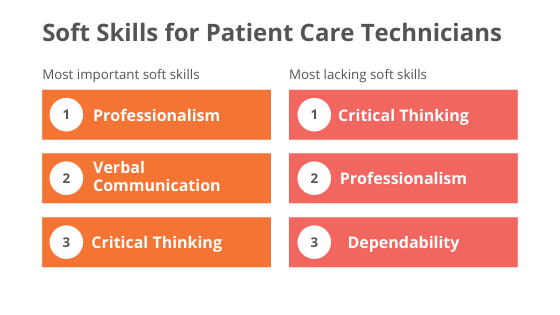
Soft skills shape how PCTs interact with patients and staff. Compassion is crucial for patient comfort. Good communication helps explain care and listen to patient needs. Patience supports handling difficult situations calmly. Teamwork enables smooth coordination with nurses and doctors. Attention to detail ensures no steps are missed in care routines.
Technical Competencies
PCTs need hands-on technical skills to perform medical tasks. Taking vital signs accurately is fundamental. Assisting with medical procedures requires knowledge and care. Using medical equipment safely is essential to prevent harm. Recording patient information clearly supports proper treatment. These competencies must be practiced regularly to maintain proficiency.
Work Environments
Patient Care Technicians (PCTs) work in a variety of settings, each with its own pace and challenges. Understanding these environments can help you decide where you might fit best or what to expect on the job. Let’s look at the main places where PCTs make a difference.
Hospitals
Hospitals are fast-paced and often stressful environments where patient needs can change rapidly.
As a PCT, you may assist with everything from monitoring vital signs to helping patients with daily activities like eating and mobility.
Working here means you must be ready for emergencies and have excellent communication skills to work alongside doctors and nurses.
Nursing Homes
In nursing homes, the focus is on long-term care for elderly or disabled patients.
You’ll build strong relationships with residents, helping with their daily routines and providing emotional support.
This setting requires patience and empathy, as you often become part of the residents’ extended family.
Rehabilitation Centers
Rehab centers help patients recover from surgeries, injuries, or illnesses.
Here, your role often includes assisting with physical therapy exercises and monitoring progress.
It’s rewarding to see patients regain their strength and independence through your support.
Home Healthcare
Providing care in a patient’s home offers a unique and personal experience.
You work one-on-one, helping patients with daily tasks and health monitoring in a familiar setting.
This environment demands flexibility and strong problem-solving skills, as you may face unexpected challenges.

Credit: www.stepful.com
Impact On Patient Outcomes
Patient Care Technicians play a vital role in improving patient outcomes. Their daily tasks directly influence how comfortable and safe patients feel during their stay. By supporting patients’ physical and emotional needs, they help speed recovery and reduce complications.
Their presence ensures patients get timely care and attention. This support helps nurses and doctors focus on more complex tasks. The teamwork between Patient Care Techs and medical staff creates a smoother care process. Patients notice the difference in quality and responsiveness of care.
Enhancing Patient Comfort
Patient Care Techs assist with basic needs such as bathing, dressing, and mobility. These actions reduce discomfort and prevent bedsores or infections. They also help patients adjust positions to ease pain. Their gentle care and attention make patients feel valued and secure.
Small comforts matter. Patient Care Techs provide blankets, help with eating, and offer a friendly presence. These efforts improve mood and encourage patients to participate in their recovery. Comfort leads to less stress, which helps healing.
Improving Communication
Patient Care Techs often spend more time with patients than other staff. They notice subtle changes in condition and report them quickly. This early detection prevents problems from worsening. They also explain procedures and answer simple questions, easing patient anxiety.
Good communication builds trust. Patient Care Techs listen carefully and provide reassurance. They act as a link between patients and the medical team. Clear communication helps patients follow instructions and feel involved in their care.
Reducing Staff Workload
By handling routine tasks, Patient Care Techs free nurses and doctors to focus on critical care. This division of labor improves efficiency in busy healthcare settings. It also reduces the chance of errors and delays.
Lower workload means staff can spend more quality time with each patient. This improves patient safety and satisfaction. Support from Patient Care Techs helps maintain a calm and organized environment, which benefits everyone.
Challenges Faced By Patient Care Techs
Patient Care Techs face a variety of challenges that test both their mind and body every day. These challenges go beyond routine tasks and require resilience, patience, and awareness. Understanding these obstacles can help you appreciate the demanding nature of their role and the skills needed to overcome them.
Emotional Demands
Patient Care Techs often build close connections with patients, which can lead to emotional stress. You might find yourself dealing with patients who are scared, in pain, or even grieving. Handling these emotions while maintaining professionalism is tough but essential.
Have you ever thought about how constant exposure to suffering might affect your own mental health? Many techs develop coping strategies like talking with colleagues or taking brief breaks to reset. Recognizing your emotional limits early can prevent burnout and keep you effective in your role.
Physical Strain
The job requires frequent lifting, moving patients, and standing for long hours, which takes a toll on the body. You may experience back pain or fatigue if proper techniques aren’t followed. Small adjustments, like using your legs to lift instead of your back, can make a big difference.
Keeping your body healthy is not just about avoiding injury but also about staying alert and responsive. Stretching before shifts and wearing supportive footwear are simple steps that help you manage physical strain. What daily habits could you adopt to protect your body while caring for others?
Workplace Safety
Patient Care Techs work in fast-paced, sometimes unpredictable environments where safety is a constant concern. You must stay vigilant about infection control, sharp objects, and potential hazards like slippery floors. Following safety protocols isn’t optional; it’s vital for your well-being and that of your patients.
Have you noticed how small oversights can lead to bigger problems? Creating a habit of double-checking equipment and cleaning areas immediately can prevent accidents. Your attention to detail doesn’t just protect you; it creates a safer space for everyone around you.
Credit: info.nhanow.com
Career Growth And Opportunities
Patient Care Technicians (PCTs) have many chances to grow in their careers. This field offers a clear path to higher roles and more skills. Many employers value experience and training, which helps PCTs move up. The healthcare industry keeps changing, creating new roles and specialties for PCTs to explore. This makes the job both stable and rewarding.
Advancement Paths
PCTs can advance by gaining experience and taking on new duties. Many move into roles such as:
- Licensed Practical Nurse (LPN)
- Registered Nurse (RN)
- Medical Assistant
- Health Unit Coordinator
Some PCTs become supervisors or lead technicians. Leadership roles offer more responsibility and higher pay. Hospitals and clinics often promote from within.
Continuing Education
Education is key to career growth for PCTs. Many programs offer courses to improve skills. These include:
- Advanced patient care techniques
- Medical terminology
- Basic pharmacology
- Emergency response
Certifications boost job prospects and salary. Some PCTs return to school for nursing degrees. Online and part-time classes make education easier to manage.
Specialization Options
PCTs can specialize in areas that interest them. Specialties include:
- Cardiology
- Geriatrics
- Pediatrics
- Dialysis care
Specializing helps PCTs become experts and stand out. It may lead to niche job roles and better pay. Hospitals often need specialists in certain fields.
Frequently Asked Questions
What Are The Main Duties Of A Patient Care Tech?
Patient Care Techs assist patients with daily activities, monitor vital signs, and support nursing staff. They ensure comfort and safety, helping with hygiene, mobility, and basic medical tasks. Their role bridges patient care and nursing, enhancing overall healthcare efficiency.
How Do Patient Care Techs Support Nurses?
They perform routine tasks like taking vital signs and updating patient records. This allows nurses to focus on complex medical care. Patient Care Techs also provide emotional support and assist in patient mobility, making them vital team members in healthcare settings.
What Skills Are Essential For Patient Care Techs?
Key skills include communication, empathy, and attention to detail. They must be able to follow instructions precisely and handle medical equipment safely. Patience and physical stamina are important, as the job involves patient interaction and physical support.
Where Do Patient Care Techs Typically Work?
They work in hospitals, nursing homes, outpatient clinics, and rehabilitation centers. Their presence is crucial in any setting that requires patient monitoring and assistance. This variety offers flexible job opportunities across the healthcare industry.
Conclusion
Patient Care Techs play a vital role in healthcare. They assist nurses and doctors, ensuring smooth operations. Their tasks range from taking vital signs to helping patients with daily needs. These professionals are crucial for patient comfort and safety. They also communicate important information about patient conditions.
Their support keeps medical teams informed and efficient. Patient Care Techs bring compassion and dedication to their work. They make a real difference in patient experiences. Understanding their responsibilities highlights their importance. They truly are the backbone of healthcare settings.
Their work impacts patient recovery and satisfaction.