What Do Lab Techs Do: Essential Roles and Career Insights
Have you ever wondered what a lab tech really does behind the scenes? If you’re curious about the role that keeps medical and scientific discoveries moving forward, you’re in the right place.
Lab techs play a crucial part in healthcare and research, but their work often goes unnoticed. By the end of this article, you’ll understand exactly how their skills impact your health and the world around you. Ready to uncover the fascinating tasks lab techs handle every day?
Let’s dive in.
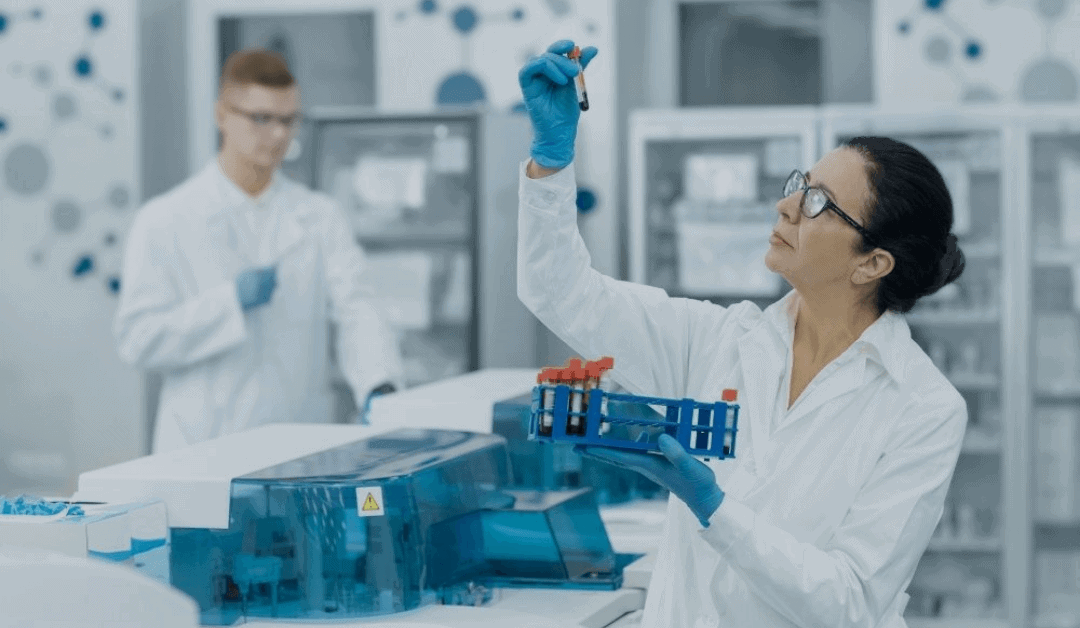
Credit: www.lighthouselabservices.com
Daily Tasks Of Lab Techs
Understanding the daily tasks of lab techs gives you a clearer picture of how essential their role is in scientific and medical fields. Their work ensures that tests and experiments run smoothly and produce reliable results. Let’s break down what a typical day might look like for a lab technician.
Sample Collection And Preparation
Lab techs often begin their day by collecting samples, which could include blood, tissue, or environmental materials. Precision is key here; even a small mistake can affect test outcomes. Preparing these samples involves processes like labeling, centrifuging, or staining to get them ready for analysis.
Have you ever wondered how much care goes into handling each sample before it reaches the testing phase? The accuracy of your test results depends heavily on this initial step.
Operating Laboratory Equipment
Using specialized equipment is a daily responsibility. Lab techs operate machines such as microscopes, spectrometers, or automated analyzers. They must understand how to calibrate and maintain this equipment to avoid errors.
Imagine trying to solve a puzzle without the right tools. In the lab, precise instruments are your tools, and knowing how to use them effectively can make all the difference.
Conducting Tests And Experiments
Performing tests is at the core of a lab tech’s role. Whether it’s running chemical assays or culturing bacteria, following protocols exactly is crucial. Lab techs also adjust procedures based on observations to ensure accuracy.
Think about how a small change in a test procedure might alter results. Lab techs must be attentive to detail and ready to adapt to maintain quality.
Recording And Analyzing Data
After conducting tests, lab techs document their findings meticulously. They use software or manual logs to record data, ensuring nothing is missed. Analyzing this data helps identify trends or abnormalities that guide further research or diagnosis.
Have you noticed how important clear and accurate records are in any project? In the lab, this documentation can be the difference between a breakthrough and a setback.
Key Skills For Lab Technicians
Lab technicians play a vital role in scientific and medical fields. Their work requires a unique set of skills. These skills help them perform tasks accurately and efficiently. Understanding these key skills gives insight into what lab techs do daily.
Technical Proficiency
Lab techs must know how to use various instruments and machines. This includes microscopes, centrifuges, and spectrometers. They follow strict procedures to conduct tests and collect data. Being skilled in technology ensures precise and reliable results.
Attention To Detail
Small errors can affect the outcomes of lab tests. Lab techs must carefully observe every step. They check samples, record data, and monitor experiments closely. This focus helps prevent mistakes and maintains high-quality standards.
Problem-solving Abilities
Challenges arise during experiments or testing processes. Lab techs analyze issues and find solutions quickly. They adjust methods or troubleshoot equipment problems. These skills keep work on track and results accurate.
Communication Skills
Lab techs share findings with scientists, doctors, and team members. Clear communication helps explain results and procedures. They write detailed reports and follow instructions. Good communication supports teamwork and effective lab operations.
Work Environments
Lab technicians work in a variety of settings, each offering unique challenges and opportunities. Understanding these work environments helps you see where your skills might fit best and what daily life could look like. Let’s break down some common places where lab techs make a difference.
Medical Laboratories
Medical labs are often busy and fast-paced. Lab techs here analyze blood, tissues, and other samples to help doctors diagnose illnesses. You’ll use precise equipment and follow strict safety rules to ensure accurate results.
Have you ever wondered how quickly test results can impact patient care? Your role directly influences treatment decisions, making accuracy and speed crucial.
Research Facilities
Research labs focus on discovering new knowledge and testing hypotheses. Lab techs assist scientists by preparing experiments and collecting data. This environment encourages curiosity and problem-solving every day.
Working here means you might be part of a team developing the next breakthrough in medicine or technology. Could your attention to detail drive innovation?
Industrial And Environmental Labs
In industrial and environmental labs, lab techs test materials for quality and safety. This includes checking water, air, soil, and manufactured products. The work often involves following strict regulations and standards.
Consider how your work helps protect public health and the environment. What impact could your testing have on communities and industries?
Pharmaceutical Companies
Pharmaceutical labs develop and test new drugs. Lab techs play a key role in ensuring these medicines are safe and effective. You’ll work closely with scientists in a controlled, highly regulated setting.
Imagine contributing to a life-saving medication’s journey from lab to patient. How would that responsibility shape your daily tasks and mindset?
Education And Training Paths
Understanding the education and training paths for lab techs is crucial if you want to step into this field. The route you choose shapes your skills and opens doors to various job opportunities. Whether you prefer formal education or learning on the job, there’s a path suited to your goals.
Degree And Certification Options
Most lab techs start with an associate degree in clinical laboratory science or medical technology. These programs usually take about two years and cover essential topics like microbiology, chemistry, and hematology.
Certifications, such as those from the American Society for Clinical Pathology (ASCP), are highly valued by employers. They prove your expertise and can boost your chances of landing a good job.
Are you wondering if a bachelor’s degree is necessary? While not always required, it can open doors to specialized roles and higher pay.
On-the-job Training
Many lab techs gain practical skills through hands-on training after or alongside formal education. This experience teaches you how to handle real lab equipment and follow safety protocols effectively.
Some employers offer internships or apprenticeship programs, which can be a great way to get your foot in the door. You’ll learn from experienced professionals and build confidence in your abilities.
Think about how this kind of learning could help you adapt quickly once you start your career. Would you prefer learning by doing over classroom lectures?
Continuing Education Opportunities
Technology and procedures in labs evolve quickly, so ongoing education is key. Many lab techs attend workshops, seminars, or online courses to keep their skills sharp.
Continuing education also helps you stay compliant with certification requirements and can lead to promotions or new specialties.
Have you considered how staying updated might impact your career growth? Investing time in learning can set you apart in a competitive job market.
Career Growth And Opportunities
Lab technicians have many chances to grow in their career. The field offers roles that require more skills and responsibility. Growth depends on gaining experience and learning new techniques. Lab techs can also focus on specific fields to increase their expertise. Demand for skilled lab technicians is steady, with many openings in healthcare and research.
Advancement Roles
Lab techs can move into senior technician roles. These positions involve supervising others and managing lab operations. Some become lab managers who oversee the entire lab. Others choose to work in quality control or research coordination. Each step up offers new challenges and better pay.
Specialization Areas
Specializing helps lab techs become experts in certain fields. Common areas include microbiology, hematology, and molecular biology. Others focus on clinical chemistry or pathology. Special skills often lead to higher salaries and job security. Training and certifications are useful for specialization.
Job Market Outlook
The job market for lab technicians remains strong. Hospitals, clinics, and research labs need skilled workers. Aging populations increase demand for medical testing. Advances in technology create new testing methods. This growth means steady job opportunities for lab techs.

Credit: owlcation.com
Challenges In The Lab Tech Profession
Lab technicians face many challenges every day. Their work affects patient care and research results. These challenges test their skills and patience. Staying safe and precise is critical in their role. They must also adapt to new tools and methods fast.
Handling Hazardous Materials
Lab techs often work with dangerous chemicals and biological samples. Proper handling is vital to avoid accidents and contamination. They follow strict safety rules and wear protective gear. Careless mistakes can cause serious harm or lab shutdowns. Constant vigilance keeps the workplace safe for everyone.
Maintaining Accuracy Under Pressure
Lab results must be accurate for correct diagnosis and treatment. Lab techs work under tight deadlines and high workloads. Stress can lead to errors, but precision is non-negotiable. They double-check their work and use quality controls. Accuracy saves lives and builds trust in their work.
Keeping Up With Technological Advances
Lab technology changes rapidly with new machines and software. Lab techs must learn these tools quickly to stay effective. Training and continuous education are essential parts of their job. New technology improves testing but also brings new challenges. Staying updated helps lab techs deliver the best results.
Credit: owlcation.com
Frequently Asked Questions
What Are The Main Duties Of Lab Techs?
Lab techs collect and analyze samples like blood and tissues. They operate lab equipment and ensure accurate test results. They also maintain lab safety and document findings clearly.
How Do Lab Techs Impact Patient Care?
Lab techs provide critical data that helps doctors diagnose and treat illnesses. Accurate lab results speed up medical decisions and improve patient outcomes.
What Skills Are Essential For Lab Techs?
Attention to detail, technical proficiency, and strong communication are vital. Lab techs must follow protocols strictly and handle sensitive information responsibly.
What Education Is Required To Become A Lab Tech?
Most lab techs hold an associate degree in medical laboratory technology. Some roles require certification or a bachelor’s degree for specialized testing.
Conclusion
Lab techs play a vital role in healthcare. They perform tests and analyze samples. Their work helps doctors diagnose illnesses. Lab techs ensure results are accurate and reliable. They use various machines and tools daily. These professionals follow strict procedures.
They contribute to patient care and treatment plans. Without them, medical teams face challenges. Their skills are essential in modern medicine. Lab techs keep labs organized and efficient. Their dedication supports healthy communities. Understanding their tasks helps appreciate their importance.
Lab techs are key players in health systems. Their work impacts countless lives.