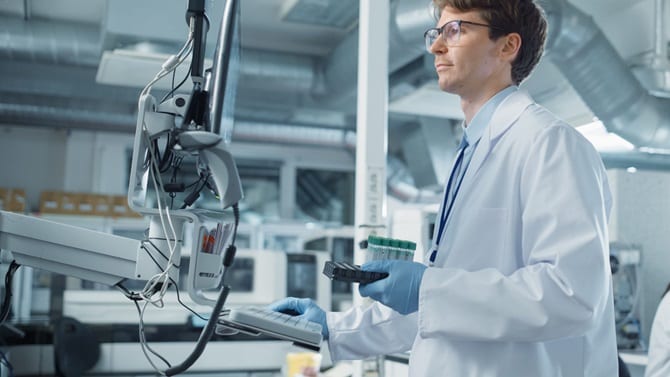
Have you ever wondered who makes sure medical equipment works perfectly or who helps doctors with vital tests? That’s where a Med Tech comes in.
If you’re curious about this important role in healthcare, you’re in the right place. Understanding what a Med Tech does can open your eyes to a world full of technology, care, and precision. Keep reading to discover how this job impacts your health and why it might even be the career path for you.

Credit: www.healthcareitnews.com
Role Of Med Tech
The role of a Med Tech is essential in healthcare settings, bridging the gap between complex medical technology and patient care. Med Tech professionals ensure that diagnostic tests are performed accurately and efficiently, helping doctors make informed decisions. Their work directly impacts patient outcomes, making their role both challenging and rewarding.
Key Responsibilities
- Performing Laboratory Tests:Med Techs conduct a variety of tests on blood, tissue, and other samples to detect diseases or monitor health conditions.
- Operating and Maintaining Equipment:They handle sophisticated machines like microscopes, analyzers, and centrifuges, ensuring everything works correctly.
- Analyzing Results:Interpreting test data accurately is crucial for diagnosing illnesses and guiding treatment plans.
- Ensuring Quality Control:Med Techs follow strict protocols to maintain test accuracy and prevent errors.
- Collaborating with Healthcare Teams:They communicate findings to doctors, nurses, and other staff to support patient care.
Daily Tasks And Challenges
Your day as a Med Tech can be fast-paced and varied. You might start by preparing samples, then move on to running tests, and finally reviewing results for any abnormalities. Each step requires attention to detail and quick problem-solving skills.
One challenge is managing the high volume of tests while maintaining precision. Equipment malfunctions or unexpected test results can add pressure. How do you stay focused when accuracy is critical and time is limited?
Handling sensitive patient information also demands professionalism and confidentiality. Balancing technical duties with communication skills is key. You often become the silent hero behind accurate diagnoses and effective treatments.

Credit: www.linkedin.com
Med Tech Tools
Med Tech tools shape the way healthcare professionals diagnose, treat, and manage patient care. These tools blend technology with medicine to improve accuracy and efficiency. Understanding these tools can help you appreciate the complexity behind everyday medical procedures.
Diagnostic Devices
Diagnostic devices help identify health conditions quickly and accurately. Think of tools like MRI machines, blood glucose monitors, and portable ultrasound devices. These devices give you immediate insights into your health, helping doctors make better decisions.
Have you ever wondered how a simple blood test can reveal so much about your body? That’s the power of diagnostic technology working behind the scenes.
Therapeutic Equipment
Therapeutic equipment focuses on treating and managing illnesses or injuries. Examples include ventilators, dialysis machines, and infusion pumps. These tools support your body’s healing process and maintain vital functions when you need it most.
Imagine how a ventilator can breathe for a patient who can’t. Without this equipment, many lives would be at greater risk during critical moments.
Data Management Systems
Data management systems store and organize patient information securely. Electronic Health Records (EHR) and telemedicine platforms are common examples. These systems let your healthcare provider access your medical history instantly, improving care coordination.
Have you ever had to repeat your medical history multiple times? Effective data systems reduce this frustration by keeping all your information in one place.
Impact On Patient Care
Medical technology shapes the way patients receive care every day. It helps doctors diagnose diseases, plan treatments, and track patient progress. The impact on patient care is clear and wide-ranging. It makes care safer, faster, and more efficient. Patients benefit from better health outcomes and improved quality of life.
Improved Accuracy
Medical technology increases the accuracy of tests and diagnoses. Machines and software reduce human errors. Imaging devices like MRI and CT scans provide clear pictures inside the body. Lab tests run by automated systems deliver precise results. Accurate data helps doctors choose the right treatment.
Faster Treatment
Technology speeds up the entire treatment process. Electronic records allow quick access to patient history. Automated systems prepare medicines without delay. Advanced surgical tools enable less invasive operations. Faster treatment reduces hospital stays and speeds recovery.
Remote Monitoring
Remote monitoring lets doctors watch patients outside hospitals. Devices track vital signs like heart rate and oxygen levels. Data is sent to healthcare providers in real time. Patients can stay home while doctors manage their care. This reduces hospital visits and keeps patients safe.
Advancements In Med Tech
Medical technology, or Med Tech, is evolving quickly. These changes improve patient care and medical services. New tools and systems help doctors diagnose, treat, and monitor health conditions better and faster.
Advancements in Med Tech touch many areas, including artificial intelligence, wearable devices, and telemedicine. Each plays a key role in modern healthcare.
Ai And Machine Learning
AI helps analyze large amounts of medical data quickly. It finds patterns and predicts health risks. Machine learning improves imaging, making scans clearer and easier to read. Doctors use AI to support decisions and personalize treatments.
Wearable Technology
Wearables track vital signs like heart rate and sleep quality. Patients can monitor their health daily. These devices alert users and doctors about potential problems early. Wearables increase patient engagement and promote healthy habits.
Telemedicine
Telemedicine allows patients to consult doctors remotely. It uses video calls and online platforms for check-ups. This saves travel time and reduces clinic visits. Telemedicine expands access to healthcare, especially in remote areas.
Challenges In Med Tech
Med Tech is transforming healthcare, but it’s not without its hurdles. The challenges range from protecting sensitive information to ensuring everyone can afford and use the technology effectively. Understanding these issues helps you appreciate the complexity behind every medical innovation you hear about.
Data Security
Healthcare data is one of the most valuable targets for cybercriminals. You might think your medical records are safe, but breaches happen more often than you realize.
Protecting patient data requires constant updates and vigilance. Hospitals and clinics face pressure to secure data without slowing down care. Have you ever wondered how your personal health information stays private amid all this digital exchange?
Cost And Accessibility
Advanced medical technology often comes with a high price tag. This can limit access for many patients, especially in rural or underfunded areas.
Even if a hospital has the latest equipment, the cost may be passed on to patients or insurers. How can healthcare providers balance innovation with affordability so that more people benefit?
Training And Adaptation
New technology demands new skills. Healthcare professionals must continuously learn to use devices and software correctly.
This training takes time and resources, and not all staff adapt at the same pace. If the people using the technology aren’t fully comfortable, patient care can suffer. Have you noticed how some hospitals embrace change faster than others?

Credit: www.techbusinessnews.com.au
Future Of Healthcare Technology
The future of healthcare technology holds exciting possibilities. It aims to improve patient care and make treatments faster and safer. Advances in medical technology continue to shape how doctors diagnose and treat illnesses. These changes also help reduce costs and increase access to care.
Emerging Innovations
New tools and devices are entering the healthcare market regularly. Wearable sensors track vital signs in real time. Artificial intelligence helps analyze medical images quickly and accurately. Robotics assist in surgeries, making them less invasive and more precise. Telemedicine platforms allow patients to consult doctors remotely. These innovations help detect diseases earlier and manage chronic conditions better.
Integration With Healthcare Systems
Technology must work well with existing healthcare systems. Electronic health records (EHR) store patient data securely and share it across providers. Interoperability ensures different devices and software communicate smoothly. This streamlines workflows and reduces errors. Data analytics offer insights that improve treatment plans. Secure cloud storage protects sensitive information while allowing easy access for authorized personnel.
Frequently Asked Questions
What Does A Med Tech Do In Healthcare?
A Med Tech operates medical equipment to analyze patient samples. They assist in diagnosing diseases accurately and quickly. Their work supports doctors with vital lab results. Med Techs ensure lab safety and maintain instruments efficiently.
How To Become A Med Tech Professionally?
To become a Med Tech, obtain a bachelor’s degree in medical technology or related fields. Gain certification through accredited programs. Practical lab experience and strong knowledge of biology and chemistry are essential. Continuous learning keeps skills updated with medical advancements.
What Skills Are Essential For A Med Tech?
A Med Tech needs strong analytical skills and attention to detail. They must understand lab equipment and safety protocols. Good communication helps in reporting results clearly. Problem-solving ability is crucial for troubleshooting equipment issues efficiently.
Where Do Med Techs Typically Work?
Med Techs work mainly in hospitals, diagnostic labs, and research centers. They may also be employed in clinics and public health organizations. Their environment is usually clean, sterile, and technology-driven. Work schedules can vary, including shifts.
Conclusion
Med tech plays a key role in healthcare today. It helps doctors and nurses work better. Devices and software improve patient care and safety. Med tech continues to grow and change fast. Understanding it helps you see its value clearly.
It touches many parts of medicine and health. This field offers many chances for learning and work. Keep an eye on med tech’s future. It shapes how we stay healthy and live longer.