Have you ever wondered what a lab tech actually does behind the scenes? If you’re curious about the role that keeps medical tests running smoothly or how science moves forward every day, you’re in the right place.
Understanding what a lab tech does can open your eyes to a world of precision, skill, and discovery. Keep reading, and you’ll find out why this job is so important—and maybe even why it could be the perfect fit for you.

Credit: skillgigs.com
Daily Tasks Of A Lab Tech
Understanding the daily tasks of a lab tech gives you a clear picture of how crucial their role is in delivering accurate and timely results. Their routine is a blend of precision, technical skill, and careful observation. Each task contributes significantly to the overall success of laboratory operations.
Sample Collection And Preparation
Lab techs start their day by collecting samples, which could be blood, tissue, water, or chemicals, depending on the lab’s focus. Proper handling during collection is vital to avoid contamination or degradation. Preparing these samples often means cleaning, labeling, and sometimes diluting or mixing them to meet testing requirements.
Have you considered how a small mistake in sample prep could alter test results? This stage demands both attention to detail and a steady hand to ensure everything is ready for accurate analysis.
Operating Laboratory Equipment
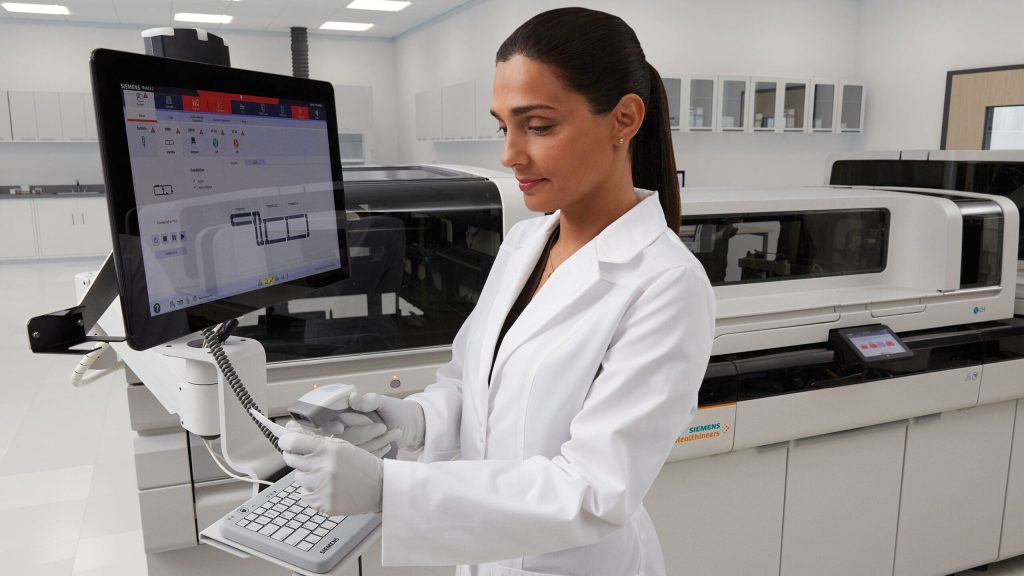
Lab techs work with a range of equipment like microscopes, centrifuges, spectrophotometers, and automated analyzers. Each device requires specific knowledge to operate safely and effectively. Regular calibration and maintenance of this equipment are part of the daily routine to guarantee reliable performance.
Think about the complexity behind a simple test readout—you rely on the tech’s expertise with these machines to get trustworthy results. Mastery here directly impacts the quality of data gathered.
Conducting Tests And Experiments
Carrying out tests involves following strict protocols to measure or identify substances within the samples. Lab techs must be precise with timing, quantities, and procedures to ensure results are consistent and valid. They often repeat experiments to confirm findings or troubleshoot unexpected outcomes.
Have you ever wondered how many tests are repeated before a result is finalized? This persistence and accuracy are what make lab techs indispensable in research and diagnostics.
Recording And Analyzing Data
After testing, lab techs meticulously record all observations and measurements. They use both manual logs and digital systems to track data, ensuring nothing is missed. Analyzing this data helps identify trends, confirm hypotheses, or flag anomalies that require further investigation.
How confident would you feel if your health depended on these numbers? This responsibility highlights why lab techs must be thorough and clear in their documentation and analysis.
Skills Required For Lab Techs
Being a lab tech means more than just following instructions. You need a diverse set of skills to handle the technical, analytical, and communication aspects of the job effectively. These skills ensure that your work is accurate, reliable, and valuable to the team.
Technical Proficiency
Lab techs must be comfortable with a variety of laboratory equipment and software. This includes microscopes, centrifuges, and specialized testing machines. You should also be able to calibrate and maintain these tools to get precise results every time.
Having hands-on experience with lab techniques like sample preparation and chemical analysis is crucial. If you’re familiar with data entry systems and lab information management software, you’ll find your daily tasks easier and more efficient.
Attention To Detail
Precision is key in lab work. Small errors can lead to incorrect results or even compromise entire experiments. You need to carefully follow protocols and double-check your measurements and observations.
Think about the last time you noticed a tiny mistake in a report or a spreadsheet. Catching those details early can save a lot of trouble later. How often do you review your work to ensure accuracy?
Problem-solving Abilities
Unexpected issues arise frequently in the lab, from equipment malfunctions to inconsistent sample results. Your ability to troubleshoot quickly can keep projects on track.
Develop a mindset that questions why something isn’t working as expected. When I once faced a recurring error in test results, identifying the root cause—a clogged filter—helped avoid weeks of delays.
Communication Skills
Clear communication is essential when working with scientists, doctors, or other lab staff. You must accurately report your findings and explain procedures when needed.
Writing detailed lab notes and summarizing results in simple terms helps everyone stay informed. Can you explain complex results so that a non-expert understands their significance?
Types Of Laboratories
Laboratories come in many forms, each serving a unique purpose and requiring specific skills from lab technicians. Understanding the different types of labs helps you appreciate the variety of tasks a lab tech might perform. Whether it’s handling patient samples or testing industrial materials, each environment shapes the daily work and challenges faced.
Clinical And Medical Labs
In clinical and medical labs, lab technicians work directly with patient samples like blood, urine, and tissue. Their role is crucial in diagnosing diseases and monitoring treatment progress. You might find yourself analyzing samples under a microscope or running tests on automated machines to provide accurate results quickly.
These labs often deal with urgent cases, so precision and speed are vital. Have you ever wondered how your blood test results reach your doctor so fast? Lab techs in these settings make that possible by following strict protocols and using advanced technology.
Research And Development Labs
Research and development labs focus on discovering new knowledge or creating innovative products. Lab techs here support scientists by preparing experiments, collecting data, and maintaining equipment. This environment encourages curiosity and problem-solving, as experiments can often take unexpected turns.
Working in R&D means you might be part of developing new medicines or improving technology. Think about how many everyday products started in a lab—your work could contribute to something groundbreaking.
Industrial And Environmental Labs
Industrial and environmental labs test materials and monitor conditions to ensure safety and compliance. Lab techs analyze water quality, soil samples, or manufactured goods to detect contaminants or defects. This role requires attention to detail and a strong understanding of regulations.
If you care about public health or product quality, working in these labs puts you at the frontline of protecting consumers and the environment. What impact could your testing have on the world around you?

Credit: biotech-careers.org
Safety Protocols In The Lab
Safety protocols in the lab protect both the lab technician and the environment. These rules prevent accidents and control risks. Every lab tech follows strict guidelines to keep the workplace safe and efficient.
Handling Hazardous Materials
Lab techs carefully manage chemicals and biological samples. They wear protective gear like gloves and goggles. Proper storage of hazardous items is essential to avoid spills and contamination. Labeling all materials clearly helps prevent mistakes. Safe disposal methods reduce risks to people and the environment.
Maintaining Clean Workspaces
Keeping the lab clean lowers the chance of contamination. Surfaces are wiped down regularly with disinfectants. Tools and equipment are sterilized after use. Waste is removed promptly to avoid buildup. A tidy workspace helps lab techs work faster and safer.
Following Regulatory Guidelines
Lab techs comply with local and international safety laws. They attend regular training to stay updated. Documentation of procedures and incidents ensures accountability. Inspections and audits check for compliance. Following these rules helps maintain a safe, legal lab environment.
Career Path And Advancement
The career path of a lab technician offers steady growth and many chances to improve skills. Starting roles build a strong foundation in lab work and safety. With experience, lab techs can take on more complex tasks and leadership roles. Advancement depends on education, training, and gaining certifications.
Educational Requirements
Most lab tech jobs need at least a high school diploma. Many employers prefer candidates with an associate degree in medical technology or a related field. Coursework often includes biology, chemistry, and lab procedures. Some roles require a bachelor’s degree for specialized work or leadership.
Certifications And Training
Certifications improve job prospects and skills. Common certifications include the Certified Laboratory Technician (CLT) and Medical Laboratory Technician (MLT). Training programs teach advanced lab techniques and safety rules. Employers may offer on-the-job training to help new techs gain experience.
Opportunities For Growth
Lab techs can move into roles like lead technician or supervisor. Some choose to specialize in areas such as microbiology or hematology. Others continue education to become medical technologists or lab managers. Growth depends on gaining experience, further education, and earning certifications.

Credit: www.allalliedhealthschools.com
Frequently Asked Questions
What Tasks Do Lab Techs Perform Daily?
Lab techs conduct experiments, maintain equipment, and analyze samples. They ensure quality control and document results. Their tasks vary based on the lab’s focus and requirements. Regular communication with scientists and team members is also essential for successful operations.
How Do Lab Techs Ensure Safety?
Lab techs follow strict safety protocols and guidelines. They use protective gear and properly handle chemicals and equipment. Regular training helps them stay updated on safety measures. Ensuring a clean and organized work environment is crucial for safety.
What Skills Are Crucial For Lab Techs?
Lab techs need analytical skills, attention to detail, and technical expertise. They must be proficient in using lab equipment and software. Strong communication skills are vital for collaborating with team members. Continuous learning is important due to evolving scientific technologies.
Do Lab Techs Work In Different Industries?
Yes, lab techs work in healthcare, pharmaceuticals, and research. They also work in environmental science, food and beverage, and biotechnology. Their roles vary based on industry needs. Each industry requires specific skills and knowledge tailored to its focus.
Conclusion
A lab tech plays a vital role in healthcare and science. They collect samples, run tests, and record results. Their work helps doctors make the right decisions. Lab techs use special tools and follow strict safety rules. They must be careful and detail-focused every day.
This job needs both skill and patience. Understanding what a lab tech does shows how important their work is. It supports better health and stronger research. A lab tech’s work often goes unseen but never unnoticed.