
Are you curious about what it takes to become an ultrasound tech? Maybe you’ve heard about this rewarding career and wonder if it’s the right fit for you.
Knowing exactly what skills, education, and qualities you need can make all the difference in reaching your goal. You’ll discover the clear steps and essential requirements that will help you start your path as an ultrasound technician. Keep reading to find out how you can turn your interest into a successful career.

Credit: fagonex.com
Educational Requirements
Becoming an ultrasound tech requires meeting specific educational standards to ensure you have the skills and knowledge to perform this important medical role. Your education forms the foundation for your career, equipping you with both technical abilities and a strong understanding of human anatomy. Let’s break down what educational steps you need to take to become an ultrasound tech.
High School Courses To Focus On
Start preparing early by focusing on the right high school courses. Subjects like biology, anatomy, and physics will give you a head start in understanding the human body and the technology behind ultrasound machines.
Math skills are also important, especially algebra, as they help you grasp the calculations involved in imaging. Don’t overlook computer science either—technology plays a huge role in ultrasound diagnostics.
Accredited Ultrasound Programs
Choosing an accredited program is crucial. Accreditation ensures the program meets industry standards and prepares you for certification exams. Look for programs recognized by the Commission on Accreditation of Allied Health Education Programs (CAAHEP).
These programs often include hands-on clinical experience, which is vital for building confidence and real-world skills. Ask yourself: Does this program offer enough practice with ultrasound equipment and patient interaction?
Degree Options Available
You have several degree paths to consider. Many ultrasound techs earn an associate degree, which typically takes about two years and covers essential coursework and clinical training.
If you want to deepen your expertise, bachelor’s degrees in diagnostic medical sonography are also available. These programs often open doors to specialized fields or leadership roles.
Some students start with a certificate program if they already have a healthcare background. This option is shorter but still rigorous and focused on practical skills.
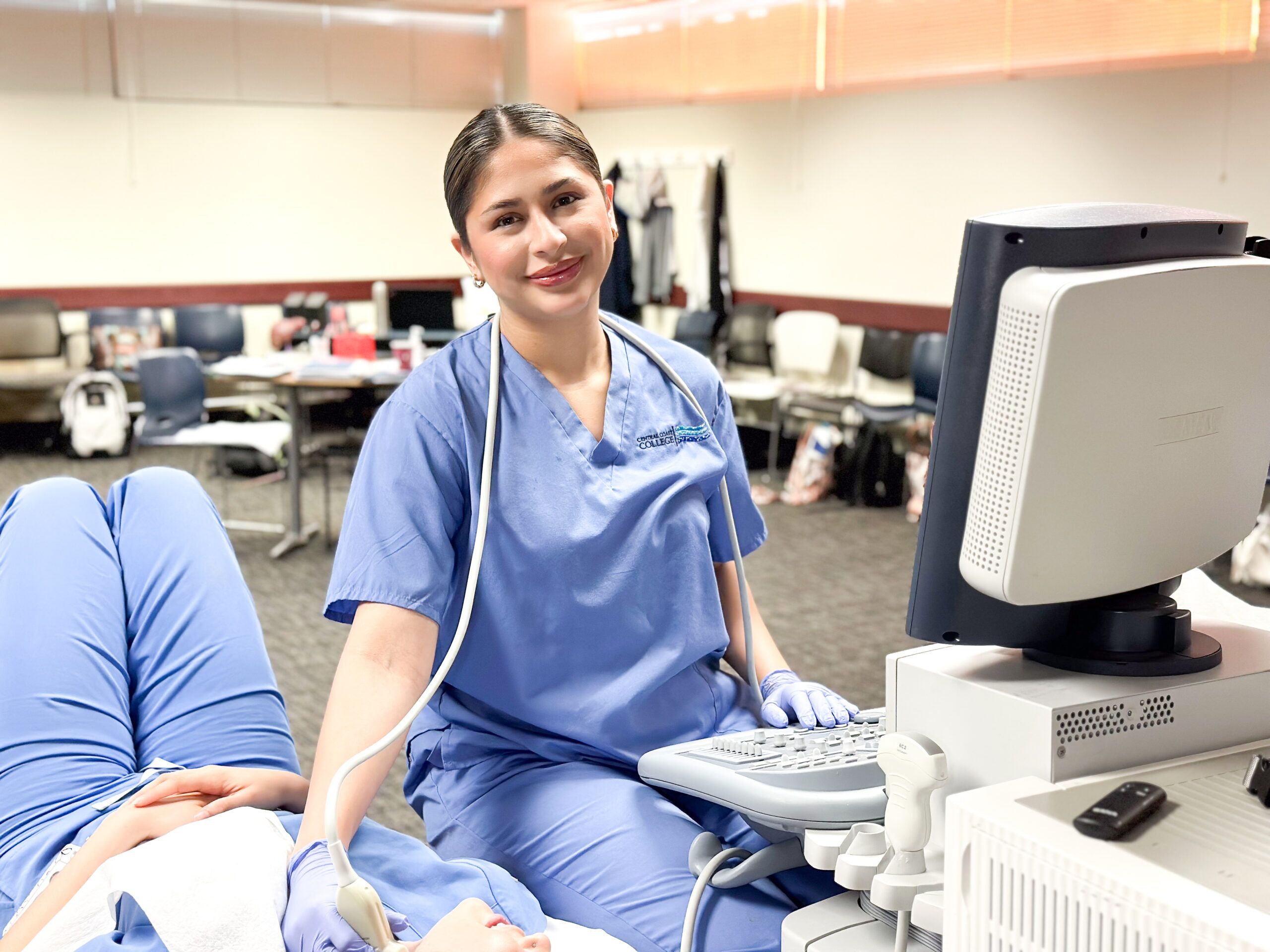
Credit: centralcoastcollege.edu
Certification And Licensing
Getting certified and licensed is a crucial step if you want to become an ultrasound tech. These credentials prove your skills and knowledge, making you a trusted professional in healthcare. They also open doors to better job opportunities and higher pay.
Importance Of Certification
Certification shows that you meet national standards for ultrasound technology. It assures employers and patients that you can perform scans accurately and safely. Without certification, you might find it hard to get hired or advance in your career.
Imagine working in a hospital where every technician has been certified—confidence in your work grows, and patient care improves. How important is it for you to feel that level of trust in your skills?
Popular Certification Bodies
Several organizations offer certification for ultrasound techs. The American Registry for Diagnostic Medical Sonography (ARDMS) is the most widely recognized. Others include the American Registry of Radiologic Technologists (ARRT) and Cardiovascular Credentialing International (CCI).
- ARDMS:Offers certifications in general sonography, vascular technology, and more.
- ARRT:Provides certification with an emphasis on radiologic and sonographic procedures.
- CCI:Focuses on cardiovascular and vascular sonography certifications.
Choosing the right body depends on your career goals and the specialty you want to pursue. Have you thought about which area of ultrasound technology excites you the most?
State Licensing Requirements
Some states require ultrasound techs to be licensed in addition to being certified. The rules vary widely, so you need to check the requirements in the state where you plan to work.
Licensing often involves submitting proof of certification, completing continuing education, and paying fees. Missing this step can prevent you from legally working as an ultrasound tech in certain areas.
Are you ready to research your state’s specific rules? Taking this step early can save you time and keep your career on track.
Skills And Qualities Needed
To become a successful ultrasound tech, you need more than just formal education. Certain skills and qualities are essential to perform your job well and connect with patients. These abilities help you deliver accurate results and create a smooth experience for everyone involved.
Technical Skills
Strong technical skills are the foundation of your work as an ultrasound tech. You must be comfortable operating complex imaging equipment and troubleshooting minor issues quickly. Understanding anatomy and physics is crucial to capture clear images that doctors can rely on.
Hands-on practice sharpens these skills. Consider shadowing experienced technicians to see how they adjust settings and position patients. Can you imagine how a slight adjustment in the probe angle changes the image quality?
Communication Abilities
Clear communication is vital in this role. You explain procedures to patients who might feel anxious or confused. Your calm and friendly tone can ease their worries and help them cooperate during the scan.
Beyond patients, you must also communicate findings accurately to doctors and other healthcare staff. Have you thought about how your words could impact diagnosis and treatment decisions? Listening carefully to patient concerns and answering questions builds trust and improves overall care.
Attention To Detail
Attention to detail separates good ultrasound techs from great ones. You need to spot even the smallest anomalies in the images. Missing a subtle sign could delay diagnosis or lead to wrong conclusions.
Being detail-oriented also means following safety protocols and maintaining equipment properly. How often do you review your work to ensure every scan is thorough and precise? Developing this habit protects patients and boosts your confidence.
Gaining Practical Experience
Gaining practical experience is vital for becoming an ultrasound tech. It helps build skills and confidence. Hands-on work shows how to operate ultrasound machines properly. It also teaches how to interact with patients and medical staff.
Experience in real settings prepares you for the challenges of the job. It gives insight into different types of ultrasound exams. This practice improves your ability to capture clear images and identify issues. Practical training is often required before certification and employment.
Clinical Internships
Clinical internships provide supervised training in hospitals or clinics. You work alongside experienced ultrasound techs. This helps you learn correct techniques and patient care. Internships allow you to apply classroom knowledge in real cases. They often last several weeks to months. Many programs require internships to complete your education.
On-the-job Training
On-the-job training happens after you start working. New ultrasound techs learn procedures and equipment under guidance. This training sharpens your skills with real patients. It also helps you understand workplace routines and safety rules. Employers offer this training to ensure quality and accuracy.
Volunteer Opportunities
Volunteering can offer extra experience in healthcare settings. You might assist with patient check-ins or basic imaging tasks. This work builds communication and teamwork skills. Volunteer roles often introduce you to medical environments early. It’s a good way to explore the field before formal training.
Job Search Strategies
Searching for a job as an ultrasound tech can feel overwhelming, but having clear strategies can make the process smoother and more effective. You need to present yourself well, connect with the right people, and prepare thoroughly for interviews. These steps will help you stand out and land the ultrasound tech role you want.
Building A Strong Resume
Your resume is often your first impression. Focus on highlighting your technical skills, certifications, and hands-on experience clearly and concisely.
Use bullet points to list your achievements, such as successful patient scans, equipment proficiency, or any special training. Keep it tailored to the ultrasound tech role by including relevant keywords like “sonography,” “patient care,” and “image analysis.”
Have someone review your resume to catch mistakes and suggest improvements. What details would make you want to call a candidate for an interview?
Networking Tips
Networking isn’t just about handing out business cards. It’s about building genuine connections with professionals in the medical imaging field.
Attend local healthcare job fairs, join ultrasound tech associations, and participate in online forums or social media groups. These venues often share job openings before they’re advertised publicly.
Don’t hesitate to reach out to alumni from your training program or former instructors. They can offer advice, references, or even introduce you to hiring managers. Who in your circle could open doors you haven’t thought of yet?
Interview Preparation
Preparing for an interview means more than memorizing answers. Research the employer’s facility, their patient care philosophy, and the ultrasound equipment they use.
Practice answering common questions like how you handle difficult patients or ensure image accuracy. Be ready to discuss specific experiences that showcase your skills and problem-solving abilities.
Dress professionally, arrive early, and bring copies of your resume and certifications. Remember, an interview is also your chance to ask questions. What would you want to know about a potential employer before accepting a job?
Continuing Education And Advancement
Continuing education is essential for ultrasound techs who want to stay relevant and advance their careers. The medical field evolves rapidly, and your skills must evolve with it. Staying updated not only sharpens your expertise but also opens doors to new opportunities.
Specialty Certifications
Gaining specialty certifications can set you apart in the ultrasound field. Certifications in areas like vascular, cardiac, or musculoskeletal ultrasound show employers your commitment and skill level.
These credentials often require additional courses and exams, but they pay off by increasing your job options and salary potential. Have you considered which specialty aligns with your interests and career goals?
Advanced Degrees
Pursuing an advanced degree, such as a Bachelor’s or Master’s in Diagnostic Medical Sonography or related fields, can expand your knowledge base and leadership skills.
With higher education, you may qualify for roles in management, education, or research. Think about whether investing time in an advanced degree fits your long-term career vision.
Keeping Up With Technology
Ultrasound machines and imaging software improve constantly. Staying comfortable with new technology ensures you provide the best patient care and maintain efficiency.
Participate in workshops, webinars, and hands-on training to keep your skills fresh. What new technology trends have you noticed in your workplace recently, and how are you adapting?

Credit: www.cambridgehealth.edu
Frequently Asked Questions
What Qualifications Are Required For Ultrasound Tech?
To become an ultrasound tech, you need an associate degree or a certificate in sonography. Many programs include clinical training. Certification from ARDMS or CCI is often required by employers. Strong communication skills and proficiency in anatomy are essential for success in this field.
How Long Does Ultrasound Tech Training Take?
Ultrasound tech training typically takes two years. Associate degree programs are common, combining classroom learning with clinical experience. Some certificate programs may take less time. Continuing education is necessary to keep up with advances in technology and maintain certification.
What Skills Are Essential For Ultrasound Techs?
Ultrasound techs need excellent technical skills and attention to detail. Strong communication abilities are crucial for patient interaction. Knowledge of anatomy and physiology helps in accurate imaging. Problem-solving skills are important for diagnosing issues and adapting imaging techniques.
Are Ultrasound Techs In High Demand?
Yes, ultrasound techs are in high demand. The healthcare industry is growing, increasing the need for diagnostic imaging professionals. Job opportunities are expected to rise due to technological advancements and the aging population. Specializing in areas like vascular or cardiac sonography can improve job prospects.
Conclusion
Becoming an ultrasound tech requires proper education and training. You need to complete a specialized program and earn certification. Good communication skills help when working with patients. Hands-on experience builds confidence and skill. Staying updated with new technology is important.
This career offers growth and rewarding work. Start with clear goals and steady effort. The path is challenging but worth it. Your dedication will lead to success.