Are you thinking about becoming an X-ray tech but worried about the risks involved? You’re not alone.
Many people wonder if working with radiation every day puts their health in danger. Understanding the real risks can help you make a confident choice about your career. You’ll discover the truth about the safety of being an X-ray tech and what you can do to protect yourself.
Keep reading—your health and future might depend on it.
Radiation Exposure Risks
Radiation exposure risks are a key concern for X-ray technicians. These professionals work near radiation sources daily. Understanding the risks helps them stay safe. The amount and type of radiation matter most. Proper safety measures reduce health hazards significantly.
Types Of Radiation In Xray Technology
X-ray technology uses ionizing radiation. This radiation can pass through the body. It creates images of bones and organs. The main types include:
- X-rays: High-energy waves used to scan the body.
- Scatter radiation: Radiation that bounces off objects and people.
- Leakage radiation: Small amounts escaping from the X-ray machine.
Each type has different energy levels and potential risks. X-ray machines are designed to limit unnecessary exposure.
Safety Limits And Regulations
Strict rules control radiation exposure for X-ray techs. Regulatory bodies set safe dose limits. These limits protect workers from harm. Common safety practices include:
- Using lead aprons and shields.
- Standing behind protective barriers.
- Monitoring exposure with dosimeters.
- Following strict time limits near radiation.
Regular training and equipment checks ensure compliance. Employers must follow these rules to protect staff.
Long-term Health Effects
Long-term exposure to radiation can cause health problems. Risks increase with higher doses over time. Possible effects include:
- Damage to cells and DNA.
- Higher chance of cancer.
- Skin burns or tissue damage in rare cases.
- Potential effects on reproductive organs.
Using safety measures greatly lowers these risks. Most X-ray techs work safely for many years.
Protective Measures For Xray Techs
Working as an X-ray technician means handling equipment that emits radiation, so taking protective measures is not optional—it’s essential. These precautions help you stay safe without compromising the quality of patient care. Let’s look at how you can shield yourself effectively while doing your job.
Personal Protective Equipment
Your first line of defense is the personal protective equipment (PPE). Lead aprons, thyroid shields, and lead gloves are designed to block harmful radiation from reaching your body. Wearing the right PPE consistently reduces your exposure significantly.
Imagine working a full shift without your thyroid shield—over time, that small risk becomes a real concern. Always check your gear before starting any procedure. If you notice cracks or damage, replace the equipment immediately to maintain safety.
Safe Work Practices
Following safe work practices goes beyond just wearing gear. Position yourself correctly—stand behind protective barriers or at a safe distance whenever possible. Minimizing the time you spend near active radiation sources also lowers your risk.
Think about how you can optimize your workflow to limit exposure. Could you prepare equipment or position patients before activating the X-ray? Small changes like these add up to big safety gains over time.
Monitoring And Dosimetry
Tracking your radiation exposure is crucial. Dosimeters worn during shifts record the amount of radiation you receive, helping you stay within safe limits. Regularly reviewing these readings allows you to spot trends and adjust your habits accordingly.
Have you ever wondered how much radiation accumulates after a busy week? Dosimetry reports answer that question clearly. If your exposure is higher than recommended, it’s a signal to revisit your protective measures and improve them.
Work Environment Hazards
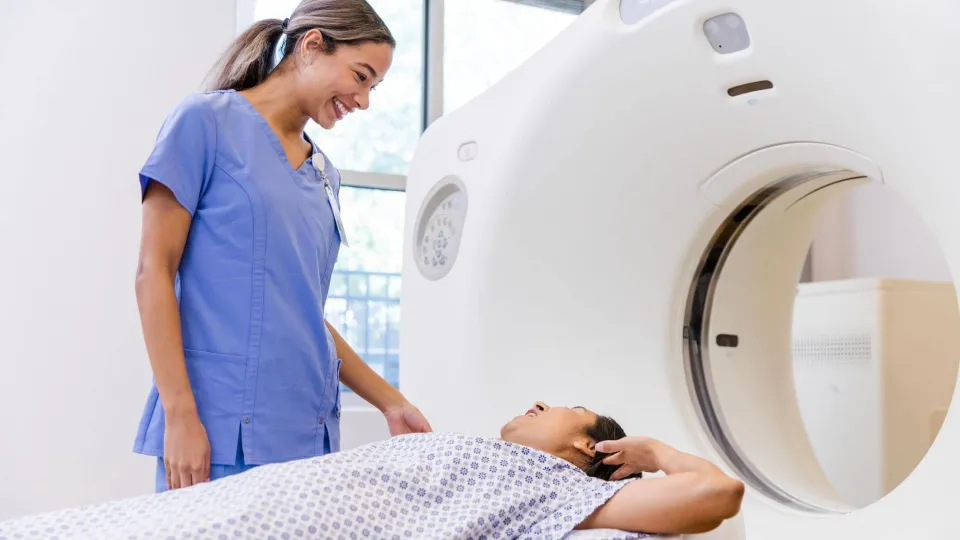
The work environment for X-ray technicians involves specific hazards that affect their health and safety. Understanding these risks helps prepare and protect professionals in this field. The daily tasks expose them to physical, mental, and biological challenges. Each hazard requires attention to reduce potential harm during work hours.
Ergonomic Challenges
X-ray techs often handle heavy equipment. Repetitive movements and awkward postures can cause muscle strain. Standing for long hours adds pressure on the legs and back. These factors may lead to chronic pain or injuries. Proper workstation setup and regular breaks are essential to avoid these problems.
Psychological Stress Factors
Working in medical settings means dealing with sick patients. This environment can cause emotional stress and fatigue. The need for quick decisions adds pressure. Continuous exposure to emergencies may lead to burnout. Support systems and stress management techniques help maintain mental health.
Infection Control Risks
X-ray techs work closely with patients, increasing infection risks. Contact with bodily fluids or contaminated surfaces is common. Proper use of gloves and sanitizers reduces infection chances. Following strict hygiene protocols protects both patients and staff. Staying updated on infection control is vital for safety.
Credit: www.concorde.edu
Comparing Risks With Other Healthcare Jobs
Understanding how the risks of being an X-ray technician stack up against other healthcare roles can help you make a more informed career choice. Every healthcare job carries its own set of challenges, but knowing the specifics can clarify what you might face daily. Let’s break down the key areas where risks differ.
Radiation Risks Compared
Exposure to radiation is the most obvious concern for X-ray techs. However, strict safety protocols and modern equipment keep exposure levels well below harmful limits. Compared to radiologists or nuclear medicine technologists, X-ray techs usually face lower radiation doses due to less frequent exposure and protective measures.
Other healthcare workers, like nurses or surgeons, typically don’t handle radiation, but they face different hazards. The question is—does the radiation risk outweigh the benefits and safety measures in place? When properly trained and cautious, radiation exposure is a manageable risk for X-ray techs.
Physical And Mental Health Risks
X-ray techs often work standing for long hours and may need to help move patients, which can cause physical strain. This is similar to nurses, who also face lifting injuries and long shifts. Mental stress varies; while some healthcare roles deal with life-or-death decisions regularly, X-ray techs may experience pressure related to accuracy and patient care but usually less emotional trauma.
Consider your physical stamina and stress tolerance. If you’re prone to back problems or anxiety, these factors could influence your comfort and success in the role. Have you thought about how you handle repetitive tasks and patient interactions under time pressure?
Job Satisfaction And Safety Perception
Many X-ray techs report high job satisfaction because their work directly helps diagnose and treat patients. They often feel safe thanks to clear safety guidelines and supportive work environments. However, perceptions vary—some may worry about radiation despite evidence showing low risk.
Comparing this to other healthcare jobs, satisfaction often correlates with feeling safe and valued. If safety concerns affect your peace of mind, you might want to explore how your future workplace prioritizes training and protective measures. What matters most to you: the impact of your work, or feeling completely secure every day?
Advancements Reducing Danger
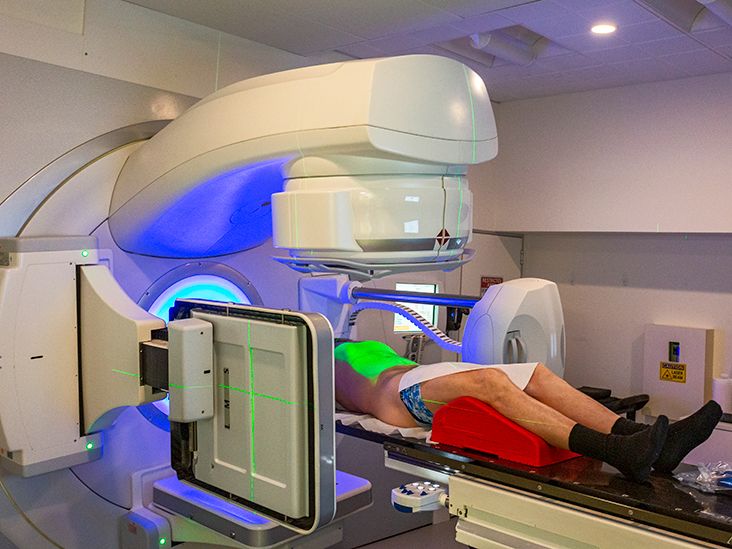
Advancements in technology and safety have made the job of an X-ray technician much safer than before. Modern tools and better training help reduce risks associated with radiation exposure. These improvements protect both the technician and patients during X-ray procedures.
Technological Innovations
New X-ray machines use lower radiation doses to capture clear images. Digital imaging replaces old film, reducing exposure time. Automatic settings adjust the dose based on the patient’s size. Shielding materials in equipment limit unnecessary radiation spread. These innovations minimize health risks for X-ray techs.
Improved Safety Protocols
Strict safety rules guide daily work in radiology departments. Technicians wear lead aprons and thyroid shields to protect themselves. Regular equipment checks ensure machines work safely. Work areas have warning signs and barriers to limit exposure. Safety protocols create a controlled, low-risk environment.
Training And Education Enhancements
Training programs now include detailed radiation safety lessons. Technicians learn how to use equipment correctly and safely. Continuing education keeps them updated on new safety measures. Hands-on practice builds confidence in handling tools properly. Well-trained X-ray techs reduce the chance of accidents or harm.
Credit: www.healthline.com
Personal Experiences And Case Studies
Understanding the risks of being an X-ray tech benefits from real stories and studies. Personal experiences show daily challenges and safety practices. Case studies reveal incidents, their causes, and outcomes. These insights help improve safety and awareness in the field.
Stories From Xray Techs
Many X-ray techs share moments that highlight risks and precautions. One tech recalled a near-miss with equipment malfunction. Another described the strict routines to limit radiation exposure. These stories show how techs stay alert and follow safety rules daily.
Reported Incidents And Outcomes
Some incidents have been reported in hospitals and clinics worldwide. Examples include accidental overexposure or equipment failure. Most cases resulted in minor health effects due to quick response. Follow-up care and monitoring helped prevent serious harm.
Lessons Learned
- Strict use of protective gear reduces exposure risks.
- Regular equipment checks prevent malfunctions.
- Clear communication improves safety during procedures.
- Ongoing training keeps techs updated on best practices.
These lessons guide safer practices and protect X-ray techs. They stress the importance of vigilance and proper protocol adherence.

Credit: www.facebook.com
Frequently Asked Questions
Is Working As An X-ray Tech Risky For Health?
Working as an X-ray tech involves exposure to radiation. However, strict safety protocols and protective equipment minimize health risks effectively. Proper training ensures technicians work safely, reducing any potential danger from radiation exposure.
How Do X-ray Techs Protect Themselves From Radiation?
X-ray techs use lead aprons, shields, and dosimeters to monitor exposure. They follow strict guidelines to limit radiation doses, ensuring their safety during procedures and minimizing health risks.
Can Long-term Radiation Exposure Harm X-ray Techs?
Long-term exposure to high radiation doses can be harmful. However, regulated safety measures and regular monitoring protect X-ray techs from harmful effects, making the profession safe when protocols are followed.
What Safety Training Do X-ray Techs Receive?
X-ray techs undergo comprehensive safety training, including radiation protection and emergency procedures. This training helps them minimize exposure risks and work safely in clinical environments.
Conclusion
Being an X-ray tech carries some risks, but safety rules protect you. Wearing lead aprons and using shields lowers radiation exposure. Regular training helps techs work safely every day. Many hospitals follow strict guidelines to keep workers safe. Taking proper care makes this job much less dangerous.
Understanding safety steps is key for anyone in this field. The role can be rewarding with the right precautions. Safety comes first, so techs can focus on patient care.