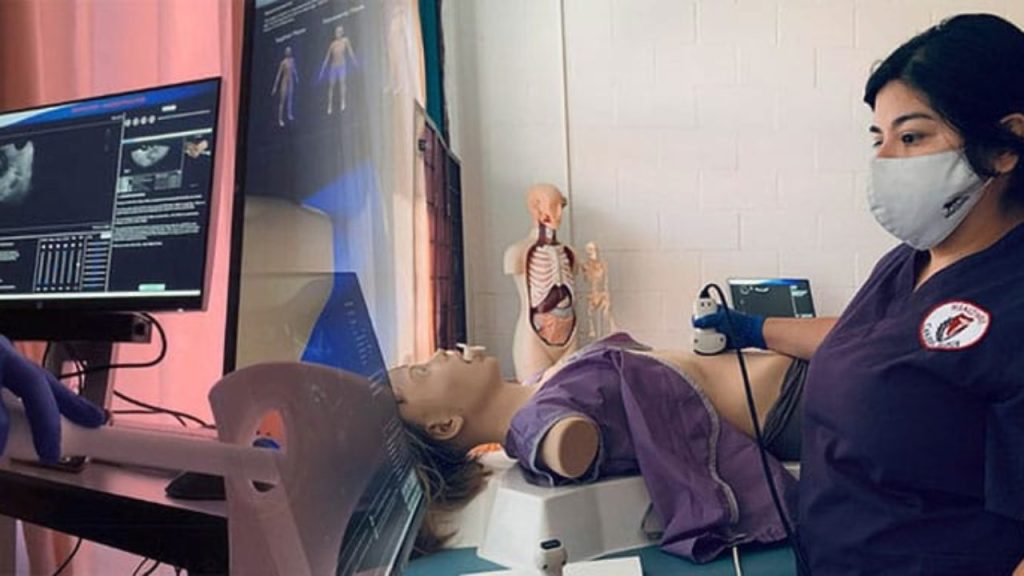
Are you curious about what it takes to become an ultrasound tech? If you want a career that combines helping people with cutting-edge technology, this might be the right path for you.
But before you jump in, it’s important to know exactly what skills, education, and qualities are needed. Understanding these key requirements will help you make a confident decision and set you up for success. Keep reading to discover everything you need to know to start your journey as an ultrasound technician.
Role Of An Ultrasound Technician
The role of an ultrasound technician is vital in medical imaging. They use special machines to create images of the inside of the body. These images help doctors diagnose and treat patients. Ultrasound technicians need a mix of technical skills and patient care abilities. Their work supports many areas of healthcare, including pregnancy, heart health, and organ examinations.
Daily Responsibilities
Ultrasound technicians prepare and operate ultrasound equipment. They position patients correctly to get clear images. They adjust machine settings to improve image quality. Technicians review images to ensure accuracy. They record and document findings for doctors. Maintenance and cleaning of equipment is part of their routine. They also update patient records and report any concerns.
Patient Interaction
Ultrasound technicians explain the procedure to patients. They answer simple questions with care and patience. Comforting nervous patients is important. Technicians help patients lie still during scans. They ensure privacy and respect at all times. Clear communication helps patients feel safe. Good bedside manner improves the overall experience.
Educational Requirements
Becoming an ultrasound technician requires specific education and training. This education ensures students gain the skills needed to perform accurate ultrasound scans. Schools offer various programs to prepare students for a career in this field. Understanding the educational requirements helps in choosing the right path.
Accredited Programs
Accredited programs meet set standards for quality education. These programs are approved by official organizations like the Commission on Accreditation of Allied Health Education Programs (CAAHEP). Attending an accredited program ensures proper training and better job opportunities.
Programs can be found at community colleges, technical schools, and universities. Most offer:
- Associate degrees, which take about two years
- Bachelor’s degrees, which take about four years
- Certificate programs for those who already have health experience
Courses cover anatomy, patient care, and ultrasound technology. Hands-on clinical training is also included to build real-world skills.
Certification Options
Certification shows employers that a tech meets industry standards. It is often required for employment. The American Registry for Diagnostic Medical Sonography (ARDMS) is the main certifying body.
To earn certification, candidates must:
- Complete an accredited program
- Pass a specialty exam in areas like abdominal or obstetric ultrasound
Some states require a license to work. Certification improves job prospects and can lead to higher pay. Renewing certification requires continuing education to stay updated.
Technical Skills
Technical skills form the backbone of a successful career as an ultrasound technician. Mastering these skills ensures you can handle the equipment with confidence and interpret images accurately to assist in patient diagnosis. Let’s take a closer look at the core technical abilities you’ll need to develop.
Equipment Operation
Handling ultrasound machines requires precision and familiarity with complex controls. You’ll need to adjust settings like frequency, depth, and gain to capture clear images tailored to each patient’s body and condition.
Think about the last time you used a new gadget without a manual—frustrating, right? Operating ultrasound equipment demands hands-on practice to move smoothly between controls during exams. The more comfortable you become, the faster and more accurate your scans will be.
Regular maintenance knowledge also plays a role. Knowing how to troubleshoot minor technical glitches can save time and prevent delays in patient care.
Image Interpretation
Capturing images is only half the job; understanding what those images show is crucial. You must recognize normal versus abnormal anatomy and spot subtle signs that may indicate health issues.
Imagine looking at an ultrasound image and needing to decide if a shadow is a harmless artifact or a sign of a problem. Your ability to make this judgment impacts patient outcomes directly.
Developing this skill means studying anatomy in detail and practicing with real cases. Over time, you’ll build a mental library of images that sharpens your diagnostic eye.

Credit: junxionmedstaffing.com
Soft Skills For Success
Soft skills are just as important as technical knowledge for an ultrasound tech. These skills shape how you interact with patients and colleagues, making your work more effective and meaningful. Developing strong soft skills can set you apart and help you succeed in this demanding healthcare role.
Communication Abilities
Clear communication is essential when working as an ultrasound tech. You need to explain procedures to patients in a way they can easily understand, which helps reduce their anxiety. Being able to listen carefully to patients’ concerns also allows you to adjust your approach and provide better care.
Think about how often you’ve felt nervous before a medical test. How would it feel if the technician spoke calmly and clearly, answering every question? Your ability to communicate well can turn a stressful experience into a comfortable one.
Empathy And Compassion
Showing empathy means understanding what your patients are going through and responding with kindness. Many patients come to ultrasound appointments worried or scared. Your compassion can make a huge difference in how they feel during the procedure.
Imagine a patient who is anxious about a possible diagnosis. Your gentle attitude and reassurance can ease their fears. This human connection not only improves the patient’s experience but also builds trust and cooperation, which are vital for accurate imaging.
Tips For Career Advancement
Advancing your career as an ultrasound tech requires more than basic skills. Constant learning and building connections play key roles. Growing your knowledge and network opens doors to better job roles and higher pay.
Continuing Education
Medical technology changes fast. Taking courses helps keep your skills sharp. Many employers value certifications and additional training. It shows you stay updated with the latest techniques.
Look for workshops, online classes, or seminars. Choose programs accredited by recognized organizations. This effort makes you stand out in the job market.
Networking Opportunities
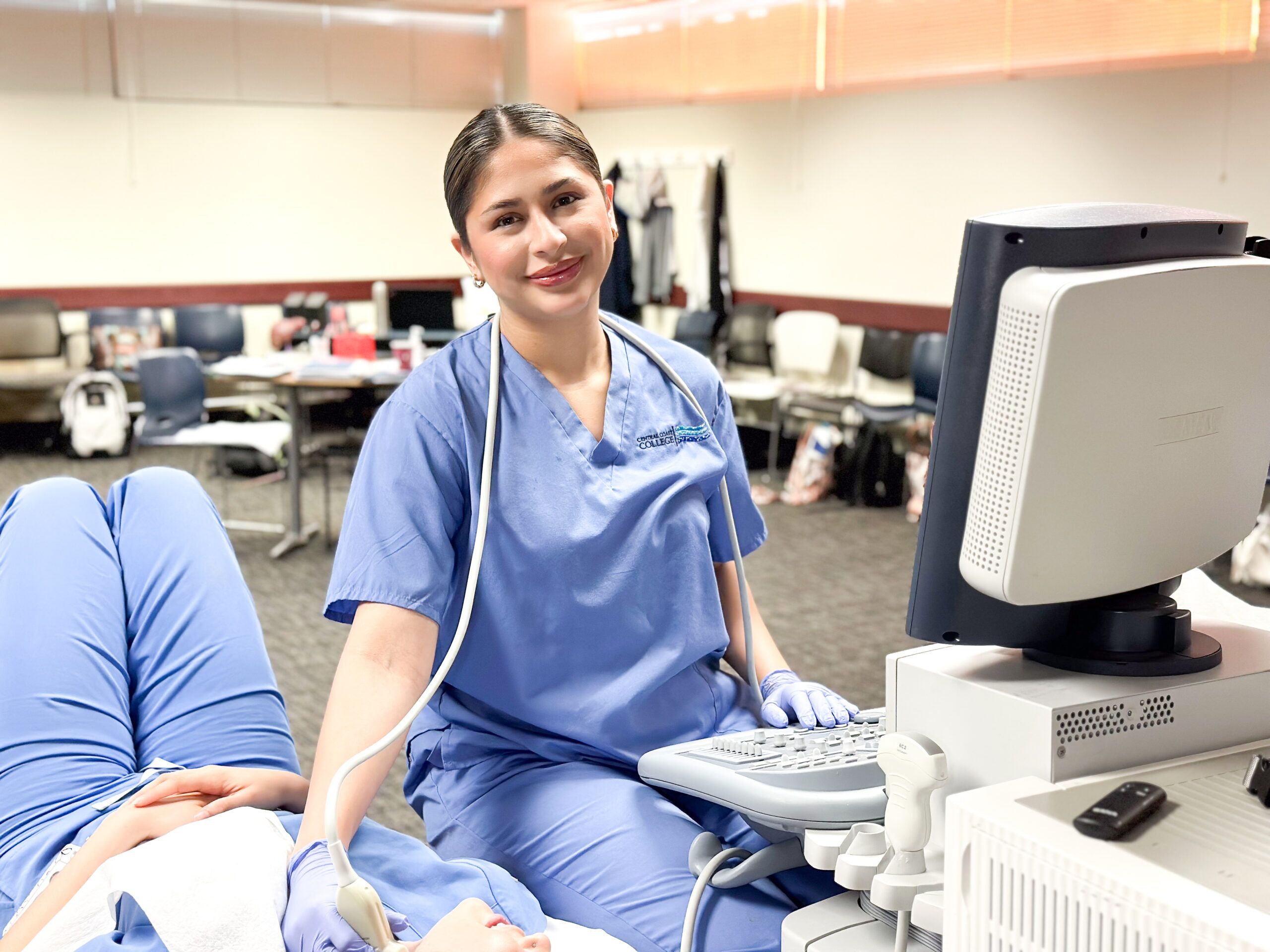
Meeting other professionals expands your career chances. Attend industry events, conferences, and local meetups. Join professional groups or online forums related to ultrasound technology.
Networking helps you learn about job openings and new trends. It also offers support and advice from experienced techs. Strong connections can lead to mentorship or collaborations.
Credit: centralcoastcollege.edu
Challenges In The Field
The field of ultrasound technology offers rewarding career opportunities. Yet, it also brings various challenges that professionals must face daily. These challenges test both technical skills and emotional strength.
Understanding these difficulties helps prepare aspiring ultrasound techs for what lies ahead. It also highlights the areas where ongoing effort and learning are essential.
Handling Stress
Ultrasound techs often work in fast-paced environments. They must perform scans quickly and accurately. Mistakes can affect patient care and diagnosis.
Dealing with anxious patients adds to the pressure. Techs must stay calm and reassuring. Managing emotional stress is vital to maintain focus and provide the best service.
Keeping Up With Technology
Medical imaging technology evolves rapidly. Ultrasound machines and software receive frequent updates. Learning new tools and techniques is a constant need.
Techs must attend training sessions and refresh their skills. Staying current ensures high-quality imaging and accurate results. Falling behind can limit job performance and career growth.

Credit: healthcarecareercollege.edu
Frequently Asked Questions
What Qualifications Are Required To Become An Ultrasound Tech?
To become an ultrasound tech, you need a high school diploma and specialized training. Most employers require an accredited associate’s or bachelor’s degree in diagnostic medical sonography. Certification and licensure may also be necessary depending on the state or employer.
How Long Does Ultrasound Tech Training Take?
Ultrasound tech training typically takes 1 to 4 years. Certificate programs last about 1 year, while associate degrees take 2 years. Bachelor’s degrees generally require 4 years. Clinical experience is included to develop hands-on skills.
Is Certification Necessary For Ultrasound Technicians?
Certification is highly recommended and often required by employers. It validates your skills and knowledge. The American Registry for Diagnostic Medical Sonography (ARDMS) offers widely recognized certifications. Certification may improve job prospects and salary potential.
What Skills Are Essential For An Ultrasound Tech?
Essential skills include attention to detail, good hand-eye coordination, and strong communication. Ultrasound techs must operate complex equipment accurately. They need to explain procedures clearly to patients and work well with healthcare teams.
Conclusion
Becoming an ultrasound tech takes education and hands-on training. You need good communication skills and attention to detail. A strong interest in healthcare helps you succeed. Certification boosts your job chances and shows your skill. This career offers steady work and a chance to help others.
It is a good choice for those who like science and care for people. Keep learning to stay updated in this fast-changing field.