Have you ever wondered what it takes to become a radiologist tech? If you’re curious about a career that combines technology, healthcare, and helping people, this might be the path for you.
Becoming a radiology technician isn’t just about learning how to use machines—it’s about developing skills that make a real difference in patients’ lives. You’ll discover the key steps, qualifications, and qualities needed to succeed in this rewarding field. Keep reading to see if this career matches your goals and how you can start your journey today.
Credit: www.concorde.edu
Educational Requirements
Becoming a radiologist tech requires a clear educational path. The right training and knowledge form the foundation of this career. Understanding the educational requirements helps in planning your journey effectively.
High School Preparation
Focus on science courses like biology, chemistry, and physics. Math skills also play an important role. Good grades help in getting accepted to a radiologic program. Basic computer skills can be useful for learning imaging technology.
Choosing A Radiologic Technology Program
Select a program accredited by the Joint Review Committee on Education in Radiologic Technology (JRCERT). Accredited programs meet quality standards and are recognized by employers. Look for programs offering hands-on clinical experience. This practical training builds real-world skills.
Degree Options
- Associate Degree: Takes about two years to complete. Offers entry-level skills for a radiologic technologist.
- Bachelor’s Degree: Takes about four years. Provides advanced knowledge and may open more job opportunities.
- Certificate Programs: Shorter programs for those with healthcare backgrounds. Focus on specific imaging techniques.
Credit: www.concorde.edu
Certification Process
Becoming a radiologist tech involves more than just completing a training program. The certification process ensures you meet professional standards and are ready to handle the responsibilities of this vital healthcare role. Understanding this process helps you prepare effectively and set realistic expectations for your career path.
American Registry Of Radiologic Technologists (arrt)
The ARRT is the primary organization that certifies radiologic technologists in the United States. To earn certification, you must graduate from an accredited radiologic technology program and pass the ARRT exam.
The exam tests your knowledge in patient care, radiation safety, and imaging procedures. Passing it proves you have the skills needed to work safely and efficiently in medical imaging. Without ARRT certification, many employers won’t consider your application, so it’s a crucial milestone.
Exam Preparation Tips
Preparing for the ARRT exam takes focus and strategy. Start by reviewing the exam content outline provided by ARRT to know exactly what subjects to cover.
- Create a study schedule that breaks topics into manageable sections.
- Use practice exams to identify weak areas and get comfortable with question formats.
- Join study groups or online forums to share tips and clarify doubts.
Remember, consistency beats cramming. Set small daily goals and track your progress. Have you tried explaining complex concepts aloud? Teaching others can deepen your understanding and boost confidence.
Maintaining Certification
Certification isn’t a one-time achievement. The ARRT requires you to renew your certification every two years through continuing education and ethical compliance.
This means you need to complete a set number of continuing education credits, often by attending workshops, webinars, or courses related to radiologic technology. Staying current with advances in imaging technology and safety protocols keeps you competitive and effective on the job.
Think of maintaining certification as an ongoing commitment to your professional growth. How will you stay motivated to keep learning after you get certified? Setting personal goals for skill development can help you stay on track long-term.
Clinical Training
Clinical training is a crucial part of becoming a radiologist tech. It provides real-world experience and prepares students for the demands of the job. This training combines classroom knowledge with practical skills. It helps build confidence and proficiency in handling medical imaging equipment.
Hands-on Experience
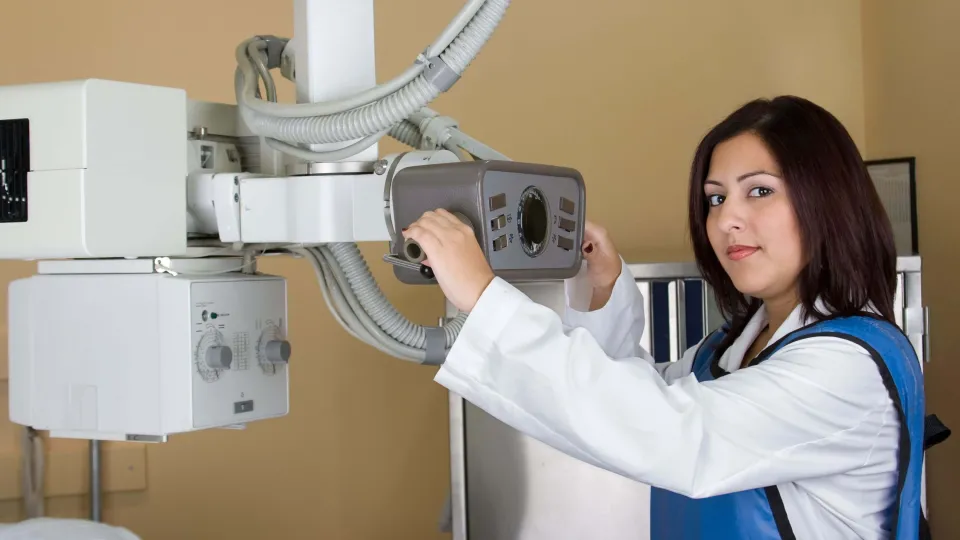
Hands-on experience allows students to operate imaging machines directly. They learn to position patients correctly for scans. This practice develops accuracy and attention to detail. It also teaches how to maintain patient safety during procedures. Real equipment use is essential for skill development.
Internship Opportunities
Internships offer time in hospitals or clinics under supervision. Students observe professionals and apply their skills in real settings. These opportunities enhance understanding of daily work routines. Internships help build professional relationships and communication skills. They are often required to complete training programs.
Skills Development
Clinical training focuses on developing technical and soft skills. Students improve in areas like patient care and image analysis. They learn to troubleshoot equipment and follow protocols. Training also emphasizes teamwork and ethical practices. These skills are vital for a successful radiologist tech career.
Credit: www.regiscollege.edu
Job Market Insights
Understanding the job market is crucial if you’re considering a career as a radiologist tech. Knowing where the opportunities lie, what you can expect to earn, and how you can grow will help you make informed decisions. Let’s look at the key aspects of the job market for radiologic technologists.
Employment Opportunities
The demand for radiologist techs is steady and growing, especially in hospitals, outpatient clinics, and diagnostic imaging centers. Rural areas often have fewer specialists, so you might find more openings there if you’re open to relocation.
Many professionals I’ve spoken with found that networking within healthcare communities opened doors to positions not widely advertised. Are you prepared to connect with others in the field to find hidden job opportunities?
Salary Expectations
Salary varies based on location, experience, and certification level. On average, radiologic technologists earn between $50,000 and $70,000 annually, but some specialized roles or high-demand areas can push that number higher.
Benefits like overtime pay, shift differentials, and bonuses can add significant value to your total compensation. Consider what your financial goals are and how different job settings might meet them.
Career Advancement Paths
Starting as a radiologist tech doesn’t mean you have to stay in the same role. You can advance by specializing in areas like MRI, CT scans, or sonography, which often require additional training but lead to higher pay and more responsibilities.
Many technologists move into supervisory or management roles, while others pursue education or sales roles related to medical imaging equipment. What skills do you want to develop to take your career further?
Professional Skills
Becoming a radiologist tech requires more than just book knowledge. Professional skills shape how well you perform daily tasks. These skills help ensure patient safety and accurate imaging results. They also improve teamwork and patient care.
Technical Expertise
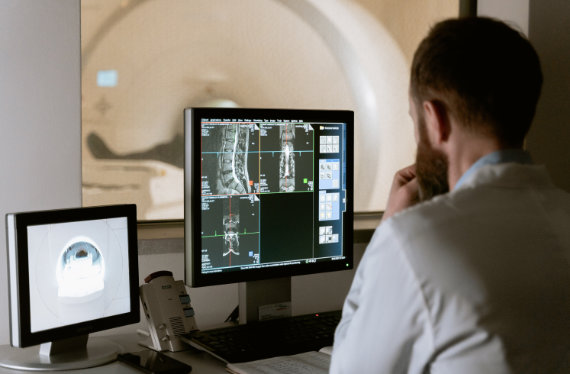
Radiologist techs must understand how to operate imaging machines. They need to handle X-rays, CT scans, and MRIs confidently. Accuracy is crucial to capture clear images. Knowledge of safety protocols prevents radiation exposure. Staying updated with new technology is important. This skill ensures high-quality diagnostic results every time.
Patient Interaction
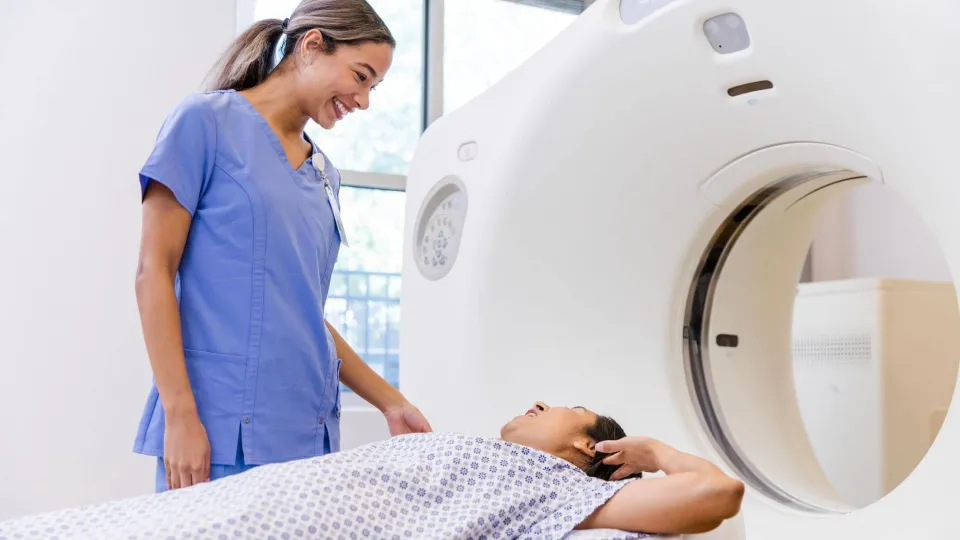
Patients may feel nervous or unsure during scans. A radiologist tech must be kind and calm. Explaining the process clearly helps patients relax. Being patient and gentle reduces stress for all ages. Respecting privacy and comfort is essential. Good patient care leads to better cooperation and images.
Communication Skills
Clear communication with doctors and nurses is vital. Radiologist techs must report any unusual findings quickly. Listening carefully to instructions avoids mistakes. They also record patient information accurately. Teamwork depends on smooth information exchange. Strong communication skills keep the workflow efficient and safe.
Continuing Education
Continuing education is key for radiologist techs to keep their skills sharp. The medical field changes fast, and staying informed helps techs provide the best care. Learning does not stop after initial training. Ongoing education supports career growth and professional development.
Advanced Certifications
Radiologist techs can earn advanced certifications to boost their expertise. These certifications show mastery in specific imaging techniques. They often require passing exams and completing practical training. Examples include certifications in MRI, CT, and mammography. Holding these credentials can lead to better job opportunities and higher pay.
Specialization Options
Specializing allows radiologist techs to focus on a particular area of imaging. Common specialties include nuclear medicine and ultrasound. Specialization requires extra training and education. It helps techs gain deeper knowledge and skills. Employers value techs who bring unique expertise to their teams.
Staying Updated With Technology
Radiology technology evolves rapidly. New machines and software improve image quality and patient safety. Techs must learn to operate the latest equipment. Workshops, online courses, and seminars offer chances to stay current. Staying updated ensures techs work efficiently and confidently in their roles.
Frequently Asked Questions
What Education Is Needed To Become A Radiologist Tech?
You need an associate’s degree in radiologic technology. Some employers prefer a bachelor’s degree. Accredited programs provide essential training and clinical experience.
How Long Does Radiologic Tech Training Take?
Training typically takes 2 years for an associate degree. Bachelor’s programs last about 4 years. Clinical internships are included for hands-on experience.
What Certifications Are Required For Radiologist Techs?
Certification from the American Registry of Radiologic Technologists (ARRT) is standard. State licensure may also be required. Certification ensures professional competency and job eligibility.
What Skills Are Important For A Radiology Technician?
Important skills include attention to detail, patient care, and technical proficiency. Strong communication and problem-solving abilities are also vital in this role.
Conclusion
Becoming a radiologist tech takes hard work and dedication. You need proper training and hands-on experience. Good communication skills help in dealing with patients. Staying updated with new technology is important too. This career offers chances to help others and grow.
It suits those who like science and caring for people. With focus and effort, you can build a strong future in this field. The journey may be challenging but rewarding. Keep learning and stay passionate about your work.