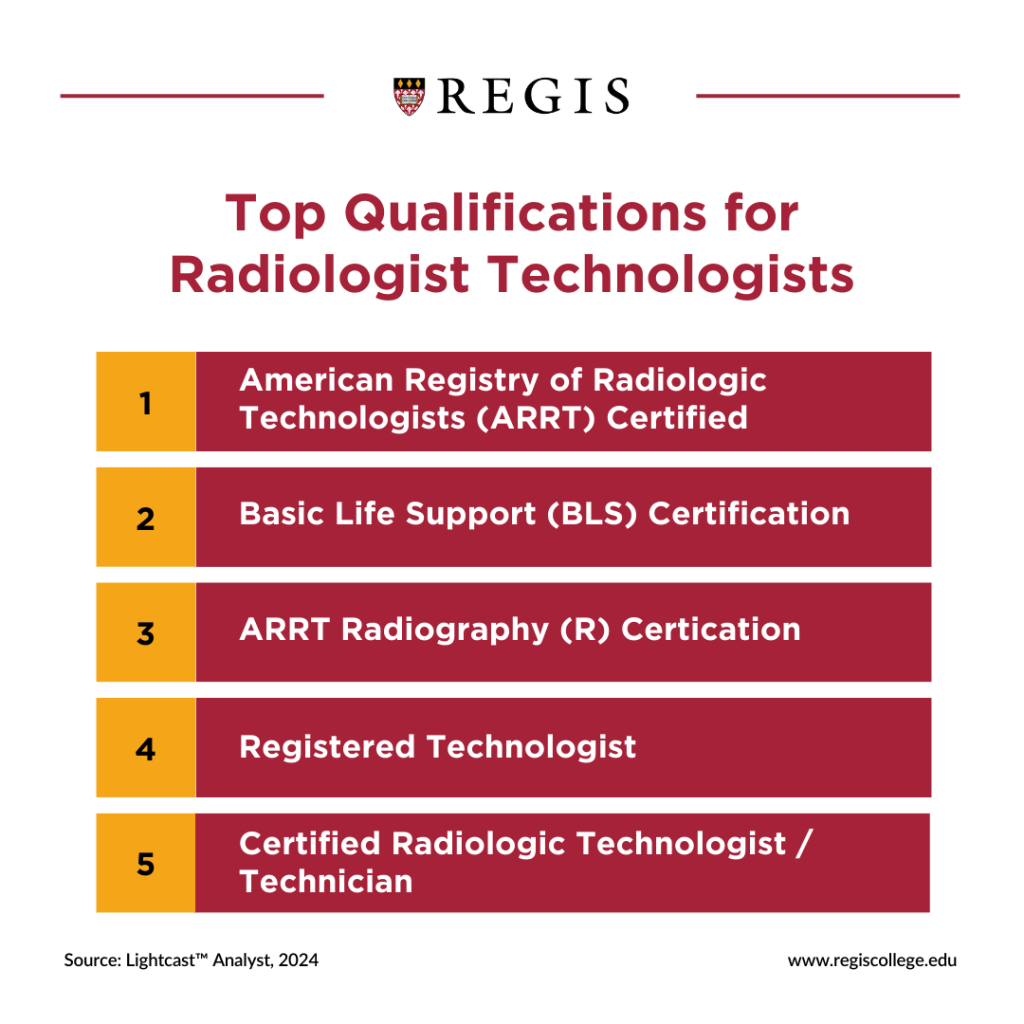
Are you curious about how to become an X-ray tech and start a rewarding career in healthcare? If you want a job that combines technology with helping people, this path might be perfect for you.
Becoming an X-ray tech opens the door to a stable and respected profession where your skills make a real difference every day. You’ll discover the simple steps you need to take, the skills you’ll develop, and the opportunities waiting for you.
Ready to find out how to turn your interest into a career? Keep reading, and let’s get started!

Credit: www.cambridgehealth.edu
Career Path For Xray Techs
Choosing a career as an X-ray technician offers a clear and rewarding path. Understanding what your daily work will involve, where you might be employed, and how the job market looks can help you decide if this role fits your goals. Let’s break down the essentials of the career path for X-ray techs to give you a realistic picture of what to expect.
Roles And Responsibilities
As an X-ray tech, your primary role is to capture images of patients’ internal structures using specialized equipment. You prepare patients for imaging, operate machines safely, and ensure high-quality images for accurate diagnosis. Beyond technical skills, you’ll need strong communication to explain procedures and ease patient anxiety.
You may also assist radiologists by maintaining equipment and managing patient records. How comfortable are you with technology and patient interaction? This balance is key to excelling in the field.
Work Environments
X-ray techs work in various settings, including hospitals, clinics, dental offices, and outpatient care centers. Each environment has different demands; for example, hospitals often require shift work, while clinics may offer more regular hours.
You might find yourself in a fast-paced emergency room or a calm outpatient facility. Consider what setting suits your lifestyle and work preferences. Are you ready for the physical demands, such as standing for long periods or moving equipment?
Job Outlook And Growth
The demand for X-ray technicians remains steady due to ongoing advancements in medical imaging and an aging population requiring more diagnostic services. According to recent data, job growth for radiologic technologists is expected to be around 7% over the next decade, faster than average for many occupations.
Continuing education can open doors to specialized roles like MRI or CT scanning. How do you plan to keep your skills updated and remain competitive? Staying proactive in learning can significantly impact your career longevity and satisfaction.
Educational Requirements
To become an X-ray technician, you need to meet specific educational requirements that prepare you for the technical and clinical challenges of the job. This path starts in high school and extends through specialized post-secondary programs. Understanding the right courses and programs can help you plan your journey effectively and boost your chances of success.
High School Subjects To Focus On
Your high school years lay the groundwork for your future as an X-ray tech. Prioritize science courses like biology, chemistry, and physics because they explain how the human body works and how X-rays interact with tissues.
Math skills, especially algebra and basic statistics, are also crucial. These help you understand measurements and doses, which are key in producing clear and safe X-ray images.
Don’t overlook communication classes. Being able to explain procedures clearly to patients and work smoothly with medical teams is vital.
Accredited Radiologic Technology Programs
Once you finish high school, enrolling in an accredited radiologic technology program is essential. Accreditation ensures the program meets industry standards and prepares you for certification exams.
Look for programs recognized by the Joint Review Committee on Education in Radiologic Technology (JRCERT) or similar bodies. These programs combine classroom learning with hands-on clinical experience.
Ask current students or alumni about the quality of instruction and clinical placements. Their insights can reveal what to expect and how well the program prepares you for real-world work.
Degree Options: Certificate, Associate, Bachelor
There are several educational paths to becoming an X-ray tech, each with different time commitments and depth of study.
- Certificate programstypically last 1-2 years and are ideal if you want to start working quickly. They focus mainly on technical skills and clinical training.
- Associate degrees
- Bachelor’s degreestake around 4 years and provide broader knowledge, including advanced imaging techniques and healthcare management. This can open doors to supervisory roles or further specialization.
Which option fits your lifestyle and career goals? Consider your timeline and whether you want to dive deeper into healthcare studies or start practicing sooner.
Certification And Licensing
Getting certified and licensed is a crucial step to becoming a successful X-ray technician. It proves your skills and knowledge, making you trustworthy in the eyes of employers and patients. Without proper certification and licensing, your career opportunities can be limited.
Arrt Certification Process
The American Registry of Radiologic Technologists (ARRT) certification is often the gold standard for X-ray techs. To qualify, you must complete an accredited educational program and pass a rigorous exam covering patient care, safety, and imaging procedures.
Once certified, you earn the title of Registered Technologist (RT), which many employers require. Think about how this credential can open doors—have you considered how much more confident you’ll feel with formal recognition of your skills?
State Licensing Requirements
Licensing rules differ widely from state to state. Some states require you to hold ARRT certification, while others have their own exams and paperwork. You need to check with your state’s health or radiologic board to understand the exact steps.
Failing to meet licensing requirements can stop you from legally working, even if you’re ARRT certified. How well do you know your state’s regulations? Spending time here can save you headaches later.
Continuing Education
Certification and licensing don’t end with passing exams. You must keep learning to maintain your credentials. ARRT requires 24 credits of continuing education every two years to stay certified.
These courses keep you updated on new technology and safety practices. Imagine how staying current can make you a more skilled and competitive X-ray tech. What new skills could you add this year to enhance your expertise?
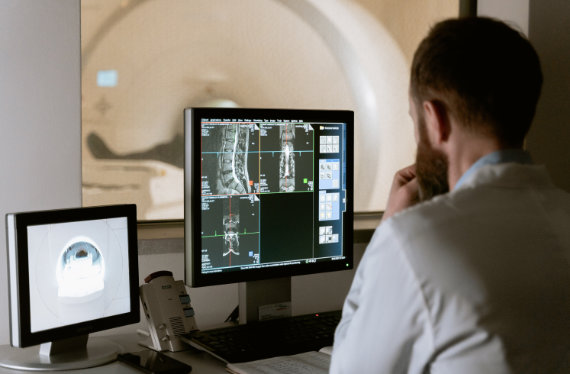
Credit: www.regiscollege.edu
Skills Needed For Success
Success as an X-ray technician requires a mix of specific skills. These skills help you perform tasks accurately and provide the best care for patients. Developing these abilities increases job performance and safety in the workplace.
Technical Skills
X-ray techs must operate imaging machines with precision. Understanding how to adjust settings for different body parts is important. Knowledge of digital imaging software is also needed. Basic computer skills help manage patient records efficiently. Troubleshooting minor equipment problems is valuable on the job.
Patient Care And Communication
Good communication helps explain procedures clearly to patients. Comforting nervous patients creates a positive experience. Listening carefully to patient concerns ensures proper care. Clear instructions improve cooperation during imaging. Respect and empathy build trust with patients.
Attention To Detail And Safety
Precise positioning affects image quality and diagnosis accuracy. Following safety protocols protects patients and techs from radiation. Checking patient identity prevents errors in treatment. Keeping work areas clean reduces infection risk. Being alert helps spot any unusual conditions early.
Gaining Practical Experience
Gaining practical experience is essential to become a skilled X-ray technician. This hands-on learning helps build confidence and improves your technical skills. Real-world practice also teaches how to work with patients and medical teams effectively.
Practical experience allows you to apply classroom knowledge. It prepares you for the demands of a healthcare setting. Employers value candidates who have solid experience in clinical environments.
Clinical Rotations
Clinical rotations provide direct patient care experience under supervision. You rotate through different departments to learn various imaging techniques. This exposure helps you understand daily tasks and challenges of X-ray techs.
During rotations, you practice positioning patients and operating X-ray machines. You learn safety protocols to protect patients and yourself from radiation. Feedback from supervisors guides your improvement and skill growth.
Internships And Externships
Internships and externships offer extended training in real healthcare facilities. These programs often last several weeks or months. They provide opportunities to perform X-rays and assist radiologists.
Internships may be paid or unpaid. They help build professional networks and increase job chances. Externships usually focus on observation and assisting with tasks. Both experiences boost your resume and confidence.
Volunteering Opportunities
Volunteering in hospitals or clinics helps gain valuable exposure. It may not involve direct X-ray work but builds healthcare knowledge. Volunteering teaches communication skills and how to handle patients.
It shows commitment and passion for the field. Volunteering can sometimes lead to internships or job offers. It is a good way to start practical experience with low pressure.
Job Search Strategies
Landing a job as an X-ray technician requires more than just completing your education and certification. How you present yourself and connect with potential employers can make all the difference. Effective job search strategies help you stand out and get noticed in a competitive field.
Building A Strong Resume
Your resume is your first impression. Focus on clear, concise descriptions of your technical skills, certifications, and hands-on experience. Highlight specific equipment you are trained to use, such as digital radiography systems or CT scanners.
Include measurable achievements, like “Performed 200+ diagnostic imaging procedures with 99% accuracy.” This shows employers your reliability and expertise. Avoid generic statements; tailor each resume to the job description to match their needs.
Networking Tips
Who you know can be just as important as what you know. Reach out to instructors, clinical supervisors, and former colleagues who can recommend you. Attend local healthcare job fairs and professional events for radiologic technologists.
Join online groups or forums where X-ray techs share job leads and advice. Sometimes, a casual conversation can lead to an unexpected opportunity. Have you considered how a simple LinkedIn message could open doors?
Interview Preparation
Practice answering questions about your technical skills and patient care experience clearly and confidently. Employers want to hear how you handle stressful situations, follow safety protocols, and communicate with patients.
Prepare examples that show your problem-solving abilities, like troubleshooting equipment issues or managing difficult patients. Don’t forget to research the employer’s facility beforehand—it shows genuine interest. How will you demonstrate that you are the best fit for their team?
Advancing Your Career
Advancing your career as an X-ray tech opens many opportunities. Growth brings new skills, higher pay, and more job security. It also allows you to specialize or take on leadership roles. Planning your next steps helps you stay competitive and satisfied in your work.
Specializations In Radiologic Technology
Specializing adds expertise in specific imaging areas. Common options include:
- Computed Tomography (CT)
- Magnetic Resonance Imaging (MRI)
- Mammography
- Bone Densitometry
- Interventional Radiography
Each specialization requires additional training and certification. It improves your chances of landing niche roles. Specializing also helps you serve patients better with focused skills.
Continuing Education And Certifications
Stay updated with the latest technology and techniques. Continuing education is vital for career growth. Many employers prefer certified and well-trained X-ray techs. Renew certifications regularly to maintain professional status. Online courses and workshops offer flexible learning options. This ongoing education keeps your skills fresh and relevant.
Leadership And Management Roles
Experienced X-ray techs can move into leadership positions. Roles such as lead technologist or department supervisor are common. These roles involve managing staff and workflow. Leadership skills improve teamwork and patient care quality. Training in management and communication is helpful. Supervisory roles often come with higher pay and more responsibility.
Challenges And Rewards
Becoming an X-ray tech involves navigating both challenges and rewards that shape your career and personal growth. Understanding these aspects helps you prepare mentally and emotionally for the journey ahead. It also gives you a clearer picture of what to expect on a daily basis and how to find satisfaction in your work.
Common Work Challenges
One of the biggest challenges you’ll face is handling the pressure of capturing clear, accurate images quickly. Patients may be anxious or in pain, which can make positioning difficult. You must stay calm and patient, often adapting your communication style to help them feel at ease.
Another challenge is exposure to radiation, which requires strict safety measures and constant vigilance. You’ll need to follow protocols carefully to protect yourself and others. Additionally, long hours standing and repetitive tasks can lead to physical strain if you don’t maintain good ergonomics.
Job Satisfaction
Despite the challenges, many X-ray techs find deep satisfaction in the role. You play a crucial part in diagnosing illnesses, which can feel very rewarding. Seeing a patient’s health improve because of your work offers a strong sense of purpose.
Helping people during stressful times also builds meaningful connections. Have you ever noticed how a simple smile or reassuring word can change a patient’s experience? These moments often make the job worthwhile beyond the technical skills.
Work-life Balance
The work schedule for X-ray techs varies widely, from regular daytime shifts to nights and weekends. This flexibility can be a benefit, allowing you to arrange your time according to personal needs. However, irregular hours might disrupt your routine and social life.
Setting clear boundaries is essential to maintain balance. How do you recharge after a demanding day with patients? Developing hobbies or spending time with loved ones can help you stay energized and avoid burnout.

Credit: www.tiktok.com
Frequently Asked Questions
What Qualifications Do I Need To Be An X-ray Tech?
To become an X-ray tech, you need a high school diploma and a degree in radiologic technology. Certification from the American Registry of Radiologic Technologists (ARRT) is often required. State-specific licensing may also be necessary, ensuring you meet all educational and legal requirements for the role.
How Long Does It Take To Become An X-ray Tech?
Becoming an X-ray tech typically takes about two years. This includes completing an accredited radiologic technology program. After graduation, certification and licensure processes may add extra time. However, the overall timeline may vary depending on individual circumstances and educational paths.
What Skills Are Essential For An X-ray Tech?
Key skills for an X-ray tech include attention to detail, good communication, and technical proficiency. Understanding anatomy and radiology equipment is crucial. Additionally, compassion and patience are important for working with patients. These skills ensure both accurate imaging and a supportive patient experience.
What Are The Daily Duties Of An X-ray Tech?
Daily duties of an X-ray tech include operating imaging equipment and preparing patients for procedures. They also ensure accurate imaging results and maintain patient records. Communication with healthcare professionals is essential to ensure diagnostic accuracy and patient safety. Each task contributes to effective medical imaging practices.
Conclusion
Becoming an X-ray tech takes clear steps and dedication. Study hard and complete the right training programs. Gain experience through internships or clinical practice. Pass the certification exam to show your skills. Keep learning to stay updated in the field.
This job offers a chance to help others every day. With focus and effort, you can build a rewarding career in medical imaging. Start your journey now and work toward your goal.