
Are you thinking about becoming a surgical tech but wondering how long the program actually takes? Knowing the length of the training is key to planning your future and making the right decisions.
You want clear answers without confusion or extra jargon. You’ll discover exactly how much time you need to invest to complete a surgical tech program. By the end, you’ll have a clear roadmap to start your career confidently and without delay.
Keep reading to find out what to expect and how to prepare for each step ahead.
Surgical Tech Program Length
The length of a surgical tech program varies depending on the type of credential you pursue. These programs are designed to prepare students for work in operating rooms quickly and efficiently. Students can choose from certificate, diploma, associate degree, or bachelor’s degree options. Each path offers different training lengths and depth of study.
Certificate And Diploma Programs
Certificate and diploma programs are the shortest routes to becoming a surgical tech. They usually take about 9 to 12 months to complete. These programs focus on hands-on skills and basic medical knowledge. Students learn how to assist surgeons and maintain sterile environments. This path suits those who want to start working fast.
Associate Degree Options
Associate degree programs last about 18 to 24 months. They include general education courses along with surgical tech training. This path offers a deeper understanding of anatomy, physiology, and patient care. Many employers prefer candidates with an associate degree. It provides a solid balance between theory and practice.
Bachelor’s Degree Pathways
Bachelor’s degree programs take around four years. These programs cover advanced topics and leadership skills. Students explore healthcare management and surgical technology in detail. This path suits those aiming for supervisory roles or specialized positions. It provides the most comprehensive education in the field.
Factors Affecting Program Duration
Understanding the factors that affect the duration of a surgical tech program can help you plan your education more effectively. Not all programs are created equal, and the time you spend can vary widely depending on several key elements. These factors influence how quickly you can move from student to certified professional.
Full-time Vs Part-time Study
Choosing between full-time and part-time study dramatically impacts how long your program will take. Full-time students often complete their training in about 9 to 12 months, while part-time students may take up to 18 months or more.
If you’re balancing work or family commitments, part-time might fit your life better, but be prepared for a longer timeline. How much time can you realistically dedicate each week to classes and studying?
Clinical Practicum Requirements
Hands-on experience is crucial in surgical tech training. Programs require a certain number of clinical practicum hours, which can range from 200 to over 500 hours depending on the school.
These hours provide real-world skills but can extend the program length if scheduling conflicts arise. Have you considered how your clinical placement options might affect your overall timeline?
Program Accreditation
Accredited programs often have strict guidelines about curriculum and practicum hours, which can affect how long it takes to finish. Non-accredited programs might be shorter but could limit your job opportunities or certification eligibility.
Choosing an accredited program ensures your education meets industry standards but might require a longer commitment. Are you willing to invest extra time upfront for better career prospects?
Typical Course Structure
The typical course structure of a surgical tech program is designed to build your skills progressively, combining theory with practical experience. You’ll start with foundational knowledge and gradually move into hands-on training that prepares you for the fast-paced environment of an operating room. Understanding this structure helps you plan your time and expectations as you work toward certification.
Core Surgical Technology Courses
Your learning begins with core courses that cover essential topics such as anatomy, physiology, and medical terminology. These classes give you a clear understanding of the human body and the language used in healthcare settings.
Other important courses focus on surgical procedures, sterile techniques, and patient care. They teach you how to assist surgeons and maintain a safe, clean environment during operations.
Have you considered how mastering these fundamentals early can make your hands-on work more intuitive and effective?
Hands-on Training Components
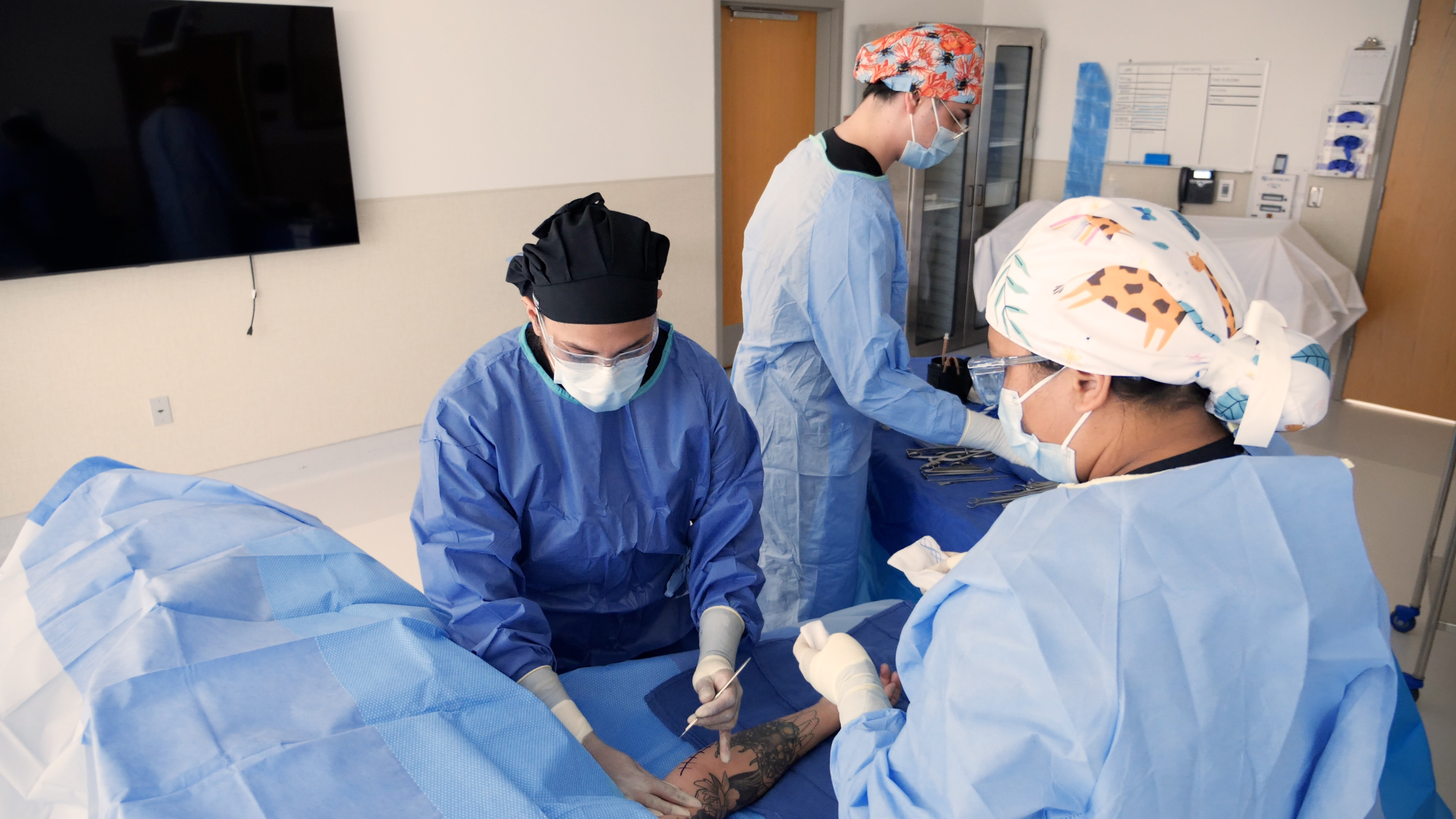
Practical experience is a major part of your education. Labs simulate real surgical settings, allowing you to practice instrument handling and sterile field maintenance under supervision.
Clinical rotations take this a step further by placing you in actual operating rooms. Here, you observe and assist professionals, gaining confidence and real-world skills.
This direct exposure is crucial—many students find that these moments shape their readiness more than any textbook ever could.
Exams And Certifications
Throughout the program, you’ll face exams that test both your knowledge and practical skills. These assessments ensure you meet industry standards before moving forward.
After completing your coursework, certification exams like the Certified Surgical Technologist (CST) credential validate your competence. Holding this certification can significantly boost your job prospects.
Are you prepared to meet these challenges head-on and demonstrate your capability to employers?
Credit: www.pikespeak.edu
Speeding Up Completion
Speeding up your surgical tech program can make a big difference in how quickly you start your career. If you’re eager to jump into the operating room, there are practical ways to shorten the time it takes to complete your training. Understanding these options can help you plan your path effectively and avoid unnecessary delays.
Accelerated Programs
Some schools offer accelerated surgical tech programs designed to get you certified faster. These programs often condense the same material into a shorter timeframe by increasing weekly class hours or offering year-round sessions.
You might find a program that finishes in as little as 9 months instead of the usual 12 to 15 months. Consider whether you can handle an intense schedule because these programs demand focus and commitment.
Prior Learning Credits
If you have previous healthcare education or experience, you may be able to skip certain courses. Schools sometimes grant credit for prior learning, which can reduce the number of classes you need to take.
Think about any certifications or jobs you’ve held that involved medical knowledge or hands-on patient care. Have you checked with your prospective program about transferring credits? This step could save you weeks or even months.
Intensive Clinical Rotations
Clinical rotations are where you gain real-world experience, and some programs offer intensive schedules to complete them faster. Instead of spreading rotations over several months, you might complete more hours per week.
This approach immerses you fully in the surgical tech role, accelerating skill development and readiness. Are you prepared to balance a heavy clinical workload alongside your studies? It’s demanding but can lead to earlier program completion.
Career Preparation After Graduation
Career preparation after graduation is key for surgical tech students. Programs not only teach skills but also guide students toward their professional goals. Graduates receive support to enter the healthcare field confidently and successfully.
Certification Exams
Most surgical tech programs prepare students for certification exams. These tests prove knowledge and skills to employers. Passing exams like the Certified Surgical Technologist (CST) boosts job prospects. Programs often offer review sessions and practice tests to help students succeed.
Job Placement Support
Many programs provide job placement assistance after graduation. Career services may include resume help, interview coaching, and job fairs. Some schools have connections with local hospitals and clinics. This support helps graduates find work faster and start their careers smoothly.
Continuing Education
Continuing education is important in the surgical tech field. Graduates are encouraged to update skills and knowledge regularly. Many programs offer advanced courses or workshops. This ongoing learning helps surgical techs stay current with new techniques and technology.
Credit: americancareercollege.edu
Credit: www.pikespeak.edu
Frequently Asked Questions
What Is The Duration Of A Surgical Tech Program?
A surgical tech program typically lasts between 9 months to 2 years. The duration depends on the institution and program type, whether it’s a certificate, diploma, or associate degree. These programs include classroom instruction and clinical practice, preparing students for certification and entry-level positions in surgical technology.
Are Online Surgical Tech Programs Available?
Yes, online surgical tech programs are available. They offer flexibility for students balancing other commitments. However, hands-on clinical training is mandatory, which must be completed in person. Online courses cover theoretical knowledge, while clinical practice builds essential skills for the surgical environment.
How Quickly Can You Become A Surgical Tech?
You can become a surgical tech in as little as 9 months. Short-term certificate programs offer rapid training. Associate degree programs take up to 2 years, providing more comprehensive education. Both paths prepare you for certification and entry-level positions in hospitals and surgical centers.
Do Surgical Tech Programs Include Clinical Training?
Yes, clinical training is a crucial part of surgical tech programs. This hands-on experience occurs in hospitals or surgical centers. It allows students to apply classroom knowledge in real-world settings, develop practical skills, and understand surgical procedures and sterilization techniques.
Conclusion
Surgical tech programs usually last from 9 months to 2 years. Shorter programs focus on basic skills and knowledge. Longer programs offer more training and experience. Choose a program that fits your time and goals. Completing the program leads to a career in healthcare.
Hands-on practice is key to becoming confident and skilled. A surgical tech role offers steady work and growth. Start your journey with clear expectations about the program length. Your future in the operating room begins with proper training.