Imagine stepping into a career where you can make a real difference every day. As an X-ray tech, you play a crucial role in the healthcare system, helping doctors diagnose and treat patients effectively.
Have you ever wondered what it takes to become an X-ray tech and how you can start this rewarding career? You’re not alone—many people are curious about the steps involved and the skills needed to excel in this field. We’ll guide you through everything you need to know to become a successful X-ray tech.
You’ll discover the educational requirements, the essential skills you must develop, and the paths you can take to secure your place in this dynamic profession. Whether you’re just starting to explore career options or you’re ready to make a change, this guide will provide you with clear, actionable steps to help you achieve your goals. Stay with us, and unlock the secrets to building a fulfilling career as an X-ray tech!
Xray Tech Role
The role of an X-ray technician is both vital and dynamic. You are the bridge between doctors and patients, capturing images that reveal what lies beneath the surface. Your work directly impacts diagnosis and treatment, making precision and care essential.
Daily Duties
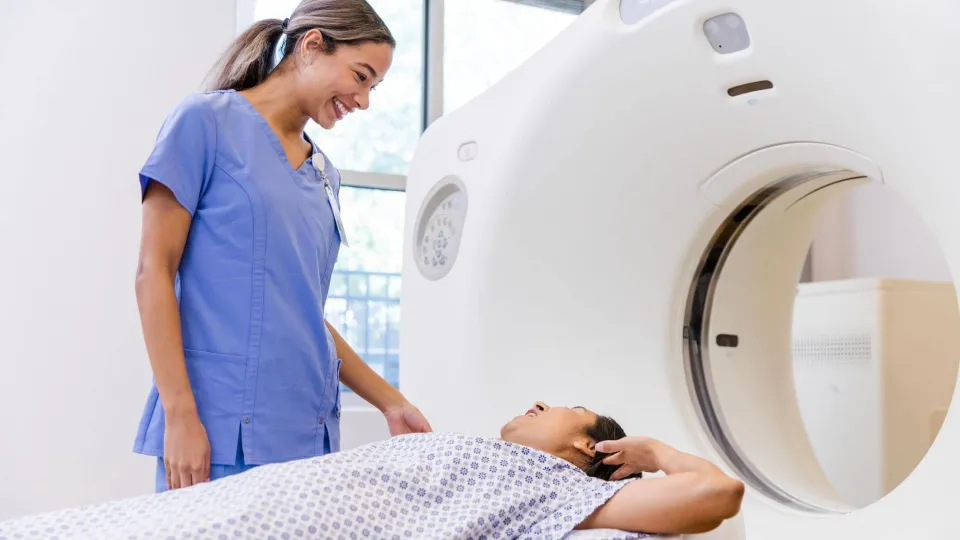
Your day starts with preparing and positioning patients for X-rays. You must explain procedures clearly to ease any anxiety and ensure cooperation.
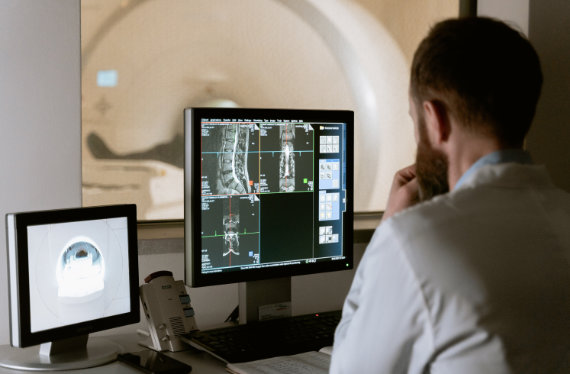
Operating the imaging equipment requires technical skill and attention to detail. You capture images from different angles, checking for clarity and accuracy before finalizing.
Beyond imaging, you maintain patient records and ensure equipment safety. Regular calibration and cleaning prevent errors and keep the workplace safe.
Work Environments
X-ray techs work in diverse settings, from bustling hospitals to small clinics. Emergency rooms demand quick thinking and flexibility, while outpatient centers offer a more routine pace.
Mobile imaging services let you visit patients in nursing homes or sports events, adding variety to your routine. Each environment challenges you to adapt your skills and bedside manner.
Key Skills
- Technical Proficiency:Mastery of imaging equipment and software is a must. You need to troubleshoot on the spot and ensure high-quality images.
- Attention to Detail:Small errors can lead to misdiagnosis. Your sharp eye helps catch issues early.
- Communication:You explain procedures and comfort patients, making their experience less stressful.
- Physical Stamina:Moving patients and standing for long periods requires endurance.
- Problem-Solving:Unexpected challenges arise daily—how will you respond?
Education Paths
Education is the foundation for becoming an X-ray technician. The right training prepares you for the skills and knowledge needed in this field. Several education paths lead to a career as an X-ray tech. Each path focuses on building technical skills and understanding of medical imaging.
High School Preparation
High school courses in biology, physics, and math help build a strong base. Classes in health and anatomy provide useful knowledge. Good grades in science and math improve your chances of college admission. Volunteering or shadowing in healthcare settings adds valuable experience.
Degree Options
Most X-ray techs earn either an associate degree or a bachelor’s degree. Associate degrees typically take two years and focus on practical skills. Bachelor’s degrees take four years and cover more in-depth study. Programs include classroom learning and clinical practice. Accredited schools offer programs recognized by employers and certification bodies.
- Associate Degree in Radiologic Technology
- Bachelor’s Degree in Radiologic Sciences
- Certificate Programs for those with prior healthcare education
Certification Requirements
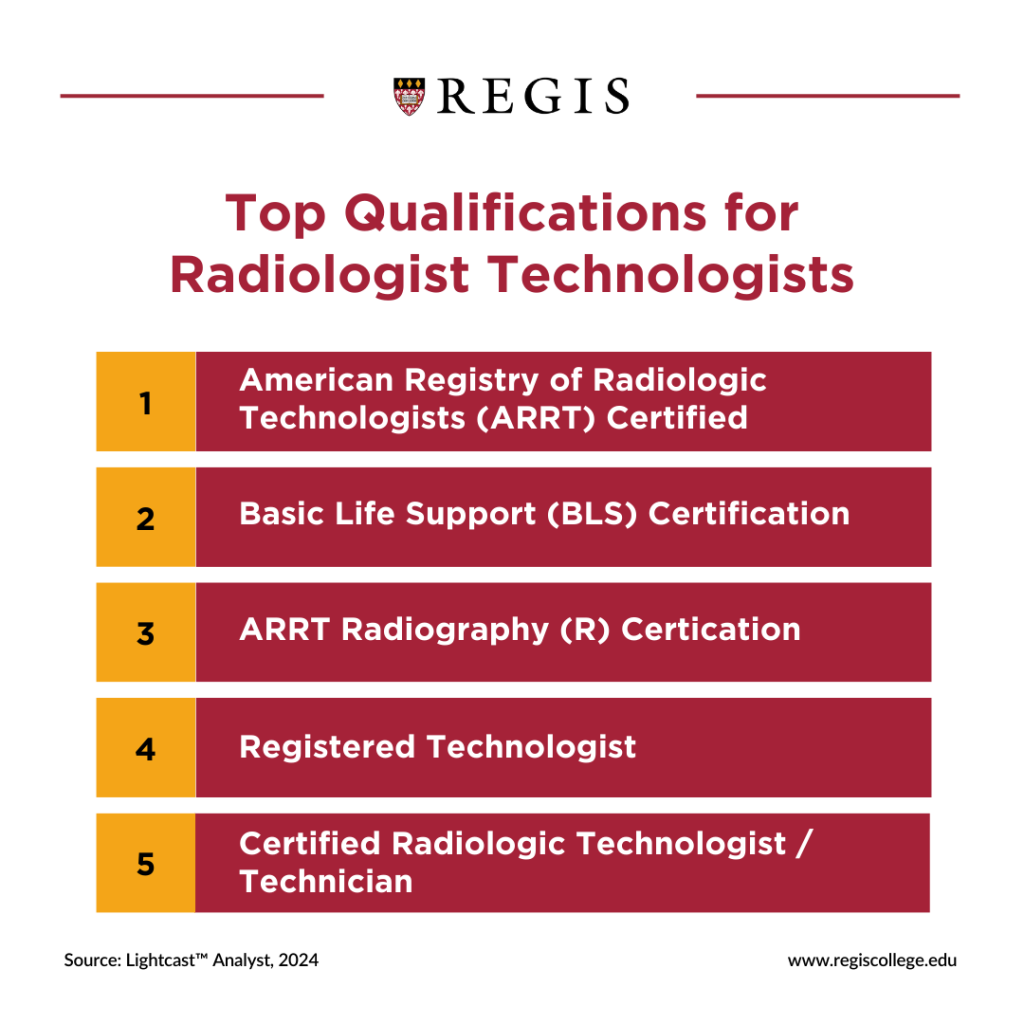
Certification proves your skills and knowledge to employers. The American Registry of Radiologic Technologists (ARRT) is the main certifying body. To earn certification, complete an accredited program and pass the ARRT exam. State licenses may also be required depending on location. Continuing education helps maintain certification and stay updated.
Training And Licensing
Training and licensing are key steps to become a skilled X-ray technician. Proper education and hands-on practice prepare you for real work. Licensing ensures you meet safety and skill standards. Understanding these steps helps you plan your career path clearly.
Clinical Experience
Clinical experience gives practical skills in a real medical setting. You learn to operate X-ray machines safely and follow health rules. This training happens during your education program at hospitals or clinics. It helps build confidence and improves your ability to handle patients. Supervisors guide you to apply what you learned in class.
Licensing Exams
Licensing exams test your knowledge and skills as an X-ray tech. Each state or country may have different exam requirements. Most exams include written and practical parts. Passing these exams shows you understand safety and technical procedures. A license allows you to work legally and gain trust from employers.
Continuing Education
Continuing education keeps your skills updated and sharp. Technology and medical rules change often. You may need to take courses or attend workshops regularly. This learning helps you stay safe and provide better care. Many places require continuing education to renew your license.
Job Search Tips
Searching for a job as an X-ray tech can feel overwhelming, but focusing on key areas can make a real difference. Your approach to the job hunt should be strategic and tailored to highlight your skills and experience. Let’s look at how you can sharpen your resume, prepare for interviews, and build valuable connections.
Resume Building
Your resume is your first impression. Keep it clear and focused on your technical skills and certifications, like your ARRT certification or clinical experience.
Use bullet points to list your responsibilities and achievements in previous roles. Quantify your impact when possible — such as the number of patients you assisted daily or the types of imaging equipment you mastered.
Don’t forget to include soft skills like communication and teamwork, which are crucial in healthcare settings. Tailor your resume to each job by matching keywords from the job description.
Interview Preparation
Interviews can be nerve-wracking, but preparation makes you confident. Research common questions for X-ray tech roles, such as how you handle patient care or troubleshoot equipment issues.
Practice your answers out loud. This helps you sound natural and clear. Also, prepare a few questions to ask the interviewer about the team or workplace culture — it shows you’re genuinely interested.
Remember to dress professionally and arrive on time. Simple things like these set a positive tone before the interview even begins.
Networking Strategies
Building connections can open doors you didn’t know existed. Attend local healthcare job fairs, join professional groups like the American Society of Radiologic Technologists, or connect with alumni from your training program.
Don’t hesitate to reach out to X-ray techs or radiologists on LinkedIn. A polite message asking for advice or insight can lead to mentorship or job leads.
Think about your network beyond healthcare professionals too. Friends, family, or acquaintances might know someone looking to hire. Are you making the most of these hidden opportunities?
Career Growth
Career growth for X-ray technicians offers many paths. Expanding skills and knowledge leads to better job roles. Opportunities arise in various areas within radiologic technology. Advancing your career means more responsibility and higher pay.
Specializations
Specializing helps you stand out in the field. Common areas include:
- Mammography
- Computed Tomography (CT)
- Magnetic Resonance Imaging (MRI)
- Radiation Therapy
- Bone Densitometry
Each specialization requires extra training and skills. Employers value techs with focused expertise.
Advanced Certifications
Certifications improve your credibility and knowledge. They prove your skills beyond basic qualifications. Examples include:
- Advanced Cardiac Life Support (ACLS)
- Computed Tomography Certification
- Magnetic Resonance Imaging Certification
- Quality Management Certification
These certifications open doors to new roles and higher salaries.
Leadership Roles
Experience and skills can lead to leadership positions. Roles include:
- Lead X-ray Technician
- Department Supervisor
- Radiology Manager
- Clinical Instructor
Leaders guide teams and manage daily operations. They help improve patient care and workflow.

Credit: www.cambridgehealth.edu
Salary And Benefits
Understanding the salary and benefits of an X-ray tech role is crucial before you commit to this career path. It directly affects your quality of life and job satisfaction. Let’s break down what you can expect in terms of pay, job stability, and work-life balance.
Average Pay
The average salary for an X-ray tech varies depending on location, experience, and employer type. In the U.S., you can expect to earn between $50,000 and $70,000annually. Urban areas and specialized hospitals tend to offer higher wages.
Consider your living expenses when evaluating salary offers. Sometimes a lower salary in a less expensive area can give you a better quality of life. Have you thought about where you want to live and work long term?
Job Outlook
The demand for X-ray techs is growing steadily. Aging populations and advances in medical imaging technology increase the need for skilled professionals. The U.S. Bureau of Labor Statistics projects a growth rate of about 9% over the next decade, which is faster than average for all occupations.
This growth means more job openings and opportunities for advancement. If job security is important to you, this career shows promising potential. Are you ready to keep your skills updated to stay competitive?
Work-life Balance
Work schedules for X-ray techs can vary widely. Some work standard 9-to-5 shifts, while others might have to cover nights, weekends, or be on call. This flexibility can be a benefit or a challenge depending on your personal preferences.
Many X-ray techs find ways to balance their shifts with family and hobbies. Negotiating your schedule or choosing facilities with predictable hours can improve your work-life balance. What kind of schedule will help you stay energized and focused?
Challenges And Rewards
Becoming an X-ray tech comes with its unique set of challenges and rewards that shape your daily work experience. Understanding these aspects helps you prepare better for what lies ahead and appreciate the impact you make. The journey tests your resilience but also offers deep job satisfaction and meaningful connections with patients.
Common Obstacles
One challenge you’ll face is the physical demand. Standing for long hours and handling heavy equipment can strain your body. It’s important to build stamina and practice good ergonomics to avoid injury.
Another obstacle is dealing with anxious or uncooperative patients. You need patience and strong communication skills to calm fears and get clear images. Sometimes, you must think quickly to adjust procedures without compromising safety.
Keeping up with constantly evolving technology is also tough. You must stay updated through continuous learning and training. Falling behind can affect your efficiency and the quality of care you provide.
Job Satisfaction
The feeling of mastering complex equipment and procedures brings a strong sense of achievement. Each successful scan confirms your skill and dedication. You’ll find pride in being a crucial part of the healthcare team.
Working in diverse settings, from hospitals to clinics, keeps the job interesting. The variety of cases challenges you to adapt and grow constantly. Seeing your progress over time can be highly motivating.
Many X-ray techs enjoy a stable career with competitive pay and benefits. This financial security allows you to focus more on your work and personal life. How important is job stability when you consider your future?
Impact On Patients
Every image you capture directly influences a patient’s diagnosis and treatment plan. Your accuracy can speed up recovery and even save lives. This responsibility makes your role deeply meaningful.
Patients often remember the care and reassurance you provide during stressful moments. Your kindness can ease their anxiety and improve their overall experience. Have you thought about how a simple smile or calm voice changes someone’s day?
Building trust with patients encourages them to cooperate fully, leading to better results. Knowing you make a difference beyond the technical side can be incredibly rewarding. What part of patient care will you focus on to stand out as an X-ray tech?
Credit: www.regiscollege.edu
Credit: www.concorde.edu
Frequently Asked Questions
What Education Is Required To Become An X-ray Tech?
You need a high school diploma and an accredited radiologic technology program certificate or associate degree. This education prepares you with essential knowledge and skills for X-ray technology.
How Long Does It Take To Become An X-ray Technician?
Typically, it takes 1 to 2 years to complete an accredited X-ray tech program. Additional time may be needed for certification and licensing.
What Certifications Are Needed For X-ray Techs?
Most employers require certification from the American Registry of Radiologic Technologists (ARRT). Some states also require a state license to practice legally.
What Skills Are Essential For An X-ray Technician?
Important skills include attention to detail, communication, technical proficiency, and patient care. These help ensure accurate imaging and patient safety.
Conclusion
Becoming an X-ray tech takes dedication and clear steps. Start with proper education and training. Gain hands-on experience through internships or clinics. Obtain the required license to work legally. Keep learning to stay updated in the field. This career offers good job stability and growth.
Helping patients and working with technology feels rewarding. Choose this path if you enjoy science and care for others. The journey may be challenging but worth the effort. Take one step at a time, and success will follow.