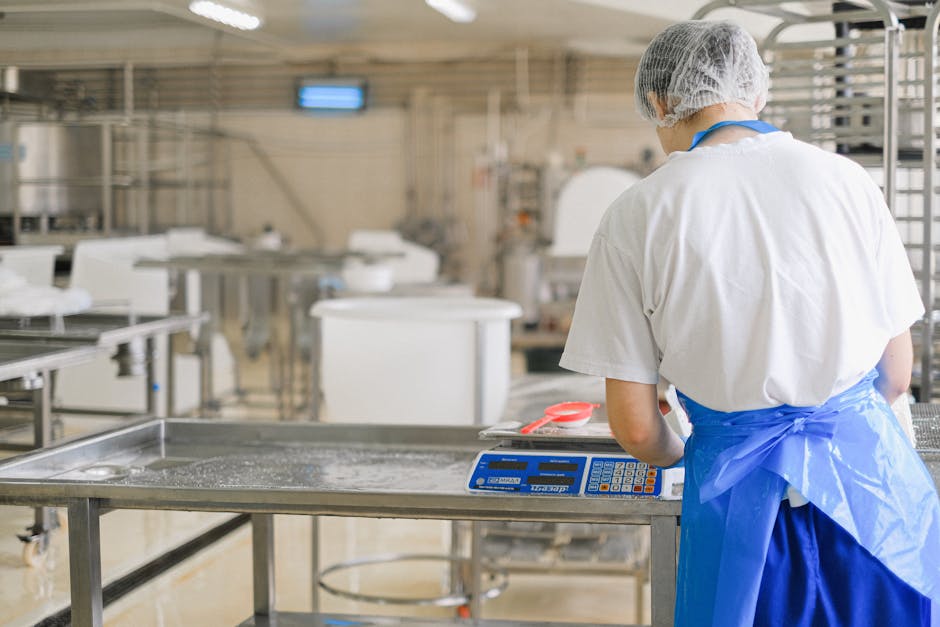
Are you interested in a career that plays a vital role in healthcare but often goes unnoticed? Becoming a Sterile Processing Tech could be the perfect path for you.
This job puts you at the heart of patient safety, ensuring that medical tools are clean and ready for use. If you want a steady career with meaningful work and clear steps to get started, keep reading. By the end of this article, you’ll know exactly how to become a Sterile Processing Tech and take the first step toward making a real difference.
Role Of A Sterile Processing Tech
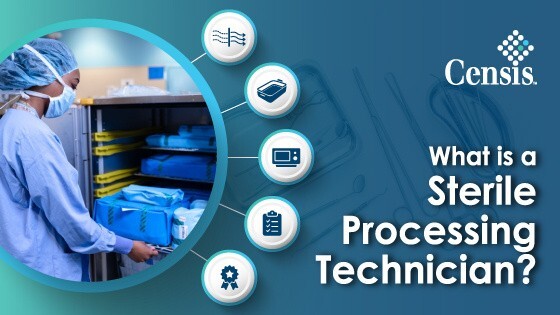
The role of a Sterile Processing Tech is vital in healthcare settings. They ensure that all surgical instruments and medical tools are clean and safe. Their work helps prevent infections and protects patients during surgeries and procedures. These professionals support doctors and nurses by keeping the equipment in perfect condition.
Daily Responsibilities
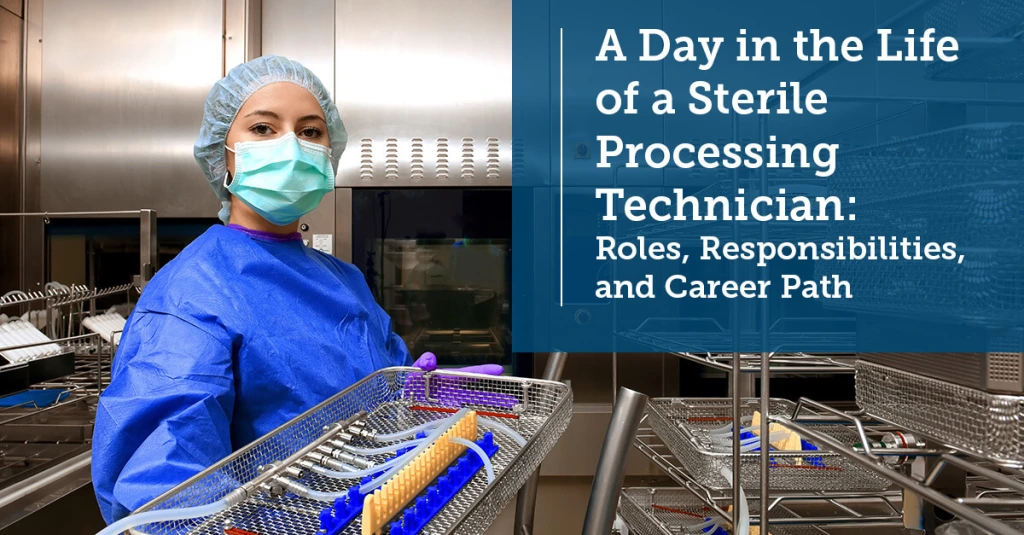
- Clean and sterilize surgical instruments carefully.
- Inspect tools for damage or wear before use.
- Package instruments properly to maintain sterility.
- Manage inventory of medical supplies and equipment.
- Follow strict safety and hygiene protocols at all times.
- Record sterilization cycles and maintain detailed logs.
- Work closely with surgical teams to meet their needs.
Work Environment
Sterile Processing Techs usually work in hospitals, clinics, or surgical centers. The environment is clean, controlled, and follows health regulations. Techs spend most time standing and handling equipment. Shifts may vary, including nights or weekends. Teamwork and clear communication are important in this setting.
Key Skills Needed
- Attention to detail to avoid errors.
- Good hand-eye coordination for handling instruments.
- Ability to follow strict procedures and guidelines.
- Strong organization skills to manage supplies well.
- Basic knowledge of medical terminology.
- Physical stamina to stand and move for long hours.
- Communication skills to work with healthcare staff.
Education Requirements
Education is the first step to becoming a sterile processing technician. This role requires a solid foundation in basic science and health practices. Training ensures technicians understand how to clean and sterilize medical tools properly. Clear knowledge helps keep patients safe and prevents infections.
High School Diploma Or Equivalent
A high school diploma or GED is the minimum education needed. This basic education provides essential skills in reading, writing, and math. These skills help you follow instructions and document your work correctly. Many employers require this level of education before hiring.
Relevant Courses And Training
Courses in biology, chemistry, and health sciences are helpful. They provide a better understanding of infection control and sterilization methods. Some schools offer specific training for sterile processing. Hands-on practice is important to learn how to handle surgical instruments safely.
Certification Programs
Certification shows you meet industry standards and have proper skills. Common certifications include the Certified Registered Central Service Technician (CRCST). These programs often include classroom learning and exams. Getting certified can improve job opportunities and prove your expertise.
Certification And Licensing
Certification and licensing are vital for sterile processing technicians. They prove your skills and knowledge. Hospitals and clinics prefer certified techs to ensure patient safety. Certification boosts your job chances and salary potential.
Common Certifications
- Certified Registered Central Service Technician (CRCST)
- Certified Instrument Specialist (CIS)
- Certified Healthcare Central Service Technician (CHCST)
- Certified Sterile Processing and Distribution Technician (CSPDT)
These certifications come from recognized organizations. Each focuses on different skill levels and specialties.
Certification Process
Begin by meeting education and experience requirements. Most programs require a high school diploma and training. Complete a sterile processing training course or apprenticeship.
Next, apply for the exam. The test covers instrument identification, sterilization methods, and safety rules. Study guides and practice tests help prepare. Passing the exam earns your certification.
Renewal And Continuing Education
Certification lasts a few years, usually two to three. Renewal needs proof of continuing education or re-examination. Continuing education keeps you updated on new methods and rules.
Attend workshops, online courses, or seminars. Keep records of all training. Staying certified shows your commitment and expertise.
Credit: censis.com
Gaining Practical Experience
Gaining practical experience is a crucial step on your journey to becoming a skilled sterile processing technician. Hands-on work not only builds your confidence but also sharpens the technical skills that textbooks alone can’t teach. By immersing yourself in real-world settings, you get to see the daily challenges and problem-solving needed in this vital healthcare role.
Internships And Externships
Internships and externships offer a structured way to learn on the job while still under supervision. These programs usually last a few weeks to several months and give you exposure to sterilization procedures, instrument handling, and hospital protocols.
During my internship, I learned how critical attention to detail is when sterilizing surgical tools—one missed step can lead to contamination. Ask yourself: Are you ready to follow strict guidelines every day? These experiences reveal if you have the discipline and dedication the role demands.
On-the-job Training
Many sterile processing technicians start by learning directly in the workplace, often through entry-level positions like a sterile processing aide. This method allows you to gain skills gradually, with immediate feedback from experienced staff.
On-the-job training teaches you how to prioritize tasks and manage time efficiently in a fast-paced environment. You’ll discover the importance of teamwork and communication, which are just as crucial as technical know-how.
Volunteering Opportunities
Volunteering in healthcare settings can be a valuable way to gain experience if formal programs aren’t available. Even roles that don’t directly involve sterile processing can help you understand hospital operations and build your professional network.
Volunteering shows initiative and commitment to your future career. Have you considered how volunteering could open doors to hands-on learning and mentorship? It’s often the first step toward earning trust and responsibility in a clinical environment.
Job Search Strategies
Searching for a job as a Sterile Processing Technician requires more than just submitting applications. You need strategies that highlight your skills and connect you with the right people. Focusing on your resume, networking, and interview skills can increase your chances of landing the role you want.
Building A Strong Resume
Your resume is your first impression. Make sure it clearly lists your Sterile Processing Technician certification, relevant training, and hands-on experience.
Use bullet points to describe your skills, such as sterilization techniques, equipment handling, and infection control practices. Quantify your achievements when possible, like “Processed 200+ surgical instruments daily with 99% accuracy.”
Tailor your resume for each job by including keywords from the job description. This helps your resume pass through automated screening systems.
Networking Tips
Who you know can be just as important as what you know. Connect with professionals in healthcare facilities and sterile processing departments on LinkedIn and local job groups.
Attend healthcare job fairs and industry seminars. These events give you direct access to hiring managers and insider information on job openings.
Consider joining professional organizations related to sterile processing. Members often share job leads and offer mentorship opportunities.
Interview Preparation
Prepare for your interview by researching the facility and understanding its sterile processing protocols. This shows your genuine interest and readiness.
Practice answering common interview questions like, “How do you ensure the sterility of surgical instruments?” Be ready to share real examples from your experience.
Don’t forget to prepare thoughtful questions to ask the interviewer. Asking about team dynamics or training programs can leave a strong impression.
Advancement Opportunities
Advancement opportunities in sterile processing tech roles extend far beyond entry-level tasks. As you gain experience, you can choose to deepen your expertise or step into leadership positions. These options allow you to shape your career based on your strengths and interests.
Specializations
Focusing on a specialization helps you stand out. You might concentrate on areas like endoscopy, surgical instrument repair, or sterilization quality control. Each specialty requires unique skills and knowledge, opening doors to higher pay and greater responsibility.
Think about which part of your job excites you most. Could mastering complex equipment or ensuring patient safety through better sterilization be your next goal?
Leadership Roles
Leadership roles in sterile processing include positions like team lead, supervisor, or department manager. These roles involve coordinating staff, managing schedules, and maintaining compliance with health standards. Leadership can sharpen your communication skills and enhance your impact on the entire healthcare team.
Have you considered how your problem-solving skills could improve your department’s efficiency? Leading a team might be the perfect way to test those abilities.
Continuing Education Paths
Continuing education is key to career growth. Certifications such as Certified Registered Central Service Technician (CRCST) or Certified Instrument Specialist (CIS) add credibility. You can also pursue courses in healthcare management or quality assurance to broaden your expertise.
Are you ready to invest time in courses that will increase your job security and open new career paths? Ongoing learning keeps your skills sharp and makes you a valuable asset.
Challenges In Sterile Processing
Sterile processing is a vital role in healthcare. It ensures tools and equipment are safe for use in surgeries and procedures. The job comes with many challenges that require focus and care. Understanding these challenges can help prepare for the role better.
Common Workplace Issues
Workplace issues in sterile processing can include:
- Repetitive tasks that cause fatigue
- High volume of instruments to clean and sterilize
- Limited staffing during busy hours
- Communication gaps with medical staff
- Handling delicate instruments carefully
These challenges can slow down work and increase errors.
Handling Stress
Stress is common in sterile processing jobs. The need for accuracy and speed adds pressure. Mistakes can lead to serious patient risks. Managing stress means:
- Taking short breaks during shifts
- Using deep breathing techniques
- Staying organized and focused
- Seeking support from coworkers
- Maintaining a healthy work-life balance
Maintaining Safety Standards
Safety is the top priority in sterile processing. Strict rules must be followed to prevent infection. Workers must:
- Use proper cleaning and sterilization methods
- Wear personal protective equipment (PPE)
- Inspect instruments for damage before use
- Follow hospital protocols carefully
- Keep detailed records of sterilization cycles
Failing to maintain safety standards can harm patients and staff.
Salary Expectations
Understanding the salary expectations for a Sterile Processing Technician can help you plan your career path wisely. Knowing what you can earn at different stages and what influences your pay ensures you make informed decisions about training and job opportunities.
Entry-level Pay
Starting salaries for Sterile Processing Technicians usually range between $30,000 and $40,000 per year. This depends on the location and type of healthcare facility you work for. Entry-level roles often come with training on the job, which helps you gain skills while earning.
Early in your career, your pay might seem modest, but it reflects the specialized skills you are developing. Are you prepared to invest time in learning to increase your value and boost your income?
Factors Affecting Salary
Your salary can increase based on several key factors. Experience plays a major role—more years on the job often mean higher pay. Certification and additional training can also raise your earning potential significantly.
- Location: Urban hospitals usually pay more than rural clinics.
- Facility type: Larger hospitals tend to offer higher salaries than smaller outpatient centers.
- Shift differentials: Night or weekend shifts often come with extra pay.
Consider these elements when evaluating job offers. Will you choose a location or schedule that fits both your lifestyle and financial goals?
Benefits And Perks
Besides salary, many employers offer valuable benefits that add to your overall compensation. Health insurance, retirement plans, and paid time off are common perks in healthcare settings. Some facilities also provide tuition reimbursement or support for further certification.
These benefits can make a significant difference in your job satisfaction and long-term financial security. What benefits matter most to you as you plan your career in sterile processing?
Future Of Sterile Processing Techs
The future of sterile processing techs holds many exciting possibilities that can shape your career in meaningful ways. The role is evolving rapidly, influenced by changes in healthcare needs and advancements in technology. Understanding these shifts can help you stay ahead and make smart choices for your professional path.
Industry Trends
The demand for sterile processing techs is growing as healthcare facilities expand and focus more on patient safety. You’ll notice more hospitals adopting stricter infection control standards, which increases the need for skilled techs who follow protocols precisely.
More job roles now require certification and ongoing education. Are you ready to commit to continuous learning to stay competitive? Employers value techs who can adapt and meet new regulations quickly.
Technological Advances
New sterilization equipment and tracking software are becoming standard in many facilities. These tools help reduce errors and speed up the sterilization process, allowing you to work more efficiently.
Imagine using automated washers or RFID tagging systems to track instruments accurately. Getting comfortable with these technologies will make your daily tasks smoother and showcase your value to employers.
Job Market Outlook
The job market for sterile processing techs is strong and expected to grow steadily. Hospitals, surgery centers, and outpatient clinics all need reliable techs to keep their equipment safe and ready.
You might find opportunities beyond traditional hospitals, such as in dental offices or biotech companies. What kind of workplace fits your skills and lifestyle best? Exploring different settings can open new doors and keep your work interesting.

Credit: www.tiktok.com
Credit: www.hirecruiting.com
Frequently Asked Questions
What Does A Sterile Processing Tech Do?
A sterile processing tech cleans, sterilizes, and organizes surgical instruments. They ensure equipment is safe and ready for surgeries. Their role is crucial in preventing infections and maintaining hospital hygiene standards. They work closely with surgical teams to ensure smooth operation procedures.
How Long Does Training Take?
Training for sterile processing techs usually takes 3 to 12 months. Programs may include classroom instruction and hands-on practice. Certification exams follow training, which enhances job prospects. Continuing education is often required to stay updated with industry standards and practices.
Do Sterile Processing Techs Need Certification?
Certification is not mandatory but highly recommended for sterile processing techs. It improves job opportunities and demonstrates expertise. Certification exams are offered by organizations like CBSPD and IAHCSMM. Many employers prefer certified techs as they assure quality and compliance with healthcare regulations.
What Skills Are Required For This Role?
Sterile processing techs need attention to detail, organization, and communication skills. They must handle equipment safely and follow sterilization protocols. Technical knowledge of surgical instruments is essential. Problem-solving abilities help address equipment issues promptly, ensuring patient safety and efficiency.
Conclusion
Becoming a sterile processing tech takes focus and care. You need to learn the right skills and follow safety rules. Training programs help you gain knowledge and hands-on experience. The job is important for patient health and safety. With patience and hard work, you can build a steady career.
Keep practicing to improve every day. This role offers a chance to work in healthcare without being a nurse or doctor. Start your journey today and make a real difference.