
Are you interested in a career that combines technology, healthcare, and hands-on patient care? Becoming a Cath Lab Tech might be the perfect choice for you.
This role puts you at the heart of life-saving procedures, helping doctors diagnose and treat heart conditions. But how do you start? What skills do you need? And what does the path look like? Keep reading to discover clear, simple steps that will guide you toward becoming a skilled and confident Cath Lab Tech.
Your future in this exciting field begins here.
Role Of A Cath Lab Tech
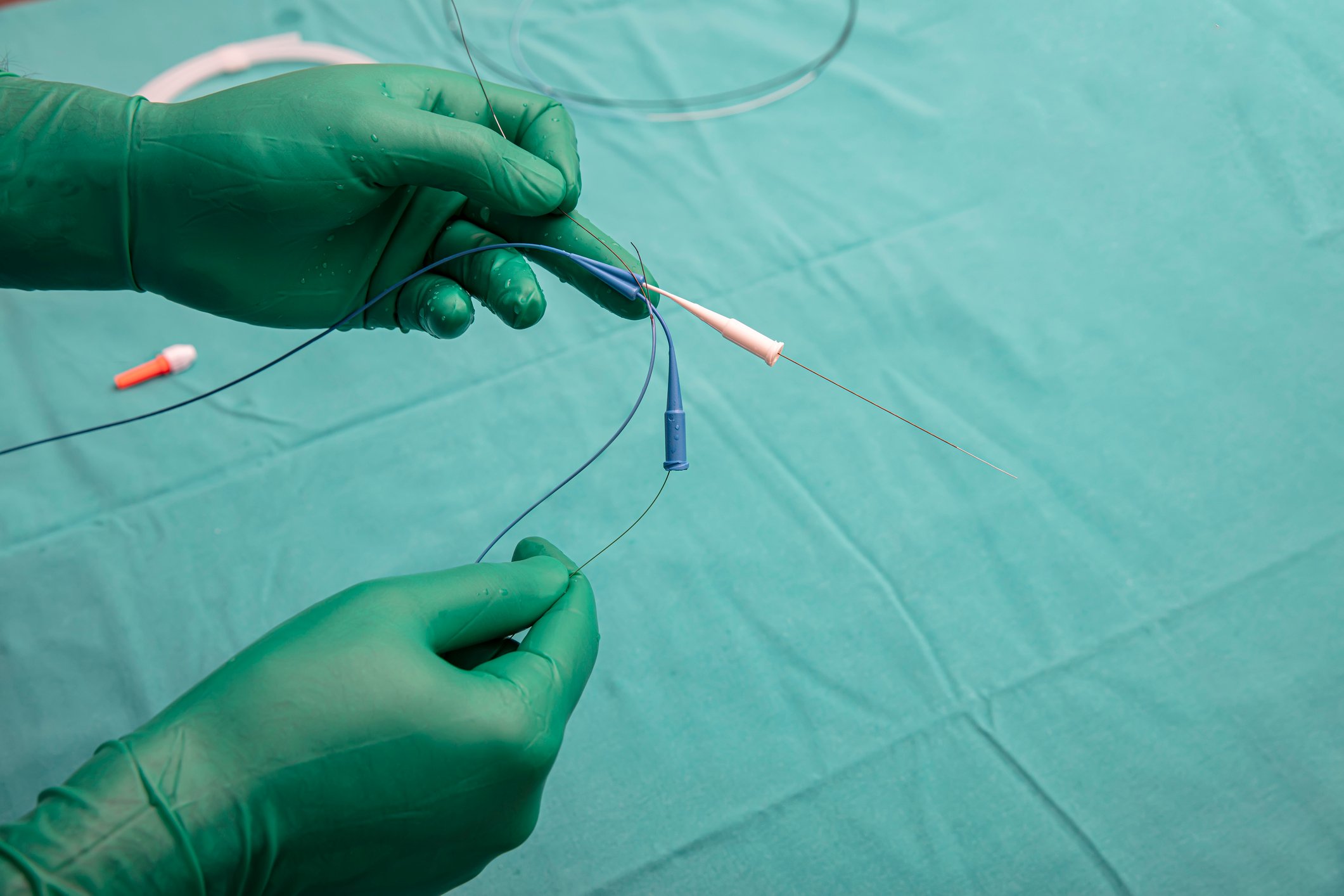
The role of a Cath Lab Tech is vital in cardiac care. These professionals assist doctors during heart procedures. They operate specialized equipment to capture images of the heart. Their work helps diagnose and treat heart conditions quickly and safely.
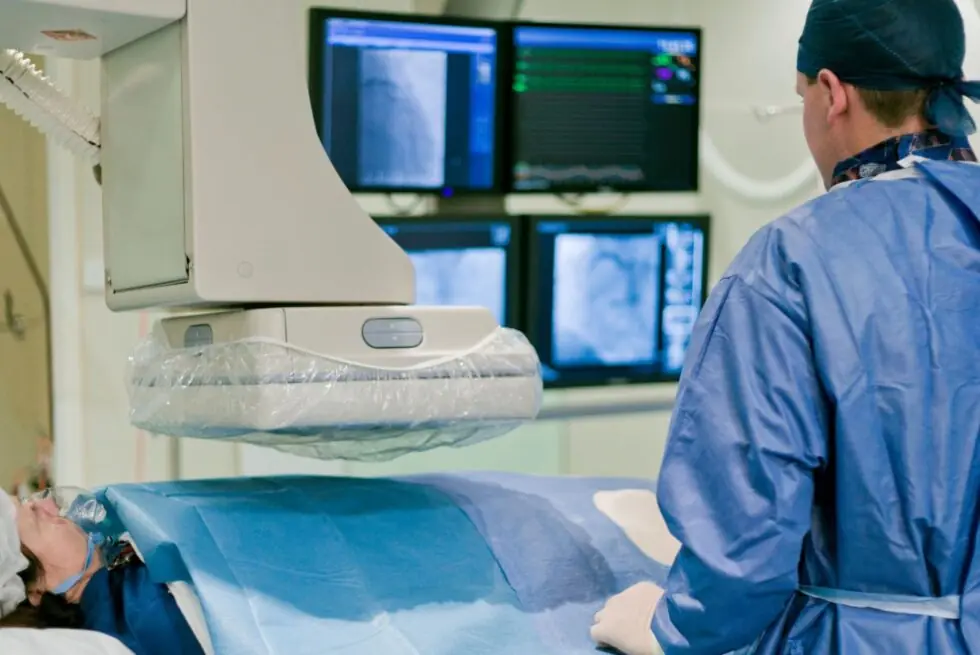
Cath Lab Techs work closely with cardiologists and nurses. Their focus is on patient safety and precise operation of medical tools. They prepare the lab, monitor patients, and maintain equipment. This role demands attention to detail and steady hands.
Key Responsibilities
- Assist doctors during cardiac catheterization and other procedures
- Operate X-ray and imaging equipment to capture heart images
- Prepare and sterilize instruments and work area
- Monitor patient’s vital signs during procedures
- Maintain detailed records of procedures and patient data
- Ensure safety protocols are followed strictly
- Help with patient positioning and comfort
Work Environment
Cath Lab Techs work in hospital cardiac catheterization labs. These labs have advanced imaging and monitoring technology. The environment is clean, controlled, and fast-paced. Techs often work closely with a medical team during urgent cases. Shifts can include nights and weekends to cover emergencies.
Skills Required
- Strong knowledge of cardiac anatomy and physiology
- Ability to operate complex imaging equipment
- Good hand-eye coordination and manual dexterity
- Attention to detail and ability to follow instructions
- Clear communication skills for teamwork and patient care
- Calmness under pressure during emergencies
- Basic computer skills for recording patient data
Credit: www.amnhealthcare.com
Educational Pathways
The journey to becoming a Cath Lab Tech begins with understanding the educational pathways available. This career requires a strong foundation in science and technical skills, which you can build through specific courses and certifications. Knowing where to start and what to focus on will set you on the right track toward working in a cardiac catheterization lab.
High School Preparation
Your high school years are crucial for laying the groundwork. Focus on classes like biology, chemistry, and physics to develop a solid understanding of human anatomy and medical principles.
Math courses, especially algebra and statistics, will also help sharpen your problem-solving skills, essential in a fast-paced lab environment.
Don’t overlook opportunities for hands-on experience, such as volunteering at hospitals or shadowing healthcare professionals, to get a real feel for the field.
Relevant Degree Programs
After high school, look for degree programs that specialize in cardiovascular technology, radiologic technology, or cardiovascular sonography. These programs typically offer both classroom learning and clinical practice.
Associates degrees are common and can take about two years, but some choose bachelor’s degrees to deepen their knowledge and improve job prospects.
Consider schools that provide direct access to cath lab internships or have partnerships with medical facilities for practical experience. This exposure is invaluable when you start working.
Certification Options
Certification is key to proving your competence and increasing your employability. The Cardiovascular Credentialing International (CCI) offers the Certified Cardiographic Technician (CCT) credential, which many employers prefer.
Another respected certification is the Registered Cardiovascular Invasive Specialist (RCIS) from the Cardiovascular Credentialing International, which requires passing an exam and clinical experience.
Ask yourself: Are you ready to commit to ongoing education? Certifications often require renewal and continuing education, keeping your skills sharp and up to date with new technologies.
Gaining Practical Experience
Gaining practical experience is crucial to becoming a competent Cath Lab Tech. Hands-on learning helps you understand the real-world demands of the job and builds confidence in your skills. Without practical exposure, even the best theoretical knowledge can fall short during critical moments in the cath lab.
Clinical Training
Clinical training places you directly in a healthcare setting where you observe and assist experienced professionals. This exposure lets you apply textbook knowledge to actual procedures, such as angiograms and catheter insertions.
During clinical training, focus on mastering equipment setup and patient monitoring. Ask questions about why certain steps are taken—this deepens your understanding beyond routine tasks.
Internships And Externships
Internships and externships offer structured opportunities to work under supervision while handling increasing responsibilities. These programs often provide a chance to rotate through different departments, broadening your perspective on cardiovascular care.
Look for internships that offer feedback sessions. Honest evaluations help you identify strengths and areas needing improvement, sharpening your skills before you enter the workforce full-time.
On-the-job Learning
Once employed, on-the-job learning becomes your main source of growth. Every procedure offers a new challenge, and adapting to unexpected situations builds your problem-solving abilities.
Stay proactive by volunteering for diverse cases and continuously reviewing protocols. How do you handle pressure when a procedure doesn’t go as planned? Reflecting on these moments turns experience into expertise.
Certification And Licensing
Certification and licensing play a crucial role in becoming a successful Cath Lab Tech. These credentials prove your knowledge and skills to employers and patients alike. They also ensure that you meet the standards required for safety and quality care in the cath lab environment.
National Certification Exams
Passing a national certification exam is often the first big step on your journey. The most recognized credential is the Registered Cardiovascular Invasive Specialist (RCIS) certification offered by Cardiovascular Credentialing International (CCI).
This exam tests your understanding of cardiac anatomy, catheterization procedures, and patient care. Preparing for it requires focused study and hands-on experience. Have you thought about how you’ll balance work, study, and practice to pass this challenging test?
State Licensing Requirements
Licensing rules vary by state, so you need to know the requirements where you plan to work. Some states require specific licenses or registrations beyond national certification. Others might demand continuing education or practical experience hours.
Check your state’s health department or licensing board website to find clear guidelines. Staying informed helps you avoid surprises and keeps your career on track. Are you ready to research your state’s specific rules today?
Maintaining Credentials
Certification isn’t a one-time achievement; you must keep it current. Most certifications require renewal every few years, which means completing continuing education credits.
Regularly updating your skills keeps you sharp and aware of the latest techniques and safety protocols. Setting a reminder for your renewal deadlines can save a lot of stress. What ongoing learning opportunities will you pursue to stay certified and confident in your role?
Skills Development
Developing the right skills is key to becoming a successful Cath Lab Tech. This role demands a blend of technical knowledge, clear communication, and sharp thinking. Building these skills helps you handle tasks efficiently and work well with patients and medical teams.
Technical Skills
Technical skills form the backbone of a Cath Lab Tech’s daily work. You must know how to operate imaging machines and use specialized tools safely. Understanding anatomy and medical terminology is essential. Practice in a lab setting improves your ability to assist doctors during procedures.
Communication Skills
Clear communication keeps procedures smooth and safe. You will explain steps to patients and answer their questions kindly. Teamwork depends on sharing information clearly with doctors and nurses. Listening carefully helps avoid mistakes and ensures patient comfort.
Critical Thinking
Critical thinking helps you make quick, smart decisions during procedures. You must spot issues early and adapt to changes fast. Analyzing patient data and equipment readings is part of the job. This skill keeps patients safe and supports doctors in complex situations.
Job Search Strategies
Finding a job as a Cath Lab Tech requires smart strategies. Employers want candidates who are prepared and confident. Focus on presenting your skills clearly. Build connections with professionals in the field. Prepare well to impress during interviews. These steps improve your chances of landing the right job.
Building A Resume
Create a clear and simple resume. Highlight your education and certifications. List experience related to cardiac catheterization. Use bullet points for easy reading. Include key skills like patient care and equipment use. Tailor your resume for each job application.
Networking Tips
Connect with current Cath Lab Techs and healthcare workers. Join professional groups on social media. Attend local health job fairs and workshops. Ask for advice and job leads. Maintain good relationships with instructors and classmates. Networking can open doors to hidden job opportunities.
Interview Preparation
Practice common interview questions aloud. Know basic Cath Lab procedures and safety rules. Dress neatly and arrive early for the interview. Bring copies of your resume and certifications. Show enthusiasm and a willingness to learn. Prepare questions to ask the interviewer about the job.
Career Advancement
Career advancement is key for cath lab techs who want to grow professionally. Progressing in this field opens new opportunities and increases job satisfaction. Building skills and gaining experience allow cath lab techs to take on more responsibilities.
Continuing Education
Continuing education keeps skills up to date. Many employers require ongoing training to meet medical standards. Courses cover new technologies and procedures. Certificates and workshops help cath lab techs stay competitive. Online programs offer flexible learning options. Regular education boosts confidence and improves patient care.
Specialization Options
Cath lab techs can specialize in areas like electrophysiology or interventional cardiology. Specializing makes you more valuable to employers. It often leads to higher pay and better job prospects. Gaining certifications in specific techniques shows expertise. Specialization also allows working with advanced equipment. This path suits techs wanting deeper knowledge in one area.
Leadership Roles
Experienced cath lab techs can move into leadership roles. Supervisors manage teams and coordinate lab activities. Leaders ensure safety protocols and quality standards are met. They train new staff and help with scheduling. Leadership roles require strong communication and problem-solving skills. Taking on these roles enhances career growth and influence.
Credit: www.trustedtalent.com

Credit: skillgigs.com
Frequently Asked Questions
What Does A Cath Lab Tech Do?
A cath lab tech assists cardiologists in diagnosing and treating heart conditions. They operate imaging equipment, monitor patient vitals, and ensure safety during procedures. Their role is crucial in helping doctors make informed decisions and providing quality patient care.
How Long To Become A Cath Lab Tech?
Becoming a cath lab tech typically requires 2-4 years. This includes completing an associate’s degree or certification in cardiovascular technology. Additional on-the-job training and experience may be necessary for specialization.
What Skills Are Needed For Cath Lab Techs?
Cath lab techs need technical skills, attention to detail, and strong communication abilities. They must be proficient in operating medical equipment and understanding cardiovascular procedures. Teamwork and adaptability are also essential in this fast-paced environment.
Is Certification Required For Cath Lab Techs?
Certification enhances job prospects for cath lab techs. It is recommended to obtain certification from recognized bodies like CCI or ARRT. Certification validates your expertise and commitment to the profession.
Conclusion
Becoming a Cath Lab Tech takes hard work and focus. Start with the right education and training steps. Gain experience through internships or entry-level jobs. Keep learning new skills to stay updated. This career offers chances to help patients daily.
Stay determined and patient through the process. Your effort will lead to a rewarding job. Take one step at a time and stay positive. The path may seem long, but it is worth it.