
Are you wondering how long it takes to become a surgical tech? If you’re considering this career, knowing the timeline is key to planning your future.
You want clear answers without confusion or delays. This guide will walk you through the typical steps and timeframes, so you can see exactly what to expect. By the end, you’ll have a solid idea of how soon you can start working in this exciting, hands-on medical role.
Keep reading to discover the path ahead and make your goals a reality.
Surgical Tech Role
The surgical tech plays a vital role in the operating room. They prepare the tools and equipment surgeons need. Their work helps surgeries run smoothly and safely. Attention to detail and quick action matter a lot in this job.
Surgical techs work closely with doctors, nurses, and other staff. They must understand medical terms and procedures well. Their role requires strong focus, steady hands, and good communication skills.
Key Responsibilities
- Prepare operating rooms before surgeries
- Sterilize and arrange surgical instruments
- Assist surgeons during operations by passing tools
- Monitor equipment and supplies during procedures
- Ensure patient safety and comfort
- Follow strict hygiene and infection control rules
- Help clean and restock the operating room after surgery
Work Environment
Surgical techs spend most time in hospitals or surgery centers. Operating rooms are clean but can be busy and fast-paced. The job requires standing for long periods and wearing protective gear.
Work hours may vary. Some shifts include nights, weekends, or holidays. The environment demands teamwork and clear communication. Stress levels can rise during emergency surgeries.
Education Options
Becoming a surgical tech requires specific education and training. Several options exist to prepare for this career. Each path offers different time commitments and depth of knowledge. Choosing the right program depends on your goals and schedule.
Certificate Programs
Certificate programs are the quickest way to start a surgical tech career. These programs usually last 6 to 12 months. They focus on essential skills and knowledge needed in the operating room. Many hospitals and technical schools offer certificate courses. Graduates are ready to take certification exams and begin work fast.
Associate Degree
Associate degrees provide a more in-depth education. These programs take about 2 years to complete. They include both classroom learning and hands-on clinical practice. Many community colleges offer associate degrees in surgical technology. This degree can improve job prospects and allow for further education later.
Bachelor’s Degree
Bachelor’s degrees in surgical technology are less common but available. These programs take about 4 years to finish. They cover advanced medical topics and leadership skills. A bachelor’s degree may open doors to management roles or specialized fields. It also helps those who want to continue in healthcare education or training.
Training Duration
Training duration is a key factor for anyone wanting to become a surgical tech. It defines how long it takes to gain the skills and knowledge needed. The length of training can vary depending on the program and personal pace. Understanding this helps plan your education and career path effectively.
Typical Program Lengths
Most surgical tech programs last between 9 months and 2 years. Certificate or diploma programs often take around 9 to 12 months. These focus on core surgical tech skills and basic medical knowledge.
Associate degree programs usually take about 2 years. They provide more in-depth education and cover general healthcare topics. Many hospitals prefer graduates with an associate degree for surgical tech roles.
Programs include classroom learning, lab practice, and clinical experience. Clinical rotations give real-world exposure in operating rooms. This hands-on training is essential for skill development.
Factors Affecting Completion Time
- Enrollment type: Full-time students finish faster than part-time.
- Program structure: Some schools offer accelerated options.
- Prerequisite courses: Missing prerequisites can extend training time.
- Personal commitments: Work or family duties may slow progress.
- Clinical placement availability: Delays in internships affect completion.
Each factor influences how quickly someone becomes a surgical tech. Planning and choosing the right program can help manage these variables.
Credit: nomadhealth.com
Certification Process
The certification process is a crucial step for anyone aiming to become a surgical tech. It validates your skills and knowledge, proving you are ready for the job. This process includes choosing the right certification body, preparing for the exam, and maintaining your credentials over time.
Certification Bodies
Several organizations offer certification for surgical techs. Each has its own requirements and standards. The most recognized bodies include:
- National Board of Surgical Technology and Surgical Assisting (NBSTSA)
- National Center for Competency Testing (NCCT)
- National Healthcare Association (NHA)
Choosing a reputable body ensures your certification is respected by employers.
Exam Preparation
Preparing for the certification exam takes focus and time. Study materials often cover anatomy, sterilization, and surgical procedures. Practice tests help identify areas needing improvement. Many candidates use review courses or study groups. Regular study sessions improve understanding and confidence.
Maintaining Certification
Certification is not a one-time event. Surgical techs must renew their credentials regularly. This usually involves continuing education and work experience. Some certifications require passing a renewal exam. Keeping certification active shows commitment to the profession and ensures current knowledge.
Clinical Experience
Clinical experience is a vital part of becoming a surgical tech. It bridges the gap between classroom learning and real-world practice. This hands-on training builds confidence and skills needed in the operating room. Without clinical experience, understanding surgical procedures and teamwork is incomplete.
Importance Of Hands-on Training
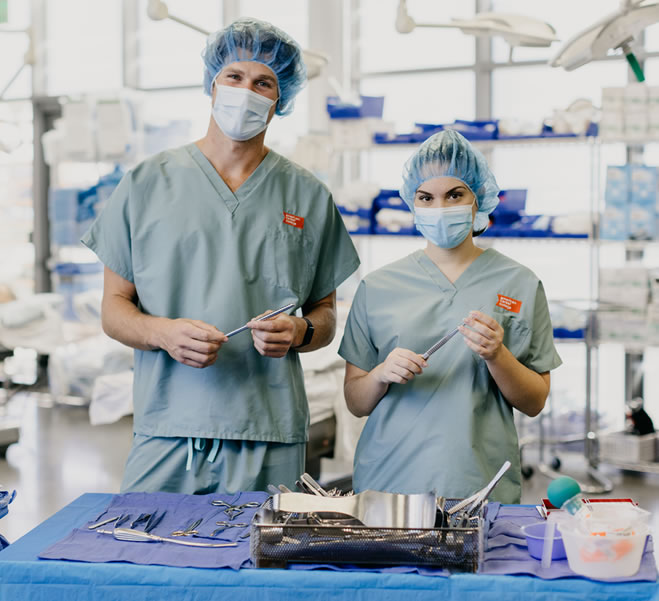
Hands-on training allows surgical tech students to apply what they learn. It helps them understand the sterile environment and safety rules. Students practice passing instruments and preparing the surgical area. This training improves their ability to work under pressure. It also teaches communication with surgeons and nurses. Real experience reduces mistakes during actual surgeries.
Clinical Hours Required
Most surgical tech programs require students to complete clinical hours. These hours vary but usually range from 400 to 600 hours. Clinical hours take place in hospitals or surgical centers. Students observe and assist in real surgeries under supervision. This time helps students gain practical skills and confidence. Completing required hours is necessary to graduate and get certified.
Credit: americancareercollege.edu
Career Advancement
Career advancement as a surgical tech is all about growth and expanding your skills beyond the basics. As you gain experience, you might wonder how to stand out and move up the ladder. The good news is there are clear paths that can help you build a rewarding career in this field.
Specializations
Specializing can set you apart from other surgical techs. You could focus on areas like orthopedic surgery, cardiovascular surgery, or neurosurgery. These specialties often require additional training but can increase your earning potential and job opportunities.
Think about what excites you most in the operating room. Do you enjoy working with delicate instruments during heart surgeries, or do you prefer the fast pace of trauma cases? Choosing a specialization aligns your career with your interests and strengths.
Continuing Education
Continuing education is key to career advancement. Many surgical techs pursue certifications such as the Certified Surgical Technologist (CST) credential to prove their expertise. These certifications can boost your credibility and open doors to higher-paying positions.
Beyond certifications, consider workshops and advanced courses that teach new techniques or technologies. Staying updated not only improves your skills but shows employers your commitment to excellence. Have you thought about what new skills could help you lead a surgical team someday?
Common Challenges
Becoming a surgical tech demands more than just mastering medical procedures; it challenges your ability to juggle multiple responsibilities effectively. The path is filled with obstacles that test your discipline and perseverance. Understanding these common challenges can prepare you to face them head-on and keep your goals within reach.
Time Management
Managing your time well is crucial when training to be a surgical tech. You’ll need to allocate hours for studying complex material, attending classes, and completing clinical rotations.
One practical tip is to create a weekly schedule that blocks out specific study times and stick to it consistently. Prioritize tasks by urgency and difficulty to avoid last-minute cramming or missed deadlines. Have you tried using apps or planners to track your progress and keep distractions at bay?
Balancing Work And Study
Many aspiring surgical techs work part-time or full-time while training. Balancing job responsibilities with coursework can quickly become overwhelming.
Setting clear boundaries between work and study hours helps maintain focus in both areas. Communicate your schedule with your employer and family to gain support and reduce unexpected interruptions. Remember, stretching yourself too thin can harm your performance—know when to say no.

Credit: www.tiktok.com
Typical Timeline Summary
The journey to becoming a surgical tech varies based on the program you choose and your personal pace. Understanding the typical timeline can help you plan better and set realistic expectations. Let’s break down what you can expect from the moment you enroll until you hold your certification.
From Enrollment To Certification
The typical program for surgical technologists lasts about 12 to 24 months. Most community colleges and technical schools offer accredited programs that combine classroom learning with hands-on clinical experience.
After completing coursework, you will usually need to pass a certification exam. Certification bodies like the National Board of Surgical Technology and Surgical Assisting (NBSTSA) require candidates to graduate from an accredited program before sitting for the Certified Surgical Technologist (CST) exam.
Once you pass, you officially become a certified surgical tech, ready to work in operating rooms. The entire process from enrollment to certification can take anywhere between 1 to 2 years depending on full-time or part-time study options.
Tips To Accelerate Path
- Choose an accelerated program:Some schools offer fast-track courses that can be completed in as little as 9 months.
- Prioritize full-time study:Studying full-time reduces the total time to complete your program significantly.
- Prepare early for certification exams:Use practice tests and study groups to boost your confidence and pass on the first try.
- Seek clinical opportunities quickly:Gaining hands-on experience early helps reinforce your skills and may open doors to job offers before graduation.
Have you thought about how you’ll balance study and life? Planning your schedule carefully can make a big difference in how quickly you finish. What strategies will you use to stay on track?
Frequently Asked Questions
What Is The Role Of A Surgical Tech?
A surgical tech assists surgeons during operations by preparing instruments and maintaining a sterile environment. They are crucial for ensuring the safety and efficiency of surgical procedures. They also help in setting up the operating room and assisting with patient care before and after surgery.
How Long Is Surgical Tech Training?
Surgical tech training typically takes 9 months to 2 years. Programs vary but usually include both classroom instruction and hands-on clinical experience. After completing a program, graduates may earn a certificate or associate degree. Certification may be required by employers for better job prospects.
Can You Become A Surgical Tech Online?
Yes, some programs offer online coursework for surgical tech training. However, clinical experience is required and must be completed in person. Online programs may offer flexibility for theoretical learning but practical skills need to be acquired through hands-on training at healthcare facilities.
What Skills Are Needed For Surgical Techs?
Surgical techs need attention to detail, manual dexterity, and strong communication skills. They must be able to follow instructions accurately and work well under pressure. Knowledge of surgical procedures and sterilization techniques is also essential for maintaining a safe environment.
Conclusion
Becoming a surgical tech takes time and effort. Most programs last from one to two years. You learn important skills in school and during hands-on training. After finishing, you can start working in hospitals or clinics. The job can be rewarding and steady.
Keep in mind, success depends on your dedication. This career path is clear and achievable. Stay focused and keep learning. Your goal of becoming a surgical tech is within reach.