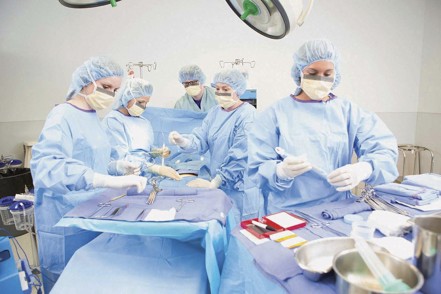
Are you interested in a rewarding career where you play a crucial role in saving lives? Becoming a surgery tech might be the perfect path for you.
Imagine being the person who prepares the operating room, assists surgeons during procedures, and helps ensure every surgery runs smoothly. If that sounds exciting, keep reading. This guide will walk you through the simple steps you need to take to become a skilled surgery tech and start making a real difference in the medical world.
Your future in healthcare starts here.

Credit: www.facebook.com
Role Of A Surgery Tech
The role of a surgery tech is crucial in the operating room. You act as the hands-on support that helps ensure surgeries go smoothly. Your work directly affects patient safety and the efficiency of the surgical team.
Daily Responsibilities
Your day starts by preparing the operating room. You sterilize instruments and set up surgical tools, making sure everything is ready for the procedure.
During surgery, you pass instruments to the surgeon quickly and accurately. You also handle specimens and assist with counting sponges and tools to prevent anything from being left inside the patient.
After surgery, you clean and restock the operating room, preparing it for the next procedure. Your attention to detail here prevents infections and keeps the workflow steady.
Skills Required
- Attention to Detail:Missing a single tool or step can cause complications.
- Manual Dexterity:You need steady hands to handle delicate instruments.
- Communication:Clear, calm communication with surgeons and nurses keeps the team coordinated.
- Stress Management:Operating rooms can be high-pressure environments where staying composed is essential.
Have you ever thought about how your ability to stay calm under pressure could save lives? This skill alone can set you apart in this role.
Work Environment
The operating room is fast-paced and highly controlled. You’ll be on your feet for long hours and need to be physically and mentally prepared.
Teamwork matters here more than anywhere else. You’ll work closely with surgeons, nurses, and anesthesiologists who rely on your support.
Infection control is a top priority, so strict hygiene protocols are part of your daily routine. Your role directly impacts patient outcomes and safety.
Educational Pathways
Becoming a surgery tech requires a clear educational path. This path builds the skills and knowledge needed for the job. Education helps prepare for the tasks in the operating room. Understanding different options can guide you to the right choice. Below are key steps to start your journey.
High School Preparation
Focus on science courses like biology and anatomy. Math classes improve problem-solving skills. Health and medical classes give a good foundation. Join clubs related to health or science if possible. Volunteering in hospitals can provide early experience.
Certificate And Degree Options
Certificate programs offer fast training, usually 9 to 12 months. They teach essential surgery tech skills. Associate degrees take about two years. These include general education and more practice. Both options prepare students for certification exams.
Choosing The Right Program
- Check if the program is accredited by a recognized agency.
- Look for programs with clinical practice in hospitals.
- Compare costs and financial aid availability.
- Consider location and class schedules.
- Read reviews from former students.
Choosing a good program ensures quality education and better job chances.
Certifications And Licensing
Certifications and licensing are key to becoming a surgery tech. These credentials prove your skills and knowledge to employers. They also ensure patient safety and care quality in the operating room. Understanding the certification process and state requirements will help you start your career right.
Certified Surgical Technologist (cst)
The Certified Surgical Technologist (CST) credential is widely recognized. It shows you meet national standards for surgical technology. To earn the CST, you must pass an exam administered by the National Board of Surgical Technology and Surgical Assisting (NBSTSA). The test covers anatomy, surgical procedures, and sterile techniques.
Many employers prefer or require the CST credential. It can improve your job prospects and salary. To qualify for the exam, complete an accredited surgical tech program. Hands-on experience is essential for passing the test.
State Licenses And Requirements
Some states require surgical technologists to hold a license. Licensing rules vary by state. Check your state’s health board or regulatory agency for details. Requirements may include passing the CST exam or completing specific education hours.
Licensing ensures you meet local standards for safe surgical practice. It may involve background checks and application fees. Maintaining your license often requires ongoing education.
Maintaining Certification
Certification is not permanent. The CST credential requires renewal every four years. Renewal involves continuing education and sometimes retaking the exam. This process keeps your skills current and helps you stay aware of new surgical techniques.
Continuing education can include workshops, online courses, or seminars. Keep records of your training to simplify renewal. Staying certified shows your commitment to excellence in surgical technology.

Credit: www.instagram.com
Gaining Practical Experience
Gaining practical experience is a key part of becoming a skilled surgery tech. Hands-on training helps you apply what you learn in class. It builds your confidence and improves your skills. Real-world experience lets you see how an operating room works. This prepares you for the fast pace and teamwork needed in surgery.
Clinical Rotations
Clinical rotations place you in hospitals or surgery centers. You work alongside nurses, surgeons, and other medical staff. This gives you a chance to observe and assist during surgeries. You learn about sterile techniques, handling instruments, and patient care. Clinical rotations also teach you how to stay calm under pressure.
Internships And Externships
Internships and externships offer longer, more involved experiences. You get to practice surgery tech duties with supervision. These programs often connect you with healthcare employers. They help you build professional relationships and gain valuable references. Internships and externships show your commitment to the career.
Volunteering Opportunities
Volunteering is another way to gain experience and skills. Many hospitals welcome volunteers in surgical departments. You can assist with preparing equipment and maintaining cleanliness. Volunteering also improves your communication and teamwork abilities. It demonstrates your passion for helping patients and learning.
Job Search Strategies
Searching for a job as a surgery tech needs focus and smart strategies. Use clear steps to stand out. Your approach should highlight skills and readiness to work in healthcare settings. Each part of the job search matters, from your documents to the way you connect with others. These tips guide you through key areas for success.
Resume And Cover Letter Tips
Create a resume that is simple and easy to read. Use bullet points to list your skills and experience. Show your training and certifications clearly. Tailor your resume for each job application. Write a cover letter that explains why you want the job. Mention your passion for patient care and teamwork. Keep your cover letter short and focused.
Interview Preparation
Practice common interview questions for surgery tech roles. Speak clearly and confidently about your experience. Prepare examples that show your ability to work under pressure. Dress professionally and arrive early. Bring extra copies of your resume. Ask questions about the team and work environment. Show your interest and readiness to learn.
Networking In Healthcare
Meet professionals in hospitals and clinics. Join online groups for healthcare workers. Attend career fairs and local healthcare events. Ask for advice and share your goals. Connect with instructors and former classmates. Building relationships can open doors to job offers. Stay active in your network by following up regularly.
Advancing Your Career
Advancing your career as a surgery tech involves more than just gaining experience in the operating room. It means actively seeking ways to deepen your expertise, take on new challenges, and position yourself for higher responsibilities. How will you choose to grow your skills and stand out in this demanding field?
Specializations In Surgery Tech
Focusing on a specific area of surgery can boost your career and make you more valuable to employers. You might specialize in areas like orthopedic surgery, cardiovascular surgery, or neurosurgery. Each specialization requires learning unique instruments and procedures, which can set you apart from general surgery techs.
Specializing often leads to better pay and more job opportunities. Have you thought about which surgical area excites you the most? Diving deep into one specialty can make your work more fulfilling and open doors to advanced roles.
Continuing Education
Staying updated with the latest surgical techniques and technologies is essential. Many employers prefer surgery techs who take extra courses or earn certifications beyond the basic requirements. This continuous learning shows dedication and keeps your skills sharp.
Consider enrolling in workshops, online courses, or certification programs like the Certified Surgical Technologist (CST). How often do you review new developments in your field? Making learning a habit can keep you ahead in this fast-changing environment.
Leadership Roles
Moving into leadership positions can dramatically change your career trajectory. Roles such as lead surgical technologist or surgical tech supervisor involve managing teams, coordinating schedules, and ensuring smooth operations in the OR. These positions require strong communication and organizational skills.
Taking on leadership tasks can also enhance your problem-solving abilities and boost your confidence. Are you ready to step up and influence how your team works? Leadership roles can be a rewarding way to shape the future of your department and impact patient care.
Challenges And Rewards
Becoming a surgery tech involves facing both challenges and rewards. This career demands skill, focus, and strong dedication. The work environment can be intense, but the chance to help patients makes it worthwhile.
Common Obstacles
Surgery techs often work long, irregular hours. They must stay calm during high-pressure moments. Learning complex surgical tools takes time and practice. Physical stamina is essential for standing long surgeries. Emotional stress can arise from critical situations. Teamwork is vital, but communication barriers may occur.
Job Satisfaction
Helping save lives brings deep fulfillment. Surgery techs see the direct impact of their work. They build strong bonds with surgeons and nurses. The role offers continuous learning and skill growth. Many enjoy the fast-paced, dynamic work setting. Recognition from the medical team boosts morale.
Work-life Balance
Shift work may affect personal routines. Some find it hard to plan family time. Rest days are crucial for mental and physical health. Time management skills help maintain balance. Employers may offer flexible schedules or shift swaps. Setting clear boundaries supports overall well-being.

Credit: tjc.edu
Frequently Asked Questions
What Does A Surgery Tech Do?
A surgery tech assists in surgical procedures by preparing operating rooms, sterilizing equipment, and ensuring patient safety. They work alongside surgeons, nurses, and other medical professionals, facilitating efficient operations. Their role is crucial for maintaining cleanliness and organization during surgeries, contributing to successful outcomes.
How Long Does It Take To Become A Surgery Tech?
Becoming a surgery tech typically requires completing a certificate or associate degree program. These programs can take between 9 months to 2 years. After education, certification through an exam is recommended for better job prospects and credibility in the healthcare field.
Is Certification Necessary For Surgery Techs?
Certification for surgery techs is highly recommended but not mandatory. It enhances job prospects and demonstrates proficiency in surgical technology. Certified surgery techs often have better opportunities and are recognized for their expertise in the field. Certification involves passing a national exam.
What Skills Are Important For Surgery Techs?
Surgery techs need strong attention to detail, manual dexterity, and effective communication skills. They must work well under pressure and follow strict protocols. Technical knowledge of surgical instruments and procedures is crucial, along with the ability to anticipate the needs of the surgical team.
Conclusion
Becoming a surgery tech takes clear steps and strong focus. Study hard and complete the right training programs. Gain hands-on experience to build your confidence and skills. Stay dedicated and keep learning every day. This career offers a chance to help patients and work with medical teams.
Your effort will lead to a rewarding job in healthcare. Take one step at a time. Success is within reach.