
Are you curious about a career that combines technology, healthcare, and helping people? Becoming an X-ray tech might be the perfect choice for you.
You’ll learn how to operate advanced machines that reveal what’s happening inside the body, making a real difference in diagnosing and treating patients. If you want a job with good pay, steady demand, and hands-on work, keep reading. This guide will walk you through every step to become a skilled X-ray technician and start your new career with confidence.
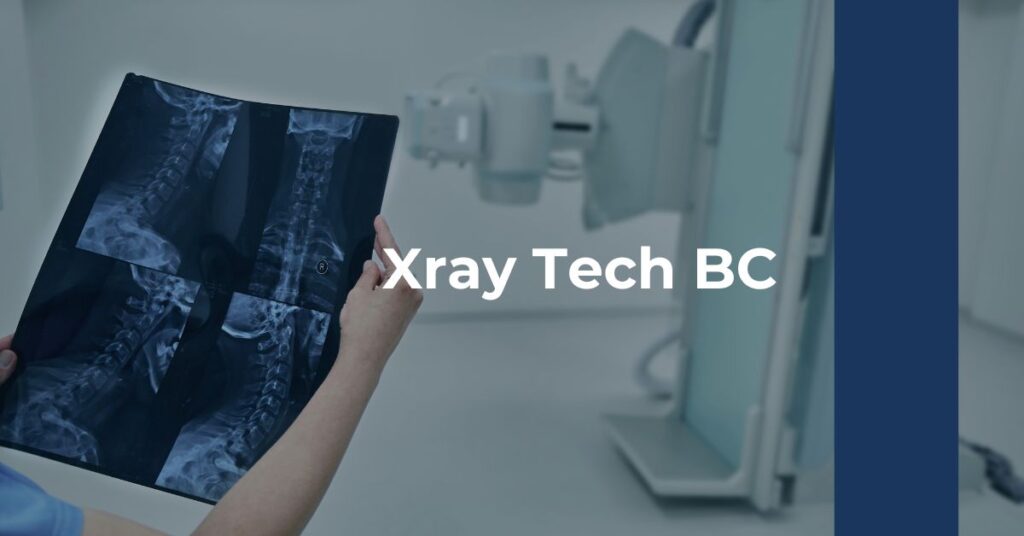
Credit: xrayprep.com
Career Path For X Ray Techs
Choosing a career as an X Ray Tech means stepping into a vital healthcare role that combines technology with patient care. Your career path will shape how you grow professionally and impact the lives you touch daily. Understanding the key areas of this path helps you prepare for what’s ahead and seize opportunities as they come.
Roles And Responsibilities
Your primary duty as an X Ray Tech is to operate imaging equipment to capture internal images of patients. These images help doctors diagnose injuries and illnesses accurately. You’ll also need to position patients correctly, explain procedures clearly, and ensure safety by minimizing radiation exposure.
Beyond taking images, expect to maintain equipment and keep detailed records. Communication skills matter because you’ll work closely with patients who might be anxious or in pain. Have you considered how your ability to stay calm and professional could improve a patient’s experience during an X-ray?
Work Environments
X Ray Techs work in various settings, from hospitals and outpatient clinics to dental offices and urgent care centers. Each environment offers different challenges and learning opportunities. For example, hospital settings often require fast-paced work and handling emergency cases, while clinics might offer more routine schedules.
Some techs find themselves traveling between locations or even working in mobile imaging units. Think about what type of environment suits your personality and lifestyle. Do you prefer a busy hospital atmosphere or the steady rhythm of a private practice?
Job Outlook And Demand
Job opportunities for X Ray Techs are growing steadily due to advances in medical technology and an aging population requiring more diagnostic services. The U.S. Bureau of Labor Statistics projects about 7% growth over the next decade, which is faster than average for all occupations.
This demand means you can expect a range of job openings, competitive salaries, and chances for specialization. Have you thought about how specializing in areas like MRI or CT scans could increase your job prospects and earning potential?

Credit: www.tiktok.com
Educational Requirements
Becoming an X-ray technician requires specific education and training. Understanding these educational steps helps prepare you for the career ahead. The right courses and programs build a solid foundation for your skills.
High School Courses To Focus On
- Biology – Learn about the human body and its systems.
- Physics – Understand basic concepts of radiation and energy.
- Mathematics – Develop problem-solving skills and calculations.
- Chemistry – Gain knowledge of chemical reactions and materials.
- Health Sciences – Explore health-related topics and medical terminology.
Accredited Radiologic Technology Programs
Choose programs accredited by the Joint Review Committee on Education in Radiologic Technology (JRCERT). Accredited programs meet national standards for quality education. They offer hands-on training and clinical experience. Completing an accredited program is essential for certification and licensure.
Associate Vs. Bachelor Degrees
| Degree | Duration | Focus | Career Opportunities |
|---|---|---|---|
| Associate Degree | 2 years | Technical skills and clinical practice | Entry-level X-ray tech positions |
| Bachelor Degree | 4 years | Advanced imaging, management, and research | Leadership roles and specialized fields |
Certification And Licensing
Getting certified and licensed is a crucial step in becoming an X-ray technician. It shows employers and patients that you have the skills and knowledge needed to perform imaging safely and effectively. Knowing the requirements and processes helps you avoid delays and surprises on your career path.
Arrt Certification Process
The American Registry of Radiologic Technologists (ARRT) is the main body that certifies X-ray techs. To earn your certification, you must complete an accredited educational program and pass the ARRT exam. The exam tests your understanding of radiologic procedures, patient care, and safety standards.
You should prepare well by reviewing both theoretical material and practical skills. Many candidates find practice tests helpful to gauge their readiness. Passing this certification often opens doors to better job opportunities and higher pay.
State Licensing Requirements
After certification, most states require a license to practice as an X-ray tech. Licensing rules vary widely, so you need to check the specific requirements in your state. Some states automatically grant a license once you pass the ARRT exam, while others require additional steps like background checks or state exams.
Understanding your state’s process early helps you plan your timeline effectively. Missing a licensing requirement can delay your ability to start work and frustrate your progress. Have you checked your state’s health department website for the latest licensing info?
Maintaining Certification
Certification and licensing aren’t one-time achievements; you must maintain them to keep working legally. The ARRT requires renewing your certification every two years, which involves continuing education and sometimes a renewal fee. This ensures you stay updated on new technology and safety practices.
Many X-ray techs find that ongoing education also improves their confidence and job performance. Scheduling your continuing education early avoids last-minute stress. What new skills or topics could you explore to make your renewal process an opportunity rather than a chore?

Credit: www.tiktok.com
Essential Skills For Success
Becoming a successful X-ray technician requires more than just classroom knowledge. Certain skills play a key role in daily tasks and long-term growth. These skills help provide accurate results and ensure patient safety. Focus on developing these essential skills to excel in your career as an X-ray tech.
Technical Skills
X-ray techs must understand how to operate imaging machines safely. Knowledge of anatomy and positioning techniques is vital. Skills include:
- Operating X-ray and other imaging equipment
- Following safety protocols to protect patients and staff
- Adjusting settings for clear, accurate images
- Using computer software for image processing
- Maintaining and troubleshooting equipment
Communication Skills
Clear communication improves patient comfort and cooperation. It also helps with teamwork in clinical settings. Effective communication involves:
- Explaining procedures simply to patients
- Listening carefully to patient concerns
- Collaborating with doctors and other health staff
- Reporting findings accurately and clearly
Attention To Detail
Precision is crucial in capturing correct images and interpreting results. Missing small details can affect diagnosis. Important aspects include:
- Ensuring correct patient positioning
- Checking image quality before submission
- Following protocols strictly to avoid errors
- Documenting all information accurately
Gaining Practical Experience
Gaining practical experience is essential to become a skilled X Ray Tech. Theory alone cannot prepare you for real-world tasks. Hands-on training helps build confidence and improve technical skills. It also allows you to understand patient care and the use of imaging equipment. Practical experience opens doors to future job opportunities and professional growth.
Clinical Rotations
Clinical rotations offer direct exposure to hospital or clinic settings. During these rotations, students perform X-rays under supervision. This experience helps you learn proper patient positioning and safety protocols. It also teaches how to handle different imaging machines. Clinical rotations provide a safe environment to practice and ask questions.
Internships And Externships
Internships and externships are short-term work programs in healthcare facilities. They provide valuable insights into daily duties of X Ray Techs. Interns often assist with patient care and equipment operation. These programs help build professional relationships with mentors. They also improve your resume and increase job prospects.
Volunteering Opportunities
Volunteering in hospitals or clinics adds extra experience outside formal education. Volunteers support staff by helping with patient transport and administrative tasks. This role improves communication and teamwork skills. It also demonstrates commitment and passion to future employers. Volunteering can sometimes lead to paid positions in the field.
Job Search Strategies
Finding a job as an X Ray Tech takes more than just completing your education and certification. You need focused strategies to stand out in a competitive healthcare job market. Effective job searching means presenting your skills clearly, acing interviews, and connecting with the right people.
Crafting A Winning Resume
Your resume is often the first impression you make on a potential employer. Tailor it to highlight your clinical experience, certifications, and technical skills specific to radiologic technology.
Use bullet points to list your responsibilities and achievements in previous roles. For example, mention if you operated advanced imaging equipment or assisted in patient positioning to improve image quality.
Keep your resume concise—one page is usually enough. Avoid jargon and focus on clear, measurable accomplishments that show your value.
Interview Tips
Interviews can be nerve-wracking, but preparation makes a difference. Practice answering common questions like how you handle patient anxiety or troubleshoot equipment malfunctions.
Show your passion for patient care and attention to detail, which are critical in this field. Bringing examples from your clinical rotations or internships can make your answers more convincing.
Remember to ask your own questions. Inquiring about the team dynamic or opportunities for continuing education shows you’re serious about growth and collaboration.
Networking In Healthcare
Building relationships with professionals in healthcare opens doors that online job boards can’t. Attend industry events, join radiologic technologist associations, and connect with instructors and mentors.
Reach out to local hospitals or clinics and ask about shadowing opportunities or informational interviews. These can lead to job referrals or insights about unadvertised openings.
Have you considered how a simple conversation at a conference could lead to your next job? Networking isn’t just exchanging business cards—it’s about creating genuine professional connections.
Advancement Opportunities
Advancement opportunities in radiologic technology offer many paths. Growth depends on skills, education, and experience. X-ray techs can explore different roles beyond basic imaging. Expanding knowledge opens doors to higher positions and special fields.
Specializations In Radiologic Technology
X-ray techs can specialize in areas like:
- MRI (Magnetic Resonance Imaging)
- CT (Computed Tomography)
- Mammography
- Interventional Radiology
- Bone Densitometry
Specializing allows techs to work with advanced equipment. It also often leads to better pay and job security.
Continuing Education
Continuing education keeps skills sharp and knowledge current. Many employers require ongoing training or certifications. Courses may cover new technology or patient care techniques. Online classes and workshops offer flexible learning options. Staying educated helps techs stay competitive in the job market.
Leadership Roles
Experienced X-ray techs can move into leadership roles. These include:
- Lead Technologist
- Radiology Manager
- Training Coordinator
Leaders guide teams and improve department operations. They handle scheduling, budgeting, and staff training. Leadership roles require strong communication and decision-making skills.
Challenges In The Field
Becoming an X-ray tech involves facing several challenges that test both the body and mind. The job demands careful attention to safety and the ability to manage work stress. Understanding these challenges helps prepare for a successful career.
Physical Demands
X-ray techs often stand for long hours during procedures. They must move and position patients carefully. Lifting or helping patients requires strength and balance. This work can be tiring and strain muscles.
Good physical health is important to handle daily tasks. Regular exercise and proper posture can reduce discomfort. Taking breaks when possible helps maintain energy throughout the day.
Radiation Safety
Exposure to radiation is a key concern in this field. X-ray techs follow strict safety rules to protect themselves and patients. Wearing protective gear like lead aprons is standard practice.
Regular training on radiation use keeps techs updated on best safety measures. Monitoring radiation levels ensures no one exceeds safe exposure limits. Careful handling of equipment reduces health risks.
Work-life Balance
Many X-ray techs work shifts, including nights and weekends. This schedule can disrupt normal routines and sleep patterns. Managing personal time alongside work hours can be tough.
Planning and setting boundaries help maintain balance. Support from family and friends is valuable during busy periods. Finding time for rest and hobbies prevents burnout and stress.
Frequently Asked Questions
What Qualifications Are Needed To Become An X Ray Tech?
To become an X Ray Tech, you typically need an associate degree in radiologic technology. Completing a state-approved program and passing a licensing exam are also required. Some states may have additional certification requirements. Continuing education is important to stay updated with the latest technology and practices.
How Long Does It Take To Become An X Ray Tech?
Becoming an X Ray Tech usually takes about two years. This includes completing an associate degree program in radiologic technology. Some programs may offer shorter certification courses. Clinical experience is often part of the curriculum to ensure practical skills development.
What Skills Are Essential For X Ray Techs?
X Ray Techs need strong technical skills to operate complex imaging equipment. Good communication skills are crucial for interacting with patients and healthcare teams. Attention to detail and physical stamina are important for ensuring accurate imaging and handling equipment safely.
Are X Ray Techs In High Demand?
Yes, X Ray Techs are in high demand due to the growing healthcare industry. Advances in medical technology increase the need for skilled imaging professionals. Employment opportunities are expected to grow, especially in hospitals, diagnostic centers, and outpatient care facilities.
Conclusion
Becoming an X-ray tech takes time and effort. Start by getting the right education and training. Practice your skills and gain experience in healthcare settings. Stay curious and keep learning about new technologies. Remember, helping patients is the heart of this job.
A clear focus and dedication will guide your path. Keep moving forward, step by step, toward your career goal. This job offers both challenges and rewards. You can make a real difference in people’s lives every day.