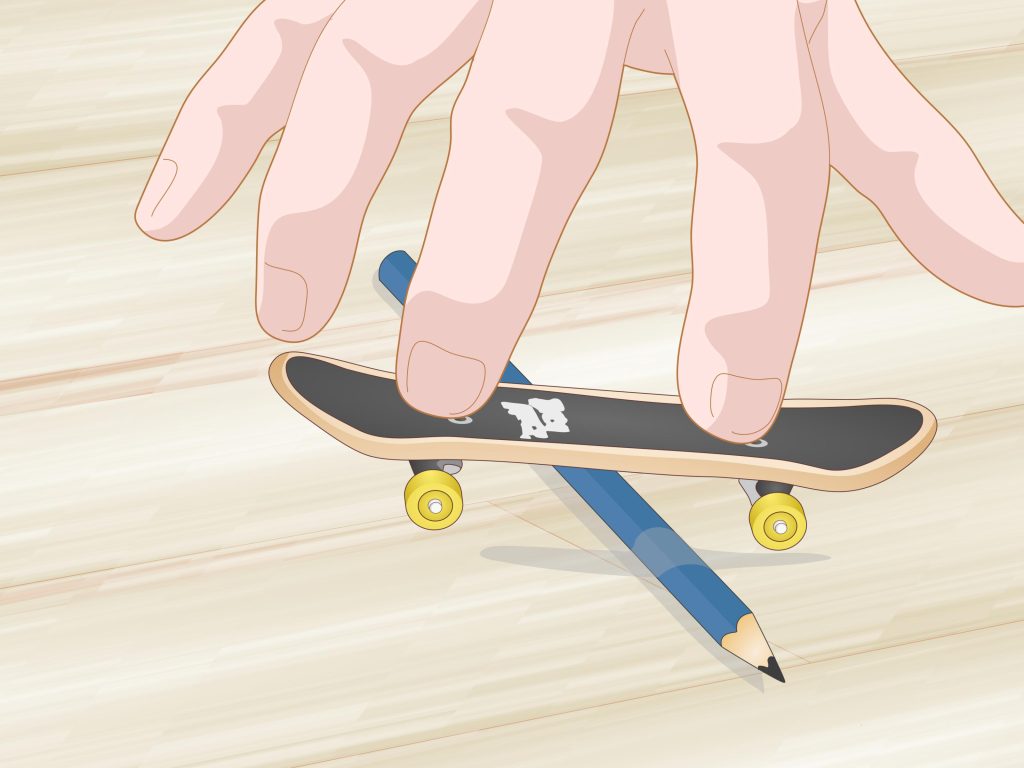
Want to land your first ollie on a Tech Deck but don’t know where to start? You’re in the right place.
Mastering this trick can feel tricky at first, but once you get the hang of it, it’s incredibly satisfying. This guide breaks down each step in simple terms, so you can build your skills fast and impress your friends. Ready to flip your Tech Deck like a pro?
Let’s dive in and make that ollie happen!
Choosing The Right Tech Deck
Choosing the right Tech Deck is a key part of landing a smooth ollie. The feel of your board affects how easily you pop and catch it. Picking one that suits your style and hand size gives you better control and confidence.
Board Size And Shape
Tech Decks come in different sizes, usually between 96mm and 100mm long. If your hands are smaller, a slightly shorter deck feels easier to grip and flip. Larger hands might prefer longer decks for more surface area to control.
Shape matters too. Some boards have a wider nose or tail, which changes how the ollie pops. A narrower shape can make quick flicks easier but less stable. Think about which feels more natural when you hold and flick the board in your hands.
I once switched to a slightly wider board and noticed my ollie height improved because I had more room to catch the board mid-air. What changes have you noticed when trying different board shapes?
Grip Tape Options
Grip tape on a Tech Deck helps your fingers stay planted during tricks. Some decks come with textured grip tape, while others have smooth or no grip at all. The right grip tape can make a big difference in landing clean ollies.
If your fingers slip often, try a deck with a rougher grip tape or add a small piece yourself. On the other hand, too much grip can slow down flicks and make the board feel sticky. Experiment with different textures to find your sweet spot.
Adding your own grip tape can be a fun way to customize your Tech Deck. Have you tried mixing grip tape types or cutting shapes to improve your ollie control?

Credit: www.youtube.com
Basic Finger Placement
Basic finger placement is key to performing an Ollie on a Tech Deck. Proper finger positioning gives you control and balance. It helps you pop the board and slide smoothly. Start by knowing where your fingers should rest and how they move.
Positioning Your Index Finger
Place your index finger near the front edge of the Tech Deck. Keep it slightly bent for better grip. This finger controls the flick needed to lift the board. Make sure it rests comfortably without pressing too hard.
Positioning Your Middle Finger
Set your middle finger on the tail end of the Tech Deck. This finger is responsible for the pop action. Press down firmly but not too hard to avoid losing balance. It helps snap the board off the surface during the Ollie.
Prepping For The Ollie
Prepping for the ollie on a Tech Deck is all about setting yourself up with the right position and timing. Before you even think about popping the board, focus on how your fingers rest and how balanced you feel. These small adjustments make a huge difference in landing a smooth ollie.
Stance And Balance
Your stance on the Tech Deck is similar to real skateboarding, but your fingers replace your feet. Place your index finger near the front bolts and your middle finger on the tail. This gives you control and stability.
Balance is key. If your fingers are too close or too far apart, the board won’t flip correctly. Try adjusting your fingers slightly until you feel the board responds naturally to your movements.
Have you noticed how shifting your weight forward or backward changes the board’s movement? Experiment with tiny shifts to find your sweet spot.
Timing The Pop
The pop is what lifts the Tech Deck off the surface. To get the timing right, press down sharply on the tail with your middle finger while simultaneously sliding your index finger forward. This coordinated move is where many beginners struggle.
Practice the pop slowly at first. Focus on feeling the board lift before you try to flip it. This helps your brain link the motion with the result.
Ask yourself: Are you pressing the tail and sliding the front finger too early or too late? Adjusting the timing by even a fraction of a second can change everything.

Credit: www.instagram.com
Executing The Ollie
Executing the Ollie on a Tech Deck is all about timing and control. Each movement has its own role, and mastering them one by one will help you land the trick smoothly. Let’s break down the key actions that bring your Ollie to life.
Popping The Tail
Start by pressing down sharply on the tail of your Tech Deck with your back finger. This “pop” is what launches the board into the air. The harder and quicker you pop, the higher your board will jump.
Keep your wrist loose and focused. I noticed that if I tense up here, the board doesn’t respond well. Try to make this motion quick but controlled, almost like flicking a switch.
Sliding The Front Finger
Right after the pop, slide your front finger toward the nose of the board. This motion helps level out the board mid-air. Without this slide, your Tech Deck might flip or tilt awkwardly.
Think of it as guiding the board rather than pushing it. When I first started, I pushed too hard and lost control. Sliding gently but firmly keeps your Ollie clean and balanced.
Lifting The Board
As you pop and slide, lift your entire hand upward to carry the board off the surface. This lift is subtle but crucial—it gives your Tech Deck room to rise and land properly.
Try to coordinate your lift smoothly with the pop and slide. I found that lifting too early or too late can cause the board to drop or wobble. Can you feel how your hand moves as you bring the board up?
Common Mistakes To Avoid
Performing an ollie on a Tech Deck requires precision and practice. Many beginners make common mistakes that slow their progress. Avoiding these errors can improve your control and style quickly. Focus on the details that matter most.
Not Popping Hard Enough
Popping is the first and most important move in an ollie. If you don’t pop the tail of the Tech Deck hard enough, the board won’t lift. The flick must be quick and firm. A weak pop causes the board to stay flat or barely rise.
Practice snapping your finger down sharply. This action gives the necessary lift for the ollie.
Incorrect Finger Movement
Finger placement and movement control the board’s flip and direction. Many beginners slide their fingers instead of flicking properly. The flick should come from the side of your finger, not the tip.
A smooth, controlled flick helps the Tech Deck spin and level out in the air. Avoid jerky or sideways movements that make the board wobble.
Losing Balance
Balance keeps the Tech Deck stable during the ollie. Leaning too far forward or backward causes the board to fall. Keep your fingers steady and centered over the board.
Small adjustments in finger pressure help maintain balance. Stay relaxed but focused. This control helps land the trick cleanly.

Credit: www.tiktok.com
Practice Tips For Faster Learning
Learning to ollie on a Tech Deck takes patience and smart practice. Focused effort helps you improve faster. Regular practice builds muscle memory and control. Using the right tools and methods saves time and frustration.
Daily Drills
Practice small sessions every day. Short, frequent drills help your fingers move smoothly. Focus on the flick and pop motions separately. Repeat each motion until it feels natural. Consistency beats long, rare practice sessions.
Try these drills:
- Pop the board up without flipping it.
- Flick the board sideways without popping.
- Combine pop and flick slowly.
Using Video Tutorials
Watch clear, step-by-step videos of Tech Deck ollies. Visual guides show hand placement and timing. Pause and rewind to catch every detail. Copy movements slowly at first. Videos help you see common mistakes to avoid.
Tracking Progress
Keep a simple log of your practice. Write down what drills you did and how they felt. Note improvements and areas needing work. Use a camera or phone to record your attempts. Watching your videos helps spot errors and celebrate wins.
Advanced Variations After Mastery
After you feel confident with the basic ollie, trying advanced variations adds excitement. These tricks challenge your control and precision on the Tech Deck. Practicing these variations improves your finger coordination and timing.
Ollie To Manual
The ollie to manual combines two cool moves into one smooth flow. After popping the ollie, land on the back wheels only and balance there. This trick needs steady finger control and good balance.
- Start with a clean ollie on flat ground.
- As you land, shift your weight to the back wheels.
- Hold the manual position for a few seconds.
- Practice keeping your fingers steady to avoid wobbling.
This variation improves your ability to control the board in different positions.
Ollie Over Obstacles
Jumping over objects with an ollie adds fun challenges. Use small items like erasers or coins as obstacles. The goal is to clear the object without touching it.
- Place the obstacle on a flat surface.
- Approach with a smooth ollie, aiming to jump over.
- Lift your fingers higher to increase the height.
- Land softly and keep balance after clearing the object.
Practice with different obstacle sizes to build confidence and skill.
Frequently Asked Questions
What Is A Tech Deck Ollie?
A Tech Deck Ollie is a basic trick where you lift the board into the air using finger pressure. It’s the foundation for many fingerboarding tricks, mimicking the skateboarding Ollie. Mastering this trick enhances your fingerboard control and opens up possibilities for more advanced maneuvers.
How Do You Perform A Tech Deck Ollie?
To perform a Tech Deck Ollie, place your index finger on the tail and your middle finger near the center. Snap the tail down and lift the board upwards simultaneously. Practice timing and finger placement for better height and control, just like in skateboarding.
Why Is The Ollie Important In Fingerboarding?
The Ollie is crucial because it serves as the gateway to more advanced tricks. It improves finger coordination and board control. Once mastered, it allows you to perform tricks like kickflips and heelflips, expanding your fingerboarding repertoire.
Can Beginners Learn The Ollie Easily?
Yes, beginners can learn the Ollie with practice. Start by understanding finger placement and timing. Gradually increase board height as you gain confidence. Watching tutorials and practicing regularly will help beginners master this essential fingerboarding trick.
Conclusion
Practicing the Ollie on a Tech Deck builds your fingerboard skills. Take your time and focus on each step. Small movements help control the board better. Keep trying even if you don’t get it right away. Practice makes your tricks smoother and more fun.
Enjoy the process and watch your progress grow. Soon, you will feel more confident with every Ollie. Keep your sessions short and regular for best results. Have fun skating, and keep pushing your limits!