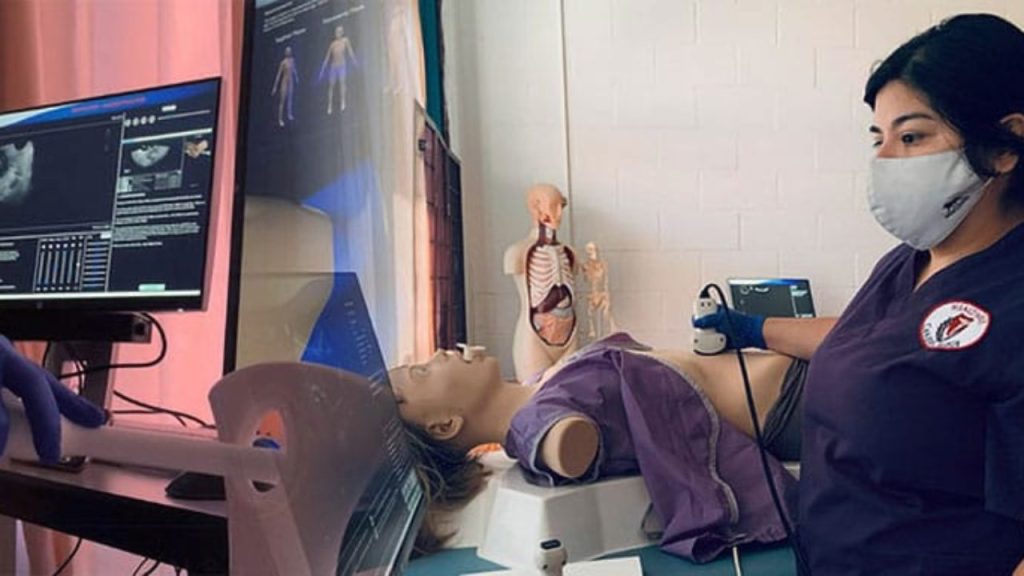
Are you curious about what major you need to become an ultrasound tech? Choosing the right major can feel confusing, especially when you want a career that’s both rewarding and in demand.
Understanding the exact educational path will save you time and help you focus on what really matters. You’ll discover the key major that sets you up for success as an ultrasound technician. Keep reading to find out how you can start your journey toward a fulfilling healthcare career today.
Choosing Ultrasound Technology
Choosing a major in ultrasound technology means focusing on the study of medical imaging using sound waves. This field helps doctors see inside the body without surgery. Students learn how to operate ultrasound machines and interpret images. The major combines science, technology, and patient care. It prepares students for a rewarding healthcare career.
Core Subjects To Study
The major covers important subjects to build strong knowledge. These include:
- Anatomy and Physiology – understanding the human body
- Medical Terminology – learning the language used in healthcare
- Ultrasound Physics – how sound waves create images
- Imaging Techniques – mastering different types of ultrasound scans
- Patient Care – skills for working with patients safely and kindly
- Pathology – studying diseases and how they appear in images
Skills Needed For Success
Success in ultrasound technology requires a mix of technical and personal skills. Important skills include:
- Attention to Detail – spotting small changes in images
- Hand-Eye Coordination – handling equipment carefully
- Communication – explaining procedures to patients clearly
- Problem Solving – adjusting techniques for accurate results
- Compassion – comforting patients during scans
- Technical Ability – understanding and using advanced machines

Credit: www.ivytech.edu
Educational Pathways
Choosing the right educational path is crucial if you want to become an ultrasound technician. Different programs offer varying levels of depth, practical experience, and career opportunities. Understanding these options helps you decide which route fits your goals and lifestyle best.
Associate Vs Bachelor’s Degree
An associate degree in diagnostic medical sonography usually takes about two years to complete. It provides foundational knowledge and hands-on training, making it a quicker way to start your career.
A bachelor’s degree, on the other hand, takes around four years and dives deeper into subjects like anatomy, physics, and patient care. It may open doors to advanced positions or specializations. Have you considered how much time you want to invest before entering the workforce?
Many employers accept an associate degree, but some prefer or require a bachelor’s for higher roles. Your choice impacts not only your education length but also your future job prospects.
Accredited Programs
Always look for programs accredited by the Commission on Accreditation of Allied Health Education Programs (CAAHEP). Accreditation ensures the curriculum meets industry standards and prepares you well for clinical work.
Attending an accredited school also makes you eligible to take certification exams. Without this, your career options might be limited. How important is program quality to you when deciding where to study?
Check if the program offers clinical internships or hands-on practice. Real-world experience is essential in ultrasound technology and helps build confidence before you enter a professional setting.
Certification And Licensing
Certification is a key step to becoming a recognized ultrasound tech. The American Registry for Diagnostic Medical Sonography (ARDMS) is the most widely accepted certification body.
Obtaining certification proves your skills and knowledge to employers. Some states also require a license to practice, so verify your local regulations early on.
Preparing for certification exams requires focused study and practical experience. Are you ready to commit to ongoing learning to maintain your credentials?
Specializations In Ultrasound Tech
Ultrasound technology offers several focused areas for specialization. These help technicians work in specific medical fields. Each specialization requires unique skills and knowledge.
Choosing a specialization allows ultrasound techs to work with different patient groups. It also shapes their daily tasks and career path.
Obstetric And Gynecologic Sonography
This specialization focuses on imaging female reproductive organs. Techs monitor fetal development during pregnancy. They also check for conditions like ovarian cysts or uterine fibroids. Clear images help doctors make accurate diagnoses.
Cardiac Sonography
Cardiac sonographers capture images of the heart. They examine heart chambers, valves, and blood flow. Their work helps detect heart diseases or abnormalities. This area demands detailed knowledge of heart function.
Vascular Sonography
Vascular sonographers study blood vessels outside the heart. They look for blockages, blood clots, or narrowing arteries. This helps prevent strokes and other complications. Precision and attention to detail are essential here.

Credit: www.concorde.edu
Career Opportunities
Choosing a major in ultrasound technology opens doors to various career paths. This field combines healthcare and technology, offering roles that involve patient care and diagnostic imaging. Many industries and settings need skilled ultrasound technicians. The demand keeps growing as medical imaging becomes more important.
Work Settings
Ultrasound technicians work in diverse environments. Common places include:
- Hospitals
- Diagnostic imaging centers
- Doctors’ offices
- Outpatient care centers
- Specialty clinics like cardiology or obstetrics
Some also work in research or education, helping train new technicians or support studies. The work can be full-time or part-time, with shifts that may include evenings or weekends.
Job Outlook And Growth
The job market for ultrasound techs is strong and expanding. Healthcare needs grow as populations age. Ultrasound technology becomes more common for diagnosing many conditions. This leads to steady job openings and new roles.
Employment is expected to grow faster than average compared to other jobs. This growth creates many chances for new graduates and experienced workers alike.
Salary Expectations
Ultrasound tech salaries vary by location, experience, and workplace. Entry-level technicians earn less but can expect raises with skill and time. The average salary in the U.S. is competitive among healthcare jobs.
| Experience Level | Average Salary (Annual) |
|---|---|
| Entry-Level | $50,000 |
| Mid-Level | $65,000 |
| Experienced | $80,000+ |
Additional certifications can increase pay and open specialized job roles. Benefits often include health insurance and paid time off.
Advancing Your Career
Advancing your career as an ultrasound technician involves more than just completing your major. Growth in this field requires ongoing learning and professional engagement. Building skills and connections opens doors to better jobs and higher pay.
Continuing Education
Ultrasound technology changes quickly. New tools and techniques appear often. Taking additional courses keeps your knowledge fresh. Many employers value certifications beyond the basic degree. Online classes and workshops offer flexible ways to learn.
Professional Organizations
Joining groups like the American Registry for Diagnostic Medical Sonography helps your career. These organizations provide resources, job listings, and certification programs. Members gain access to industry news and training events. Being part of a group shows your dedication to the field.
Networking Tips
- Attend conferences and local meetings to meet others in the field.
- Connect with professionals on LinkedIn and other social media platforms.
- Ask experienced technicians for advice and mentorship.
- Volunteer at health fairs or community events to gain exposure.
- Keep in touch with classmates and instructors from your program.

Credit: www.concorde.edu
Frequently Asked Questions
What Degree Is Needed For Ultrasound Tech?
Ultrasound technicians typically need an associate degree in diagnostic medical sonography. Some may pursue a bachelor’s degree for advanced opportunities. Programs include coursework in anatomy, imaging principles, and clinical practice. Certification is also recommended for career advancement.
How Long Is Ultrasound Tech Training?
Ultrasound tech training usually takes two years for an associate degree. Some programs offer accelerated options. Bachelor’s degrees may take four years. Training includes classroom instruction and clinical experience in hospitals or clinics.
Is Ultrasound Tech A Good Career?
Ultrasound tech is a rewarding career with strong job growth. Technicians enjoy flexible work hours and competitive salaries. The role offers opportunities to specialize in various medical imaging fields. Job satisfaction is high due to patient interaction and helping in diagnoses.
What Skills Are Needed For Ultrasound Tech?
Ultrasound techs need strong communication skills to interact with patients. Technical skills are essential for operating imaging equipment. Attention to detail is crucial for accurate diagnoses. Physical stamina is needed for long hours on feet, and empathy enhances patient care.
Conclusion
Ultrasound technology is a growing field in healthcare. Choosing the right major helps you gain needed skills. Programs focus on anatomy, patient care, and imaging technology. Hands-on training prepares you for real work situations. A degree in diagnostic medical sonography fits well.
This path leads to a rewarding and stable career. It suits those who enjoy helping others and science. Start with a clear goal to guide your studies. Your efforts will open doors in hospitals and clinics. Ultrasound tech is a smart choice for many students.