How Much Schooling for Radiology Tech: Ultimate Guide to Success
Are you thinking about becoming a radiology tech but unsure how much schooling you need? Knowing the right amount of education can save you time and money while setting you up for success.
This guide will clear up the confusion and give you a simple path to follow. By the end, you’ll understand exactly what it takes to start your career and how to make smart choices for your future. Keep reading to discover the schooling steps that will get you where you want to go.
Career Path Overview
The career path for a radiology tech offers a clear route from education to employment. It starts with learning the basics of medical imaging and moves toward hands-on experience. This role blends technical skills with patient care. Understanding this path helps in planning education and career goals.
Role Of A Radiology Tech
Radiology techs operate imaging machines like X-rays and CT scanners. They capture images that doctors use to diagnose illnesses. They ensure the images are clear and accurate. Their work supports patient treatment and helps doctors make decisions. Radiology techs also prepare patients for scans and explain procedures.
Essential Skills
Radiology techs need strong technical skills to handle imaging equipment. Attention to detail is crucial for producing quality images. Good communication helps in guiding patients calmly. Physical stamina is important because the job requires standing and moving equipment. Critical thinking assists in adjusting techniques for different cases.
Educational Requirements
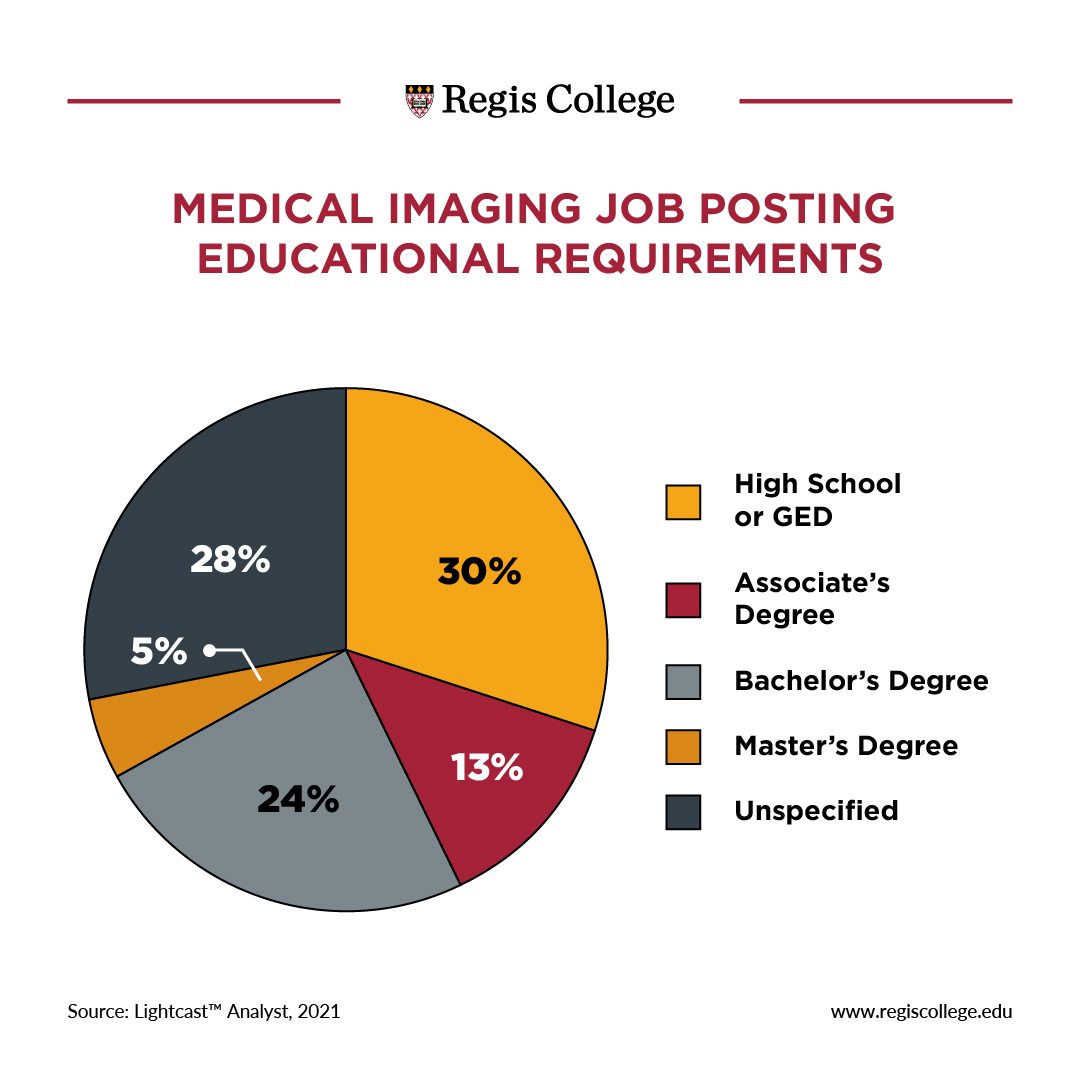
Understanding the educational requirements for becoming a radiology tech is crucial before you invest your time and resources. Different paths offer various levels of training and depth of knowledge, each designed to prepare you for a career in medical imaging. Your choice will affect how quickly you can start working and the types of positions you qualify for.
Associate’s Degree Programs
The most common route to becoming a radiology tech is earning an associate’s degree. These programs usually take about two years to complete and focus heavily on hands-on training.
You’ll study anatomy, patient care, and imaging techniques. Many community colleges and technical schools offer these programs, often with clinical rotations in local hospitals. This path balances cost, time, and skill development effectively.
Bachelor’s Degree Options
If you want more in-depth education or plan to advance into specialized or supervisory roles, a bachelor’s degree might be the right choice. These programs take four years and include additional coursework in healthcare management and advanced imaging technologies.
Some students start with an associate’s degree and later return to school to complete a bachelor’s. The extra education can open doors to leadership positions or opportunities in research and education.
Certificate Programs
Certificate programs are shorter and focus specifically on radiologic technology skills. They usually require you to have prior healthcare experience or a related degree.
These programs can take anywhere from several months to a year. They serve as a fast track if you’re looking to switch careers or enhance your qualifications without committing to a full degree.
Accreditation And Certification
Understanding the role of accreditation and certification is crucial when planning your path to becoming a radiology tech. These elements ensure your education and skills meet industry standards, which can directly impact your job opportunities and career growth. Let’s break down why they matter and what steps you need to take.
Importance Of Accreditation
Accreditation guarantees that the school or program you choose meets quality standards set by official agencies. Attending an accredited program means you’ll receive proper training that prepares you for real-world challenges. Employers often prefer candidates who graduated from accredited programs because it signals reliable education.
Think about this: if your program isn’t accredited, can you be confident your training covers everything you need? Many licensing boards require graduation from an accredited program before allowing you to take certification exams. It’s a critical checkpoint you shouldn’t overlook.
Certification Bodies
Certification validates your knowledge and skills as a radiology tech. The main certification bodies you’ll encounter include the American Registry of Radiologic Technologists (ARRT) and the American Registry of Magnetic Resonance Imaging Technologists (ARMRIT).
These organizations set the standards for professional competence and provide certification exams. Holding a certification from one of these bodies can boost your credibility and often leads to better salary offers. Have you checked which certification aligns best with your career goals?
Certification Process
To earn certification, you generally need to complete an accredited program and pass a comprehensive exam. The exam tests your knowledge of radiologic procedures, patient care, safety, and ethics.
Preparation is key. Many candidates find study guides and practice tests helpful to boost their confidence. After certification, you’ll need to maintain it through continuing education and periodic renewals, ensuring you stay current in your field.
Credit: www.regiscollege.edu
Advanced Specializations
Advanced specializations in radiology tech allow professionals to focus on specific imaging techniques. These roles require extra training beyond basic radiologic technology schooling. Specializing can lead to higher pay and more job opportunities. Each specialization demands unique skills and knowledge. Understanding these can help decide which path fits best.
Mri Technologist
MRI technologists operate magnetic resonance imaging machines. They create detailed images of organs and tissues. Training includes understanding MRI physics and safety precautions. Certification often requires additional coursework and clinical experience. MRI techs work closely with patients and doctors to diagnose conditions accurately.
Ct Technologist
CT technologists use computed tomography scanners to capture body images. Their work supports diagnosis of diseases and injuries. Schooling includes learning about CT technology and radiation safety. Hands-on practice in clinical settings is essential. Certification confirms skills and knowledge in this specialized field.
Ultrasound Specialist
Ultrasound specialists perform sonographic exams using sound waves. They help visualize internal organs, blood flow, and fetal development. Training focuses on anatomy, ultrasound equipment, and patient care. Most programs offer clinical internships for real-world experience. Certification ensures competence in this growing specialization.
Continuing Education
Continuing education is vital for radiology techs. It helps them stay updated with the latest technology and techniques. Regular learning boosts skills and improves patient care. Many employers require ongoing education to maintain certification and licenses.
Professional Development
Professional development includes attending conferences and seminars. These events offer chances to learn from experts and network with peers. Radiology techs gain knowledge about new imaging tools and safety standards. Participation shows commitment to the profession and can lead to career growth.
Online Courses And Workshops
Online courses provide flexible learning for busy schedules. Radiology techs can study at their own pace from anywhere. Workshops often focus on specific skills, like MRI or CT scans. These options help techs meet continuing education requirements easily and affordably.
Credit: www.regiscollege.edu
Job Market Insights
Understanding the job market is key for anyone pursuing a career as a radiology tech. This field offers various opportunities but knowing the details helps you plan better. Job outlook, salary, and growth trends shape your career decisions.
Employment Opportunities
Radiology techs work in hospitals, clinics, and imaging centers. Job openings exist in urban and rural areas. Many employers seek certified professionals with proper schooling. Part-time and full-time jobs are available. Some roles focus on specific imaging technologies.
Salary Expectations
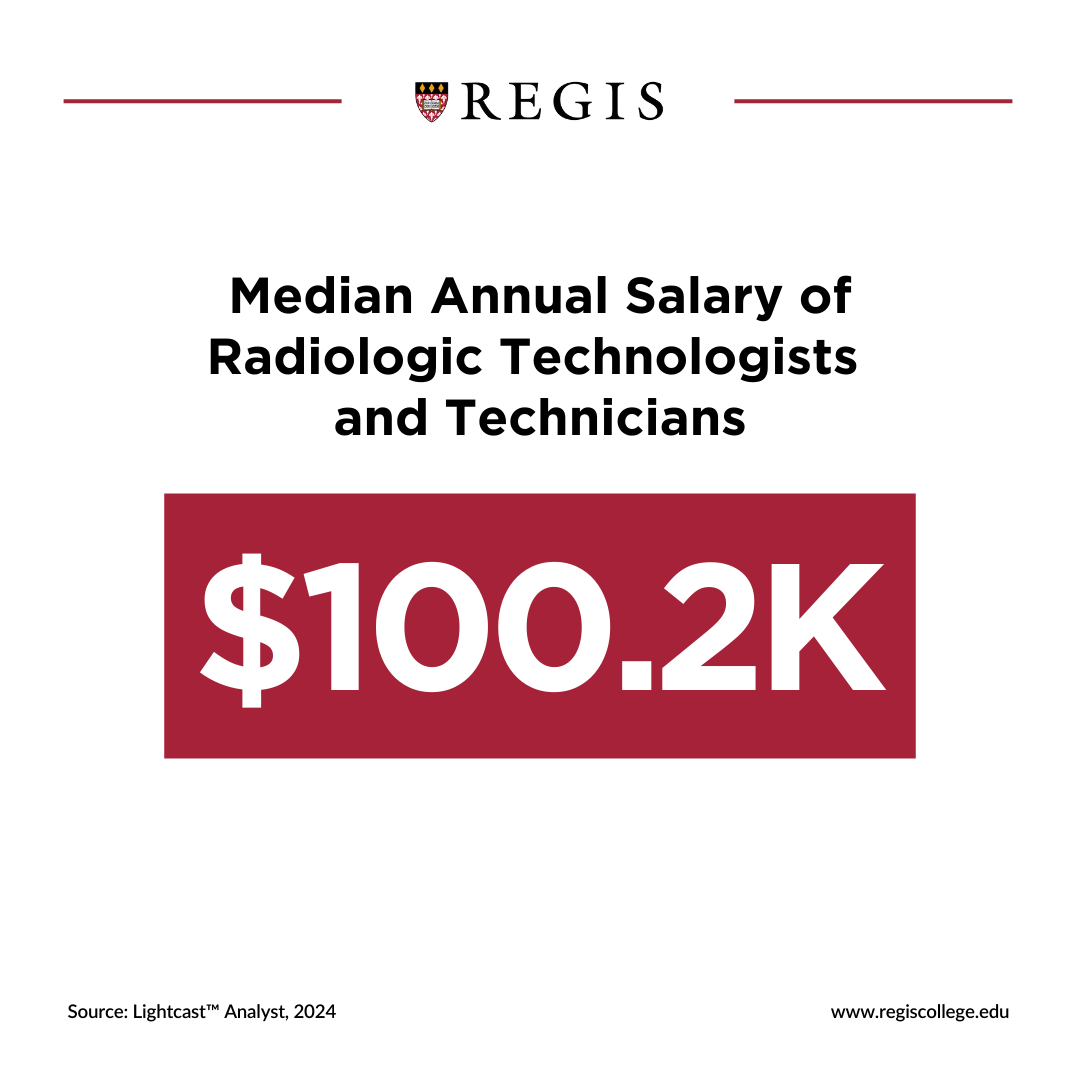
The average salary for radiology techs varies by location and experience. Entry-level positions pay less, while experienced techs earn more. Additional certifications can increase earnings. Salaries often include benefits like health insurance and paid leave.
Job Growth Trends
Healthcare needs continue to rise, boosting demand for radiology techs. New medical imaging technologies expand job roles. The U.S. Bureau of Labor Statistics projects steady growth in this field. Aging populations require more diagnostic services, supporting job growth.
Tips For Success
Success in radiology tech schooling depends on more than just studying hard. It requires smart strategies to manage time and build relationships. These tips help maintain focus and stay motivated throughout the program. Following them increases chances of graduating and finding a great job.
Networking Strategies
Building connections helps you learn about job openings and industry trends. Attend school events and join radiology clubs. Talk to instructors and experienced techs. Use online platforms like LinkedIn to connect with professionals. Networking creates support and opens doors for your career.
Balancing Work And Study
Many students work while studying. Create a clear schedule to divide time between classes, work, and rest. Prioritize tasks and avoid last-minute cramming. Use breaks to review notes or relax briefly. Staying organized reduces stress and improves learning efficiency.

Credit: link.ahra.org
Frequently Asked Questions
How Many Years Of Schooling For Radiology Tech?
Becoming a radiology tech typically requires 2 to 4 years of schooling. Most complete an associate degree in radiologic technology. Some pursue a bachelor’s degree for advanced opportunities. Programs include coursework and clinical training for certification preparation.
What Education Is Needed To Become A Radiology Tech?
Radiology techs need formal education from accredited programs. An associate degree is the most common requirement. Coursework covers anatomy, patient care, and imaging techniques. Clinical practice is essential for hands-on experience before certification.
Is A Bachelor’s Degree Required For Radiology Tech?
A bachelor’s degree is not mandatory but beneficial. Most radiology techs start with a 2-year associate degree. A bachelor’s degree can improve job prospects and enable specialization. Employers may prefer candidates with higher education.
How Long Is Radiology Tech Training Program?
Training programs usually last 18 months to 4 years. Associate degrees take about 2 years to complete. Certification programs can be shorter but less comprehensive. Clinical rotations are included to develop practical skills.
Conclusion
Becoming a radiology tech requires clear steps in education. Most need a two-year associate degree or a four-year bachelor’s degree. Training includes both classroom study and hands-on practice. Certification often follows schooling and helps with job chances. This career offers stable work and good pay.
Planning your schooling carefully leads to success. Start with the right program and stay focused. Your efforts will open doors in the healthcare field. Radiology tech work matters and helps many people every day.