

How to Be an Mri Tech: Ultimate Guide to Launch Your Career
Are you curious about becoming an MRI tech? If you enjoy working with cutting-edge technology and helping people, this career might be perfect for you.
Becoming an MRI technologist opens doors to a rewarding job in healthcare, where your skills directly impact patient care. You’ll discover the simple steps to start your journey, what skills you need, and how to stand out in this growing field.
Ready to find out how you can make this happen? Keep reading to unlock the path to becoming an MRI tech.
Credit: technologiesera.com
Career Path For Mri Techs
Choosing a career as an MRI technologist offers a clear and rewarding path. It combines technical skill with patient care, making it a dynamic healthcare role. Understanding the career path helps you prepare for what lies ahead and make informed decisions about your future.
Role And Responsibilities
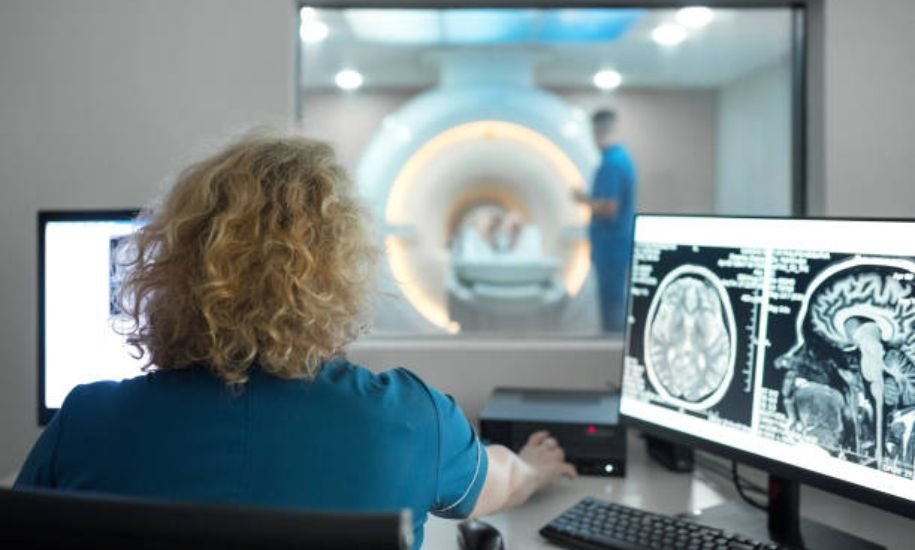
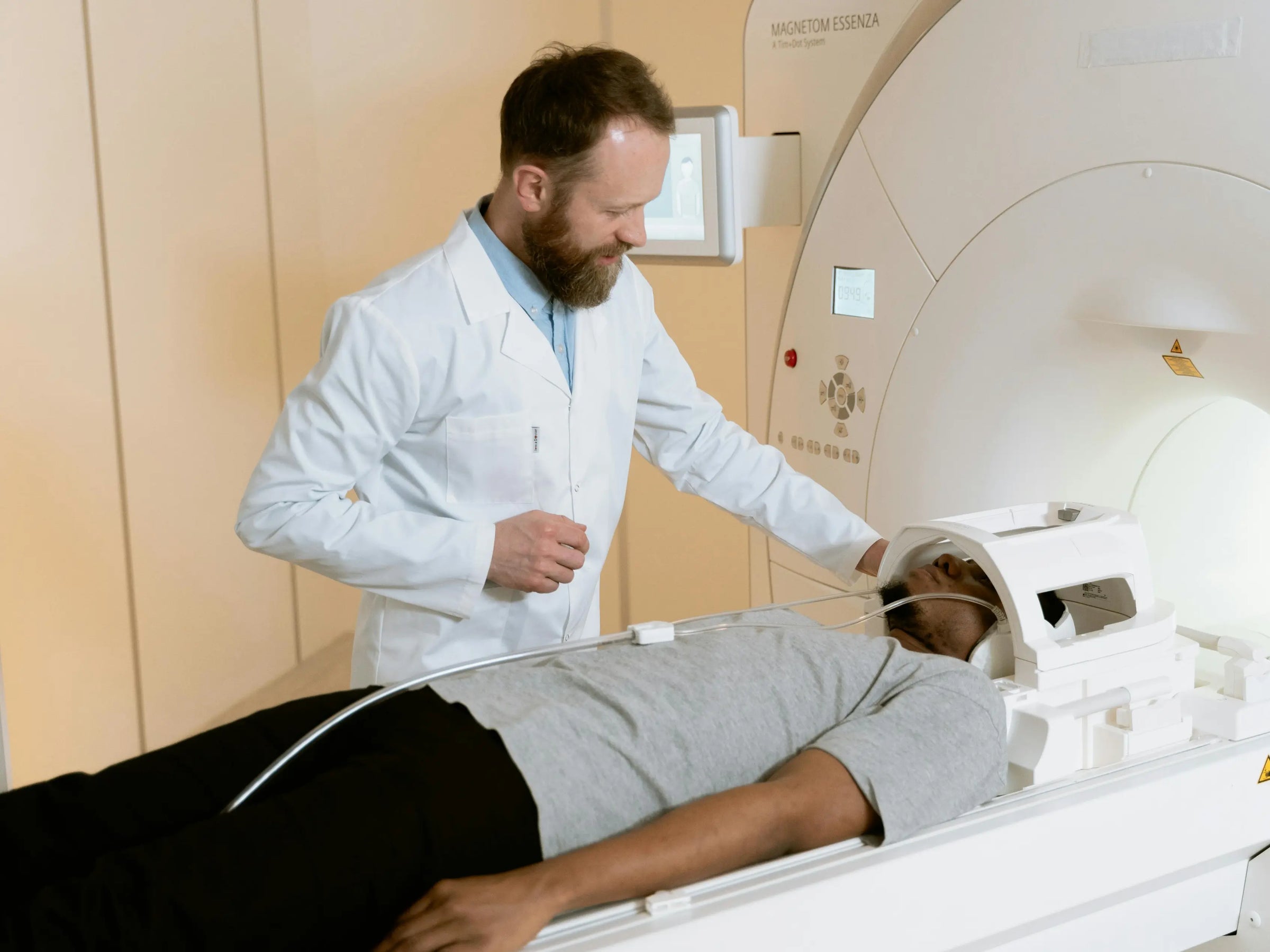
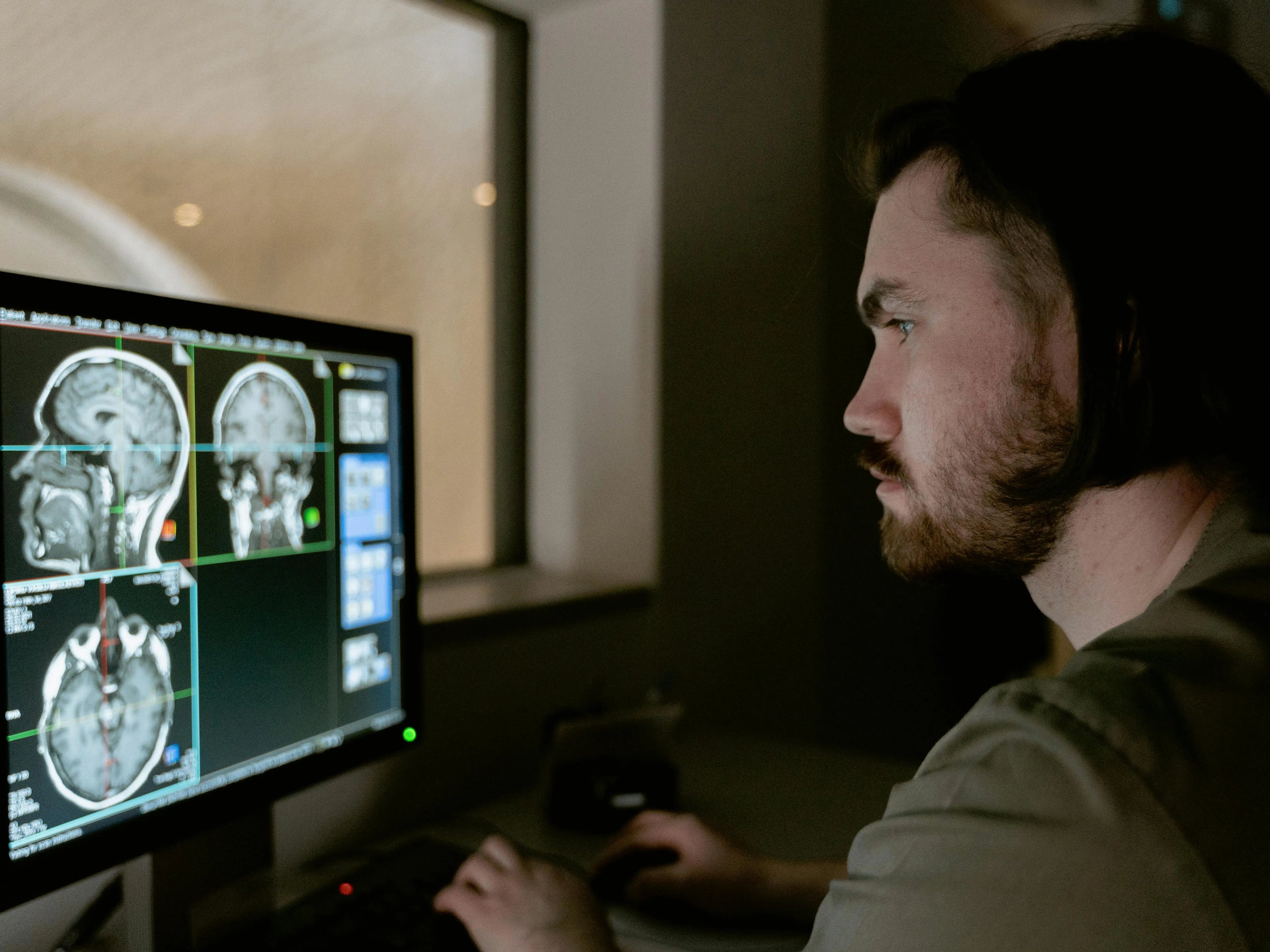
As an MRI tech, your main job is to operate magnetic resonance imaging scanners to create detailed images of patients’ internal structures. You must position patients correctly and ensure they are comfortable during the scan. Accuracy and attention to detail are crucial since these images help doctors diagnose medical conditions.
Beyond operating equipment, you’ll explain procedures to patients and answer their questions to reduce anxiety. Keeping detailed records and maintaining MRI machines are also part of your daily tasks. Your ability to combine technical knowledge with patient care sets you apart in this field.
Work Environments
MRI technologists work in a variety of settings. Hospitals and outpatient diagnostic centers are the most common places you’ll find MRI techs. Some work in private clinics, while others are employed by research facilities or mobile imaging companies.
Your work environment can influence your schedule and pace. For example, hospital settings may require shift work, including nights or weekends, while outpatient centers often offer more regular hours. You’ll want to think about which environment suits your lifestyle best.
Job Outlook And Demand
The demand for MRI techs continues to grow due to advances in medical imaging and an aging population. Jobs are expected to increase faster than average compared to many other professions. This means more opportunities for you to find a stable and well-paying position.
Are you ready to meet the increasing need for skilled MRI technologists? Employers look for certified techs who combine technical skills with strong patient interaction abilities. Continuing education and certification updates will keep you competitive in this evolving field.
Credit: www.betterteam.com
Essential Education Requirements
Becoming an MRI technologist requires specific education and training. These steps ensure you have the knowledge and skills to operate MRI machines safely and effectively. The path starts early with basic preparation and continues through specialized programs and certifications. Understanding these education requirements is essential for a successful career in MRI technology.
High School Preparation
Strong high school preparation builds a solid foundation. Focus on science courses like biology and physics. Math skills are also important for understanding technical aspects. Taking health-related classes can give an advantage. Good grades improve chances of entering MRI programs.
Accredited Mri Programs
Enroll in an accredited MRI program to gain specialized knowledge. These programs teach anatomy, patient care, and imaging techniques. Choose programs recognized by the Joint Review Committee on Education in Radiologic Technology (JRCERT) or similar bodies. Programs often last 1 to 2 years and include hands-on training. This practical experience prepares students for real-world work.
Certification And Licensing
Certification proves your skills and knowledge as an MRI technologist. The American Registry of Radiologic Technologists (ARRT) offers a well-known certification. Requirements include passing an exam and completing an accredited program. Some states require additional licensing for MRI technologists. Check local regulations to ensure compliance. Maintaining certification requires continuing education to stay updated.
Skills To Develop
Developing the right skills is crucial to becoming a successful MRI technologist. This role demands more than just operating machines—it requires a blend of technical know-how, empathy, and clear communication. Focusing on these key areas will help you excel and provide the best care for your patients.
Technical Proficiency
Mastering the MRI equipment is your top priority. You need to understand how to adjust settings for different body parts and conditions to get clear images. Troubleshooting technical issues quickly can save time and improve patient comfort.
Hands-on experience is invaluable here. Try to spend time in real clinical settings where you can see the machines in action. Have you ever noticed how small adjustments in the machine’s parameters can drastically change image quality?
Patient Care Abilities
Caring for patients during scans is more than just a routine task—it shapes their entire experience. You’ll often work with people who feel anxious or have physical limitations. Your ability to comfort and position them carefully makes a big difference.
Think about how you’d want to be treated if you were in their place. Simple acts like explaining the process clearly or offering a reassuring smile can reduce stress. How do you plan to build trust with patients who may be scared or unsure?
Communication Skills
Clear communication is essential, both with patients and the healthcare team. You must explain procedures in a way that anyone can understand, regardless of their background. This helps patients feel informed and safe.
Additionally, communicating findings or concerns to radiologists and doctors needs precision. Miscommunication can lead to errors, so practice being both clear and concise. Have you considered how improving your communication could enhance teamwork and patient outcomes?
Gaining Practical Experience
Gaining practical experience is essential to become a confident and skilled MRI technologist. It bridges the gap between theory and real-world application, allowing you to handle equipment, interact with patients, and troubleshoot common issues. Hands-on experience also helps you build professional relationships and understand workplace dynamics better.
Clinical Rotations
Clinical rotations offer a structured way to practice MRI technology in a hospital or imaging center under supervision. During these rotations, you learn how to position patients correctly, operate MRI machines, and ensure safety protocols are followed. Many students find that real patient interaction during rotations significantly improves their communication skills and boosts their confidence.
Have you thought about how you’d handle a nervous patient during an MRI scan? Clinical rotations give you the chance to develop empathy and professionalism while mastering technical tasks.
Internships And Externships
Internships and externships provide extended periods of real-world experience, often allowing you to work alongside experienced MRI techs. These opportunities might be paid or unpaid, but the value they add to your resume is enormous. You’ll gain insight into daily workflows, equipment maintenance, and different types of MRI procedures.
Consider seeking internships at diverse facilities, like outpatient clinics and large hospitals, to broaden your exposure. Would working in a busy urban hospital or a smaller rural clinic better suit your learning style?
Volunteering Opportunities
Volunteering at healthcare facilities can be a great way to gain exposure to medical environments and patient care, even if you’re not directly operating MRI machines. Tasks like preparing patients, managing schedules, or assisting staff build your understanding of the healthcare system. Volunteering also shows future employers your commitment and initiative.
Look for volunteer roles in radiology departments or community health centers. What skills could you develop by stepping into a support role before fully operating MRI technology?
Certification And Licensing Process
The certification and licensing process is a crucial step in becoming a skilled MRI technologist. It verifies your knowledge and skills, ensuring you meet professional standards. This process also opens doors to better job opportunities and higher salaries.
Credentialing Organizations
Several organizations offer certification for MRI technologists. The American Registry of Radiologic Technologists (ARRT) is one of the most recognized bodies. They require candidates to pass an exam after completing an accredited MRI program.
Another option is the American Registry of Magnetic Resonance Imaging Technologists (ARMRIT). Both organizations maintain high standards, but ARRT certification is often preferred by employers. You should check which credential fits your career goals best.
Exam Preparation Tips
Preparing for the MRI certification exam can feel overwhelming. Focus on understanding core concepts like anatomy, MRI physics, and safety protocols. Use study guides and practice exams to test your knowledge regularly.
Join study groups or online forums to discuss difficult topics. This interaction can reveal gaps in your understanding and keep you motivated. Don’t just memorize facts—practice applying them in real-world scenarios.
Maintaining Certification
Certification isn’t a one-time achievement. You must keep it active by earning continuing education credits. These credits ensure you stay updated with the latest MRI technology and practices.
Pay attention to renewal deadlines and requirements. Missing them can delay your career progress. Have you planned how you will balance work and continuing education over the years?
Job Search Strategies
Searching for a job as an MRI tech requires more than just meeting educational qualifications. You need smart strategies to stand out in a competitive field. These approaches will help you highlight your skills and connect with the right people who can offer you opportunities.
Building A Strong Resume
Your resume is your first impression. Make sure it clearly lists your certifications, hands-on experience, and any special training related to MRI technology.
Use bullet points to describe your achievements, such as improving scan quality or reducing patient wait times. Quantify your impact whenever possible—for example, “Performed 20+ MRI scans daily with 99% accuracy.”
Keep your resume concise and easy to read. Avoid jargon and focus on skills that match the job description exactly.
Networking Techniques
Networking can open doors that online applications often can’t. Start by joining professional groups like the American Registry of Radiologic Technologists (ARRT) or local MRI tech associations.
Attend conferences, workshops, and seminars to meet other professionals in the field. Don’t hesitate to introduce yourself and ask thoughtful questions—it shows genuine interest.
Use LinkedIn to connect with MRI techs and hiring managers. Share relevant articles or your own insights to build your presence. Have you ever reached out to someone directly after attending a professional event? It can lead to unexpected job leads.
Interview Preparation
Prepare for your interview by practicing answers to common questions like how you handle patient anxiety or troubleshoot MRI equipment.
Bring examples of your work or situations where you solved a problem under pressure. This makes your experience tangible and memorable.
Don’t forget to prepare questions for the interviewer—it shows you’re engaged and serious about the role. What specific MRI technologies do they use? How do they support continuous learning for their techs?
Advancing Your Mri Tech Career
Advancing your career as an MRI tech requires more than basic skills. Growth means staying updated, gaining new credentials, and stepping into leadership. Each choice can open new doors and improve your work life. Focus on learning, specialization, and leadership to reach higher roles.
Continuing Education
Healthcare changes fast. MRI techs must keep learning to stay current. Attend workshops, webinars, and classes. Many employers support ongoing education with paid training. Learning new MRI techniques and safety rules boosts your confidence and skills. It also makes you more valuable to employers.
Specializations And Certifications
Specializing helps you stand out. You can focus on areas like neuro MRI, cardiac MRI, or pediatric MRI. Certifications show your expertise and commitment. Popular certifications include the ARRT MRI certification and advanced credentials in MRI physics or safety. Specialized skills often lead to better pay and job options.
Leadership Roles
Leadership roles bring new challenges and rewards. MRI techs can become supervisors, educators, or department managers. These roles require good communication and problem-solving skills. Leading a team means helping others grow and improving workflow. Leadership positions often come with higher pay and more influence.
Common Challenges And Solutions
Working as an MRI tech brings unique challenges that test your skills and patience daily. Understanding these obstacles and learning how to tackle them can make your career smoother and more rewarding. Here’s a look at some common difficulties you might face and practical ways to handle them.
Handling Stressful Situations
Stress is part of the job, especially when patients are anxious or emergencies pop up unexpectedly. Staying calm helps you make better decisions and reassures your patients. Try deep breathing techniques or brief mental breaks between scans to reset your focus.
Communication plays a big role here. Explaining procedures clearly and kindly can ease patient fears and reduce their movement, which improves image quality. Have you noticed how a simple smile or a few encouraging words can change the mood in the room?
Keeping Up With Technology
MRI machines and software evolve quickly. If you don’t stay updated, you risk falling behind or making errors. Set aside time regularly to attend workshops, watch tutorials, or read the latest industry news.
Ask your employer about training opportunities—they often provide resources or reimbursements. Also, connecting with other MRI techs online can expose you to tips and tricks that textbooks don’t cover. What new feature or technique have you recently learned that improved your workflow?
Work-life Balance
The demanding shifts and long hours can blur the line between work and personal time. It’s easy to feel drained and lose motivation. Setting clear boundaries, like turning off work notifications after your shift, helps protect your downtime.
Prioritize activities that recharge you, whether it’s exercise, hobbies, or spending time with loved ones. Remember, a well-rested tech performs better and enjoys the job more. What small change could you make today to improve your balance?
Credit: www.betterteam.com
Frequently Asked Questions
What Are The Education Requirements For Mri Techs?
To become an MRI Tech, you typically need an associate’s degree in radiologic technology or a related field. After completing your degree, you must pass a certification exam from a recognized body, such as the American Registry of Radiologic Technologists (ARRT).
Continuing education is essential for staying updated in this field.
How Long Does It Take To Become An Mri Tech?
Becoming an MRI Tech usually takes about two to three years. This includes obtaining an associate’s degree and gaining hands-on clinical experience. After completing your education, you need to pass a certification exam. Some programs may offer accelerated pathways, reducing the time needed to qualify.
What Skills Are Necessary For Mri Techs?
MRI Techs need strong technical skills to operate complex imaging equipment. Good communication skills are essential for interacting with patients. Attention to detail is crucial for accurately interpreting images. Knowledge of anatomy and medical terminology helps in understanding scan results.
Problem-solving skills are also valuable in this role.
What Is The Salary Range For Mri Techs?
The salary for MRI Techs varies by location and experience. On average, MRI Techs earn between $60,000 and $80,000 annually. Salaries can be higher in urban areas or with additional certifications. Experience and specialization in certain imaging techniques can also lead to increased earnings.
Conclusion
Becoming an MRI tech takes hard work and focus. You need proper training and practice to succeed. Skills like attention to detail and care for patients matter a lot. The job offers good chances to grow and learn. Keep your goals clear and stay patient with the process.
Remember, every step brings you closer to your dream career. Stay positive and keep moving forward.


