Have you ever wondered what happens when you lie inside an MRI machine? Do MRI techs just operate the equipment, or can they actually tell if something is wrong with your body?
If you’ve ever felt anxious or curious about what the technician sees during your scan, you’re not alone. Understanding what MRI techs know—and what they don’t—can give you peace of mind and help you feel more in control of your health.
Keep reading to discover the real role of MRI techs and how their expertise might impact your diagnosis.

Credit: www.tiktok.com
Role Of Mri Technologists
MRI technologists play a vital role in medical imaging. They operate MRI machines to capture detailed images of the body. These images help doctors diagnose health problems. While MRI techs do not diagnose, they must understand the scan quality and patient safety. Their work requires skill, attention, and care.
Daily Responsibilities
MRI technologists prepare patients for scans and explain the process. They position patients correctly to get clear images. They adjust the MRI machine settings for each scan type. During the scan, they monitor the images for clarity. They ensure patient comfort and safety throughout the procedure. After scanning, they store images and document patient information.
Training And Certification
MRI techs complete specialized training programs in medical imaging. They learn anatomy, MRI physics, and safety rules. Certification is required to work as an MRI technologist. This includes passing exams from recognized bodies like the ARRT. Continuing education keeps their skills and knowledge up to date. Training ensures they handle equipment and patients correctly.
Interaction With Patients
MRI technologists communicate clearly with patients before and during scans. They explain what to expect and answer questions. They help patients stay calm and still for better images. They check for any metal or implants that affect safety. Techs watch for signs of discomfort or anxiety. Their friendly approach helps patients feel safe and cared for.
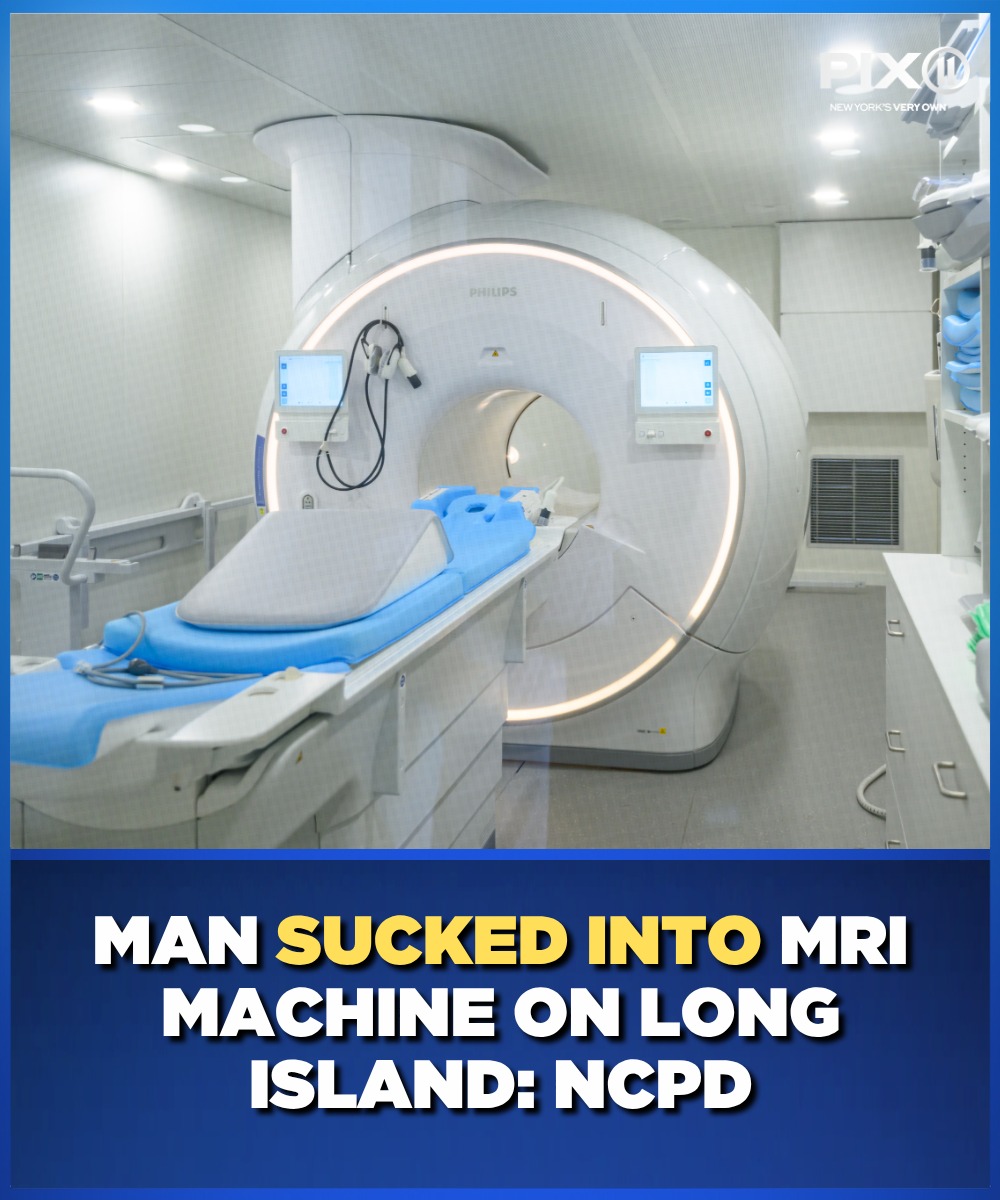
Credit: www.facebook.com
Detecting Abnormalities During Scans
Detecting abnormalities during MRI scans is a crucial part of the imaging process. MRI techs play a key role in capturing clear images that can reveal potential issues. While they are not doctors, their expertise often allows them to notice when something doesn’t look right.
Technical Skills In Image Acquisition
MRI techs use advanced equipment to capture detailed images of your body. Their skills in positioning you correctly and adjusting machine settings directly affect the quality of these images. Sharp, clear images make it easier to spot unusual areas that may need further review.
Techs constantly monitor the images as they are taken, ensuring no part of the scan is blurry or unclear. This attention to detail helps prevent the need for repeat scans and speeds up diagnosis.
Recognizing Common Anomalies
Through experience, MRI techs learn to identify patterns that don’t match normal anatomy. They might spot abnormal shapes, unusual masses, or unexpected signal changes in tissues. Recognizing these signs is often the first step in alerting the radiologist to potential problems.
For example, a tech might notice swelling or a dark spot that stands out from surrounding tissue. They can then make sure the radiologist reviews these areas closely, improving the chances of catching issues early.
Limitations In Diagnosis
It’s important to understand that MRI techs are not trained to make medical diagnoses. They can detect when something looks unusual, but only a radiologist or doctor can interpret those findings accurately. Techs provide support by delivering high-quality images and noting any concerns.
If you wonder whether an MRI tech can give you answers about your health, the honest truth is they help spot problems, but your doctor makes the final call. How comfortable are you asking your tech about what they see during your scan?
Communication With Radiologists
Communication between MRI technologists and radiologists is vital for accurate diagnosis. MRI technologists operate the machines and capture images. Radiologists then analyze these images for medical conditions. Clear interaction ensures nothing important is missed. It helps provide the best care for patients.
When Technologists Alert Radiologists
MRI technologists watch closely during scans. They notice unusual patterns or artifacts in real time. If something seems off, they alert the radiologist quickly. This early warning can speed up diagnosis. It also allows radiologists to request additional images if needed.
Collaboration In Image Review
Technologists and radiologists work together after the scan. Technologists provide context about how images were taken. Radiologists review the images carefully for any signs of illness. This teamwork improves accuracy. It ensures the patient’s condition is understood fully.
Importance Of Expert Interpretation
Radiologists have specialized training to interpret MRI scans. They detect subtle changes invisible to untrained eyes. Their expertise confirms whether something is wrong or not. Technologists support this process but do not make final diagnoses. Expert interpretation is key to effective treatment plans.
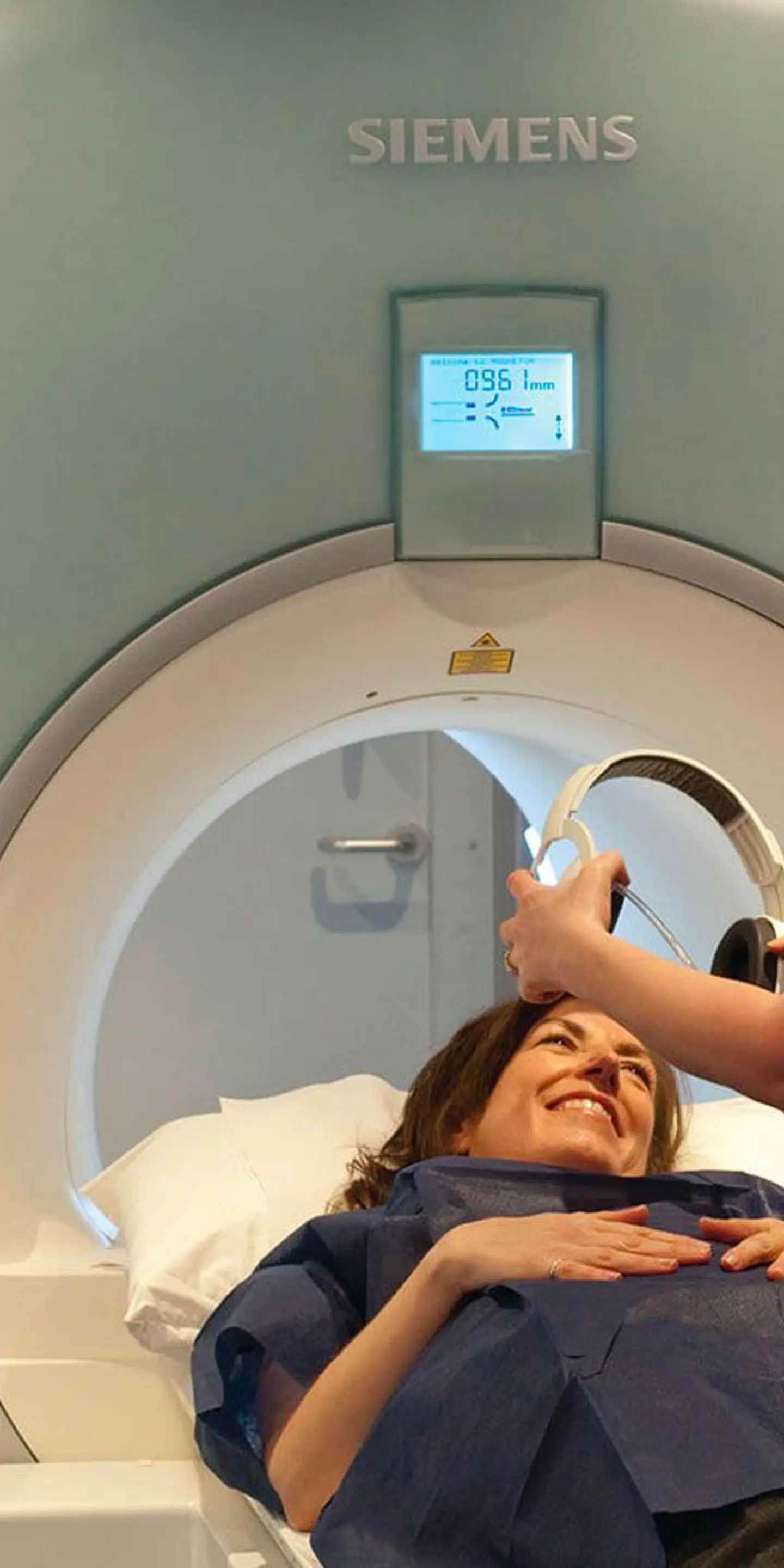
Credit: www.vista-health.co.uk
Legal And Ethical Boundaries
Understanding the legal and ethical boundaries for MRI technologists is crucial. While MRI techs operate advanced imaging equipment, their role does not extend to making medical diagnoses. This distinction protects both the patient and the professional from potential legal issues.
Scope Of Practice For Mri Techs
MRI technologists are trained to perform scans accurately and safely. Their primary responsibility is to capture high-quality images for radiologists and doctors to review. They are not authorized to interpret these images or provide medical opinions.
This clear boundary helps avoid confusion about who is responsible for diagnosing conditions. If you ever wonder why an MRI tech doesn’t share what they see during your scan, it’s because their role is limited by law and professional guidelines.
Avoiding Misdiagnosis Risks
Allowing MRI techs to diagnose could lead to mistakes. They don’t have the full medical training needed to understand complex imaging results. Misdiagnosis can harm patients and open legal liabilities for the tech and their employer.
By sticking to their role, MRI techs help reduce these risks. They ensure the images are clear and complete, so radiologists can make accurate diagnoses. Have you ever thought about how many hands your health depends on during a scan?
Patient Safety Considerations
Patient safety is a top priority for MRI technologists. They must follow strict protocols to ensure safe use of MRI machines and protect patients from harm. This includes screening for metal implants and monitoring for any signs of discomfort or distress.
Ethically, MRI techs must respect patient privacy and confidentiality at all times. They act as advocates for patients by maintaining professionalism and adhering to legal standards. How comfortable do you feel knowing these safeguards are in place during your MRI?
Improving Detection Skills
Improving detection skills is essential for MRI technologists who want to enhance their ability to spot abnormalities during scans. These skills don’t develop overnight; they grow through a combination of ongoing learning, hands-on experience, and the use of cutting-edge tools. Building these abilities not only boosts confidence but also directly impacts patient outcomes by ensuring timely identification of potential issues.
Continued Education Opportunities
Staying updated with the latest MRI techniques and medical knowledge is crucial. Many MRI techs attend workshops, webinars, and certification programs to sharpen their understanding.
For instance, learning about new contrast agents or imaging protocols can make subtle abnormalities more visible. Have you ever thought about how a short course could change your daily approach to scanning?
Use Of Advanced Imaging Technology
Modern MRI machines offer features like higher resolution and faster scanning times, which help techs detect abnormalities more effectively.
Technologists who master these advanced tools can identify issues that might be missed with older equipment. Imagine how clearer images could improve your ability to notice early signs of disease.
Case Studies And Practical Experience
Hands-on experience with diverse cases strengthens detection skills in ways theory alone cannot. Reviewing past scans and discussing findings with radiologists deepens understanding.
One MRI tech shared how analyzing unusual cases improved their ability to recognize rare conditions in real time. Are you taking advantage of every scan as a learning opportunity to refine your skills?
Frequently Asked Questions
Can Mri Techs Diagnose Medical Conditions?
MRI techs cannot diagnose medical conditions. They are trained to operate MRI machines and ensure quality images. Diagnosis is performed by radiologists or doctors who interpret the scans.
Do Mri Techs Discuss Scan Results With Patients?
MRI techs typically do not discuss scan results with patients. Their role is to capture images accurately. Results are usually reviewed and explained by a radiologist or physician.
Are Mri Techs Aware Of Abnormalities During Scans?
MRI techs may notice abnormalities while performing scans. However, their role is not to diagnose. They focus on obtaining clear images for radiologists to evaluate.
Can Mri Techs Identify Life-threatening Issues?
MRI techs might spot potential life-threatening issues, but they do not diagnose. They alert radiologists who confirm and address such findings.
Conclusion
MRI techs play a key role in capturing clear images. They know how to spot unusual signs during scans. Still, final results come from doctors and radiologists. Techs help ensure scans are done right and safe. They work closely with doctors to find problems fast.
Trust their skills but rely on expert readings too. Understanding their role helps patients feel more confident. MRI techs are an important part of health care teams. They do their best to help find what’s wrong.