Do You Need a Degree for Pharmacy Tech: Essential Facts Revealed
Are you wondering if you need a degree to become a pharmacy technician? This question is important because it can shape your career path and how quickly you start working.
You might be thinking about the time, money, and effort required to get a degree. But what if there’s a simpler way? You’ll discover exactly what education and training you need to become a pharmacy tech. By the end, you’ll have a clear picture of your options and what steps to take next.
Keep reading to find out if a degree is really necessary for your pharmacy tech career.
Pharmacy Tech Role
The pharmacy technician plays a key role in the healthcare system. They assist pharmacists in preparing and dispensing medications. This role requires attention to detail and strong communication skills. Pharmacy techs help ensure patients receive the correct prescriptions safely and on time.
Daily Responsibilities
- Fill and label prescription orders accurately
- Manage inventory and restock medications
- Verify patient information and prescription details
- Assist customers with questions about medications
- Maintain records of prescriptions and transactions
- Prepare insurance claims and process payments
- Support pharmacists with administrative tasks
Work Environments
Pharmacy technicians work in various settings. Many find jobs in retail pharmacies inside drugstores or supermarkets. Hospitals also employ pharmacy techs to help care for inpatients. Some work in clinics, long-term care facilities, or mail-order pharmacies.
Work hours can vary. Some positions require evening or weekend shifts. The environment is often fast-paced and demands good teamwork. Pharmacy techs must follow safety rules to handle medications properly.
Education Requirements
Understanding the education requirements is vital for anyone interested in becoming a pharmacy technician. The path to entering this field varies, depending on job roles and state regulations. Some employers require formal education, while others accept certification or on-the-job training. Knowing the differences helps you prepare for a successful career.
Degree Vs Certification
A degree is not always necessary to work as a pharmacy technician. Many employers accept certification or a high school diploma combined with training. Certificates take less time and focus on specific skills. Degrees offer broader education but take longer to complete.
- Certificate programs usually last 6 months to 1 year.
- Associate degree programs take about 2 years.
- Certification shows you passed an exam proving your knowledge.
- Degrees provide more in-depth study of medical and pharmaceutical topics.
Most pharmacy tech jobs value certification more than a degree. Certification exams test your understanding of medication safety, pharmacy law, and math. Employers prefer certified techs for their proven skills.
Preferred Qualifications
Employers prefer candidates with formal training and certification. Common qualifications include:
- Completion of a pharmacy technician training program.
- Certification from recognized bodies like the PTCB or ExCPT.
- Basic math and communication skills.
- Knowledge of pharmacy software and medication names.
Some states require licensing or registration, which usually needs passing a certification exam. Experience in a pharmacy setting also boosts job chances. Soft skills like attention to detail and teamwork matter a lot.
Certification Importance
Certification plays a crucial role in the pharmacy tech field. It signals your commitment and knowledge to employers and patients alike. Without it, you might find doors closed or opportunities limited.
Think about it: Would you trust someone handling medications without proof of their skills? Certification offers that proof and boosts your credibility.
Popular Certification Programs
Several certification programs stand out for pharmacy technicians. The most recognized is the Pharmacy Technician Certification Board (PTCB), which many employers prefer.
Another respected option is the National Healthcareer Association (NHA)certification. Both require passing an exam and maintaining continuing education.
Some states even require certification to work legally as a pharmacy tech. Checking local regulations can save you from surprises.
Benefits Of Certification
Certification can increase your chances of landing a job. Employers often prioritize candidates who have proven skills and knowledge.
It can also lead to better pay. Certified pharmacy techs typically earn more than those without credentials.
Certification keeps you up to date with industry standards. This knowledge makes you safer and more efficient on the job.
Ask yourself: Are you willing to miss out on better opportunities by skipping certification? Your career growth could depend on this choice.
Credit: ptcb.org
Training Options
Choosing the right training path is crucial if you want to become a pharmacy technician. The options vary widely, giving you the chance to tailor your learning to fit your schedule and career goals. Understanding these paths helps you decide how best to gain the skills you need without unnecessary hurdles.
On-the-job Training
Many employers offer on-the-job training, allowing you to learn while you work. This hands-on experience teaches you how to handle prescriptions, manage inventory, and assist customers directly. You get real-world exposure that no classroom can fully replicate.
However, this path requires a lot of self-motivation and quick learning. Are you comfortable jumping into a fast-paced environment without formal instruction? Success here depends on your ability to absorb information and adapt quickly.
Formal Education Programs
Formal education options include certificate programs and associate degrees offered by community colleges and vocational schools. These programs cover pharmacy laws, medication safety, and technical skills in a structured way. Many also prepare you for certification exams, which can boost your job prospects.
Programs typically last from a few months to two years, depending on the level of education. If you prefer clear guidance and a predictable schedule, this might suit you better. Plus, having a formal credential often opens more doors in the pharmacy field.
Licensing And Regulations
Licensing and regulations are key factors in becoming a pharmacy technician. They ensure you work safely and legally while protecting patients. Understanding these rules helps you plan your career path without surprises.
State Requirements
Each state has its own rules for pharmacy tech licensing. Some states require you to pass a certification exam like the Pharmacy Technician Certification Exam (PTCE). Others might ask for specific training hours or a formal education program.
For example, if you live in California, you must register with the state’s pharmacy board and complete a training program approved by them. Meanwhile, Texas requires passing the PTCE and registering as a pharmacy technician. You need to check your state’s pharmacy board website to find exact requirements.
Have you checked if your state requires background checks or fingerprinting? These are common steps to ensure trust and safety in the pharmacy environment.
Renewal Processes
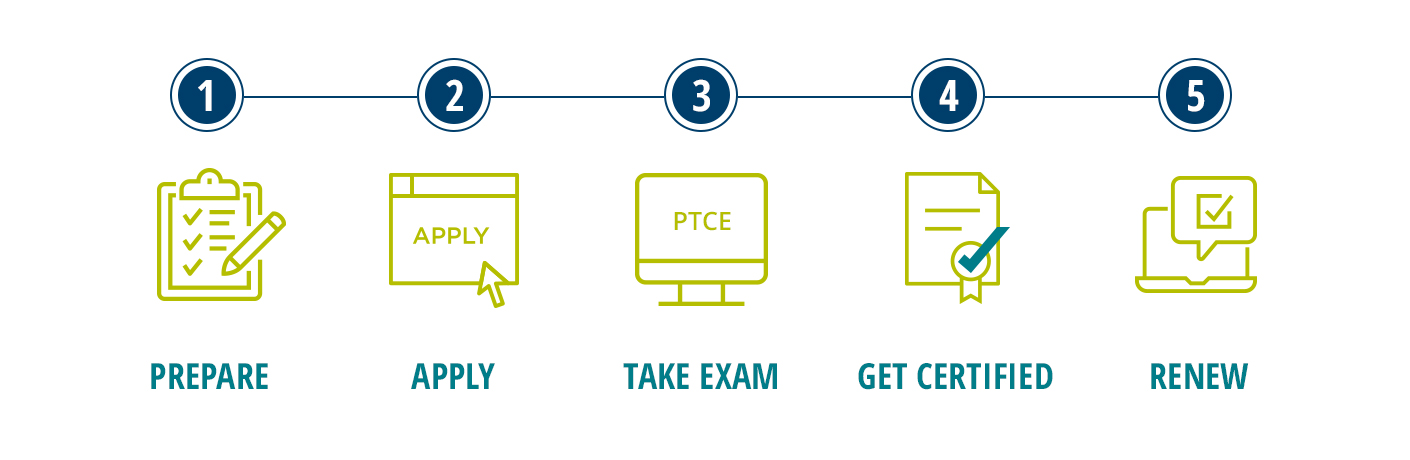
Maintaining your pharmacy tech license is just as important as getting it. Most states require you to renew your license every 1 to 2 years. This process often includes completing continuing education (CE) credits.
Continuing education keeps you updated on new drugs, technology, and safety protocols. For example, some states ask for 20 hours of CE every two years, including specific topics like patient privacy or medication errors.
Missing renewal deadlines can cause your license to expire, meaning you cannot legally work until it’s reinstated. Setting reminders for renewal dates and CE deadlines can save you time and stress.

Credit: intercoast.edu
Career Growth
Thinking about your future as a pharmacy technician? Understanding the career growth potential can help you decide if this path aligns with your goals. Pharmacy tech roles offer more than just entry-level jobs; there are clear steps you can take to advance and increase your earnings over time.
Advancement Opportunities
Starting as a pharmacy technician, you can move into specialized roles such as compounding, inventory management, or even supervisory positions. Gaining certifications like the Certified Pharmacy Technician (CPhT) can boost your chances of promotion.
Have you considered expanding your skills to include customer service or medication therapy management? These skills make you valuable to employers and open doors to leadership roles.
Salary Expectations
Pharmacy tech salaries vary based on location, experience, and certifications. Entry-level technicians may earn a modest wage, but with experience and additional credentials, your salary can grow significantly.
For example, techs working in hospitals often earn more than those in retail pharmacies. Are you ready to invest in your education to increase your earning potential?
Choosing The Right Path
Choosing the right path to become a pharmacy technician can feel overwhelming. You might wonder if a degree is necessary or if other routes could work better for your goals. Understanding your options and the impact of each choice helps you make a confident decision about your future.
Factors To Consider
Think about your current situation and what you want from your career. Are you looking for quick entry into the workforce, or are you aiming for long-term growth?
Consider these key points:
- Time commitment:Degree programs usually take longer but offer deeper knowledge.
- Cost:Tuition fees can add up, so weigh expenses against potential earnings.
- Certification requirements:Some states require certification, which may or may not need a formal degree.
- Hands-on experience:Practical training can be just as valuable as classroom learning.
Ask yourself: What balance of education and practical skills will prepare you best for the role?
Long-term Benefits
Having a degree can open doors to advanced positions or specializations within pharmacy tech careers. It might also give you an edge in competitive job markets.
On the other hand, starting with a certificate or on-the-job training can get you working sooner. This approach offers immediate income and experience, which sometimes leads to promotions.
Think about how your choice fits your career goals over the next five to ten years. Will investing in a degree pay off in terms of salary, job security, or job satisfaction?
Remember, your path is personal. The best option aligns with both your current needs and your future ambitions.
Credit: ptcb.org
Frequently Asked Questions
Is A Pharmacy Tech Degree Necessary?
A degree is not mandatory for pharmacy techs. Many positions require certification or on-the-job training. Some states mandate formal education or certification. Research local requirements for clarity. However, having a degree can enhance job prospects and career growth.
What Qualifications Do Pharmacy Techs Need?
Pharmacy techs need a high school diploma or GED. Certification is often required, obtained through exams. On-the-job training is common. Some states require formal education programs. Verify state-specific requirements to ensure compliance.
Can You Become A Pharmacy Tech Online?
Yes, online programs offer pharmacy tech training. These programs provide flexibility and comprehensive education. They often include exam preparation for certification. Online learning allows students to balance work and study. Verify accreditation before enrolling in any program.
How Long Does Pharmacy Tech Training Take?
Training duration varies by program. Many programs last between six months to two years. Certification exams follow training completion. On-the-job training may extend the timeline. Check program specifics for exact durations.
Conclusion
A degree is not always needed to become a pharmacy tech. Many employers accept certificates or on-the-job training. Some states require certification or formal education. Skills like attention to detail and good communication matter a lot. Choosing the right path depends on your goals and local rules.
This career can be rewarding with or without a degree. Keep learning and gaining experience to grow in this field.