How Do I Become an Mri Tech: Ultimate Guide to Launch Your Career
Are you curious about how to become an MRI tech? If you want a career that combines technology, healthcare, and helping people, this path might be perfect for you.
Becoming an MRI tech opens doors to a rewarding job with great growth potential. You’ll discover clear steps to start your journey, what skills you need, and how to stand out in this field. Keep reading, and you’ll find everything you need to turn your interest into a successful career.
Credit: www.mtmi.net
Education Requirements
Understanding the education requirements is key to becoming a successful MRI technologist. Your educational background lays the foundation for mastering the technical skills and medical knowledge needed in this field. Let’s break down the essential courses and certifications you’ll need to get started.
High School Courses To Focus On
Start by strengthening your science and math skills in high school. Classes like biology, chemistry, and physics will give you a head start on understanding human anatomy and the science behind MRI technology.
Don’t overlook math courses such as algebra and geometry. These develop your problem-solving skills, which are crucial when working with complex imaging equipment.
Also, take advantage of computer science or technology classes. Familiarity with technology helps you adapt quickly to the software used in MRI machines.
Degree And Certification Options
After high school, you typically need an associate’s degree in radiologic technology or a related field. Some programs offer specialized tracks focused directly on MRI technology.
Certification is often required to work as an MRI tech. The American Registry of Radiologic Technologists (ARRT) offers a credential that many employers demand.
You can prepare for ARRT certification by completing an accredited educational program and passing their exam. Some states may also require a license, so check your local regulations.
Consider these programs and certifications as the stepping stones to your career. What educational path fits your schedule and learning style best?
Certification And Licensing
Getting certified and licensed is a crucial part of becoming a skilled MRI technologist. Certification proves your knowledge and skills, while licensing ensures you meet the legal requirements to practice in your state. Both steps boost your credibility and open doors to better job opportunities.
Key Certifications Needed
The most recognized certification for MRI techs is the ARRT (American Registry of Radiologic Technologists) MRI Certification. To earn this, you must complete an accredited educational program and pass a comprehensive exam.
Other certifications include:
- ARRT Radiography Certification– often required before specializing in MRI
- NMTCB (Nuclear Medicine Technology Certification Board) MRI Certification– an alternative to ARRT
Having these certifications not only proves your expertise but also shows employers that you are committed to maintaining high standards. Are you ready to invest time in preparing for these exams to set yourself apart?
State Licensing Requirements
Licensing rules for MRI technologists vary widely by state. Some states require a specific license to operate MRI machines, while others accept national certification as proof of qualification.
Check your state’s health department or medical board website to find out exactly what you need. For example, states like California and New York have strict licensing laws, whereas others may have minimal or no licensing requirements.
Remember, keeping your license current often means completing continuing education. How will you stay updated with evolving MRI technology and healthcare regulations throughout your career?
Skills And Qualities Needed
Becoming an MRI technician requires a blend of specific skills and personal qualities. These ensure safe and accurate imaging, as well as patient comfort. Skills fall into two main categories: technical and interpersonal. Both are essential for success in this field.
Technical Skills
- Understanding MRI machine operation and safety protocols.
- Knowledge of human anatomy and medical terminology.
- Ability to position patients correctly for clear images.
- Skill in adjusting machine settings to get the best results.
- Basic computer skills for handling imaging software.
- Attention to detail to spot image quality issues.
- Following strict hygiene and infection control rules.
Interpersonal Skills
- Good communication to explain procedures clearly to patients.
- Empathy to ease patient anxiety and discomfort.
- Patience when working with nervous or uncooperative patients.
- Teamwork to collaborate with doctors and nurses.
- Reliability to follow safety and privacy guidelines carefully.
- Problem-solving to handle unexpected situations calmly.
Gaining Practical Experience
Gaining practical experience is a crucial part of becoming a successful MRI technologist. It bridges the gap between classroom knowledge and real-world skills. Without hands-on experience, your understanding of MRI technology will remain incomplete.
Clinical Training And Internships
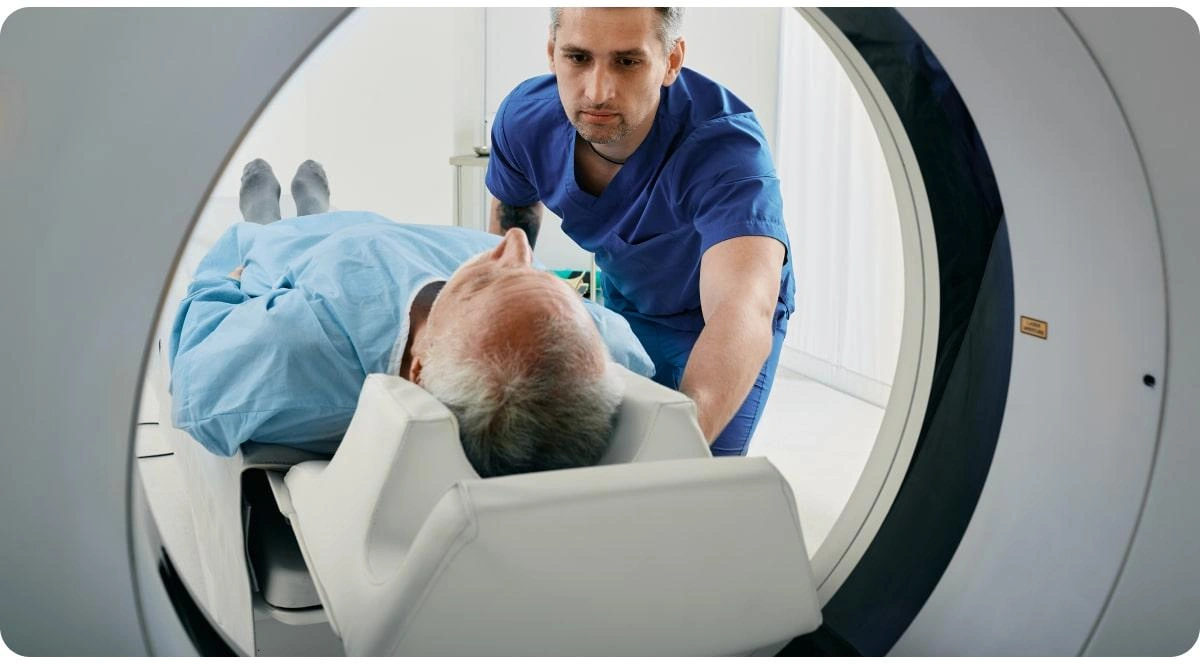
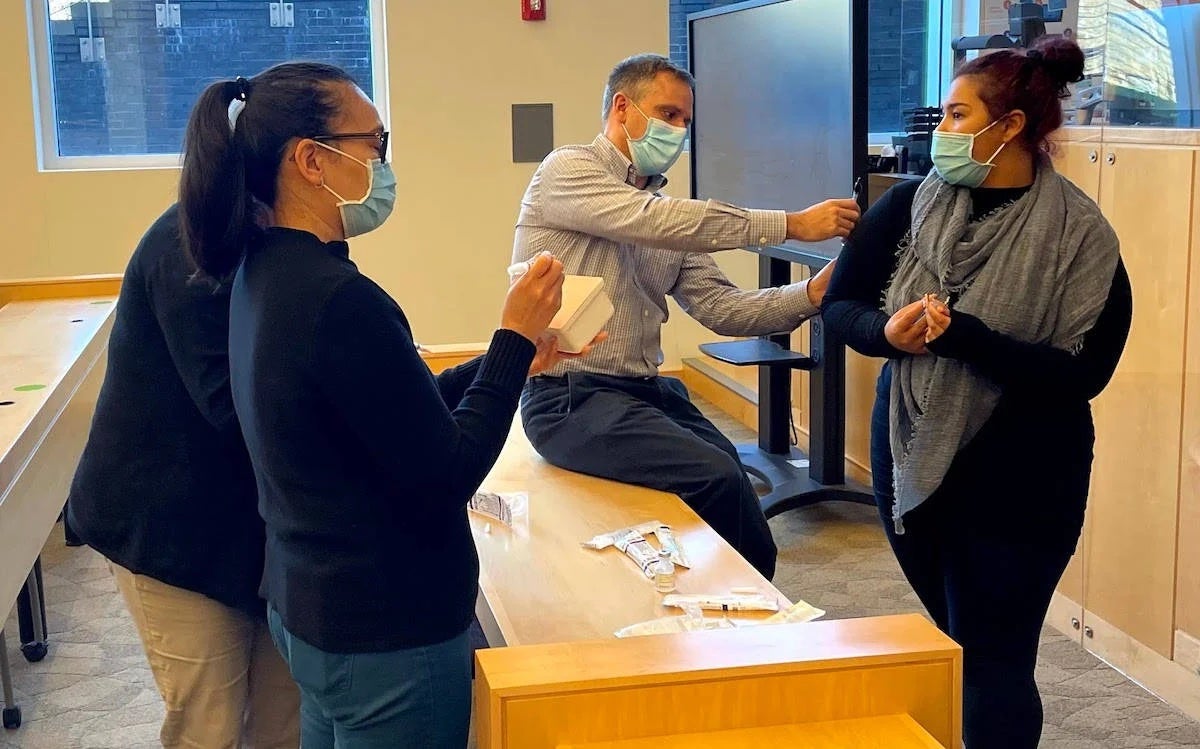
Clinical training offers direct exposure to MRI machines and patient care. During this time, you’ll learn to operate equipment, position patients, and recognize image quality issues.
Internships often last several weeks or months and are usually part of accredited MRI programs. You get supervised practice, allowing you to build confidence and improve technical skills.
Think about it this way: Have you ever tried to learn a physical skill just by reading about it? Clinical training ensures you don’t just know the theory but can actually perform MRI scans safely and accurately.
Volunteering And Entry-level Jobs
Volunteering in hospitals or imaging centers can give you valuable insight into the healthcare environment. Even if you’re not operating the MRI machine yet, you can observe procedures and interact with professionals.
Entry-level jobs like radiology assistant or technician aide help you understand workflow and patient communication. These roles build your foundation and make your resume stronger.
Ask yourself: What can I learn from working alongside experienced MRI techs? The answer is often more than just technical skills—it’s about teamwork, problem-solving, and patient empathy.
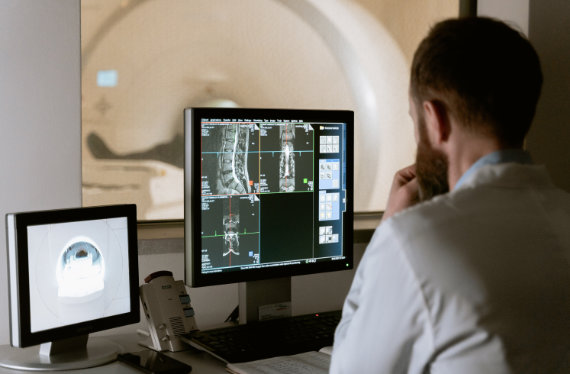
Credit: www.regiscollege.edu
Job Search Strategies
Landing a job as an MRI tech requires more than just the right qualifications. How you present yourself and where you look can make a big difference. Effective job search strategies put you ahead of the competition and open doors to opportunities you might not find otherwise.
Building A Strong Resume
Your resume is your first impression. Make sure it highlights your MRI certifications, clinical experience, and any specialized training clearly and concisely.
Use bullet points to list your skills and achievements. For example, mention your proficiency with MRI machines, patient care abilities, and knowledge of safety protocols.
Don’t forget to include measurable results or specific cases where your work made a difference. Did you help reduce scan times or improve image quality? These details catch an employer’s eye.
Networking And Job Boards
Networking often leads to opportunities that aren’t advertised publicly. Reach out to professionals you met during your clinical rotations or training programs.
Attend local healthcare events or join online forums focused on radiology and MRI technology. Connecting with peers can give you tips and referrals.
Use job boards like Indeed, Glassdoor, and specialized medical job sites regularly. Set up alerts for MRI tech positions so you never miss a new posting.
Have you considered contacting hospitals directly? Sometimes a phone call or visit to the HR department shows initiative and can get your resume noticed faster.
Advancing Your Mri Tech Career
Advancing your MRI tech career means more than just gaining experience. It involves actively growing your skills and credentials to stand out in a competitive field. Think about what new knowledge or qualifications could open doors for you or lead to higher pay and more responsibility.
Continuing Education
Continuing education keeps your skills sharp and up to date with the latest MRI technology. You can take courses offered by professional organizations or local colleges to learn about new imaging techniques or safety protocols.
Consider setting a goal to complete a certain number of continuing education credits each year. This not only enhances your expertise but also shows employers your commitment to the profession.
Have you checked if your state requires specific continuing education to maintain your certification? Staying compliant can prevent any interruptions in your career.
Specializations And Certifications
Specializing can give you a competitive edge. You might focus on areas such as pediatric MRI, cardiac MRI, or even advanced MRI physics.
Certifications from recognized bodies like the American Registry of Radiologic Technologists (ARRT) boost your credibility. They prove you have mastered specific skills beyond the basic MRI tech training.
- Certified MRI Technologist (ARRT)
- Certification in MRI Safety
- Specialty certifications in neuro or musculoskeletal MRI
Think about which specialization fits your interests and career goals. Could a certification in MRI safety or a subspecialty make you more valuable to employers?
Salary Expectations And Job Outlook
Choosing a career as an MRI technologist comes with promising financial rewards and job prospects. Understanding salary expectations and job outlook helps set realistic goals. This section outlines key details about earnings and future growth.
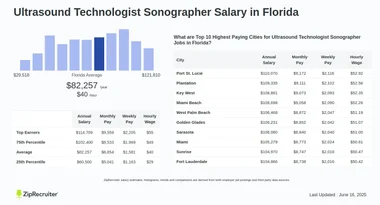
Average Salary Range
The average salary for MRI technologists varies by location and experience. Entry-level positions start around $55,000 per year. With experience, salaries can rise to $75,000 or more annually. Factors affecting pay include:
- Geographic region
- Work setting (hospital, clinic, or private practice)
- Level of certification and education
Some states offer higher wages due to demand and cost of living. Part-time and full-time roles impact total income too.
Employment Growth Trends
Job growth for MRI technologists is steady and positive. The demand for diagnostic imaging is increasing as populations age. This trend creates more job openings.
According to employment data, the growth rate for MRI tech jobs is faster than average compared to other careers. Hospitals and outpatient centers are key employers. Technological advances also drive the need for skilled MRI professionals.
Overall, the field offers solid job security and opportunities for advancement.
Frequently Asked Questions
What Education Is Needed To Become An Mri Tech?
To become an MRI tech, you need at least an associate degree in radiologic technology or MRI technology. Completing accredited programs ensures proper training and eligibility for certification exams.
How Long Does Mri Tech Training Take?
MRI tech training typically takes 1 to 2 years, depending on the program. This includes classroom instruction and clinical experience to develop necessary skills.
Is Certification Required To Work As An Mri Tech?
Yes, certification is often required. The American Registry of Magnetic Resonance Imaging Technologists (ARMRIT) or ARRT certification enhances job prospects and credibility.
What Skills Are Essential For An Mri Technologist?
Key skills include attention to detail, patient care, technical proficiency with MRI machines, and strong communication abilities. These ensure accurate imaging and patient comfort.
Conclusion
Becoming an MRI tech involves dedication and focus. Start by researching accredited programs. Aim for hands-on experience during training. This helps build practical skills. Certification is crucial for career advancement. It opens doors to more opportunities. Continuing education keeps you updated in the field.
It enhances your expertise and value. Networking with professionals offers insights and guidance. Always prioritize patient care and safety. These are vital in healthcare roles. With persistence, you’ll find success in your journey. Remember, every step brings you closer to your goal.
Embrace the challenges and grow professionally. Your hard work will pay off.

Similar Posts