
Are you curious about how to become an X-ray tech and start a rewarding career in healthcare? If you enjoy working with technology and helping others, this path might be perfect for you.
Becoming an X-ray technician opens doors to a vital role where your skills make a real difference in patient care. You’ll discover the clear steps you need to take, the skills you’ll develop, and what to expect along the way.
Keep reading to find out how you can turn your interest into a fulfilling profession.
Career Path For Xray Techs
Starting a career as an X-ray technician offers a clear path filled with both learning and hands-on experience. Knowing what to expect in your job role and the environments you’ll work in can help you prepare effectively. This clarity empowers you to make informed decisions about your education, training, and career growth.
Job Role And Responsibilities
As an X-ray tech, your main job is to operate imaging equipment that helps doctors diagnose illnesses and injuries. You’ll position patients correctly, adjust machinery, and ensure clear, accurate images. Attention to detail is crucial because even a small mistake can affect a diagnosis.
Beyond taking images, you’ll also be responsible for maintaining equipment and following strict safety procedures to protect yourself and patients from radiation. Good communication skills matter—you’ll need to explain procedures clearly and comfort nervous patients. How do you think you’d handle working with patients who are anxious or in pain?
Work Environments
X-ray technicians work in various settings, each with its own pace and challenges. Hospitals are common workplaces where you might face emergency cases that require quick thinking and calm under pressure. In outpatient clinics or imaging centers, the environment tends to be more routine and scheduled.
Some X-ray techs find roles in specialized areas like orthopedic clinics or dental offices, focusing on specific types of imaging. You might also work in mobile imaging units, traveling to different locations. Which environment fits your personality and work style better—fast-paced or steady and predictable?
Educational Requirements
Becoming an X-ray technician requires a solid educational foundation that prepares you for the technical and patient-care aspects of the job. Understanding the educational requirements helps you plan your path efficiently and avoid common pitfalls. Your journey starts well before enrolling in a program and continues as you choose the right accredited degree to gain the skills you need.
High School Courses To Focus On
Before entering any formal X-ray tech program, your high school coursework plays a crucial role. Focus on science subjects like biology and physics, which give you a basic understanding of human anatomy and radiation principles.
Math classes, especially algebra, help you develop problem-solving skills essential for technical work. Don’t overlook courses that improve your communication abilities, such as English and health education. These will prepare you to interact effectively with patients and healthcare teams.
Accredited Programs And Degrees
Choosing an accredited program is vital because it ensures you receive quality education and are eligible for certification exams. Look for programs accredited by the Joint Review Committee on Education in Radiologic Technology (JRCERT).
You can enroll in an associate degree program, which typically takes about two years, or pursue a bachelor’s degree for more advanced opportunities. Some programs combine classroom learning with clinical practice, giving you hands-on experience that employers value.
- Associate Degree in Radiologic Technology: Most common and fastest route.
- Bachelor’s Degree in Radiologic Sciences: Offers broader knowledge and career advancement potential.
- Certificate Programs: Available for those already in healthcare but usually require prior education.
Have you considered how practical training fits into your schedule? Clinical rotations expose you to real X-ray equipment and patient care scenarios, which classroom learning alone cannot provide. This experience often shapes your confidence and competence as a future X-ray tech.
Certification And Licensing
Certification and licensing are essential milestones on your path to becoming an X-ray tech. These credentials prove your skills and knowledge to employers and patients alike. Without them, you cannot legally perform radiologic procedures or work in most healthcare settings.
Key Certifications Needed
The most recognized certification is the ARRT (American Registry of Radiologic Technologists)credential. It requires passing a comprehensive exam that tests your understanding of radiography principles and safety practices.
To be eligible for the ARRT exam, you must complete an accredited radiologic technology program. This ensures you’ve received proper training in anatomy, patient care, and radiation protection.
- ARRT certification must be renewed annually through continuing education.
- Some employers also value certifications in specialized areas like CT scans or MRI.
- Obtaining additional certifications can increase your job opportunities and salary.
State Licensing Procedures
Licensing rules vary widely by state. Some states require you to hold ARRT certification before applying for a license. Others have their own exams or additional requirements.
Check your state’s health department or medical board website for specific steps. Usually, you will need to submit proof of education, pass a background check, and pay a licensing fee.
Keep in mind that state licenses often require periodic renewal. This means you must stay updated with continuing education and maintain your certification status.
Are you ready to navigate the licensing maze to secure your position as a trusted X-ray tech? Understanding these requirements early saves you time and stress later.
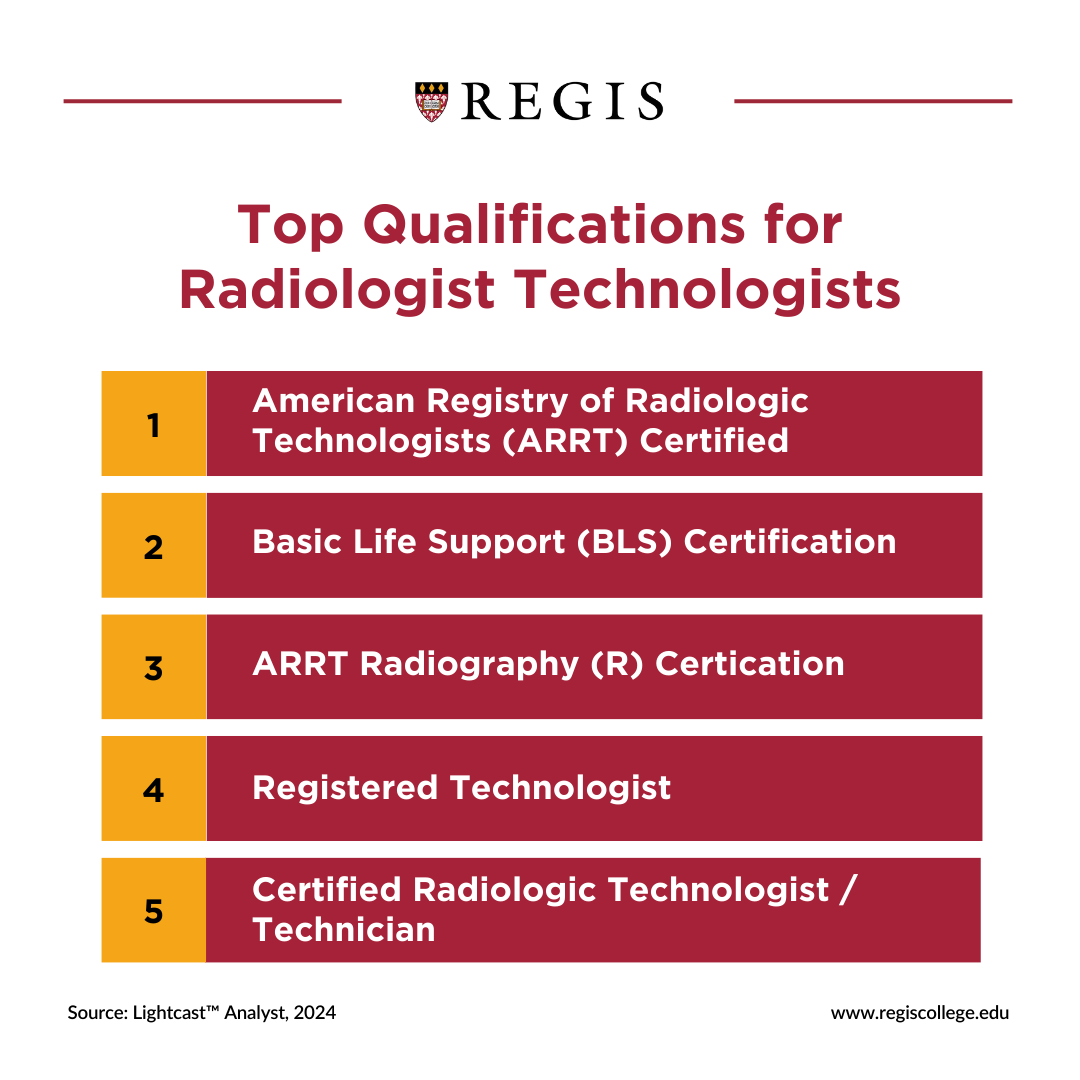
Credit: www.regiscollege.edu
Gaining Practical Experience
Gaining practical experience is essential for anyone aiming to become an X-ray tech. This hands-on learning helps build confidence and skill. It also bridges the gap between theory and real-world work. Practical experience ensures you understand how to operate equipment safely and interact with patients professionally.
Clinical Internships
Clinical internships offer a real hospital or clinic setting to practice skills. Interns work under the supervision of experienced technologists. They learn how to position patients and use X-ray machines correctly. Internships provide exposure to different medical cases and imaging techniques.
This experience is vital for understanding hospital protocols and safety standards. It also helps develop communication skills with healthcare teams and patients. Many X-ray tech programs include internships as part of their curriculum. These placements often lead to job opportunities after graduation.
On-the-job Training
On-the-job training happens after hiring as a junior or assistant X-ray tech. New employees learn specific workplace procedures and equipment models. They receive guidance on handling emergency situations and maintaining records.
This training allows new techs to gain confidence in a real work environment. It also helps them adapt to the pace and demands of healthcare settings. Continuous learning during this phase is key to becoming a skilled X-ray technologist.
Essential Skills For Success
Becoming an X-ray technician requires more than just technical knowledge. Certain skills ensure success in this field. These skills help you perform your job accurately and build trust with patients and coworkers.
Technical Skills
Understanding X-ray equipment is essential. You must know how to operate machines safely and correctly. Knowing anatomy helps position patients for clear images. Attention to detail ensures images are accurate for diagnosis. Basic computer skills aid in managing digital files and reports. Following safety protocols protects both you and the patient from radiation.
Communication And Patient Care
Clear communication calms patients and explains procedures simply. Patience is key when dealing with anxious or uncooperative patients. Listening helps address patient concerns and needs. A friendly attitude makes patients feel comfortable and safe. Teamwork with doctors and nurses improves patient care. Respecting patient privacy and confidentiality builds trust.

Credit: www.tiktok.com
Job Search Strategies
Finding the right job as an X-ray tech requires more than just completing your education and certification. You need targeted job search strategies that highlight your skills and make you stand out to employers. How you present yourself on paper and in person can make all the difference in landing your ideal position.
Building A Strong Resume
Your resume is your first impression. It should clearly showcase your technical skills, certifications, and hands-on experience with radiologic equipment.
Use bullet points to list key responsibilities and achievements in your clinical rotations or past jobs. Quantify your impact when possible—mention the number of patients you handled or any efficiency improvements you contributed to.
- Include relevant certifications like ARRT or state licenses right at the top.
- Highlight soft skills such as communication and patient care, which employers highly value.
- Keep the layout clean and easy to scan; avoid long paragraphs.
Have you asked a trusted mentor or colleague to review your resume? A fresh pair of eyes can catch errors and suggest improvements you might miss.
Interview Tips
Interviews are your chance to prove you’re more than your resume. Prepare to discuss specific cases where you handled complex imaging tasks or ensured patient safety.
Practice answering common questions like how you manage stress during busy shifts or how you stay updated with new radiology technology. Your confidence and clarity will show your readiness for the role.
- Dress professionally and arrive a little early to set a calm tone.
- Bring extra copies of your resume and a list of references.
- Ask thoughtful questions about the facility’s equipment or team structure to demonstrate genuine interest.
Remember, interviews are a two-way street. What do you want to learn about your potential workplace? This mindset helps you engage and assess if the job fits your career goals.
Advancement Opportunities
Advancement opportunities for X-ray technicians expand beyond basic imaging roles. Growth in this field allows you to increase your skills and take on new challenges. Advancing your career can lead to better pay and more job security. It also means working with diverse medical technologies and patient care methods.
Specializations In Radiologic Technology
Specializing helps you focus on a specific area within radiology. Some popular specializations include:
- Computed Tomography (CT)
- Magnetic Resonance Imaging (MRI)
- Mammography
- Bone Densitometry
Specialists often earn higher salaries and have more job options. These roles require extra training and certification. Specializing can make your work more interesting and rewarding.
Continuing Education
Continuing education keeps your skills up to date. Medical imaging technology changes fast. Classes and workshops help you learn new techniques. Many employers prefer techs who continue their education.
Continuing education can include:
- Advanced certification courses
- Workshops on new equipment
- Seminars about patient care
Staying educated improves your chances for promotions. It also helps you provide better care to patients.

Credit: www.tiktok.com
Frequently Asked Questions
What Qualifications Are Needed To Become An Xray Tech?
To become an Xray tech, you need a high school diploma and completion of an accredited radiologic technology program. Certification and licensing are required in most states.
How Long Does It Take To Become An Xray Tech?
It typically takes 1 to 2 years to complete an accredited program and obtain certification to work as an Xray tech.
What Skills Are Essential For An Xray Technician?
Important skills include attention to detail, technical proficiency, good communication, and patient care abilities for effective and safe imaging.
Is Certification Mandatory For Xray Techs?
Yes, certification from the American Registry of Radiologic Technologists (ARRT) is required in most states to ensure competency and employment.
Conclusion
Becoming an X-ray tech offers a promising career path. The journey involves education, certification, and hands-on experience. Each step builds essential skills for success. Hard work and dedication are key. Stay updated with advancements in medical imaging. This field constantly evolves, creating new opportunities.
Job security and competitive salaries await qualified technicians. Helping patients and working with advanced technology is rewarding. Start your path today with focused goals and determination. The healthcare industry needs skilled professionals. Your future as an X-ray tech can be bright and fulfilling.
Embrace the challenge and enjoy the rewards.