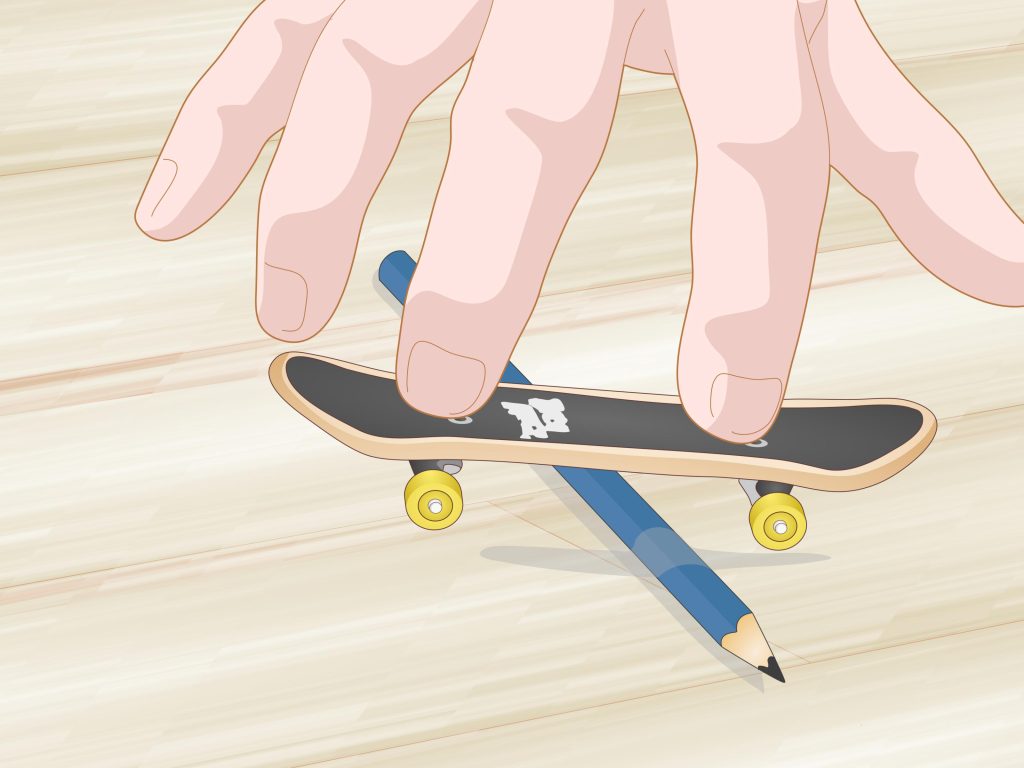
Have you ever wanted to impress your friends by pulling off cool tricks on your Tech Deck? Maybe you’ve seen those amazing flips and spins online and wondered how they do it.
The good news is, you don’t need to be a pro skater to learn these moves—you just need the right tips and a little practice. In this guide, you’ll discover simple steps to master the best Tech Deck tricks. Ready to turn your fingers into a skateboarding powerhouse?
Let’s get started!

Credit: www.instagram.com
Choosing The Right Tech Deck
Choosing the right Tech Deck is the first step to mastering tricks that impress. Your board affects how easily you control flips, grinds, and slides. Picking the perfect setup can make learning new moves smoother and more fun.
Board Size And Shape
The size of your Tech Deck influences how comfortable it feels in your hands. Smaller decks are easier to flip quickly, while larger ones offer more stability. Consider what tricks you want to focus on—technical flip tricks may need a different shape than slides or grinds.
Try holding different sizes before buying. Notice how the shape affects your finger placement and control. This small detail can change how fast you pick up new tricks.
Grip Tape Options
Grip tape helps you keep a steady hold during tricks. Some decks come with rough, sandpaper-like grip, while others have smoother surfaces. If your fingers slip often, you might want a grip tape with more texture for better control.
You can also customize grip tape by adding layers or cutting it to your preference. How much grip do you need to feel confident landing tricks? Experiment with different types to find your balance.
Wheel Types And Bearings
Wheels affect your Tech Deck’s speed and smoothness. Softer wheels grip better on rough surfaces, while harder wheels roll faster but can slip more easily. Bearings inside the wheels determine how smoothly they spin.
Swapping to high-quality bearings can make a big difference in performance. Think about the surfaces you’ll skate on and choose wheels and bearings that match your style. What kind of tricks do you want to master, and how will your wheel setup support them?

Credit: www.youtube.com
Basic Fingerboarding Techniques
Mastering the basics of fingerboarding sets a solid foundation for performing cool tricks on your Tech Deck. These core techniques help you control the board with precision and confidence. Let’s break down some essential skills you need to get started and improve your fingerboarding experience.
Proper Finger Placement
Your fingers are the key to controlling the Tech Deck. Place your index finger near the front bolts and your middle finger near the back bolts. This positioning gives you better control over flips and slides.
Try adjusting the pressure of your fingers slightly to feel how the board responds. Have you noticed how a small change in finger placement can make a trick easier or harder? Experiment until you find the spot that feels natural and responsive.
Pushing And Rolling
Pushing is how you start moving your Tech Deck. Use your middle finger to gently push the board forward while your index finger stays balanced on top. Keep your push smooth to maintain control and build momentum.
Rolling smoothly is about balance and rhythm. Once you push, keep both fingers steady to glide the board forward. Practicing this will help you maintain speed for more advanced tricks.
Balancing On The Board
Balance is everything in fingerboarding. Keep your fingers relaxed but firm, avoiding stiff movements that can throw off your control. The goal is to have your fingers act like shock absorbers, adjusting constantly to the board’s motion.
Try standing still on the board first, feeling how it tilts under your fingers. Can you keep it steady without wobbling? Improving your balance lets you land tricks more consistently and adds confidence to your fingerboarding sessions.
Essential Tricks To Start With
Mastering tricks on a Tech Deck starts with building a solid foundation. Focusing on a few essential tricks first helps you gain control and confidence. These basic moves set the stage for more complex tricks later.
Ollie Basics
The ollie is the cornerstone of fingerboarding tricks. It teaches you how to lift the board off the surface smoothly. Start by placing your index finger near the front bolts and your middle finger on the tail.
Snap the tail down with your middle finger while sliding your index finger forward to level the board in midair. It might feel tricky at first, but practicing this motion repeatedly will improve your timing and balance. Have you tried adjusting finger positions to find what feels natural?
Shuvit Fundamentals
The shuvit involves spinning the board 180 degrees beneath your fingers. Position your middle finger on the tail’s side and your index finger near the front bolts. Instead of popping the board, scoop it sideways with your middle finger.
Catch the board with your fingers after it spins. This trick helps you develop finger coordination and control over the board’s movement. What small changes can you make to your finger pressure to get a cleaner spin?
Kickflip Introduction
Kickflips add a flipping motion to the ollie, making your fingerboarding more dynamic. Begin with the ollie setup, but flick your index finger off the edge of the board just after popping it. The goal is to spin the board along its lengthwise axis.
Timing the flick and catch is key here. Don’t rush—focus on the flick’s direction and speed. How does changing your flick angle affect the board’s flip?

Credit: www.tiktok.com
Advanced Trick Variations
Mastering advanced trick variations on a Tech Deck takes your fingerboarding skills to a new level. These tricks demand precision, timing, and a deeper understanding of board control. Once you get comfortable with the basics, these moves will challenge you to push your limits and sharpen your technique.
Varial Kickflip
The varial kickflip combines a kickflip with a shove-it, spinning the board 180 degrees while flipping it. To nail this trick, you need to flick the board with your fingers just right—too much flick, and the board flips uncontrollably; too little, and it won’t spin fully.
Start by practicing the kickflip and shove-it separately. Then, try to merge the two motions smoothly. Have you noticed how your flicking finger’s position affects the board’s rotation? Experiment with small adjustments until you find your sweet spot.
Impossible Trick
The impossible is a tough trick where the board wraps around your finger in a full 360-degree vertical rotation. This trick requires a flick that lifts the board up and around your finger simultaneously.
It might feel awkward at first, but try to keep your finger steady and focus on the scooping motion. Watch closely how the board moves and try to match that with your finger’s path. Can you feel how subtle wrist movement controls the board’s loop?
Manual And Nose Manual
Manuals and nose manuals are all about balance. A manual means balancing on the back two wheels, while a nose manual shifts that balance to the front two wheels.
These tricks test your control and steadiness. Begin by placing your fingers carefully on the tail or nose and practice holding the balance without letting the board touch the surface. How long can you keep your manual steady before the board drops? Challenging yourself here builds your overall fingerboard handling skills.
Building Consistency And Control
Building consistency and control is key to mastering tricks on a Tech Deck. Without steady control, even the coolest tricks can look sloppy or fail. When you focus on consistency, your fingers learn the exact movements needed, turning tricky combos into smooth, repeatable actions.
Practice Routines
Creating a solid practice routine helps your muscle memory grow stronger. Try setting aside short, focused sessions daily instead of long, irregular ones. This keeps your fingers fresh and your mind sharp.
Break down complex tricks into small parts and repeat each segment until it feels natural. Then, piece the segments together for a seamless performance. Have you noticed how small, steady steps lead to faster improvement?
Improving Finger Coordination
Your fingers need to work like a well-oiled machine to pull off precise Tech Deck tricks. Try exercises that target finger independence, such as tapping each finger individually on a flat surface.
Another way is to practice moving your thumb and index finger together, then add the middle finger for more control. Over time, this builds the fine motor skills necessary for flipping and spinning the Tech Deck.
Overcoming Common Mistakes
Slipping Tech Decks or missed landings can be frustrating but identifying the root causes will speed your progress. Are you applying too much force or not enough? Adjusting your pressure can make a big difference.
Watch for hesitations during trick execution; these often cause loss of balance. Staying confident and fluid in your movements improves control and reduces errors. What small adjustment could you make right now to land your next trick perfectly?
Using Obstacles And Ramps
Using obstacles and ramps on a Tech Deck adds excitement to your tricks. These elements mimic real skate parks and challenge your skills. They help improve control and timing while making your routines more creative.
Setting Up Mini Skate Parks
Create a small skate park with everyday items. Use books, boxes, or small boards to build ramps and ledges. Arrange them to form different angles and heights. Space the obstacles for smooth movement between tricks. A well-set park makes practicing more fun and realistic.
Grinding Techniques
Grinding means sliding the Tech Deck along an edge. Start by balancing the board on the obstacle’s side. Push gently to slide forward without losing control. Keep your fingers steady to maintain balance. Practice on rails or ledges made from household items. Small, slow slides help build confidence and accuracy.
Combining Tricks On Ramps
Use ramps to link tricks smoothly. Start with a simple trick like an ollie to get on the ramp. Follow with a flip or spin at the top. End by rolling down carefully. Practice timing between each move to avoid falls. Combining tricks makes your performance flow and look impressive.
Maintaining Your Tech Deck
Maintaining your Tech Deck is essential for smooth tricks and long-lasting fun. A well-kept board performs better and feels more responsive. Small care routines can prevent damage and keep your Tech Deck looking fresh.
Regular maintenance saves money by avoiding frequent replacements. Simple cleaning and occasional part changes keep everything working well. Personalizing your board also adds a unique touch and improves control.
Cleaning And Lubricating Wheels
Remove dirt and dust from the wheels often. Use a soft brush or cloth to clean hard-to-reach spots. Lubricate the wheel bearings with a light oil to keep them spinning freely. Avoid using too much oil to prevent attracting dust.
Replacing Parts
Check your Tech Deck for worn or broken parts regularly. Replace worn-out wheels, trucks, or screws to keep the board safe and functional. Use original or compatible parts for the best fit. Keep small tools handy for quick repairs.
Customizing Your Board
Add grip tape or stickers to improve control and style. Change wheels to match your riding style or surface type. Adjust trucks for tighter or looser turns based on your preference. Customizing helps make your Tech Deck truly yours.
Joining The Fingerboarding Community
Joining the fingerboarding community is a great way to learn new tricks and meet others who share your passion. It helps you stay motivated and improve faster. Connecting with others brings fun and support as you practice Tech Deck tricks.
Online Forums And Groups
Online forums and social media groups are popular places to share tips and videos. You can ask questions and get advice from experienced fingerboarders. These groups often post tutorials and discuss new tricks. Joining them keeps you updated on the latest trends and gear.
Competitions And Events
Fingerboarding competitions and local events bring players together to show their skills. They offer a chance to compete and learn from others. These events create a friendly environment to meet new friends and see different styles of tricks. Everyone can join, no matter your skill level.
Sharing Your Progress
Sharing videos and photos of your tricks helps track your growth. Posting your progress encourages feedback and support from others. It also inspires fellow fingerboarders to keep practicing. Regularly sharing keeps you focused and proud of your achievements.
Frequently Asked Questions
How Do You Start Learning Tech Deck Tricks?
Begin by mastering basic tricks like the ollie and kickflip. Practice regularly to improve your finger dexterity. Watch tutorials online for step-by-step guidance. Join Tech Deck communities to share tips. Gradually, you’ll build confidence and skill to try more complex tricks.
What Are The Easiest Tech Deck Tricks?
Start with the ollie and pop shove-it, as they are beginner-friendly. The kickflip and manual are also simple to learn. Practice these tricks daily to enhance your skills. Watching video tutorials can help you understand the techniques better. These tricks lay the foundation for advanced moves.
How Can I Improve My Tech Deck Skills?
Practice consistently and focus on finger placement and control. Watch tutorials for detailed guidance on techniques. Join online communities for tips and support. Experiment with different boards to find what suits you best. Over time, you’ll notice significant improvements in your skills.
Why Are Fingerboards Popular Among Skaters?
Fingerboards offer a miniature version of skateboarding, allowing skaters to practice tricks anytime. They enhance finger dexterity and creativity. Fingerboarding is accessible, affordable, and can be done indoors. It’s a great way to learn new tricks and connect with other enthusiasts globally.
Conclusion
Practicing tricks on a Tech Deck takes time and patience. Start with simple moves and build your skills step by step. Watch videos or ask friends to learn new tricks. Keep your fingers steady and control your speed. Remember, falling is part of learning.
Enjoy the process and have fun with your Tech Deck. Small daily practice helps improve your tricks fast. Soon, you will do cool moves smoothly and confidently. Keep trying, and don’t give up!