How Long is Pharmacy Tech School: Ultimate Guide to Timeline
Are you curious about how long pharmacy tech school really takes? If you’re thinking about starting a career as a pharmacy technician, knowing the time commitment is key.
You want to plan your schedule, set realistic goals, and get into the workforce as soon as possible. This article breaks down exactly how much time you’ll need to spend in school, so you can make smart decisions and move forward with confidence.
Keep reading to find out what to expect and how to prepare for your new career.
Credit: www.georgiancollege.ca
Pharmacy Tech School Duration
The duration of pharmacy tech school varies widely based on the program type and study pace. Understanding how long it takes helps plan your education and career path effectively. Some programs offer quick certification, while others provide in-depth training over several months.
Typical Program Lengths
Most pharmacy tech programs last between a few months and two years. Certificate or diploma courses often take 6 to 12 months. These programs focus on essential skills and knowledge.
Associate degree programs usually take about two years. They include general education and advanced pharmacy topics. This option suits students wanting more comprehensive training.
- Certificate/Diploma: 6 to 12 months
- Associate Degree: Around 2 years
- Online programs: Flexible timing, often 6 to 18 months
Factors Influencing Duration
Several factors can change how long pharmacy tech school takes. Part-time study extends the length of the program. Full-time students finish faster due to more weekly classes.
Clinical practice requirements also affect duration. Some programs include hands-on training in pharmacies. This practical experience can add weeks or months.
State certification rules impact program length too. Certain states demand specific coursework or hours. These rules ensure technicians meet local standards.
Types Of Pharmacy Tech Programs
Choosing the right pharmacy tech program is crucial for your career path. Different types of programs offer varying lengths, costs, and depth of training. Understanding these options helps you find the best fit for your goals and timeline.
Certificate Programs
Certificate programs are the quickest way to enter the field. They typically take a few months to complete, focusing on essential skills and knowledge needed for entry-level positions.
These programs often include hands-on training and prepare you for certification exams. If you want to start working fast, a certificate program might be your best choice.
Diploma Programs
Diploma programs usually take around 9 to 12 months. They offer more comprehensive training than certificate programs, covering additional pharmacy practices and patient care.
Many employers value diploma graduates for their deeper understanding of pharmacy operations. If you’re aiming to build a solid foundation without committing to a longer degree, diplomas are worth considering.
Associate Degree Programs
Associate degree programs last about two years and provide the most in-depth education. Besides pharmacy tech skills, they include general education courses like math and communication.
This program prepares you not only for immediate employment but also for future career growth. If you want a more robust education and possibly higher pay, an associate degree is a smart investment.
Coursework And Training
The coursework and training in pharmacy tech school build the foundation for your career. Students learn key skills and knowledge needed to assist pharmacists. The program combines classroom lessons with practical training. This mix helps students understand pharmacy operations and patient care.
Core Subjects
Pharmacy tech students study important subjects such as:
- Pharmacology basics
- Medical terminology
- Pharmacy law and ethics
- Medication safety
- Dosage calculations
- Inventory management
- Health record keeping
These topics teach students how medicines work and how to handle them properly. Understanding these areas is crucial for daily pharmacy tasks.
Hands-on Experience
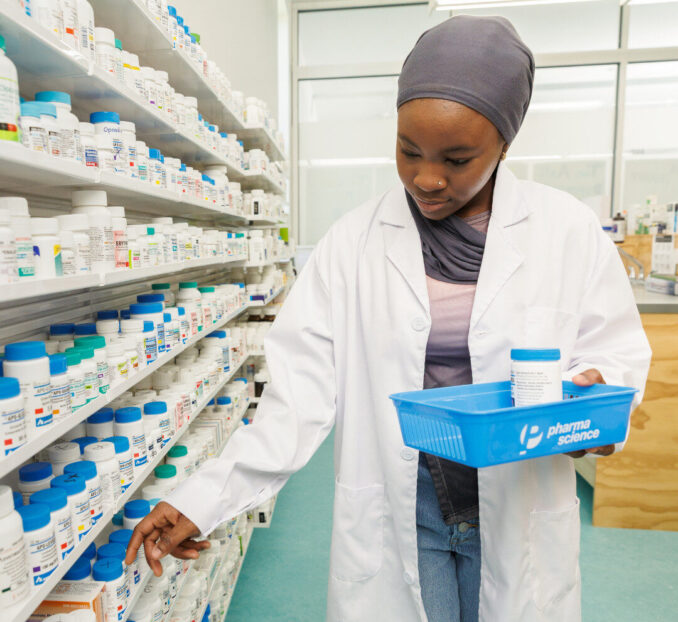
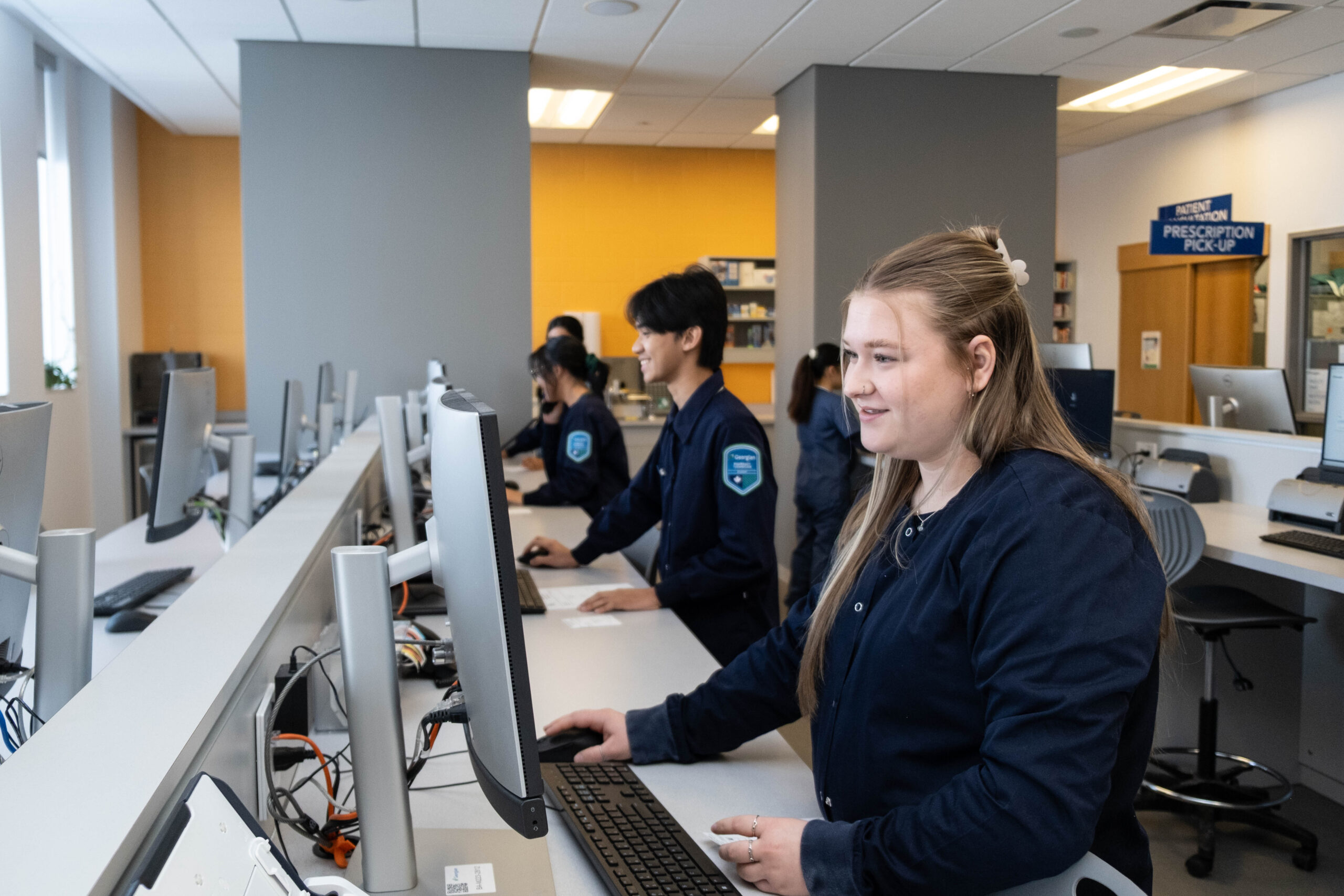
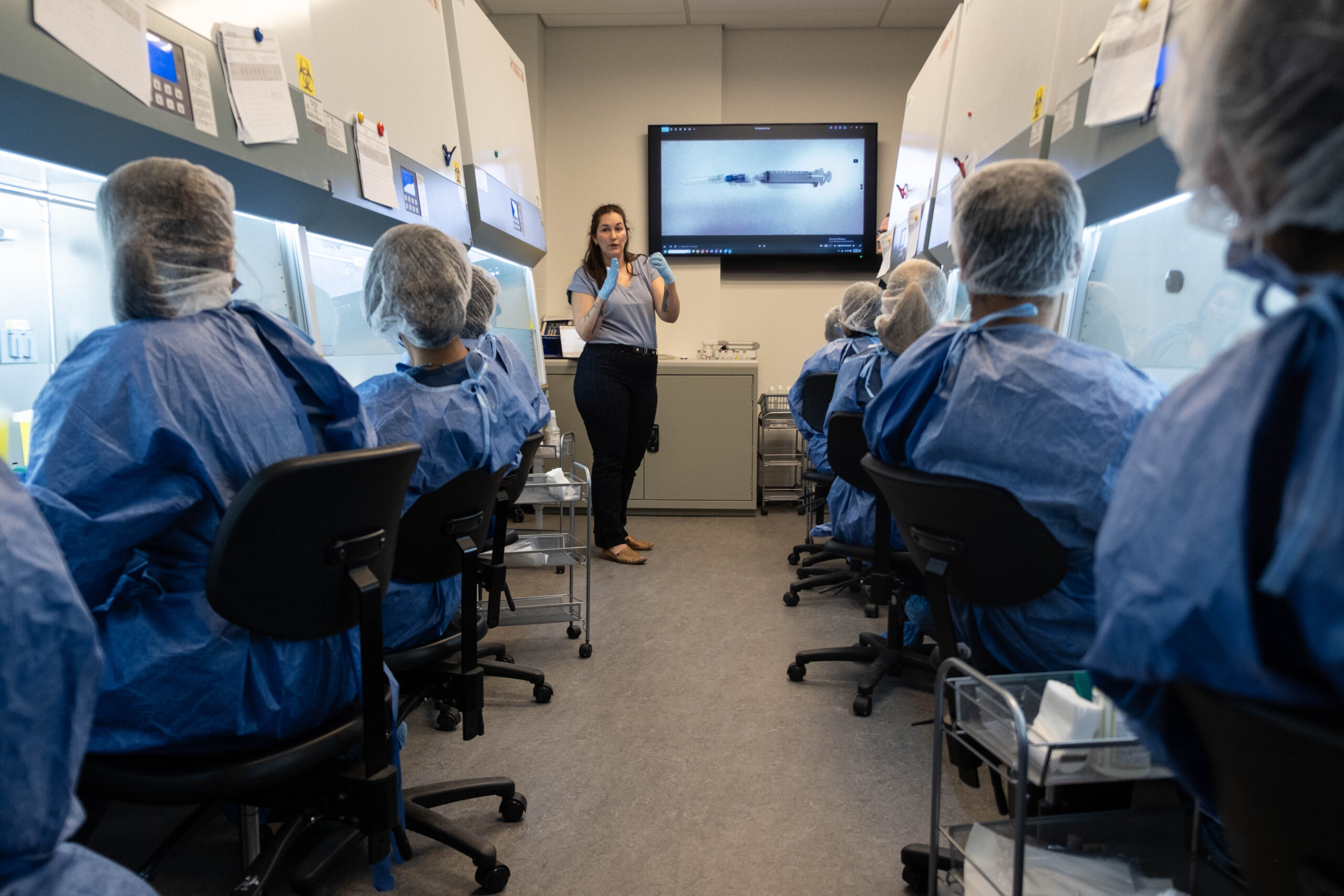
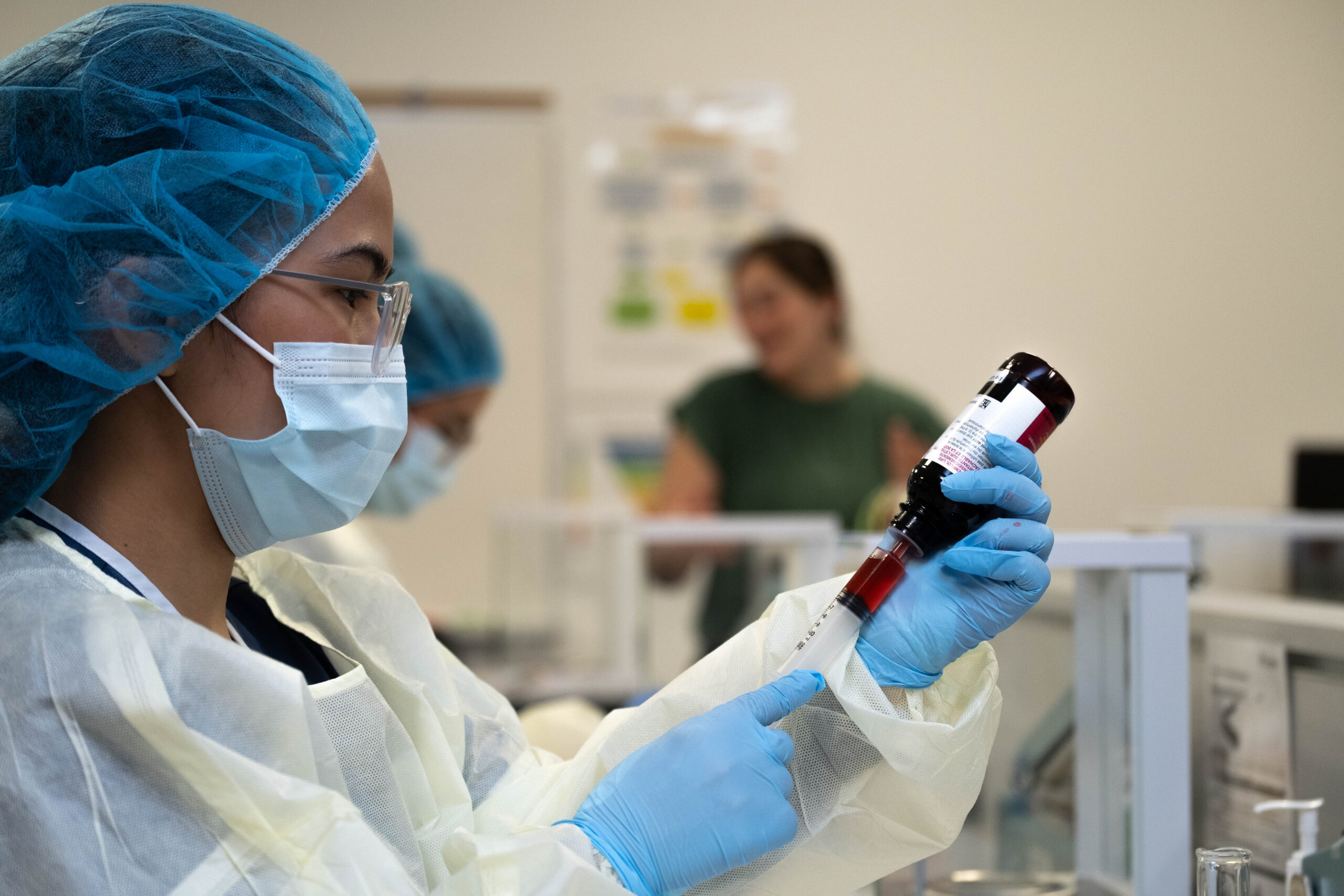
Students get practical skills through lab sessions and simulations. They practice measuring medication and using pharmacy software. This training prepares them for real pharmacy environments. It also improves accuracy and confidence in handling prescriptions.
Externships And Internships
Most programs include externships or internships at pharmacies or hospitals. This real-world experience allows students to observe and assist licensed pharmacists. It helps them apply classroom knowledge in actual work settings. These opportunities often lead to job offers after graduation.
Credit: www.georgiancollege.ca
Certification And Licensing Timeline
The certification and licensing timeline for pharmacy technicians varies by state and program. It begins after completing pharmacy tech school and involves exams and state approvals. Understanding this timeline helps plan your career path efficiently.
Certification Exams
Most states require pharmacy tech certification exams. The two main exams are the PTCB and ExCPT. These tests evaluate your knowledge of pharmacy practice and medication safety. You can usually take the exam soon after finishing your training. Passing the exam shows you meet national standards.
State Licensing Requirements
Each state has its own licensing rules for pharmacy technicians. Some states require registration with their board of pharmacy. Others may ask for background checks or proof of education. Licensing often depends on passing a certification exam. Check your state’s specific rules to avoid delays.
Continuing Education
Continuing education keeps pharmacy tech skills current. Many states and certification bodies require regular training. This includes courses on new drugs and pharmacy laws. Usually, you must complete a set number of hours every one or two years. Staying updated ensures your license stays active.
Factors Affecting Completion Time
How long it takes to finish pharmacy tech school depends on several key factors. These can change your learning pace and schedule significantly. Understanding these elements helps you plan better and choose the right path for your career goals.
Full-time Vs Part-time Study
Choosing between full-time and part-time study greatly affects how quickly you complete your program. Full-time students often finish in about 6 months to a year because they dedicate more hours per week to classes and practice.
Part-time study suits those balancing work or family commitments. It stretches the program to around 12 to 18 months or more. Though slower, it offers flexibility that can keep you motivated without burning out.
Have you thought about how much time you can realistically commit each week? Your answer will guide whether full-time or part-time fits your lifestyle and goals.
Online Vs On-campus Programs
Online and on-campus pharmacy tech programs both lead to certification, but their formats influence completion time. Online programs often allow self-paced learning, which can speed up or slow down your progress based on your discipline.
On-campus programs usually have fixed schedules and deadlines. This structure can push you to finish faster but might be less flexible if unexpected life events arise.
- Online:Learn anytime, anywhere, but requires strong self-motivation.
- On-Campus:Set class times and hands-on training, with more direct instructor support.
Which environment helps you stay focused and on track? Your answer could make a big difference in how soon you earn your certification.
Career Path After School
After completing pharmacy tech school, many new opportunities arise. The career path can start with basic roles that build essential skills. Growth depends on experience, certifications, and workplace performance. The journey can lead to various positions in healthcare settings.
Entry-level Positions
Graduates often begin as pharmacy technicians in hospitals or retail pharmacies. These roles involve helping pharmacists prepare and distribute medicines. Tasks include managing inventory, handling prescriptions, and assisting customers. Entry-level jobs give practical experience and understanding of pharmacy operations. These positions usually require passing a certification exam.
Advancement Opportunities
With experience, pharmacy techs can move to specialized roles. Some focus on areas like oncology, compounding, or nuclear pharmacy. Others may become lead technicians or supervisors. Additional training and certifications improve chances for promotion. Some techs pursue further education to become pharmacists or healthcare managers. Advancement depends on skills, dedication, and continuous learning.
Credit: www.georgiancollege.ca
Frequently Asked Questions
How Long Does Pharmacy Tech Training Take?
Pharmacy tech programs typically last from 6 months to 2 years. Duration depends on the type of program you choose. Certificate programs are shorter, while associate degrees take longer. Consider your career goals when deciding. Online and part-time options may also affect the length of training.
Can You Become A Pharmacy Tech Quickly?
Yes, you can become a pharmacy tech quickly. Certificate programs can be completed in as little as 6 months. These programs focus on essential skills needed for entry-level positions. Quick paths are ideal if you want to start working soon.
What Factors Affect Pharmacy Tech Program Length?
Several factors affect pharmacy tech program length. Type of program, full-time or part-time enrollment, and online options are key factors. Certificate programs are shorter, while associate degrees take longer. Your personal schedule and commitments can also influence duration.
Is Online Pharmacy Tech School Shorter?
Online pharmacy tech school can be shorter. Many online programs offer flexible schedules, allowing faster completion. You can learn at your own pace, which may reduce the time needed. However, it depends on the program structure and your dedication.
Conclusion
Pharmacy tech school usually takes between six months to two years. This depends on the program and your schedule. Shorter programs offer basic training fast. Longer ones provide deeper knowledge and skills. You can start working soon after finishing. Certification often helps improve job chances.
Many schools offer flexible classes for busy students. Choose a program that fits your time and goals. Becoming a pharmacy technician is a smart step. It opens doors to steady work in healthcare. Ready to begin? The path is clear and short.