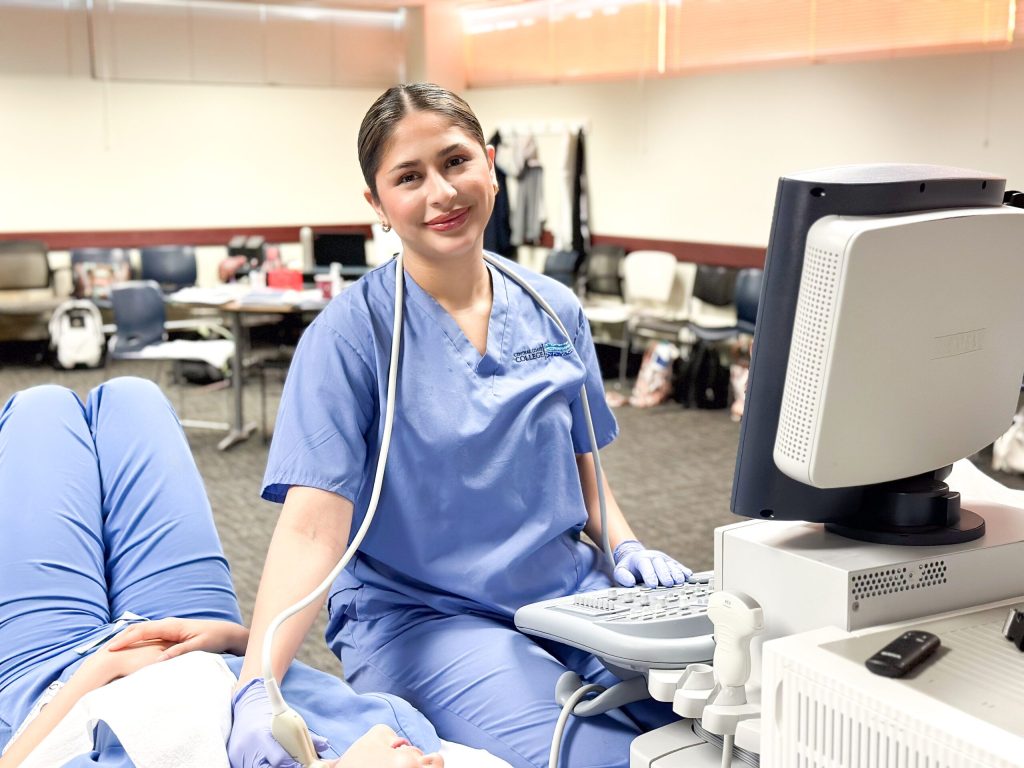
Are you thinking about becoming an ultrasound technician but wondering, “How long is the ultrasound tech program?” You’re not alone.
Knowing the time commitment helps you plan your future and take the next step with confidence. You’ll discover exactly how much time you’ll need to invest to complete the program and start your career. Keep reading to find out what to expect and how to make the most of your training.

Credit: centralcoastcollege.edu
Program Length Options
The ultrasound tech program offers various lengths to fit different needs. Students can choose from short certificates to longer degree programs. Each option prepares you to work as an ultrasound technician.
Understanding the program length helps plan your education and career path clearly. The main choices include certificate programs, associate degrees, and bachelor degrees.
Certificate Programs
Certificate programs usually last 12 to 18 months. They focus on practical skills and basic ultrasound knowledge. These programs are ideal for quick entry into the field. Most require a high school diploma or some college credits.
Students learn to operate ultrasound equipment and understand anatomy. Clinical experience is often part of the curriculum. Certificate programs prepare you for entry-level positions.
Associate Degree Programs
Associate degrees take about 2 years to complete. These programs provide a deeper understanding of ultrasound technology. They cover more science and technical courses than certificates.
Students gain hands-on training through clinical rotations. The degree offers better job opportunities and higher pay. Many employers prefer candidates with an associate degree.
Bachelor Degree Programs
Bachelor degrees require roughly 4 years of study. They include advanced topics in medical imaging and patient care. These programs offer leadership and research training too.
A bachelor’s degree can lead to specialized roles or management positions. It is best for those seeking long-term career growth. Bachelor programs often include internships for real-world experience.
Factors Influencing Duration
The length of an ultrasound tech program can vary quite a bit. Several key factors shape how long it will take you to finish. Understanding these will help you plan your education path better and avoid surprises along the way.
Full-time Vs Part-time Study
Choosing between full-time and part-time study has a big impact on program length. Full-time students typically finish faster, often in 12 to 18 months. Part-time students might take two to three years, balancing school with work or family.
Think about your current commitments. Can you dedicate most of your day to classes and studying? If not, part-time might fit better, but expect a longer timeline.
Clinical Training Requirements
Hands-on clinical experience is a core part of ultrasound tech programs. Schools require a set number of clinical hours, usually between 1,000 and 1,500. This experience can’t be rushed—it’s essential to developing your skills.
Programs with more intensive clinical hours naturally extend your total study time. Also, scheduling clinical rotations depends on facility availability, which can add to the duration.
Prerequisite Courses
Before starting the main ultrasound tech program, you may need to complete prerequisite courses. These often include anatomy, physiology, and medical terminology. If you already have these credits, you’ll start sooner.
If not, expect to spend additional months completing prerequisites. Some students use this time to build a strong foundation, which can make the rest of the program easier and more effective.
Typical Program Timelines
Understanding the typical timelines for an ultrasound tech program helps you plan your education and career path effectively. These programs vary in length based on the structure and intensity of the courses. Knowing how long it usually takes can help you decide which option fits your lifestyle and goals best.
Average Completion Time
Most ultrasound tech programs take about 18 to 24 months to complete. This timeframe includes both classroom learning and hands-on clinical practice. If you follow a standard full-time schedule, expect to spend roughly two years before you’re ready to enter the workforce.
Think about your current commitments. Can you dedicate two years to focused study? This average timeline balances deep learning with practical experience, essential for mastering ultrasound technology.
Accelerated Programs
If you want to start your career quickly, accelerated programs might be your best bet. These intensive courses can be completed in as little as 12 months. They require a high level of commitment and fast-paced learning.
Accelerated tracks often suit those with some prior healthcare experience or education. Would you be able to handle a demanding schedule that leaves little room for breaks? These programs push you to learn fast without sacrificing the quality of training.
Extended Programs
On the other hand, extended ultrasound tech programs stretch over 2 to 4 years. These options are ideal if you need to balance studies with work or family responsibilities. They allow you to take fewer classes per term, making the workload more manageable.
Extended timelines give you time to absorb complex material and gain confidence in clinical settings. Could a slower pace improve your learning experience? Many students find that spreading out coursework helps reduce stress and improve retention.

Credit: www.americaninstitute.edu
Certification And Licensing Timeframes
Understanding the certification and licensing timeframes is key to planning your journey as an ultrasound technician. These steps follow your educational program and ensure you meet professional standards. Knowing how long each process takes helps you set realistic career goals and avoid surprises.
Certification Exams
After completing your ultrasound tech program, you’ll need to pass certification exams to prove your skills. Most candidates take the American Registry for Diagnostic Medical Sonography (ARDMS) exam, which tests knowledge and practical abilities.
Preparing for the exam can take anywhere from a few weeks to a few months, depending on your background and study routine. Once you feel ready, scheduling the test is straightforward, but exam dates may fill up quickly in popular locations.
Passing the certification exam is a milestone that opens doors to better job opportunities and higher pay. Have you considered how much time you can dedicate to studying each week? Planning your study schedule early can ease exam stress.
State Licensing Processes
Some states require ultrasound technicians to hold a license in addition to certification. The licensing process varies widely: some states issue licenses automatically after certification, while others have separate requirements.
Obtaining a state license can take from a few weeks to several months. This period includes submitting applications, verifying your credentials, and sometimes completing background checks or additional training.
It’s important to check your state’s specific licensing rules before finishing your program. Have you looked into your state’s requirements yet? Being proactive can help you avoid delays and start working sooner.
Balancing Work And Study
Balancing work and study in an ultrasound tech program can be challenging. Many students juggle jobs, family, and school responsibilities. Finding a schedule that fits your life helps reduce stress. Choosing the right program format can ease this balance. Below are key options to consider.
Flexible Scheduling
Many ultrasound tech programs offer flexible class times. Evening and weekend classes allow working students to attend. Some programs have part-time options to spread out courses. Clinical hours may be scheduled around your availability. This flexibility helps maintain your income while studying.
Online Vs On-campus Options
Online programs provide more freedom to study anywhere. They let you learn at your own pace and time. On-campus programs offer hands-on training with direct instructor support. Some schools offer hybrid models combining both online and on-site classes. Choose the format that fits your learning style and work schedule best.
Career Impact Of Program Length
The length of your ultrasound tech program can shape your career path more than you might expect. It influences the types of jobs you qualify for, the salary you can command, and how quickly you can climb the professional ladder. Understanding these impacts helps you make a smarter choice about your education and future.
Job Opportunities
Shorter programs often lead to entry-level roles, giving you faster access to the workforce. If you choose a longer, more comprehensive program, you might qualify for specialized positions, such as cardiac or vascular sonography.
Ask yourself: Are you aiming to start working quickly, or do you want to focus on a specialty that requires more training? This choice affects the range of job openings available to you.
Salary Expectations
The length and depth of your training can directly influence your paycheck. Employers tend to pay more for candidates with advanced skills gained through longer programs.
For example, ultrasound techs with certifications in multiple specialties often earn higher salaries compared to those with general training. Consider how much extra time you’re willing to invest to increase your earning potential.
Advancement Potential
Longer programs often include leadership and advanced clinical skills, which can open doors to supervisory or educational roles. This can speed up your career growth beyond just technical work.
Think about your long-term goals. Do you want to stay in hands-on scanning, or are you interested in moving into management or teaching? The program length you choose can set the foundation for these options.

Credit: www.ivytech.edu
Frequently Asked Questions
What Is The Duration Of Ultrasound Tech Programs?
Ultrasound tech programs usually last between 12 to 24 months. Program length varies depending on the type of certification or degree sought. Many programs offer flexible schedules, including part-time options. Consider checking specific program details for exact duration, as it can differ by institution and location.
Are There Accelerated Ultrasound Tech Courses Available?
Yes, some institutions offer accelerated ultrasound tech courses. These programs typically last 12 to 18 months. They are designed for students who wish to quickly enter the workforce. However, accelerated courses may require a more intense study schedule, which can impact work-life balance.
Can Ultrasound Tech Training Be Completed Online?
Yes, many schools offer online ultrasound tech training. Online courses often cover theoretical knowledge. Clinical experience is usually gained through in-person internships or externships. Online programs provide flexibility but require self-discipline and commitment to succeed.
What Prerequisites Are Needed For Ultrasound Tech Programs?
Ultrasound tech programs generally require a high school diploma or GED. Some programs may require prerequisite courses in science or math. Check specific program requirements, as they can vary. Meeting prerequisites ensures preparedness for the coursework and clinical training involved.
Conclusion
Ultrasound tech programs usually take between one to two years. Certificate programs are shorter, often around one year. Associate degrees typically require about two years of study. This time includes classroom learning and hands-on training. Completing the program prepares you for certification exams.
The length depends on the program type and your schedule. Choose a program that fits your goals and time. Starting this career is achievable with the right plan. The effort you put in will lead to success.