Are you curious about how long it takes to become a radiology tech? If you’re thinking about starting a career in this fast-growing healthcare field, knowing the time commitment upfront is key.
You want clear answers so you can plan your path without surprises. You’ll discover exactly how much time you need to train, what steps are involved, and tips to speed up your progress. Keep reading to find out how quickly you can start making a difference as a radiology tech.
Radiology Tech Career Path
The path to becoming a radiology tech is clear but requires dedication and planning. Understanding each stage helps you set realistic goals and timelines. Whether you’re switching careers or starting fresh, knowing what lies ahead can keep you motivated and focused.
Educational Requirements
First, you need to complete formal education, typically an associate degree in radiologic technology. This usually takes about 2 years and includes courses in anatomy, patient care, and radiation physics. Some schools offer bachelor’s degrees, which take longer but might open more doors later.
During your studies, you’ll gain hands-on experience through clinical rotations. This real-world practice is crucial to build confidence and skills. Ask yourself: Are you ready to commit to both classroom and clinical learning?
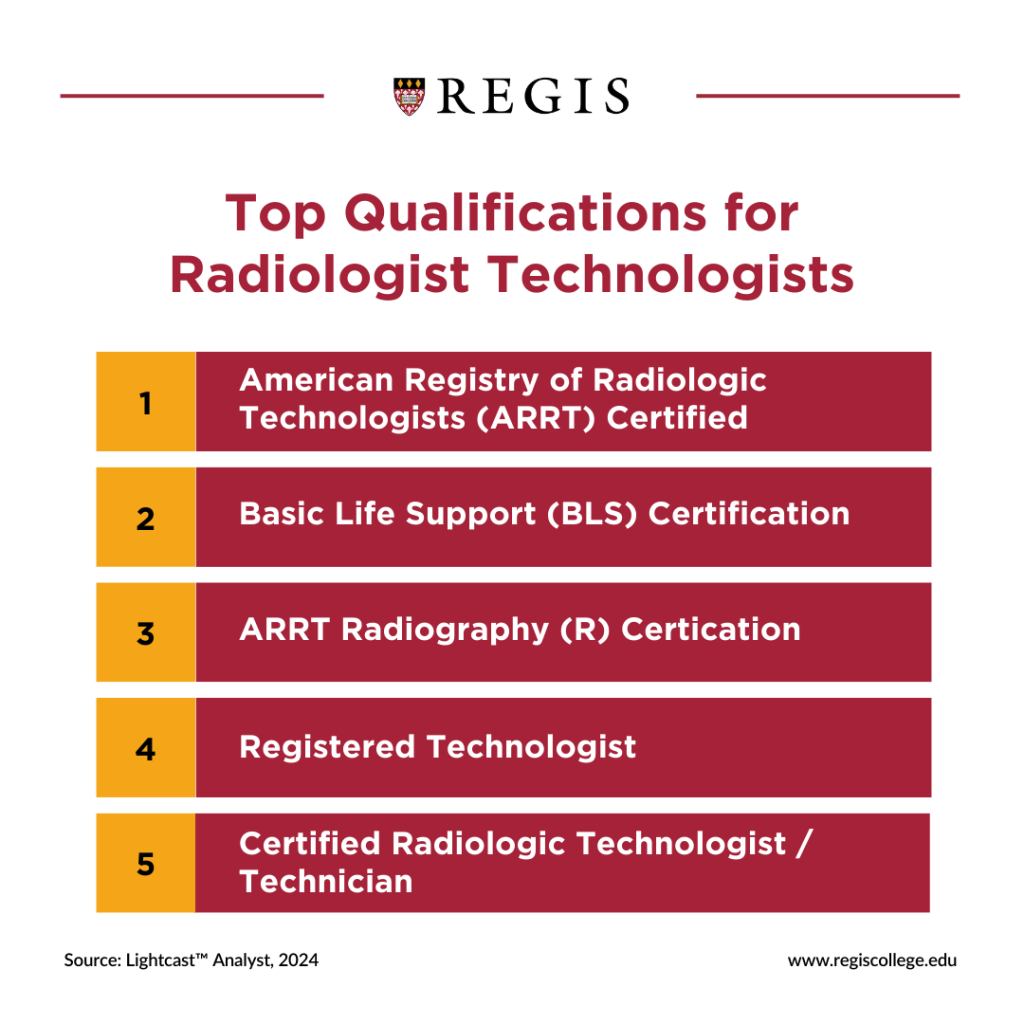
After finishing your degree, certification is the next step. Most employers require you to pass the American Registry of Radiologic Technologists (ARRT) exam. Preparing for this test means reviewing everything you learned and practicing exam questions.
Licensing rules vary by state, so check your local requirements. Some states require additional exams or continuing education. Staying certified shows your commitment to safety and professionalism.
Gaining Work Experience
Starting your first job can be challenging but rewarding. Entry-level positions allow you to apply your training and improve your technique. You’ll work under supervision at first, which is a great time to ask questions and learn from seasoned pros.
How do you plan to handle the pressure of working with patients who may be nervous or in pain? Developing strong communication skills will set you apart.
Opportunities For Advancement
As you gain experience, you can specialize in areas like MRI, CT scans, or mammography. Additional certifications can boost your career and salary. Some techs move into supervisory roles or teaching positions, expanding their impact.
Consider what you want your long-term career to look like. Would you prefer to focus on patient care or move into management? Planning these steps early can help you stay on track.
Education Requirements
Understanding the education requirements is essential before you start your journey to become a radiology tech. The time it takes largely depends on the path you choose and the level of education you pursue. Let’s break down the key steps you need to focus on to meet these requirements effectively.
High School Preparation
Your foundation begins in high school. Focus on courses like biology, physics, and math to build a strong scientific base. If you took part in health science clubs or volunteered at medical centers, that experience can give you a real advantage.
Ask yourself: Are you comfortable with science and technology? Radiology tech programs expect you to handle technical equipment and understand human anatomy.
Degree Options
Most radiology techs earn an associate degree, which usually takes about two years. Some choose to pursue a bachelor’s degree, extending the education to four years but opening more doors in specialization and advancement.
- Associate Degree:Common and efficient, perfect if you want to start working sooner.
- Bachelor’s Degree:Offers deeper knowledge and better career growth potential.
Think about your long-term goals. Would you prefer to enter the workforce quickly, or invest more time upfront for broader opportunities?
Accredited Programs
Choosing an accredited program is non-negotiable. Accreditation ensures the education you receive meets industry standards and prepares you for certification exams.
Look for programs accredited by the Joint Review Committee on Education in Radiologic Technology (JRCERT). Graduating from these programs is often a requirement for state licensing and certification.
Have you checked if your local colleges offer JRCERT-accredited programs? This step can save you time and frustration later.
Certification And Licensing
Certification and licensing mark key steps in becoming a radiology tech. These credentials prove your skills and knowledge. Employers often require them for hiring. Patients trust certified and licensed professionals for safe care. The process involves passing exams and meeting state rules.
Arrt Certification
The American Registry of Radiologic Technologists (ARRT) offers a standard certification. This exam tests your understanding of radiology technology and patient care. Passing this test shows you meet national standards. Most employers prefer or require ARRT certification. To qualify, you must complete an accredited training program first.
State Licensing
Many states require radiology techs to hold a license. The rules vary by state but usually include passing the ARRT exam. Some states have their own exams or additional criteria. Licensing ensures you follow local safety and practice laws. You must apply and renew your license regularly, often every few years.
Continuing Education
Continuing education helps radiology techs stay updated. Both ARRT certification and state licenses require ongoing learning. This includes courses, workshops, or seminars about new techniques and safety. Keeping up with education improves your skills and job opportunities. It also ensures the best care for patients over time.
Credit: www.regiscollege.edu
Clinical Training Duration
The clinical training duration is a crucial part of becoming a radiology tech. It bridges the gap between classroom learning and real-world application. This phase allows you to develop confidence and skills necessary for patient care and equipment handling.
Internships
Internships usually last between 6 to 12 months, depending on the program you choose. During this time, you will work under the supervision of experienced radiology professionals. This hands-on exposure helps you understand daily responsibilities and challenges in a clinical setting.
You’ll learn how to operate imaging machines, position patients correctly, and follow safety protocols. It’s a chance to apply your textbook knowledge in practical scenarios. What kind of environment do you want to work in? A busy hospital or a smaller clinic? Internships can help you find out.
Hands-on Experience
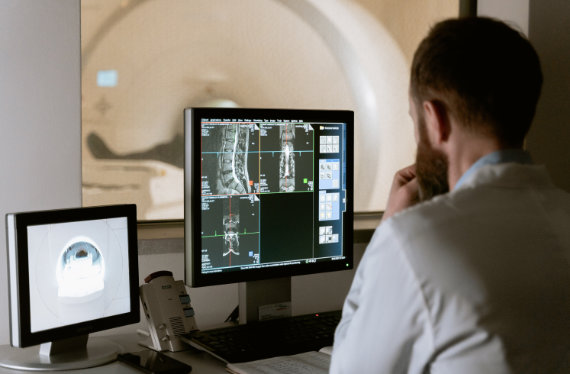
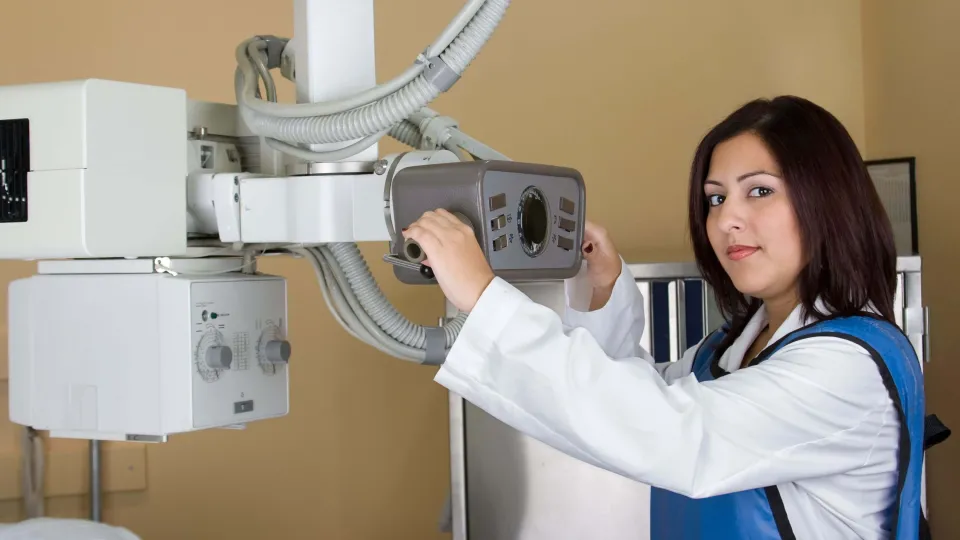
Hands-on experience is essential to master radiologic techniques. You’ll practice using X-rays, CT scans, and MRI machines regularly. This experience sharpens your technical skills and improves your ability to produce clear, accurate images.
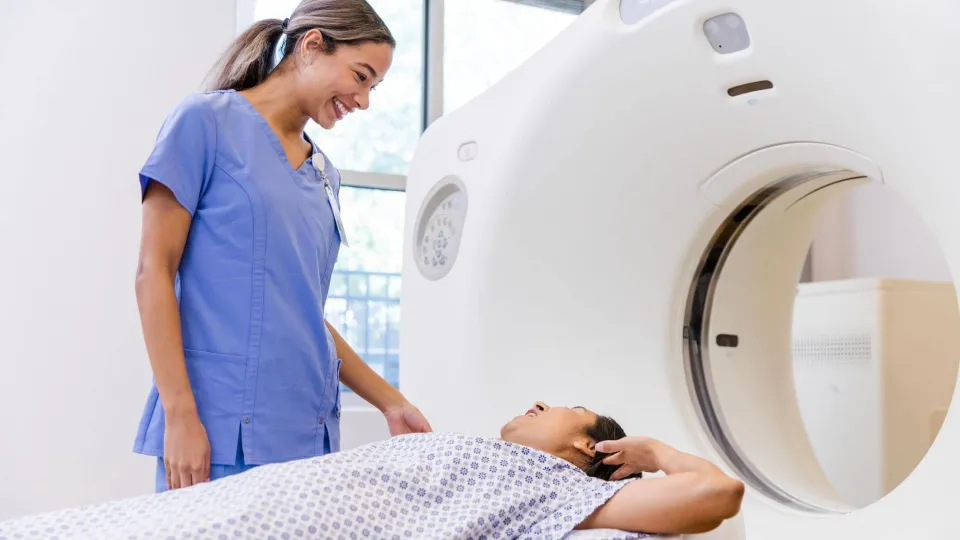
During clinical training, you’ll encounter different patient cases, which builds your problem-solving skills. You also learn how to communicate effectively with patients who might be anxious or uncomfortable. How would you handle a nervous patient needing urgent imaging? Real-world practice prepares you for moments like these.
The length of clinical training ensures you’re not just ready on paper but fully capable in the field. It’s your chance to build confidence and competence before you start your career as a radiology tech.
Typical Program Lengths
Understanding the typical program lengths helps plan your journey to become a radiology tech. Programs vary by degree type and training intensity. Each path offers different timelines suited to diverse goals and schedules.
Associate Degree Timeline
Most radiology techs start with an associate degree. It usually takes about two years to complete. Programs combine classroom lessons with hands-on clinical training. This timeline fits those who want to enter the field quickly. Some schools offer part-time options, extending the duration to three years.
Bachelor’s Degree Timeline
A bachelor’s degree takes longer, typically four years. It covers more in-depth study and advanced topics. This path suits individuals seeking leadership roles or specialization. Programs include extensive clinical experience and broader healthcare education. Graduates often have more job opportunities and higher earning potential.
Postgraduate Certificates
Postgraduate certificates are for those already holding a degree. These programs focus on radiology tech skills and certifications. They usually last between 12 to 18 months. Certificates are ideal for career changers or techs upgrading skills. The shorter duration allows faster entry or advancement in the field.
Factors Affecting Completion Time
The time it takes to become a radiology tech varies. Several factors influence how quickly one can complete the training. Understanding these can help set realistic goals.
Part-time Vs Full-time Study
Choosing between part-time and full-time study affects completion time greatly. Full-time students finish faster, often in 1 to 2 years. Part-time study spreads the program over a longer period, sometimes up to 3 or 4 years.
Part-time study offers flexibility for those working or with other duties. Full-time study demands more daily commitment but shortens total time in school.
Program Availability
Not all schools offer radiology tech programs year-round. Some have limited start dates each year. This can delay when a student can begin their training.
Availability of programs also varies by location. Larger cities tend to have more options and flexible schedules. Rural areas may have fewer choices, impacting how soon one can enroll.
Prerequisites
Some programs require prior coursework or certifications before admission. These prerequisites can add months or even a year to the process.
Common prerequisites include basic science classes or health-related experience. Meeting these requirements is essential before starting the radiology tech program itself.
Career Advancement Timelines
Understanding career advancement timelines as a radiology tech helps you plan your professional growth effectively. Advancement doesn’t just happen overnight; it often requires strategic learning and gaining additional credentials. How you choose to specialize or continue your education can significantly influence how quickly you move up the ladder.
Specializations
Specializing can speed up your career growth by making you an expert in a high-demand area. You might focus on areas like MRI, CT scanning, or mammography. Each specialization usually takes 6 months to 1 year of additional training but can open doors to higher-paying roles.
Think about which specialization fits your interests and local job market. Are there specific skills employers in your area are actively seeking?
Advanced Certifications
Obtaining advanced certifications demonstrates your commitment and expertise. Certifications such as the Certified Radiology Administrator (CRA) or certifications in interventional radiology can set you apart.
These certifications typically require passing an exam and having a certain amount of work experience. They can add 1 to 2 years to your timeline but often lead to supervisory or specialized positions.
Continuing Education Impact
Continuing education keeps your skills current and can accelerate promotions. Many employers value techs who take workshops, attend seminars, or pursue additional coursework.
Even short courses can enhance your abilities and make you eligible for new responsibilities. Are you actively seeking out learning opportunities to stay ahead in your field?
Credit: www.concorde.edu
Credit: www.concorde.edu
Frequently Asked Questions
How Long Is Radiology Tech Training?
Radiology tech training typically lasts about two years. This includes classroom instruction and clinical experience. Programs often result in an associate degree. Some accelerated programs may be shorter. Licensing requirements vary by state, but exams are generally needed.
What Prerequisites Are Needed For Radiology Tech School?
Prerequisites often include a high school diploma or GED. Some programs require courses in biology and math. Other schools may ask for healthcare experience. Admission tests and interviews might also be part of the process.
Can I Become A Radiology Tech Online?
Online programs exist but usually require in-person clinical training. Hybrid programs offer online coursework with local clinical placements. Check accreditation and state licensing requirements. Online learning can offer flexibility, but hands-on experience is crucial.
What Subjects Are Covered In Radiology Tech Programs?
Programs cover anatomy, physiology, and medical imaging techniques. Courses include patient care, radiation protection, and equipment operation. Students learn to interpret images and understand medical terminology. Clinical practice is essential for skills application.
Conclusion
Becoming a radiology tech takes time and effort. Most programs last between one to two years. You will learn important skills to work with imaging machines. After training, you can start a career in healthcare. The path is clear but requires dedication.
Keep your goals in mind and stay focused. A steady job in radiology awaits those who complete the program. This career offers stability and chances to help others. Take one step at a time, and you will succeed.