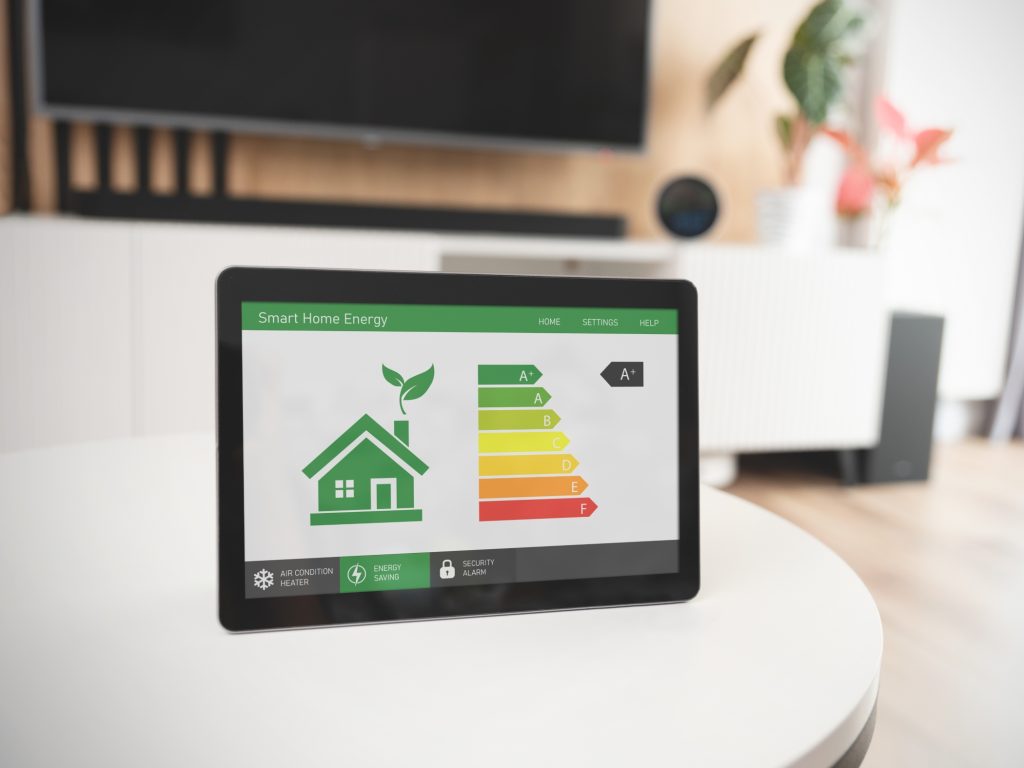
Imagine waking up to a home that knows exactly what you need before you even say a word. Your lights adjust to your mood, your coffee brews just the way you like it, and your security system keeps you safe without you lifting a finger.
This isn’t a scene from a sci-fi movie—it’s the reality that smart home technology is creating right now. If you’re curious about how these innovations can make your life easier, safer, and more comfortable, keep reading. You’re about to discover how smart home tech is reshaping the way you live, one simple device at a time.

Credit: www.facebook.com
Rise Of Smart Home Technology
The rise of smart home technology is changing how we live, work, and relax at home. Devices that were once considered futuristic are now common in many households. This shift is creating homes that are more connected, efficient, and responsive to your needs.
Evolution From Basic Automation
Smart home technology started with simple automation like programmable thermostats and basic lighting timers. These early devices helped save energy and added convenience but had limited interaction.
Today, the technology has evolved to include voice assistants, security cameras, smart locks, and appliances that learn your habits. This evolution means your home can now adjust lighting based on your mood or start brewing coffee when your morning alarm goes off.
Have you noticed how easy it is to control multiple devices from a single app or even with your voice? This integration is a huge leap from the days when each gadget required separate controls.
Impact On Daily Life
Smart home tech affects your daily life in practical ways. It can help you save time by automating routine tasks like watering plants or turning off lights when you leave a room.
Security is another area where smart devices make a big difference. You can check who’s at your door from anywhere, receive alerts about unusual activity, and even control locks remotely.
Think about how much energy you waste leaving lights on or heating empty rooms. Smart systems can cut down on these inefficiencies, lowering your bills and environmental impact.
- Improved comfort through automated climate control
- Enhanced safety with real-time monitoring
- Greater convenience via voice commands and remote access
What part of your daily routine would you like to make smarter? The possibilities are expanding quickly, and you have the power to shape your living space to fit your lifestyle.
Key Innovations Driving Change
Smart home technology is changing how people live daily. New tools make homes safer, easier, and more energy efficient. These key innovations shape the future of living by connecting devices and improving user experience.
Each innovation helps create homes that respond to our needs automatically. This shift brings comfort and control right to our fingertips.
Voice-activated Assistants
Voice-activated assistants let users control devices using simple speech. Devices like Alexa, Google Assistant, and Siri respond quickly to commands. They can play music, adjust lighting, and even answer questions. This hands-free control adds convenience and accessibility to homes.
These assistants learn user habits to offer personalized help. They make managing tasks easier without needing to touch a screen or buttons.
Ai-powered Home Systems
AI-powered systems analyze data from various sensors in the home. They adjust heating, cooling, and lighting based on patterns and preferences. This smart automation saves energy and reduces utility costs.
AI can detect unusual activity and alert homeowners about potential issues. It improves home security and helps with maintenance by predicting problems early.
Iot Integration
IoT integration connects multiple smart devices to work together seamlessly. Thermostats, cameras, locks, and appliances communicate through a central hub or app. This coordination simplifies managing the entire home system.
IoT enables remote monitoring and control, offering peace of mind. Users can check their home status and make changes from anywhere using their smartphones.
Enhancing Home Security
Enhancing home security with smart technology is changing how you protect your space. Modern devices give you control and peace of mind like never before. You can monitor, manage, and respond to threats instantly, whether you’re at home or away.
Smart Surveillance Solutions
Smart cameras do more than just record footage. They can detect unusual movement and send alerts directly to your phone. Some models even recognize familiar faces, so you know if a visitor is expected or not.
Imagine getting a notification the moment someone approaches your front door. You can check the live video feed and talk to visitors through two-way audio. This hands-on approach lets you act fast if something feels off.
Many smart surveillance systems also offer cloud storage. This means your video clips are safe, even if the camera is tampered with. Would you feel safer knowing you have evidence ready at your fingertips?
Biometric Access Controls
Biometric locks use fingerprints, facial recognition, or even iris scans to unlock doors. This technology removes the risk of lost or stolen keys. You control exactly who enters your home and when.
Setting up biometric access can be simple. Many devices allow you to add or remove users via an app instantly. This is perfect for giving temporary access to guests, cleaners, or repair workers without handing over physical keys.
Think about how much more secure it feels to know that only trusted people can open your door. Could biometric locks replace traditional keys in your home soon?

Credit: www.instagram.com
Energy Efficiency And Sustainability
Energy efficiency and sustainability are key parts of modern smart homes. These homes use technology to reduce energy waste and support green living. Smart devices help save money and protect the environment. They make homes more comfortable and easier to manage.
Smart Thermostats And Lighting
Smart thermostats adjust heating and cooling based on your habits. They learn when you are home and save energy when you are away. This reduces electricity bills and lowers carbon footprints.
Smart lighting uses sensors and timers to control lights. Lights turn off automatically in empty rooms. You can also control lighting with a smartphone or voice commands. This stops unnecessary energy use and extends bulb life.
Renewable Energy Integration
Smart homes can connect to renewable energy sources like solar panels. They manage energy storage and use to balance supply and demand. This helps homes use clean energy efficiently.
Home energy systems monitor production and consumption in real-time. They optimize when to store energy or use it directly. This reduces reliance on fossil fuels and promotes sustainability.
Health And Wellness Applications
Smart home technology is improving health and wellness in many ways. It helps people breathe cleaner air and track their sleep and fitness. These tools make healthy living easier and more accessible every day.
Air Quality Monitoring
Devices in smart homes check the air for dust, pollen, and harmful gases. They send alerts if air quality drops. This helps families reduce allergies and breathing problems. Some systems can activate air purifiers automatically. This keeps indoor air fresh and safe without extra effort.
Sleep And Fitness Tracking
Smart beds and wearable devices monitor sleep patterns and physical activity. They collect data on heart rate, movement, and rest cycles. This information helps people improve their sleep quality and exercise routines. Smart home apps give simple tips based on collected data. This creates a healthier lifestyle with small, daily changes.
Credit: electricaco.com.au
Future Living Spaces
Future living spaces will be smart, flexible, and tailored to individual needs. Technology will create homes that adjust to daily habits and preferences. This shift makes homes more comfortable, efficient, and enjoyable.
Adaptive And Personalized Environments
Smart homes will learn routines and change settings automatically. Lighting, temperature, and sound will adjust to your mood and activities. Sensors will detect presence and health signs to improve comfort.
Personalized environments help save energy by using resources only when needed. Voice and app controls will allow easy customization. These homes will support better sleep, work, and relaxation.
Smart Furniture And Appliances
Furniture will become multifunctional and connected. Tables and chairs will adjust shape and height for comfort. Beds will monitor sleep and suggest improvements.
Appliances will communicate with each other for smooth operation. Refrigerators will track food freshness and suggest meals. Washing machines will choose settings based on fabric type.
These innovations reduce effort and increase convenience every day.
Challenges And Considerations
Smart home technology offers incredible convenience, but it also brings challenges you need to think about. These hurdles can affect how comfortable and secure you feel in your own home. Understanding these issues helps you make smarter choices and avoid surprises down the road.
Privacy And Data Security
Your smart devices collect a lot of personal information—from daily routines to voice commands. If this data falls into the wrong hands, it can lead to privacy breaches or even identity theft.
Take my neighbor’s experience: their smart security camera was hacked, causing major distress. It made me realize how important it is to use strong, unique passwords and enable two-factor authentication on all devices.
Ask yourself: how much of your personal life are you willing to share with tech companies? Regularly updating device software and checking privacy settings can reduce risks. Always read privacy policies to know what data is collected and how it’s used.
Interoperability Issues
Not all smart devices speak the same language. You might buy a new gadget only to find it doesn’t work well with your existing system. This can lead to frustration and extra costs.
For example, I once bought a smart light bulb that didn’t sync with my home assistant. It meant juggling multiple apps and limited automation options.
Before adding new devices, check if they support common platforms like Google Home, Amazon Alexa, or Apple HomeKit. Look for products that follow universal standards to ensure smooth integration.
- Use hubs or bridges to connect different brands
- Keep firmware updated for compatibility
- Research user reviews for real-world insights
What’s your tolerance for managing multiple apps and devices? Planning ahead can save you time and frustration, making your smart home truly smart.
Frequently Asked Questions
What Is Smart Home Technology?
Smart home technology refers to devices that automate household tasks and improve efficiency. These gadgets, like smart thermostats and security cameras, connect to the internet. They allow users to control and monitor their homes remotely using smartphones or voice commands.
How Does Smart Home Tech Improve Living?
Smart home tech enhances living by providing convenience and security. It automates daily tasks and optimizes energy use. Devices like smart lights and locks can be controlled remotely, offering comfort and peace of mind. This technology streamlines routines, making homes more efficient and enjoyable.
Are Smart Home Devices Energy Efficient?
Yes, many smart home devices are designed for energy efficiency. Smart thermostats can adjust heating and cooling based on user preferences. Smart lighting systems can dim or turn off when not needed. These features help reduce energy consumption and lower utility bills.
Can Smart Home Tech Increase Home Security?
Absolutely, smart home tech can significantly boost security. Devices like smart cameras and doorbells monitor and record activity around your home. Smart locks allow remote access control, ensuring only authorized entries. These technologies provide real-time alerts, helping safeguard your property against intrusions.
Conclusion
Smart home technology changes how we live every day. It makes homes safer, easier, and more energy-friendly. Devices talk to each other and learn your habits. This saves time and reduces stress. Homes become more comfortable and fit your needs better.
Smart tech keeps growing and will affect more parts of life. It brings convenience that many people want. The future of living looks smarter and simpler. Embracing these changes can improve daily routines and comfort. A smart home is not just a trend, but a new way of living.