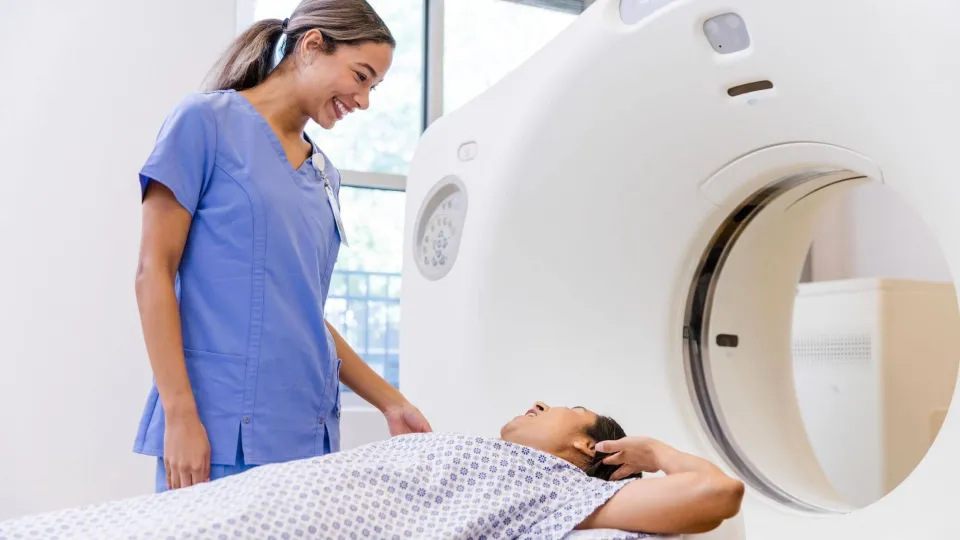
How to Be Radiology Tech: Essential Skills Guide
Are you curious about a career that combines technology, healthcare, and helping people every day? Becoming a radiology tech might be the perfect fit for you.
Imagine using advanced imaging machines to help doctors diagnose illnesses and save lives. But how do you get started? What skills do you need? And what does a typical day look like? You’ll discover clear, simple steps to become a successful radiology tech and find out why this career could be your next big move.
Keep reading—you’re about to unlock the path to an exciting and rewarding job!
Education And Training
Education and training form the backbone of a successful career as a radiology tech. The journey involves structured learning, hands-on experience, and obtaining the necessary credentials to practice professionally. Understanding each stage helps you prepare effectively and stand out in this demanding field.
Radiography Programs And Degree Requirements
You need to enroll in an accredited radiography program to gain foundational knowledge. Most employers require at least an associate degree in radiologic technology, though some pursue a bachelor’s for advanced opportunities.
These programs cover anatomy, patient care, radiation physics, and imaging techniques. Some schools offer specialized courses in MRI or CT scanning, letting you tailor your skills.
Clinical Experience And Internships
Theory alone won’t make you a skilled radiology tech. Clinical internships provide real-world practice under supervision, where you learn to handle equipment and interact with patients.
During your internship, you’ll develop confidence in positioning patients, operating machines, and ensuring safety protocols. Ask yourself: how comfortable are you in high-pressure environments where precision matters?
Licensure And Certification
After completing your education and clinical hours, obtaining licensure is crucial to legally work as a radiology tech. Requirements vary by state, but passing the American Registry of Radiologic Technologists (ARRT) exam is widely recognized.
Certification proves your competence and commitment to the profession. Keeping your credentials current often involves continuing education, so staying curious and up-to-date is part of your career path.
Credit: www.regiscollege.edu
Technical Skills
Technical skills form the backbone of a radiology tech’s daily work. Mastering these skills ensures you capture clear images that help doctors diagnose accurately. Your ability to handle equipment and software directly impacts patient care and safety.
Operating Radiographic Equipment
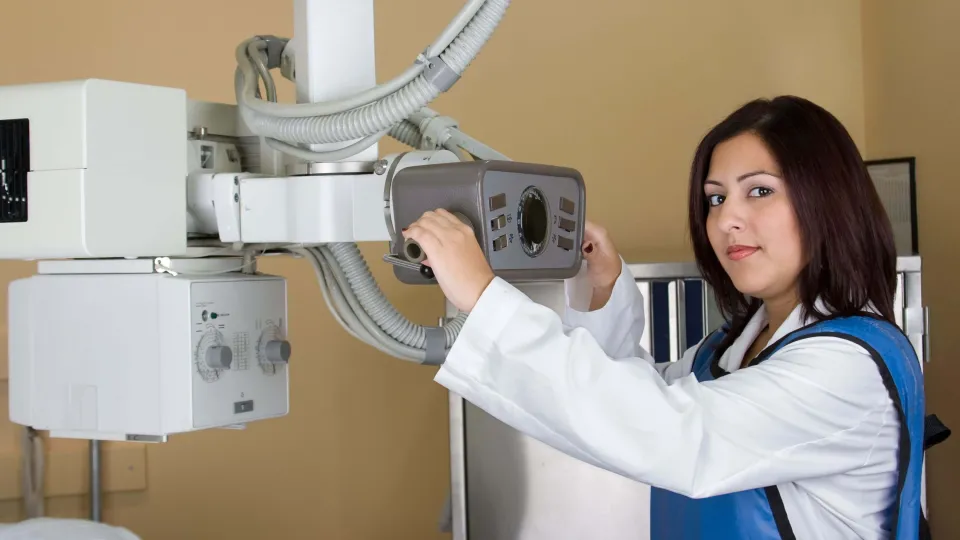
Handling radiographic machines requires precision and confidence. You need to understand settings like exposure time, radiation dose, and image resolution. Each machine has its quirks, so spend time learning the specific model you work with.
Have you ever adjusted the settings just right to get a perfect image on the first try? That moment shows the difference technical skill makes. Practice helps you reduce retakes, which means less radiation for patients and smoother workflow.
Positioning Patients For Accurate Images
Positioning is more than just placing a patient on the table. It demands knowledge of anatomy and the purpose of the exam. Proper positioning prevents image distortion and captures the area of concern clearly.
Think about how small adjustments in patient posture can change the entire image. Do you communicate clearly to guide patients into the right positions? Your ability to explain and position can improve both image quality and patient comfort.
Using Image Processing Software
After capturing the image, you’ll work with software to enhance and analyze it. This includes adjusting contrast, brightness, and zoom, as well as annotating images for doctors. Being comfortable with software tools speeds up diagnosis and improves accuracy.
Have you explored all the features your software offers? Sometimes a simple tweak can reveal details that were initially missed. Make it a habit to stay updated on software updates and new functionalities.
Maintaining Quality Control And Safety Standards
Quality control ensures every image meets the required standards before it reaches the doctor. Regular calibration of equipment and routine checks prevent errors and maintain consistency. Safety standards protect both you and your patients from unnecessary radiation exposure.
Are you diligent about following protocols and documenting your quality checks? Small oversights can lead to serious consequences. Taking responsibility for safety and quality shows professionalism and care for those you serve.
Interpersonal And Communication Skills
Interpersonal and communication skills are essential for radiology techs. These skills help in creating a smooth and comfortable experience for patients. Clear communication reduces errors and improves teamwork. Radiology techs must explain procedures well and listen carefully.
Effective Communication With Patients And Colleagues
Radiology techs must speak clearly and kindly to patients. Simple words work best to explain scans and instructions. Patients feel safer when they understand what happens next. Techs should also listen to patient concerns without rushing.
Good communication with colleagues ensures smooth workflow. Sharing important information about patients keeps everyone informed. It helps avoid mistakes and speeds up diagnosis and treatment.
Building Rapport With Anxious Or Traumatized Patients
Many patients feel nervous or scared before scans. Radiology techs should use a calm voice and gentle tone. Small acts of kindness, like a smile or a reassuring word, ease tension.
Techs can explain each step before doing it. This helps patients feel more in control. Showing patience and empathy builds trust quickly. This trust improves cooperation and scan quality.
Collaborating With Other Healthcare Professionals
Radiology techs work closely with doctors, nurses, and therapists. Sharing clear, timely information helps in making accurate diagnoses. Teamwork improves patient care and speeds up treatment plans.
Techs should respect others’ roles and listen carefully. Open communication helps avoid misunderstandings. It creates a positive work environment and better patient outcomes.
Physical And Emotional Demands
Being a radiology tech demands more than technical skills; it challenges both your body and mind daily. The physical and emotional pressures can be intense, but understanding these demands helps you prepare and thrive. Let’s dive into what you’ll face and how to handle it effectively.
Working In A Fast-paced And Dynamic Environment
Radiology techs work in settings where every second counts. Emergencies pop up without warning, and you might need to switch tasks quickly.
You must stay alert and organized to avoid mistakes. Imagine handling a trauma patient one moment and then performing a routine scan the next.
How do you keep your focus sharp throughout such unpredictable shifts? Developing strong time management and prioritization skills will keep you ahead.
Managing Physical Demands And Ergonomic Challenges
Your body takes a beating in this role. Long hours on your feet, moving heavy equipment, and positioning patients require strength and stamina.
Ignoring ergonomic practices can lead to back pain, wrist strain, or other injuries. Small changes, like adjusting table heights and using support braces, can make a big difference.
Pay attention to your posture and take short breaks to stretch. Have you noticed how a quick stretch changes your energy and focus?
Maintaining Emotional Well-being And Resilience
Seeing patients in pain or distress can weigh heavily on your emotions. You might experience stress, frustration, or burnout if you don’t manage these feelings.
Building emotional resilience is key. Talking to colleagues, practicing mindfulness, or simply stepping outside for fresh air can help reset your mind.
Have you found personal strategies that help you stay calm during tough moments? Sharing these can support others facing the same challenges.
Continuous Learning And Professional Development
Continuous learning and professional development are essential for anyone working as a radiology tech. The field is always evolving with new technologies, techniques, and regulations. Staying proactive about your education keeps your skills sharp and your career moving forward.
Staying Current With Advances In Radiologic Technology
New imaging machines and software are introduced regularly. You should read industry journals and subscribe to newsletters from trusted radiology organizations. This habit helps you understand the latest tools and how they improve patient care.
I once attended a workshop on AI-powered imaging tools. It changed how I approached diagnostic imaging and made my work more efficient. How often do you check for new technology updates in your field?
Participating In Continuing Education And Training
Many employers require radiology techs to complete continuing education credits. These courses often cover safety protocols, new imaging techniques, and patient communication skills. Look for both online and in-person options that fit your schedule.
Taking a hands-on training in MRI technology expanded my expertise and opened new job opportunities. You can also gain certifications that boost your resume and confidence. What specific skills could you improve with targeted training?
Networking With Peers And Industry Experts
Building connections with other radiology professionals offers fresh perspectives and advice. Join local or online groups where you can discuss challenges and share solutions. Conferences and seminars are great places to meet experts and learn about industry trends.
After networking at a conference, I learned about a rare imaging technique that proved valuable in a tough case. Don’t underestimate the power of your professional community. Who could you reach out to today for new insights or mentorship?
Credit: nomadhealth.com
Specialized Roles And Career Advancement
Specializing in radiology technology can open doors to exciting career paths and greater job satisfaction. As you gain experience, focusing on specific imaging techniques or stepping into leadership roles can boost your professional growth. Understanding these options helps you plan your next career move with confidence.
Exploring Specialized Areas Like Mri And Ct Scanning
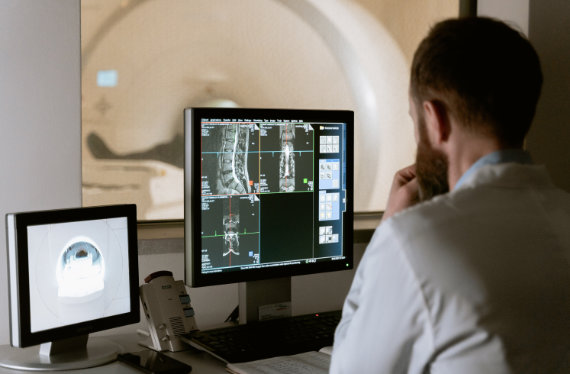
Choosing to specialize in MRI or CT scanning allows you to develop expert skills that are in high demand. These areas require additional training but offer higher pay and more challenging work. Have you considered which imaging method interests you most? Diving deep into one specialty can set you apart and make your daily tasks more rewarding.
Many technologists find that working with advanced equipment like MRI machines provides a sense of accomplishment. You’ll learn to manage complex protocols and assist doctors with precise diagnostics. This hands-on expertise often leads to more job security and career options.
Pursuing Leadership Roles Or Education And Training Positions
Stepping into leadership or educational roles means you’re shaping the future of radiology techs. You might become a lead technologist, mentor, or instructor at a training center. Are you ready to share your knowledge and guide others?
These positions often require strong communication skills and a willingness to take responsibility. Leading a team or teaching students can enhance your resume and expand your professional network. Plus, it’s a chance to impact the quality of patient care beyond your own work.
Advancing To Senior Technologist Or Supervisory Roles
Moving up to senior or supervisory roles means managing staff and overseeing daily operations. This shift focuses on leadership and administrative skills rather than just technical work. Do you enjoy organizing workflows and supporting colleagues?
Senior technologists often coordinate schedules, ensure compliance with safety standards, and troubleshoot equipment issues. These roles come with increased responsibility and often higher salaries. Preparing for this step might mean pursuing certifications or additional education tailored to management.
Credit: www.concorde.edu
Frequently Asked Questions
What Qualifications Are Needed To Become A Radiology Tech?
You need a high school diploma and an accredited radiologic technology program certificate. Certification and licensing vary by state. Hands-on clinical training is essential. Continuing education helps maintain skills and certification. Employers value strong communication and technical skills.
How Long Does It Take To Become A Radiology Tech?
Typically, it takes 1 to 2 years to complete an associate degree. Some programs offer bachelor’s degrees in radiologic technology, taking about 4 years. Certification exams follow the educational program. Clinical experience is part of training. Time may vary by program and state requirements.
What Skills Are Important For A Radiology Technologist?
Key skills include attention to detail, technical proficiency, and patient care. Good communication helps explain procedures and ease patient anxiety. Physical stamina is necessary for positioning patients and equipment. Critical thinking aids in problem-solving during imaging processes. Safety awareness is crucial to minimize radiation exposure.
What Is The Average Salary For A Radiology Technician?
The average salary ranges from $50,000 to $70,000 annually, depending on location and experience. Some regions or specialties may offer higher pay. Benefits and overtime can increase total compensation. Salary growth occurs with experience, certifications, and advanced education. Job demand is steady, supporting career stability.
Conclusion
Becoming a radiology tech takes focus and hard work. Start by learning the basics and getting proper training. Practice your skills often to improve. Stay curious and keep up with new technology. This job helps many people every day. Your effort will make a real difference.
Keep going, and success will follow.