How to Become a Cardiac Cath Lab Tech: Ultimate Career Guide
Are you ready to step into a crucial role that saves lives every day? Becoming a Cardiac Cath Lab Tech puts you right at the heart of heart care, assisting doctors as they diagnose and treat heart conditions.
If you want a career that’s both challenging and rewarding, this path might be perfect for you. You’ll discover exactly what it takes to become a Cardiac Cath Lab Tech, from the skills you need to the steps you should follow.
Keep reading to find out how you can make a real difference in people’s lives while building a strong and exciting career.
Role Of A Cardiac Cath Lab Tech
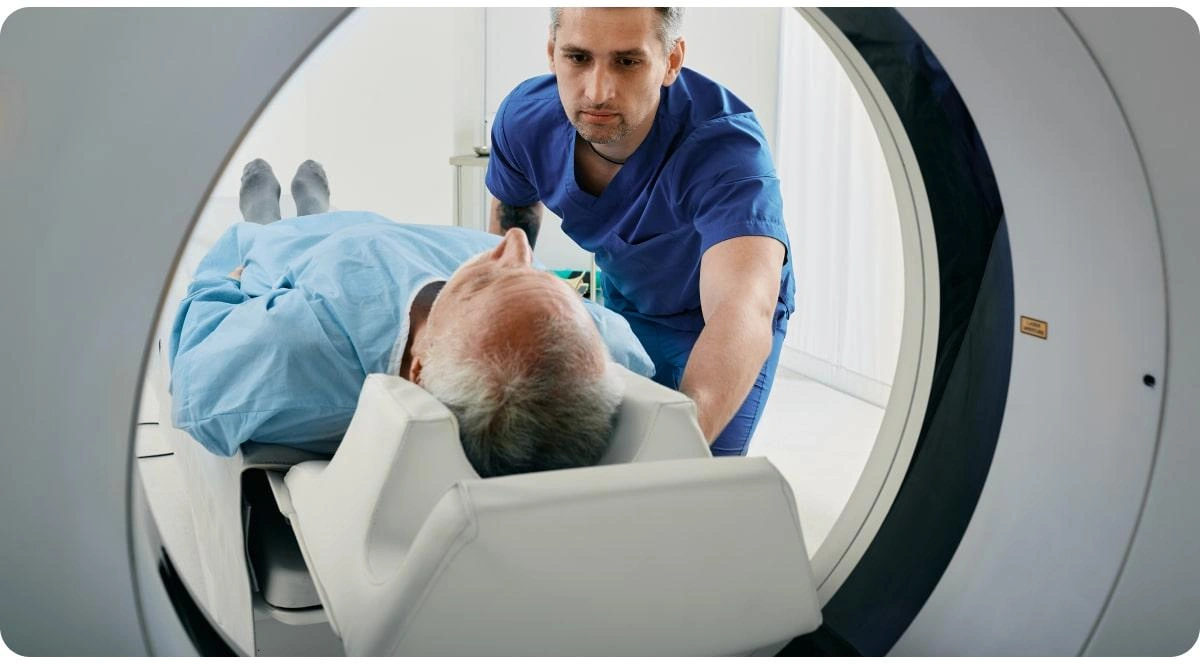
The role of a Cardiac Cath Lab Tech is crucial in helping doctors diagnose and treat heart conditions. You’ll work closely with cardiologists during catheterization procedures, ensuring everything runs smoothly. This job demands precision, focus, and teamwork in a fast-paced medical environment.
Daily Responsibilities
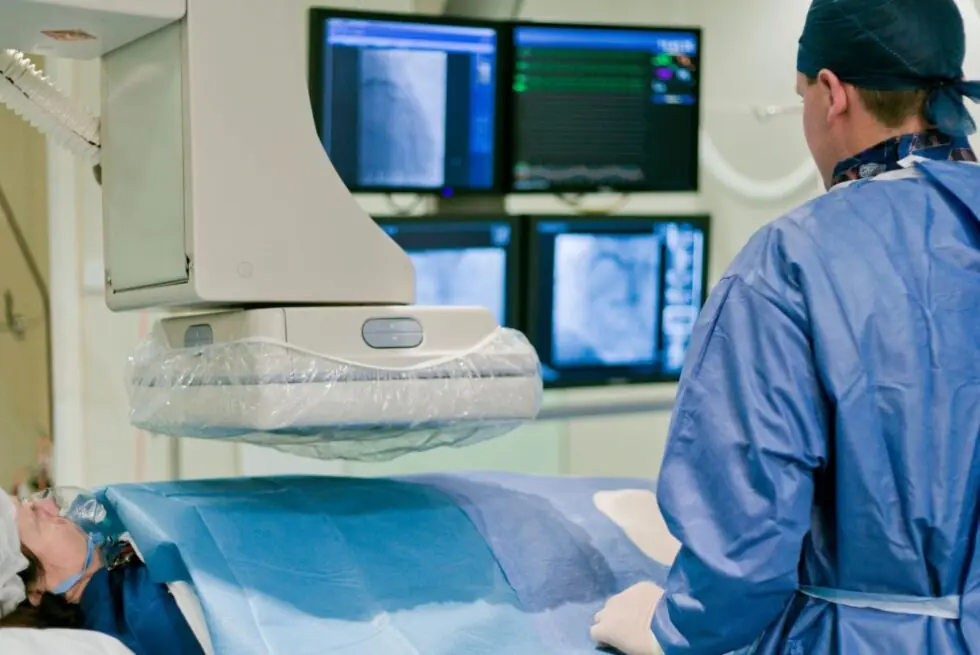
Your day will involve preparing the cath lab and equipment before procedures. You’ll assist doctors by handling catheters, monitoring vital signs, and managing imaging devices like X-rays. After procedures, you’ll clean and sterilize instruments, document patient information, and ensure the lab is ready for the next case.
Think about how your actions impact patient safety every day. You’ll need to stay alert and respond quickly to any changes in a patient’s condition. This hands-on role is both challenging and rewarding as you contribute directly to life-saving treatments.
Skills Required
Technical skills are a must. You should be comfortable operating complex medical equipment and understanding cardiovascular anatomy. Attention to detail is critical since even small mistakes can affect patient outcomes.
Strong communication skills help you work effectively with doctors, nurses, and patients. You’ll often explain procedures to patients and calm their nerves. Problem-solving abilities also come into play when unexpected issues arise during procedures.
Are you ready to combine technical know-how with compassionate care? These skills not only make you a valuable team member but also enhance your personal growth in the medical field.
Educational Pathways
Choosing the right educational pathway is crucial to becoming a successful Cardiac Cath Lab Tech. Your education forms the foundation of your skills and knowledge in this specialized medical field.
Understanding your options helps you plan effectively and ensures you meet the requirements to enter the profession with confidence. Let’s look at the key educational routes that can set you on the right track.
Degree Options
Many Cardiac Cath Lab Techs start with an associate degree in cardiovascular technology or a related healthcare field. These programs typically take about two years and combine classroom learning with hands-on clinical experience.
Some hospitals prefer candidates with a bachelor’s degree, which can open doors to advanced roles or supervisory positions. Bachelor’s programs offer deeper knowledge in anatomy, physiology, and advanced cardiac procedures.
- Associate Degree in Cardiovascular Technology
- Bachelor’s Degree in Cardiovascular Technology or Allied Health
- Related degrees in Radiologic Technology or Nursing can also be pathways
Have you considered how much time you want to invest in schooling before entering the workforce? Balancing education length with career goals is key.
Certification Programs
Certification is often required to work as a Cardiac Cath Lab Tech and boosts your credibility. Programs like the Registered Cardiovascular Invasive Specialist (RCIS) certification are widely recognized in the industry.
These certifications test your knowledge of cardiac catheterization procedures and patient care. Preparing for them often involves dedicated study and practical experience, but the payoff is significant.
- Registered Cardiovascular Invasive Specialist (RCIS)
- Certified Cardiographic Technician (CCT) for related skills
- Some employers may provide support for certification after hiring
Think about how certification can impact your job prospects and salary. Are you ready to commit to ongoing learning beyond your degree?
Necessary Certifications
Becoming a Cardiac Cath Lab Tech requires specific certifications. These certifications prove you have the skills and knowledge to work safely in this field. They help employers trust your expertise. Certifications also open doors for better job opportunities and higher pay.
Obtaining the right certifications involves understanding the key accrediting bodies and the renewal process. Both are essential to maintain your professional status and stay updated with industry standards.
Accrediting Bodies
Several organizations offer certifications for Cardiac Cath Lab Techs. The most recognized ones include:
- Cardiovascular Credentialing International (CCI)
- American Registry of Radiologic Technologists (ARRT)
- National Board for Certification of Cardiovascular Interventional Specialists (NBC-CIS)
Each body sets its own requirements and exams. Choose the certification that fits your career goals. Most employers prefer certifications from CCI or ARRT.
Renewal Process
Certifications require renewal to stay valid. This process ensures you keep your skills current. Renewal typically involves:
- Completing continuing education credits
- Paying a renewal fee
- Submitting proof of work experience or training
Renewal periods vary but usually happen every 2 to 3 years. Missing renewal deadlines can cause certification loss. Stay organized and plan ahead to keep your certification active.
Gaining Practical Experience
Gaining practical experience is essential to becoming a skilled Cardiac Cath Lab Tech. It allows you to apply classroom knowledge in real medical settings. Hands-on work builds confidence and improves your technical skills. This experience helps you understand daily tasks and challenges in the cath lab. Employers value candidates with solid practical backgrounds. Below are key ways to gain this valuable experience.
Internship Opportunities
Internships provide real-world exposure to cardiac catheterization procedures. Many hospitals and clinics offer internships for aspiring cath lab techs. During an internship, you assist professionals in patient preparation and equipment setup. You observe live procedures and learn safety protocols. Internships help you develop teamwork and communication skills. They often lead to job offers after completion. Seek programs accredited by recognized healthcare organizations.
On-the-job Training
On-the-job training allows you to learn while working in a cath lab. New techs often start as assistants or trainees under supervision. This training covers operating imaging machines and handling catheters. You gain experience in monitoring patient vitals during procedures. Mistakes become learning moments with guidance from experienced staff. This training improves your problem-solving skills in fast-paced environments. Regular feedback helps you improve technical and patient-care abilities.
Job Market And Opportunities
The job market for cardiac cath lab techs is both promising and diverse. With cardiovascular diseases remaining a leading health concern, the demand for skilled professionals in cardiac catheterization labs continues to grow. Understanding where and how you can find opportunities is key to building a successful career in this field.
Employment Settings
Cardiac cath lab techs find jobs in various healthcare environments. Most commonly, they work in hospitals, especially in cardiology departments. These settings offer exposure to a wide range of cases, from emergency interventions to routine diagnostics.
Other employment options include outpatient clinics and specialized cardiac centers. Some techs also work in research facilities or medical device companies, contributing to the development and testing of new technologies. Think about what environment suits your skills and interests best.
Geographical Considerations
Your location plays a big role in job availability and salary potential. Urban areas and regions with large healthcare systems typically offer more openings for cardiac cath lab techs. However, competition can be higher in these places.
Smaller towns and rural areas may have fewer positions but less competition and sometimes better work-life balance. Are you willing to relocate for better opportunities, or do you prefer to stay local? This decision can shape your career path significantly.
Credit: www.trustedtalent.com
Salary Expectations
Understanding the salary expectations for a Cardiac Cath Lab Tech can help you plan your career path wisely. Knowing what you can earn motivates you to set clear goals and push your skills further. Let’s take a closer look at what your income might look like and the factors that influence it.
Average Income
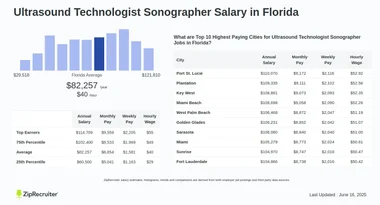
The average salary for a Cardiac Cath Lab Tech in the United States typically ranges between $55,000and $85,000per year. Entry-level positions often start closer to the lower end, while experienced techs and those with certifications can earn toward the higher end. Some professionals report salaries above $90,000, especially in high-demand locations.
Hourly wages usually fall between $25and $40, depending on experience and location. If you enjoy working in a fast-paced environment and handling critical procedures, this role offers both financial reward and job satisfaction.
Factors Affecting Salary
- Location:Salaries vary widely by state and city. Urban hospitals and specialized cardiac centers often pay more than rural facilities.
- Experience:The longer you work in the field, the higher your pay tends to be. Advanced skills and years on the job boost your value.
- Certifications:Holding certifications like RCIS (Registered Cardiovascular Invasive Specialist) can increase your salary significantly.
- Employer Type:Private hospitals and specialty clinics sometimes offer better pay than public or community hospitals.
- Shift Differentials:Working night shifts, weekends, or being on-call may add extra pay.
Have you considered which factors matter most to you? Maybe a higher salary in a city far from home, or a better work-life balance with a slightly lower pay? Your choices will shape your career journey and income.
Career Advancement
Advancing your career as a Cardiac Cath Lab Tech means more than just gaining experience. It requires intentional steps toward expanding your knowledge and skills. Taking control of your career growth opens doors to new opportunities and higher responsibilities.
Further Education
Continuing your education can set you apart from others in your field. Pursuing an associate or bachelor’s degree in cardiovascular technology or related healthcare fields can deepen your understanding of cardiac procedures. Many employers value candidates who invest in their education because it often translates to better patient care and technical expertise.
Certification programs and workshops are also valuable. They keep you updated with the latest advancements and techniques. Have you considered how additional credentials could impact your confidence and salary potential?
Specialization Options
Specializing within the cardiac cath lab field can significantly boost your career. You might focus on areas like electrophysiology, interventional cardiology, or vascular technology. Specialization allows you to become an expert, making you a critical member of any healthcare team.
Specialized skills often lead to roles with greater responsibility and better pay. Employers look for techs who can handle complex cases or advanced equipment. What area interests you the most, and how could specializing shape your professional path?
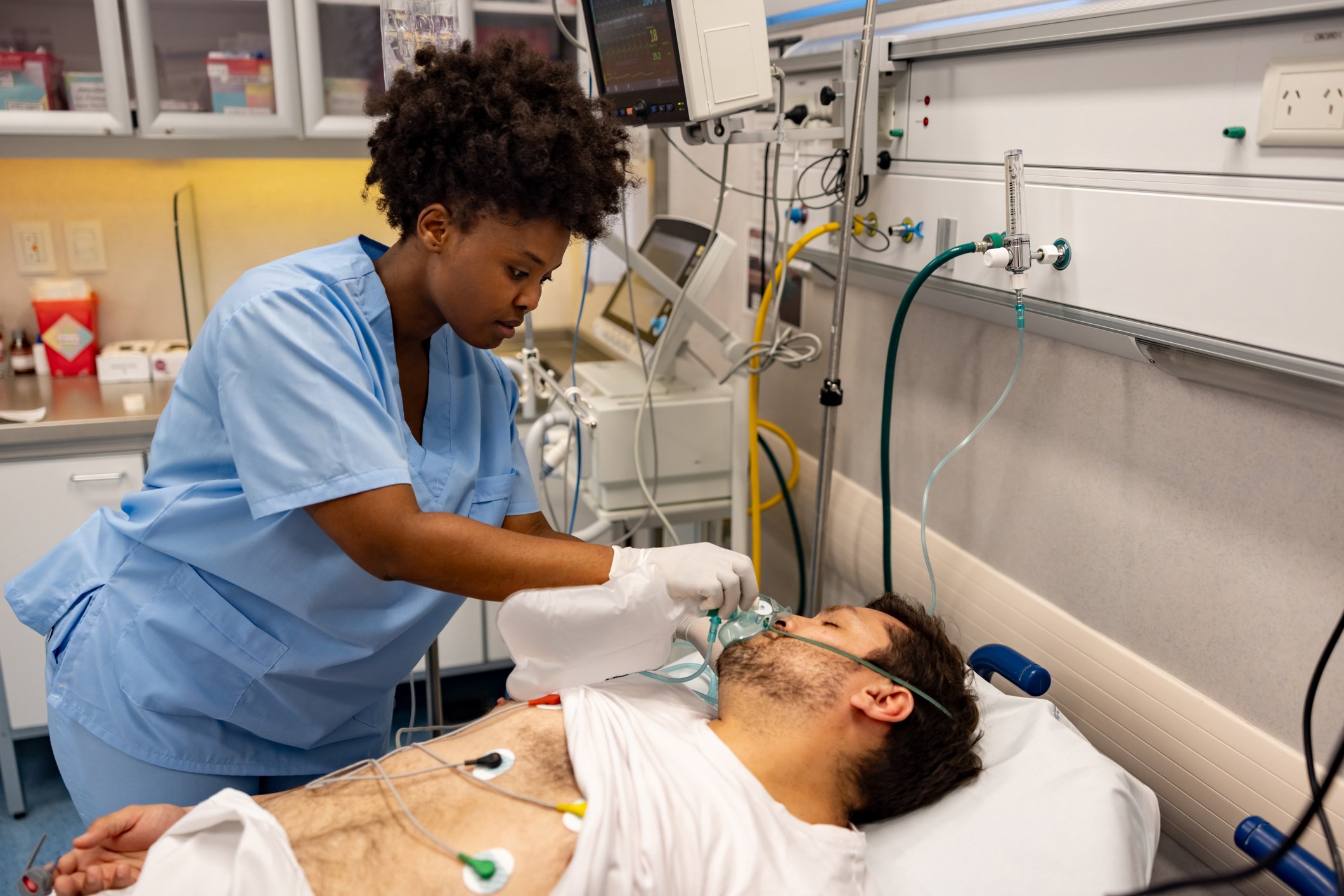
Credit: www.amnhealthcare.com
Challenges In The Field
Working as a Cardiac Cath Lab Tech is rewarding but comes with real challenges. The job demands sharp focus and quick decisions. Pressure builds in intense moments. Understanding these challenges helps prepare for the role and stay effective.
Handling Stress
Stress is common in the cardiac cath lab. Techs often work long hours with little rest. The need for precision under pressure adds to the strain. Managing stress is vital for clear thinking and patient safety.
Simple techniques help reduce stress:
- Deep breathing exercises
- Taking short breaks between procedures
- Maintaining a healthy lifestyle
- Seeking support from colleagues
Building mental resilience improves performance and job satisfaction.
Dealing With Emergencies
Emergencies happen frequently in the cath lab. Techs must act fast to assist doctors. Each second can affect patient outcomes. Staying calm and focused is essential.
Key skills for emergencies include:
- Quick problem identification
- Effective communication with the team
- Knowledge of emergency protocols
- Ability to operate equipment swiftly
Regular training and practice prepare techs for unexpected events.
Professional Associations
Joining professional associations is a key step to grow as a Cardiac Cath Lab Tech. These groups connect you with others in the field. They offer chances to learn new skills and stay updated on industry trends. Being part of a professional association shows your commitment to the career. It also helps you find support and guidance from experienced techs.
Networking Opportunities
Professional associations organize events like conferences and workshops. These events help you meet other Cardiac Cath Lab Techs. Sharing experiences can open doors to new job opportunities. You can also connect with mentors who guide your career path. Online forums and social media groups keep members in touch regularly.
Resources For Growth
Associations provide many resources to improve your skills. Access to specialized training and certification programs is common. Members receive newsletters with the latest research and best practices. Some offer scholarships to support further education. These tools help you stay competitive and confident in your role.

Credit: focus-staff.com
Frequently Asked Questions
What Education Is Required To Become A Cardiac Cath Lab Tech?
A high school diploma is the minimum requirement. Completing a cardiovascular technology program or an associate degree is highly recommended. Certification through ARRT or CCI enhances job prospects and credibility.
How Long Does It Take To Become A Cardiac Cath Lab Tech?
Typically, it takes 1 to 2 years to complete relevant education and training. Additional clinical experience and certification may extend the timeline slightly.
What Skills Are Essential For A Cardiac Cath Lab Tech?
Technical proficiency, attention to detail, and strong communication skills are vital. The ability to work under pressure and knowledge of cardiovascular anatomy are also important.
Is Certification Necessary For Cardiac Cath Lab Techs?
Certification is highly recommended and often required by employers. It validates your skills and improves employment opportunities in this specialized field.
Conclusion
Becoming a cardiac cath lab tech takes focus and hard work. Start with the right education and training. Gain experience through clinical practice and internships. Stay updated with new technology and procedures. This career offers a chance to help patients every day.
Keep learning and growing in your skills. A clear path leads to success in this field. Take each step carefully and stay determined. Your future as a cardiac cath lab tech looks bright.

Similar Posts