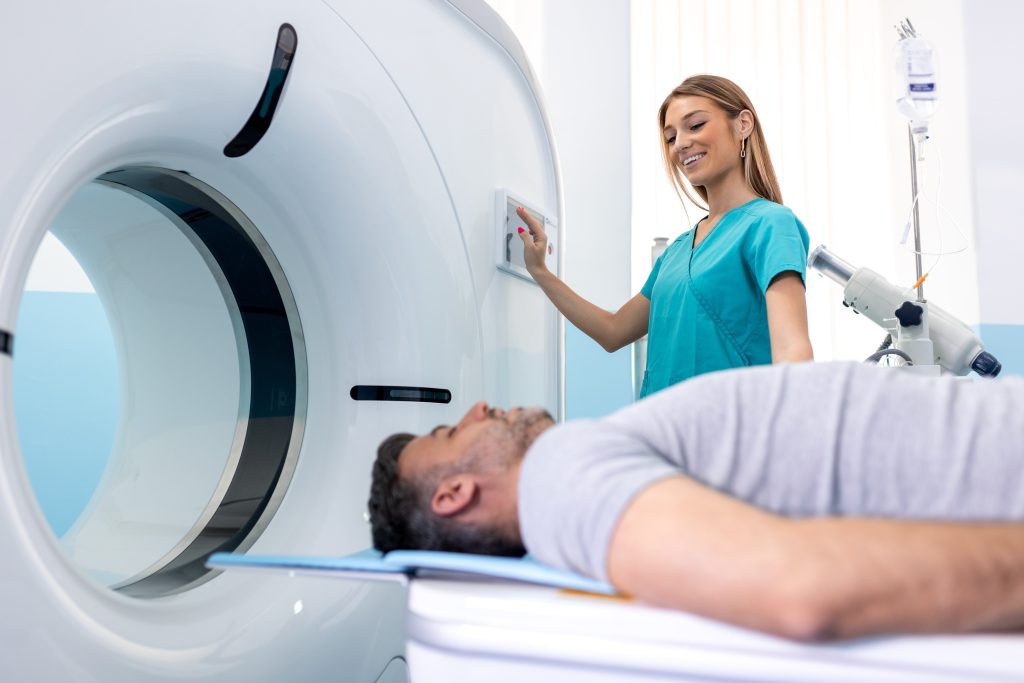
Are you interested in a rewarding career that combines technology and healthcare? Becoming a CT tech might be the perfect path for you.
Imagine using advanced machines to help doctors see inside the body and make life-saving decisions. If you want to know exactly what steps to take, the skills you need, and how to stand out in this field, keep reading. This guide will show you how to become a CT tech and start making a real difference every day.
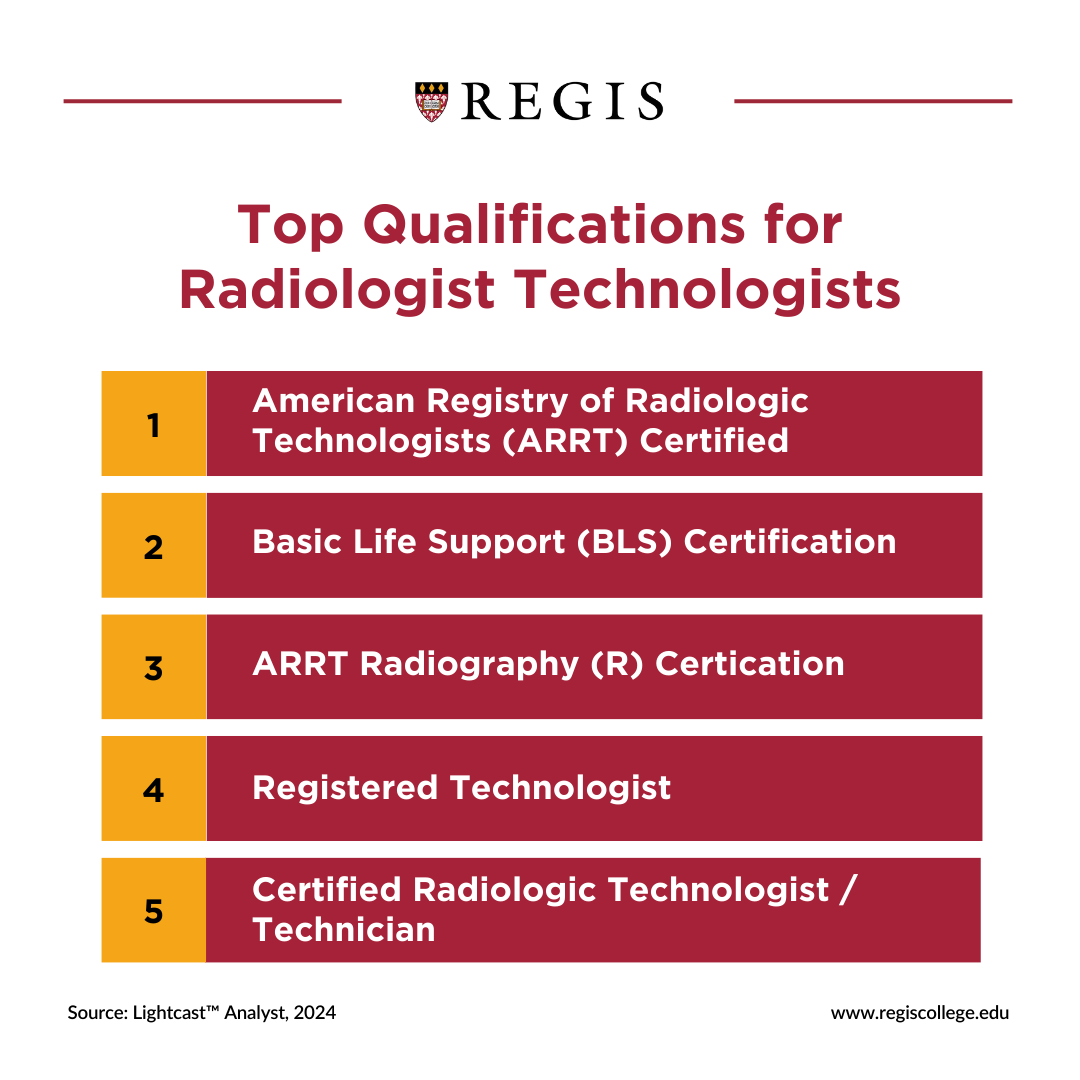
Credit: www.regiscollege.edu
Ct Tech Role And Responsibilities
The role of a CT Tech is both demanding and rewarding. As a key player in medical imaging, you will use sophisticated CT scanners to capture detailed images of patients’ internal structures. Understanding your responsibilities helps you prepare for the challenges and opportunities this career offers.
Daily Tasks
Your day usually starts with preparing the CT scanner and ensuring it’s functioning correctly. You’ll position patients carefully to get the best images while making them feel comfortable and safe. Operating the scanner requires attention to detail to adjust settings based on the body part being examined.
After scanning, you review images for quality before forwarding them to radiologists. Maintaining patient records and equipment cleanliness also falls under your daily duties. Have you thought about how much patience and precision this job demands every single day?
Work Environment
Most CT Techs work in hospitals, imaging centers, or outpatient clinics. The environment is usually fast-paced, especially in emergency departments where quick turnaround is crucial. You’ll need to adapt to different shifts, including nights or weekends, depending on the facility.
Despite the busy setting, safety is a top priority. You’ll wear protective gear and follow strict protocols to minimize radiation exposure. Can you see yourself thriving in a setting where calm focus and quick thinking are essential?
Skills Needed
- Technical proficiency:You must operate complex CT machines and troubleshoot issues efficiently.
- Attention to detail:Small errors can affect diagnoses, so precision is non-negotiable.
- Patient care:Comforting anxious patients and explaining procedures clearly is part of your role.
- Communication:Collaborating with radiologists, doctors, and other healthcare staff is critical.
- Physical stamina:You’ll spend hours on your feet and assist in positioning patients.
Developing these skills will not only make your job easier but also improve patient outcomes. What skills do you think you already have that would make you a great CT Tech?
Credit: nomadhealth.com
Education Requirements
Becoming a CT tech requires specific education to gain the right skills. The education prepares you for the technical and safety aspects of working with CT machines. This section covers the key education requirements for this career.
Degree Options
Most CT techs start with an associate degree in radiologic technology. Some choose a bachelor’s degree for broader knowledge and job opportunities. Programs focus on anatomy, patient care, and imaging technology. Graduates earn a degree that qualifies them for certification exams.
Accredited Programs
Enroll in programs accredited by recognized agencies like JRCERT. Accreditation ensures the program meets quality standards in education. Employers prefer graduates from accredited schools. Accredited programs provide clinical experience, which is essential for skill-building.
Prerequisite Courses
Prerequisites include basic science and math courses. Common subjects are biology, chemistry, and algebra. These courses build a foundation for advanced radiologic studies. Some programs require anatomy and physics before admission. Meeting prerequisites is key to acceptance into CT tech programs.
Certification Process
Becoming a CT tech requires more than just technical skills; it demands formal certification to prove your expertise. The certification process ensures you meet the professional standards necessary to operate CT equipment safely and effectively. Understanding each step of this process can help you plan your career path with confidence.
Ct Certification Exams
To become certified, you’ll need to pass specific CT certification exams. These tests evaluate your knowledge of CT technology, safety protocols, and patient care. The American Registry of Radiologic Technologists (ARRT) is a common certifying body offering a CT certification exam.
Before sitting for the exam, you must meet eligibility criteria, which usually include holding a current radiologic technologist license and completing a formal CT training program. The exam covers topics such as image production, radiation safety, and anatomy relevant to CT scanning.
Maintaining Certification
Certification isn’t a one-time achievement—it requires ongoing maintenance. To keep your certification active, you must complete continuing education credits within a set period, typically every two years. This keeps you updated on the latest CT technology and safety practices.
Renewal also involves adherence to ethical standards and sometimes a fee. Failing to maintain your certification can limit your job opportunities and even affect your ability to practice legally.
Specializations
After obtaining basic CT certification, you can pursue specializations to advance your career. Areas like pediatric CT, cardiac CT, or advanced imaging techniques offer focused expertise. These specializations often require additional training and certification exams.
Specializing not only increases your knowledge but can also boost your earning potential and job security. Are you ready to explore which CT specialization aligns best with your career goals?
Gaining Practical Experience
Gaining practical experience is essential to become a skilled CT Tech. It bridges the gap between classroom knowledge and real-world application. You learn not just how to operate machines but how to handle patients and unexpected situations effectively.
Internships And Clinical Rotations
Internships and clinical rotations give you a front-row seat to the daily tasks of a CT Tech. These opportunities let you observe and assist seasoned professionals in hospitals or imaging centers.
During my internship, I noticed how important it was to communicate clearly with patients. It made scanning easier and reduced retakes. Have you thought about how patient interaction affects image quality?
- Look for programs affiliated with accredited schools.
- Choose sites with diverse patient cases.
- Ask supervisors for feedback regularly.
Hands-on Training
Hands-on training is where theory meets practice. This training usually happens under the supervision of licensed CT Techs and involves operating CT scanners on actual patients.
Don’t shy away from repetitive practice. Repeating scans and adjusting settings helps you understand the equipment deeply. It also builds your confidence to handle emergencies or technical issues.
- Practice positioning patients correctly to get clear images.
- Learn to recognize artifacts and troubleshoot them.
- Understand radiation safety protocols thoroughly.
Building A Portfolio
Your portfolio showcases your skills and experience to future employers. It should include scanned images you’ve taken (with patient consent), logs of procedures performed, and any certifications earned.
Think about including notes on challenging cases you handled or techniques you mastered. This shows your growth and problem-solving skills. How can your portfolio tell the story of your journey as a CT Tech?
- Keep digital copies of your best work organized.
- Include letters of recommendation from supervisors.
- Update your portfolio regularly with new skills and experiences.
Job Search Strategies
Landing a job as a CT tech requires more than just the right qualifications. You need smart job search strategies that highlight your skills and make you stand out. Taking control of your job hunt with clear, effective actions will boost your confidence and increase your chances of success.
Resume Tips
Your resume is your first impression. Keep it clear and easy to read. Use bullet points to list your CT tech skills, certifications, and hands-on experience.
Highlight specific achievements, such as improving scan accuracy or reducing patient wait times. Tailor your resume to each job by matching keywords from the job description. This shows you understand what the employer needs.
Have someone else review your resume to catch mistakes you might miss. A clean, error-free resume shows attention to detail—an essential trait for a CT tech.
Interview Preparation
Prepare for questions about technical skills and patient care. Practice explaining complex procedures in simple terms, as if teaching someone without medical knowledge.
Think about your past experiences and how they demonstrate problem-solving and teamwork. Share stories that show your ability to stay calm under pressure.
Research the employer beforehand to understand their values and services. Asking thoughtful questions during the interview shows you are genuinely interested and proactive.
Networking
Building connections can open doors you didn’t know existed. Attend industry events, join professional groups, and connect with current CT techs on social media.
Reach out to mentors or former instructors for advice and potential job leads. Don’t hesitate to ask for informational interviews to learn more about different workplaces.
Remember, networking is about giving as well as receiving. Share helpful resources or information you come across. How can you make your network stronger today?
Career Growth Opportunities
Career growth opportunities for CT techs open many doors beyond entry-level imaging roles. As you gain experience and skills, you can shape a rewarding path that matches your ambitions. Whether you aim for technical mastery or leadership, understanding the options helps you make smart moves.
Advanced Certifications
Advanced certifications can boost your expertise and salary potential. Certifications like the American Registry of Radiologic Technologists (ARRT) CT certification show employers you have specialized skills.
Adding certifications in areas such as vascular or cardiac CT can set you apart. These credentials often lead to higher-paying roles and more complex imaging tasks.
Think about which certifications align with your career goals and local job market demand. Are there certifications that employers in your area value most?
Leadership Roles
Moving into leadership is a natural step for many CT techs who want to influence their workplace. Roles like lead technologist or CT department supervisor involve overseeing daily operations and mentoring junior staff.
Leadership positions often require strong communication skills and a solid understanding of workflow management. You don’t need a separate degree; your on-the-job experience and certifications can get you there.
Ask yourself: Are you ready to guide a team and make decisions that improve patient care and efficiency?
Continuing Education
Continuing education keeps your knowledge fresh and prepares you for new technology and procedures. Many employers offer tuition assistance or require ongoing training to maintain certification.
Taking workshops, online courses, or attending conferences can expose you to emerging trends in CT imaging. This ongoing learning increases your value and job security.
How do you plan to stay updated with evolving CT technology? Setting a learning schedule can make continuous education manageable and rewarding.
Challenges In The Field
Becoming a CT tech comes with its own set of challenges that test your skills, patience, and dedication. Understanding these hurdles can prepare you to face them head-on and excel in this demanding yet rewarding field. Let’s look closely at some common obstacles and how you can manage them effectively.
Common Obstacles
One of the biggest challenges is mastering the technical skills required for operating complex CT machines. These devices demand precision, and small errors can affect diagnosis. You might find it tough to learn all the safety protocols and imaging techniques initially.
Another obstacle is handling patients who may be anxious or unable to stay still during scans. You’ll need patience and good communication skills to help them feel comfortable. Have you ever thought about how your attitude can change a patient’s experience?
Work-life Balance
The workload in this field can be intense, especially with long shifts or emergency cases. Balancing your professional duties with personal time can quickly become challenging. It’s important to set boundaries and schedule breaks to avoid burnout.
Many CT techs find that creating a daily routine helps maintain balance. Simple habits like exercising or spending quality time with loved ones can recharge your energy. How do you plan to keep your work from taking over your life?
Staying Current With Technology
CT technology evolves rapidly, so keeping your knowledge updated is crucial. New machines, software, and scanning techniques require ongoing learning. You might need to attend workshops, online courses, or certification renewals regularly.
Staying current means you provide better patient care and increase your job security. Don’t wait for change to happen—actively seek out opportunities to learn. What steps can you take today to stay ahead in your career?

Credit: npcollege.edu
Frequently Asked Questions
What Qualifications Are Needed For A Ct Tech?
To become a CT Tech, you typically need an associate’s degree in radiologic technology. You must also pass the ARRT certification exam. Some states require additional licensing. Continuing education is essential for staying updated with advancements in technology and techniques.
How Long Does It Take To Become A Ct Tech?
It generally takes two years to complete an associate’s degree program. After graduation, you need to pass the ARRT certification exam. Some additional training might be required depending on state regulations.
What Skills Are Essential For A Ct Tech?
CT Techs need strong technical skills to operate imaging equipment. Excellent communication skills are crucial for patient interaction. Problem-solving skills help in dealing with unexpected situations. Attention to detail ensures accurate imaging results.
What Is The Average Salary For A Ct Tech?
The average salary for a CT Tech in the United States is around $60,000 per year. Salaries can vary based on location, experience, and additional certifications. CT Techs may earn higher wages in specialized fields or urban areas.
Conclusion
Becoming a CT tech takes clear steps and dedication. Start with education and get certified. Gain hands-on experience through internships or training programs. Keep learning to stay updated with new technology. This career offers good opportunities in healthcare. Stay focused and patient.
Your efforts will lead to success as a CT tech.